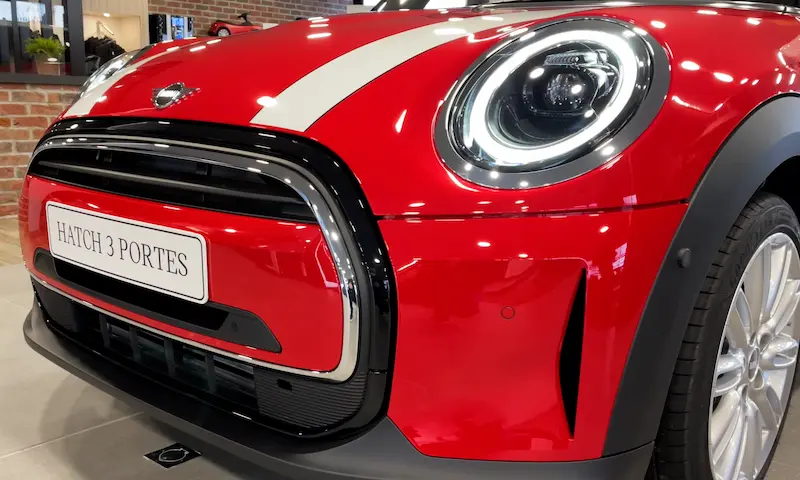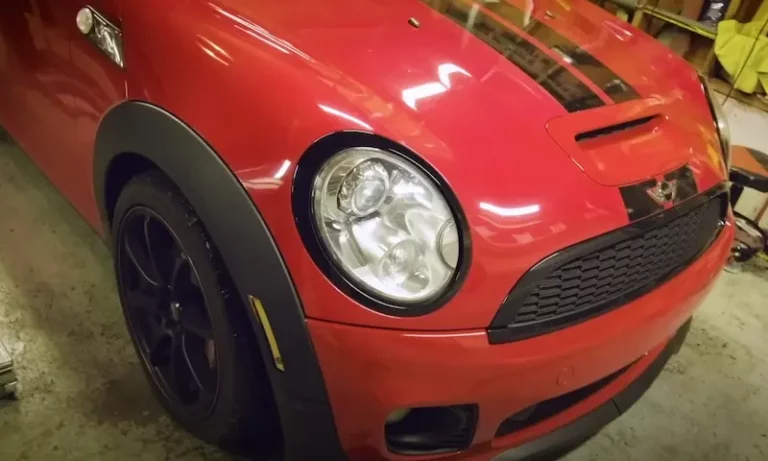
Does your Mini Cooper feel sluggish? Maybe it’s idling roughly, or perhaps that check engine light has you worried. If your diagnostic scanner shows a P1497 code, you’re dealing with a downstream throttle air leak—a common issue especially in 2008-2009 Mini Cooper S models with N14 engines.
Let’s cut through the confusion and get you back on the road with this straightforward guide to understanding, diagnosing, and fixing the P1497 code in your Mini Cooper.
What Does the P1497 Code Actually Mean?
When your Mini’s computer throws a P1497 code, it’s telling you there’s air entering your engine where it shouldn’t be—specifically after the throttle body. This unmetered air messes with your air-fuel ratio, and your engine doesn’t like that one bit.
Unlike generic OBD codes, P1497 is Mini-specific and points directly to the integrity of your intake system. Your car’s computer compares data from various sensors and notices something’s off, triggering the warning light.
How Your Mini Cooper Tells You Something’s Wrong
Rough, Unstable Idle
If your Mini’s shaking like it’s had too much caffeine while stopped at traffic lights, that’s a classic symptom. The engine vibrates noticeably because unmetered air is causing inconsistent combustion cycles.
A driver of a 2009 Mini Cooper S described it as “the engine stumbling like it’s about to stall” when at idle—this is your first clue something’s amiss with the air intake system.
Power Loss and Sluggish Acceleration
Pressing the gas pedal should give you that zippy Mini response, but with a P1497 code, you might notice:
- Slower-than-normal acceleration
- Turbocharger that seems lazy or unresponsive
- Difficulty maintaining highway speeds
One Mini owner complained their car “felt like it was driving through molasses” after the code appeared—hardly the go-kart feeling Minis are famous for!
Unusual Exhaust Smoke
Though less common, some cars with P1497 issues might produce white smoke during acceleration. While this can be misinterpreted as a head gasket issue, it’s often related to how the air leak affects oil consumption in the engine.
What’s Causing Your Mini’s P1497 Code?
1. Vacuum and Air Leaks
This is the number one culprit. Your Mini has several vacuum lines and air hoses that can crack, disconnect, or simply wear out, including:
- Hoses connecting the valve cover to the intake manifold
- Lines near the turbocharger
- Connections between the intercooler and intake system
A Reddit user solved their P1497 headache by simply reconnecting a detached hose near the turbocharger—a five-minute fix for what seemed like a major problem.
2. Malfunctioning MAF Sensor
Your Mass Airflow Sensor tells the computer how much air is entering the engine. When it gets dirty or fails, it sends incorrect data, triggering the P1497 code even when there’s no physical leak.
The MAF sensor is particularly vulnerable in turbocharged engines where oil particles can contaminate it over time.
3. Improper Installation After Repairs
Had recent work done on your Mini? Technicians sometimes don’t reconnect everything perfectly after repairs like:
- Water pump replacement (which requires removing the intake manifold)
- Turbocharger service
- Aftermarket modifications
One Mini Cooper S owner developed the P1497 code immediately after a water pump repair when the intake manifold wasn’t properly resealed.
4. Intercooler Issues
Though less common, cracks in the intercooler or loose connections between the intercooler and other components can create the perfect conditions for a P1497 code.
How to Diagnose the P1497 Code Yourself
Visual Inspection First
Before getting fancy with tools, look for the obvious:
- Check all visible vacuum lines for cracks or disconnections
- Inspect the area between the turbocharger and throttle body
- Look at the valve cover breather lines
- Verify that all clamps and connections are tight
Pay special attention to places where hoses might rub against other components and develop wear spots.
Smoke Test for Hidden Leaks
If visual inspection doesn’t reveal the problem, a smoke test is your next best step:
- Introduce smoke into the intake system under slight pressure
- Watch for smoke escaping from places it shouldn’t
- Focus on gasket seams and connection points
In a documented case from 2024, smoke testing revealed a leak at the throttle body gasket that was completely invisible during visual inspection.
Use an OBD Scanner with Live Data
If you have access to a more sophisticated scanner, check these parameters:
| Parameter | Normal Range | What It Means If Off |
|---|---|---|
| Short-Term Fuel Trim | ±5% | Values above +10% indicate a lean condition typical of air leaks |
| MAF Sensor Reading | Varies by model | Inconsistent readings suggest sensor issues |
| Throttle Position vs. Airflow | Should correlate | Mismatched values point to unmetered air |
The Quick MAF Sensor Test
Here’s a shade-tree mechanic trick:
- Disconnect your MAF sensor while the engine is running (carefully!)
- If your engine suddenly runs better, your MAF sensor is likely the culprit
Fixing Your Mini’s P1497 Problem
Replacing Hoses and Seals
If you’ve found cracked or disconnected hoses:
- Replace any brittle or damaged vacuum lines
- Make sure all O-rings are in good condition
- Use proper clamps rather than zip ties for permanent repairs
The good news? Most of these repairs are inexpensive. A Mini owner reported fixing their P1497 code with just a $12 vacuum line and 30 minutes of their time.
Resealing the Intake Manifold
If the issue is with your intake manifold gasket:
- Remove the intake manifold carefully
- Clean all mating surfaces thoroughly
- Install new gaskets (don’t reuse old ones)
- Torque all bolts to specification in the proper sequence
A proper intake manifold reseal job solved the problem for a 2009 Mini Cooper S owner who had struggled with P1497 codes for months after a water pump replacement.
MAF Sensor Replacement
If diagnostics point to the MAF sensor:
- Remove the sensor (usually secured with simple screws or clips)
- Install the new part (Mini Cooper part number 13 62 7 589 813 for many models)
- Clear the code and test drive
Several owners reported that after replacing no-obvious leaks, replacing the MAF sensor (about $150-200) completely solved their P1497 troubles.
Intercooler Repair or Replacement
For intercooler issues:
- Test the intercooler for leaks using a pressure tester
- Replace if cracked or damaged
- Check all connecting pipes and clamps
A 2024 case study mentioned a manufacturing defect in an aftermarket intercooler that was causing persistent P1497 codes—replacing it under warranty fixed the issue.
Don’t Forget the Vanos Valve
On N14 engines specifically, the Vanos valve (variable valve timing) can sometimes mimic air leak symptoms. One owner solved their persistent P1497 code by replacing this $35 part, which took about 90 minutes of labor.
Preventing Future P1497 Codes
Keep your Mini happy with these preventive steps:
- Replace aging vacuum lines before they fail (especially in high-heat areas)
- Clean your MAF sensor periodically with proper MAF cleaner
- Be cautious about aftermarket modifications that affect the intake system
- When having work done, verify that everything is properly reconnected
When DIY Isn’t Enough
While many P1497 fixes are DIY-friendly, consider getting professional help if:
- You’ve tried multiple fixes without success
- You can’t locate a suspected leak
- The problem returns shortly after your repair attempt
- You’re not comfortable working around the turbocharger system
A professional shop with Mini Cooper experience will have specialized tools and knowledge to pinpoint tricky leaks.
Cost of Professional Repairs
If you go the professional route, here’s what you might expect to pay:
| Repair Type | Typical Cost Range |
|---|---|
| Vacuum line replacement | $100-300 |
| MAF sensor replacement | $300-500 (parts and labor) |
| Intake manifold reseal | $500-800 |
| Intercooler replacement | $600-1,200 |
| Vanos valve replacement | $250-400 |
The good news? Fixing P1497 issues typically costs much less than ignoring them and causing further engine damage down the road.
By understanding the causes and solutions for the P1497 code, you’ll not only get your Mini back to its peppy self but also potentially save hundreds in unnecessary repairs. Your Mini Cooper deserves proper care—and now you’re equipped to provide it!