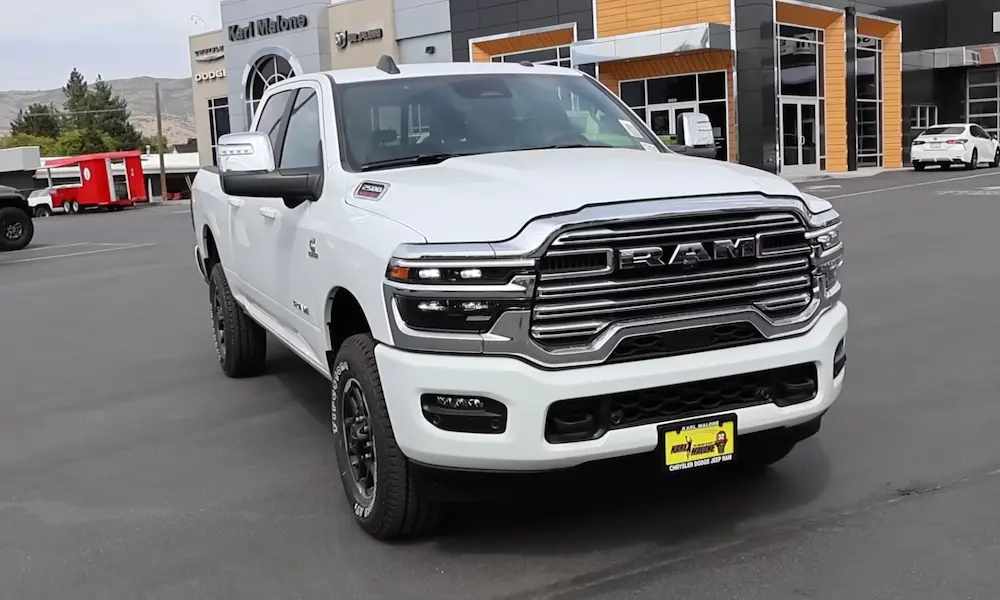
Is your Ram’s AC blowing hot air in the summer heat? You’re about to discover why your truck’s cooling system isn’t performing as it should. This guide breaks down the common culprits behind Dodge Ram air conditioning problems and shows you how to get back to enjoying cool cabin temperatures again.
Most Common Dodge Ram AC Issues
Refrigerant Leaks: The Silent Cooling Killer
Refrigerant leaks rank among the most prevalent issues in Dodge Ram AC systems. When refrigerant levels drop, your cooling efficiency plummets, resulting in warm air from your vents when you need cold air most.
Leaks typically occur at:
- Connection points
- Condenser coils
- Evaporator cores
The 2016-2018 Ram models were particularly prone to condenser leaks caused by faulty welds. Many owners discovered these problems require complete condenser replacement rather than simple repairs.
Signs you’re dealing with a refrigerant leak:
- Gradually decreasing cooling performance
- Visible oil stains near AC components
- Hissing sounds from the AC system
Compressor Failures: When Your AC’s Heart Stops Beating
Your AC compressor is essentially the heart of the cooling system. When it fails, your entire system stops working effectively. Dodge Ram trucks commonly experience:
- Clutch engagement problems
- Bearing failures
- Internal valve damage
Listen for grinding noises when your AC is running – this is often the first warning sign of compressor problems. In 2019-2020 models, software glitches in the compressor control module caused erratic operation, requiring specific firmware updates outlined in TSB 24-001-20.
Electrical Gremlins: Fuses, Relays, and Control Issues
Electrical problems often cause mysterious AC failures in Rams with automatic climate control. Common culprits include:
- Blown F62 10A fuse (specifically for the compressor clutch)
- Faulty relays
- Corroded wiring harnesses
- Failed control modules
These issues can cause your AC to work intermittently or not at all. Many owners report solving their problems by simply checking and replacing the AC fuses before attempting more complex repairs.
Clogged Components: When Airflow Gets Restricted
Over time, your Ram’s AC system can develop blockages that dramatically reduce cooling efficiency:
- Debris-clogged condenser (especially after off-road adventures)
- Dirty evaporator coils
- Mold growth causing bad odors
The condenser sits at the front of your engine bay, making it particularly vulnerable to collecting bugs, leaves, and dirt. Regular cleaning can prevent temperature issues and extend component life.
How to Diagnose Your Ram’s AC Problems
Check Your Vent Temperatures First
Before diving into complex diagnostics, perform this simple test:
- Start your truck and set the AC to maximum cooling
- Let the system run for 10 minutes
- Use a digital thermometer to measure the temperature from the center vent
A properly functioning system should blow air that’s 15-20°F below the ambient temperature. If your vents are blowing air closer to the outside temperature, you’ve confirmed there’s a problem that needs addressing.
Visual Inspection: Look for the Obvious
Many AC issues can be spotted with a careful visual check:
- Inspect for oil stains around AC components (sign of refrigerant leaks)
- Check if the compressor clutch is engaging when AC is on
- Look for debris blocking the condenser fins
- Verify the condition of belts driving the compressor
Pay special attention to the condenser at the front of your truck. Ram owners frequently report improved cooling after simply cleaning built-up debris from their condensers with compressed air or a soft brush.
Electrical System Testing
For electrical issues:
- Check the F62 10A fuse in the power distribution center
- Test for 12V at the compressor clutch connector with the AC on
- Verify that the blower motor operates at all speeds
No voltage at the compressor usually indicates a failed relay, pressure switch, or climate control module issue. Ram owners have reported solving intermittent cooling problems by simply replacing the AC relay.
Using Pressure Gauges for Accurate Diagnosis
For more precise diagnostics, connect manifold gauges to the high and low pressure service ports:
- Low-side pressure below 25 psi indicates leaks or undercharging
- High-side pressure over 250 psi suggests blockages or overcharging
Pressure readings outside normal ranges help pinpoint specific issues. For example, low pressure on both sides typically means low refrigerant, while high pressure on both sides could indicate a condenser problem or overcharge condition.
Year-Specific Dodge Ram AC Issues
2013-2016 Ram AC Problems
These model years commonly experience:
- Leaking condensers
- Failed expansion valves
- Blower motor resistor failures
Many 2013-2016 Ram owners report their AC systems blowing cold initially but gradually warming up during longer drives. This symptom often points to a partially blocked expansion valve or low refrigerant charge.
2017-2020 Ram AC Problems
The fifth-generation Rams brought new challenges:
- Software-related compressor control issues
- Evaporator core leaks
- Temperature stratification between driver and passenger vents
The 2019-2020 Ram 1500’s redesigned HVAC housing sometimes created uneven cooling. FCA issued a service campaign to replace ductwork and sensors for affected vehicles.
2021-2023 Ram AC Problems
Newer Rams may experience:
- Integration issues between AC and other vehicle systems
- Refrigerant compatibility problems (newer R-1234yf systems)
- Electronic control module glitches
Some 2021-2023 Ram owners have reported AC performance issues linked to software conflicts between the climate control module and other vehicle systems. These often require dealer-performed software updates to resolve.
DIY Ram AC Fixes You Can Try Today
Replace Your Cabin Air Filter
A clogged cabin air filter restricts airflow, making your AC less effective and forcing the blower motor to work harder:
- Open your glove box
- Remove the limiting stops on each side
- Lower the glove box completely
- Release the filter cover clips
- Remove the old filter and install a new one
This simple 10-minute job can dramatically improve airflow. Ram owners report much better cooling performance after replacing filters that hadn’t been changed in years.
Clean Your Condenser Fins
Debris buildup on your condenser blocks airflow and reduces cooling efficiency:
- Locate the condenser at the front of the radiator
- Use compressed air or a soft brush to remove debris
- Gently straighten any bent fins with a fin comb tool
- Rinse with low-pressure water if necessary
This maintenance task is particularly important if you frequently drive on dusty roads or off-road trails.
Check and Replace AC Fuses
Electrical issues often have simple solutions:
- Locate your truck’s power distribution center
- Find the F62 10A fuse for the compressor clutch
- Check for continuity or visible damage
- Replace with a fuse of identical amperage if needed
Many Ram owners have fixed their AC with a simple fuse replacement. Never substitute a higher-amperage fuse, as this can cause electrical damage.
Recharge Your AC (With Caution)
If you suspect low refrigerant but no leaks:
- Purchase an R-134a or R-1234yf recharge kit with gauge (match your truck’s refrigerant type)
- Connect to the low-pressure service port
- Start the engine and set AC to maximum
- Add refrigerant slowly while monitoring the pressure gauge
Warning: Overcharging is as damaging as undercharging. Stop immediately if pressure reaches the “normal” range on your gauge, and never exceed specifications. Consider having a professional perform this service if you’re uncertain.
Professional Repair Costs for Dodge Ram AC Systems
| Repair Type | Parts Cost | Labor Cost | Total Estimate |
|---|---|---|---|
| Refrigerant Recharge | $50-$100 | $100-$150 | $150-$250 |
| Condenser Replacement | $150-$300 | $300-$500 | $450-$800 |
| Compressor Replacement | $300-$500 | $400-$700 | $700-$1,200 |
| Evaporator Core Replacement | $200-$400 | $800-$1,200 | $1,000-$1,600 |
Evaporator core replacement is particularly expensive because it requires dashboard removal to access. However, this repair can be necessary when facing persistent leaks or musty odors from the vents.
Software Updates and Recalls
Dodge Ram trucks have received several AC-related software updates:
- RRT 21B: Fixes integration issues in 2021-2023 models
- TSB 85B: Addresses electronic stability control system interference with compressor operation
Check if your Ram qualifies for these updates by contacting your dealer with your VIN. Many owners have resolved persistent AC issues through these software updates, which are typically performed at no cost under warranty.
In particular, 2019-2020 Ram 1500 owners should inquire about TSB 24-001-20, which addresses temperature stratification issues. The fix includes updated HVAC housing with revised ducting that significantly improves cooling performance.
Understanding Ram AC System Components
The Refrigerant Circuit
Your Ram’s AC system operates as a closed loop:
- The compressor pressurizes refrigerant gas
- Hot, high-pressure gas flows to the condenser
- The condenser releases heat, converting gas to liquid
- The expansion valve creates a pressure drop
- The evaporator absorbs heat from cabin air, cooling it
- The cycle repeats
Understanding this process helps diagnose where problems might occur. For instance, if your system pressurizes but doesn’t cool effectively, the issue likely lies between the condenser and evaporator.
Modern Ram AC Technologies
Newer Rams incorporate advanced climate technologies:
- Dual-zone climate control with separate temperature zones
- Automatic temperature control with ambient sensors
- Integrated humidity sensors for better defrosting
- Energy-efficient variable-displacement compressors
These systems offer improved comfort but add complexity to diagnosing problems. Many issues in 2019+ Rams require dealer-level diagnostic tools to properly identify and address.
Upgrading Your Ram’s AC Performance
If your Ram’s factory AC system struggles in extreme heat, consider these performance upgrades:
- High-output compressors designed for larger trucks
- Upgraded condensers with greater cooling capacity
- Auxiliary cooling fans for improved airflow
- Premium refrigerant with performance additives
These modifications can provide noticeably better cooling, especially for Rams used in hot climates or for towing. However, they should be installed by experienced technicians to avoid compatibility issues.