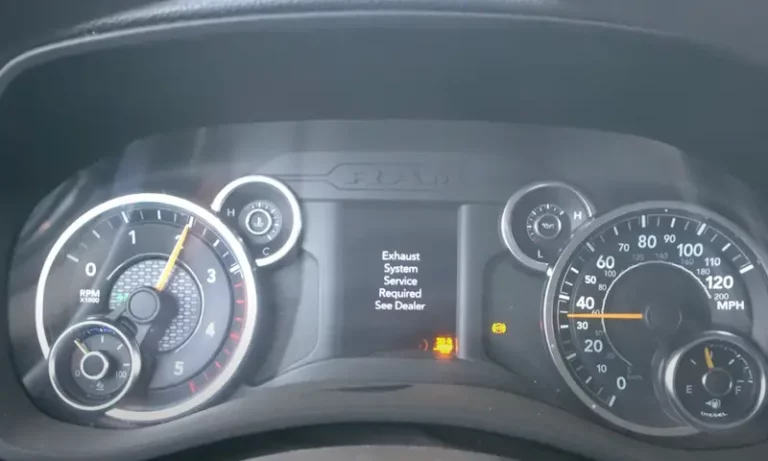
Seeing that ominous “Exhaust System Service Required See Dealer” message light up your dashboard can instantly ruin your day. Before you panic or rush to the dealership, let’s break down what this warning actually means, what might be causing it, and your best course of action. I’ll help you understand if you’re facing a simple fix or a more serious repair.
What Does “Exhaust System Service Required See Dealer” Actually Mean?
When this warning appears on your dashboard, your vehicle’s computer has detected an issue with your exhaust or emissions system. This isn’t just a routine maintenance reminder—it’s telling you that something specific has gone wrong.
In most cases, this warning indicates that active regeneration cycles have been disabled due to a system malfunction. Your car’s Powertrain Control Module (PCM) has essentially put certain exhaust functions on hold to prevent further damage.
Different Causes Based on Your Vehicle Type
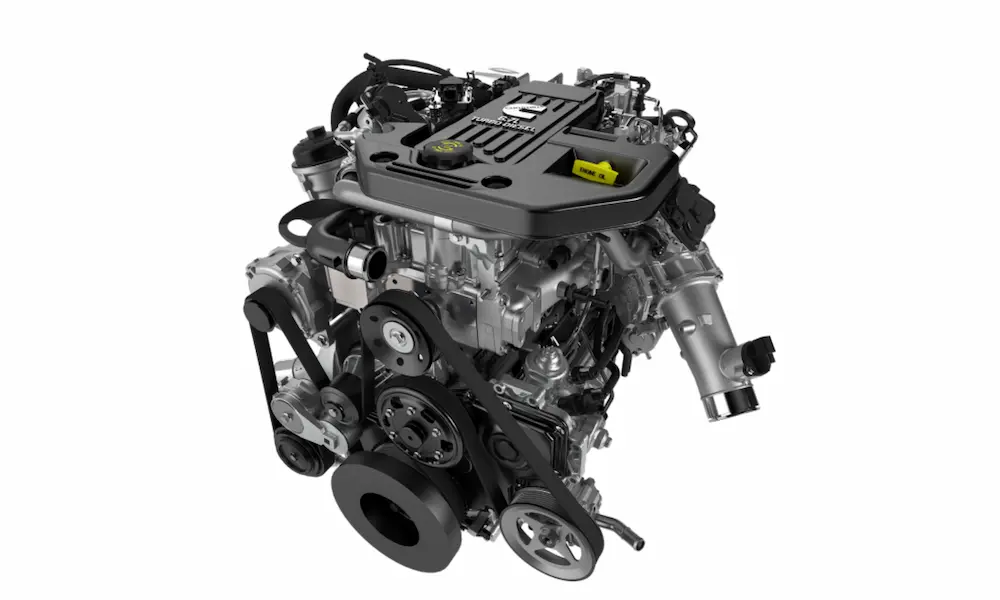
For Diesel Vehicles: Usually DPF Problems
If you drive a diesel truck or SUV, this warning is most commonly related to your Diesel Particulate Filter (DPF):
- Filter overloading: Your DPF has reached about 80% capacity and needs cleaning through regeneration
- Incomplete regeneration cycles: If you make lots of short trips or turn off your engine during the cleaning process, regeneration can’t finish properly
- Fuel system issues: Problems with fuel filters or rail pressure can prevent proper regeneration
- Faulty sensors: Temperature or other emissions sensors giving incorrect readings
For Gasoline Vehicles: Usually Converter or Sensor Issues
If you drive a gas-powered car, different issues typically trigger this warning:
- Catalytic converter problems: Clogging, damage, or deterioration affecting exhaust conversion
- Oxygen sensor failures: Malfunctioning O2 sensors giving bad air-fuel mixture readings
- Exhaust leaks: Damaged pipes, manifold gaskets, or connections
- Muffler damage: Internal corrosion or damage affecting exhaust flow
Honda/Acura Owners: Could Be Routine Maintenance
If you drive a Honda or Acura, it’s worth noting that exhaust system inspection is part of their regular maintenance schedules. If you see a “Code B” service reminder, this typically includes exhaust system checks along with other routine maintenance—not necessarily an emergency.
What You Should Do Immediately
For Diesel Vehicle Owners
- Try highway driving: If it’s a DPF issue, driving at highway speeds (40+ mph) for 20-40 minutes might allow forced regeneration to complete. This is often the first thing to try with diesel trucks showing this warning.
- Pay attention to performance: Is your vehicle also showing reduced power, increased fuel consumption, or other warning lights? These provide clues about the severity.
- Avoid short trips: Until resolved, minimize stop-and-go driving that prevents proper regeneration cycles from completing.
For All Vehicle Types
- Don’t panic—it’s usually still drivable: In most cases, you can continue driving for a short time, but don’t ignore the warning indefinitely.
- Check for other symptoms: Listen for unusual exhaust noises, smell for fumes inside the cabin, or notice performance changes that might help identify the issue.
- Schedule a diagnostic appointment: Whether at the dealer or with a trusted mechanic, get it checked soon. Continued operation can lead to additional damage.
What’s Actually Causing Your Warning?
While there are many potential causes, technicians report that most often this warning ends up being a fuel system fault in diesel vehicles. However, professional diagnosis is essential since the warning can be triggered by:
| System | Common Issues | Typical Symptoms |
|---|---|---|
| Fuel System | Clogged filters, low rail pressure | Poor acceleration, rough idle |
| Exhaust Components | DPF clogging, converter damage | Increased noise, smell, power loss |
| Emission Sensors | O2 sensor failure, temperature sensor issues | No obvious symptoms, just warning light |
| EGR System | Valve sticking, passage clogging | Rough idle, stalling, power loss |
The Hidden Dangers of Ignoring This Warning
Beyond just affecting performance, a damaged exhaust system poses serious risks:
- Carbon monoxide poisoning: Exhaust leaks can allow deadly CO gas into your cabin
- Fire hazards: Malfunctioning catalytic converters can reach extreme temperatures (1,200+ degrees)
- Engine damage: Back-pressure issues from clogged exhaust components can damage engine valves and sensors
- Failed emissions tests: Obvious, but worth mentioning if you live in a testing area
What Repairs Might Cost
Be prepared for a range of potential costs depending on the diagnosis:
- Simple sensor replacement: $100-300
- DPF cleaning procedure: $300-800
- Complete DPF replacement: $1,500-3,500 (often needed in severe cases)
- Catalytic converter replacement: $800-2,500 depending on vehicle
- Complete exhaust system: $2,000-3,000 for major components
For diesel truck owners especially, these repairs can be expensive. Getting a second opinion from an independent exhaust specialist can often provide more cost-effective solutions than dealership repairs, especially for older vehicles.
Common Scenarios by Vehicle Brand
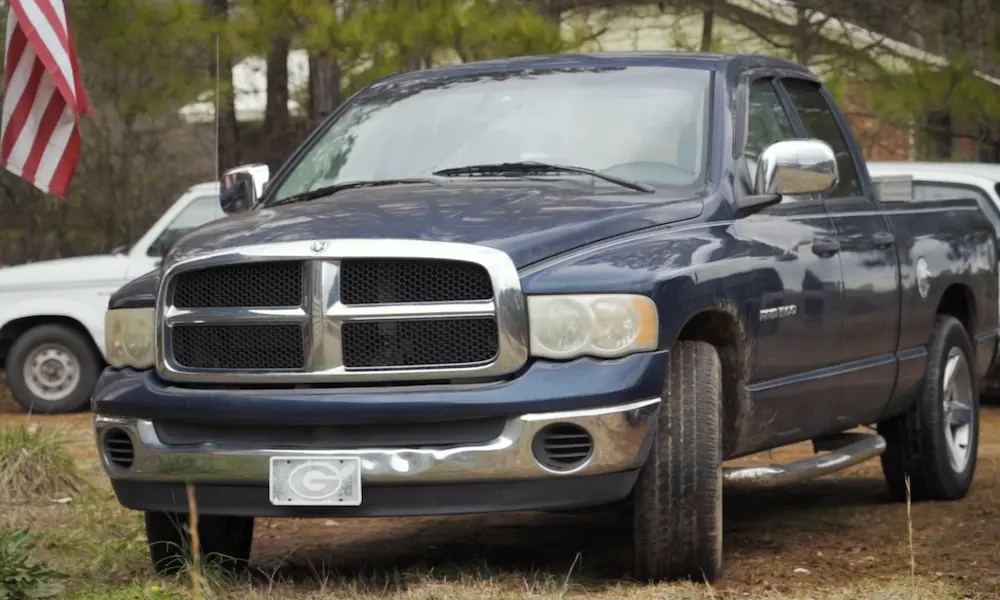
Ram and Jeep Diesel Owners
Ram and Jeep diesel owners frequently report this warning after short driving cycles or in cold weather. In many cases, the extended highway driving technique resolves the issue. However, if the warning persists after attempting regeneration, it often indicates a fuel delivery problem or sensor failure.
Diesel Ram owners have specifically noted that fuel quality issues (particularly low-quality diesel fuel) can contribute to regeneration failures that trigger this warning.
Toyota and Lexus Owners
Toyota and Lexus vehicles typically show this warning when the catalytic converter efficiency drops below acceptable thresholds. Toyota’s exhaust systems are generally reliable, but when problems occur, O2 sensor failures are common culprits before the catalytic converter itself.
Toyota’s newer hybrid models may also display similar warnings related to their specialized exhaust filtration systems, which have different maintenance requirements than traditional exhaust systems.
BMW and European Models
European vehicles often have more complex emissions systems with additional components like secondary air injection systems. When the “Exhaust System Service” warning appears in these vehicles, it frequently relates to smaller components within this system rather than major exhaust parts.
BMW owners specifically should be aware that certain model years are prone to exhaust flap actuator failures, which can trigger this warning but are relatively inexpensive to fix compared to catalytic converter issues.
Preventive Maintenance to Avoid This Warning
While some exhaust issues are unavoidable, you can reduce your chances of seeing this warning light through:
- Regular driving patterns: For diesel vehicles, including regular highway drives helps maintain DPF function
- Quality fuel: Using high-quality, proper-grade fuel with occasional fuel system cleaners
- Timely oil changes: Dirty oil contributes to exhaust contamination
- Addressing check engine lights promptly: Early intervention often prevents escalation to major exhaust system issues
- Periodic exhaust inspections: Having a professional check for early signs of leaks or damage during routine maintenance
Diagnostic Process: What to Expect at the Shop
When you take your vehicle in for this warning, expect the technician to:
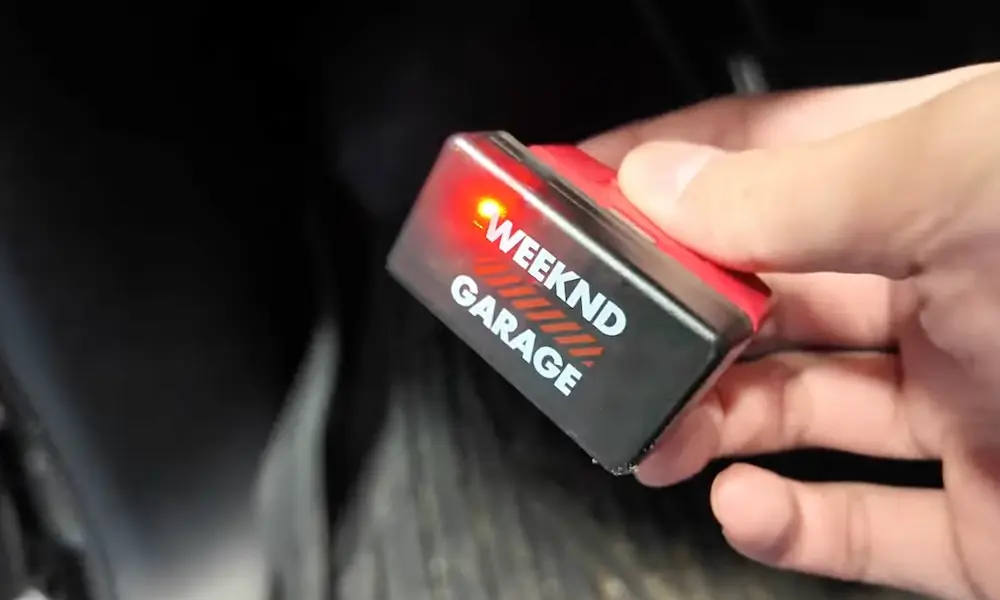
- Connect a diagnostic scanner to read specific fault codes
- Perform a visual inspection of accessible exhaust components
- Check sensor readings to identify outliers
- Possibly conduct back-pressure tests to check for blockages
- Potentially use smoke testing to identify leaks
The diagnostic process typically takes 1-2 hours before a technician can provide a specific cause and repair recommendation.
When DIY Approaches Make Sense (And When They Don’t)
For the mechanically inclined, some exhaust issues can be addressed without dealer intervention:
DIY-Friendly Issues:
- Loose heat shields (causing rattling)
- Minor exhaust leaks at connections
- Some oxygen sensor replacements (on accessible locations)
- Simple exhaust hangers and support repairs
Leave to the Professionals:
- DPF regeneration or replacement
- Catalytic converter diagnosis or replacement
- Complex sensor issues requiring specialized diagnostic equipment
- Anything involving computer reprogramming
Performance Impacts Until Repaired
Until you address the underlying issue, expect:
- Decreased fuel economy: Often 10-20% worse than normal
- Reduced power and acceleration: Particularly noticeable under load
- Rougher idle: Especially when the engine is cold
- Potential for limp mode: In severe cases, your vehicle may limit performance significantly
Don’t try to “drive through” these symptoms, as they indicate increasing stress on your engine and emissions systems.
The Environmental Impact of Ignoring Exhaust Warnings
Modern exhaust systems do far more than just direct gases away from your vehicle—they significantly reduce harmful emissions. When they malfunction:
- Nitrogen oxide emissions can increase by 20x normal levels
- Particulate matter (especially in diesels) can increase dramatically
- Carbon monoxide output rises to dangerous levels
- Your vehicle’s environmental impact increases substantially
Properly functioning exhaust systems are essential not just for your vehicle’s health, but for air quality and public health as well.
Finding the Right Repair Shop
Not all repair facilities are equally equipped to handle exhaust system warnings. Consider:
- Dealerships: Best for newer vehicles, warranty work, and complex computer-related issues
- Diesel specialists: Often more knowledgeable about DPF issues than general repair shops
- Exhaust specialty shops: Can offer cost-effective solutions for older vehicles
- Independent mechanics: May provide better value but verify they have experience with your specific issue
Always check reviews specifically mentioning exhaust system repairs before choosing where to take your vehicle.
By understanding what triggers this warning and taking prompt action, you can avoid the more serious consequences of exhaust system failures. Remember that while the initial diagnosis might seem expensive, preventing cascading damage to other systems usually saves money in the long run.