Ever noticed your Ford displaying an “Auto Hold System Fault” message? It’s not just annoying—it could signal potential safety issues with your vehicle’s braking system. This sophisticated feature, designed to make driving more convenient by holding your car still without you keeping your foot on the brake, can sometimes develop problems that require attention. Let’s dive into what causes these faults, how to troubleshoot them, and what you can do to get your system working properly again.
What Is the Ford Auto Hold System?
The Auto Hold system in Ford vehicles is a smart feature that works with your car’s Anti-lock Braking System (ABS) and Electronic Parking Brake (EPB). When activated, it automatically maintains brake pressure after you’ve come to a complete stop, allowing you to take your foot off the brake pedal without rolling forward or backward.
This system relies on several components working together:
- ABS control module (the system’s brain)
- Wheel speed sensors
- Brake pressure sensors
- Door sensors
- Seat belt sensors
- Transmission position sensors
When any of these parts fail or send incorrect information, your Ford might display an Auto Hold system fault message.
Common Auto Hold Fault Messages and What They Mean
Your Ford might show different error messages depending on the specific issue:
- “Auto Hold System Fault” – General notification of a system problem
- “Auto Hold System Fault Press Brake” – Often indicates insufficient brake pressure or communication errors with the ABS module
- “Auto Hold System Malfunction” – Signals more severe hardware or software issues
- “Hill Start Assist Not Available” – Related system that may be affected by Auto Hold problems
These messages aren’t just annoying dashboard clutter—they indicate that a safety feature isn’t working properly, which deserves prompt attention.
Why Your Ford’s Auto Hold System Is Failing
Sensor Problems
Sensor failures are among the most common causes of Auto Hold system faults. The system depends on accurate data from multiple sensors to function correctly. When sensors provide incorrect readings or lose communication with the ABS module, the system can’t determine your vehicle’s status properly.
Door sensors are particularly problematic, especially in Ford Mustang Mach-E and Explorer models. These sensors tell the system whether doors are properly closed, and when they malfunction, they can trigger a cascade of error messages.
Electronic Parking Brake Motor Issues
The Electronic Parking Brake motors located on your rear brake calipers can develop faults that affect Auto Hold operation. Common trouble codes associated with these issues include:
- C2007 (right rear motor circuit open)
- C2008 (left rear motor circuit open)
- C1034 (parking brake position/alignment incorrect)
These motors might fail due to:
- Internal electrical problems
- Corroded connecting wires
- Mechanical seizure
When one or both motors fail, the Auto Hold system may disable itself as a safety measure.
Wiring Harness and Connector Problems
Damaged wiring harnesses are a significant cause of Auto Hold system faults, especially in vehicles exposed to harsh weather conditions. The wiring connecting the EPB motors to the main vehicle harness is particularly vulnerable to:
- Road debris damage
- Corrosion
- Thermal cycling (expansion and contraction due to temperature changes)
Ford has issued Technical Service Bulletins addressing specific wiring harness issues, particularly for 2021-2022 Mustang Mach-E vehicles built before March 15, 2022, where corroded circuits near the rear brake calipers can cause parking brake faults and Auto Hold malfunctions.
Brake System Issues
Your regular braking system must be in good condition for Auto Hold to work properly. These issues can trigger faults:
- Low brake fluid levels
- Worn brake pads
- Air in the brake lines
As your brake pads wear down, the calipers need more fluid volume to achieve the same pressure. In severe cases, this can trigger low brake fluid warnings and related Auto Hold faults.
Electrical System Problems
Weak battery voltage or electrical system faults can cause temporary Auto Hold system failures. The system’s electronic components need stable power, and voltage fluctuations can cause communication errors between modules.
After replacing your battery or if your battery has been discharged, your Auto Hold system might need recalibration or reset procedures to work properly again.
Ford Models Most Affected by Auto Hold System Faults
Auto Hold system faults can occur in any Ford vehicle equipped with this technology, from 2013 models through current production. However, certain models and years show higher rates of specific problems:
| Model Year | Vehicle | Common Issue |
|---|---|---|
| 2023 | Ford Bronco Sport | ABS module defects (subject to recall) |
| 2021-2022 | Mustang Mach-E | Wiring harness corrosion issues |
| 2017 | Ford Escape (with 17-inch wheels) | Multiple EPB-related DTCs |
| 2025 | Ford Explorer | Gear shift module software issues affecting Auto Hold |
Ford recently recalled over 300,000 vehicles from the 2025 model year for Electronic Brake Booster failures that can affect both primary braking and Auto Hold functionality.
Diagnostic Trouble Codes for Auto Hold Faults
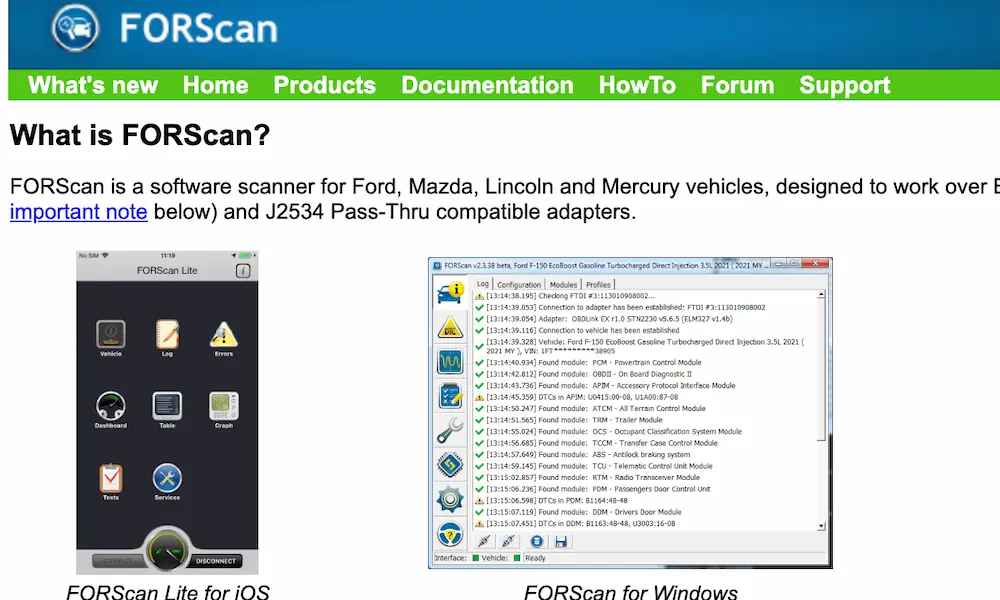
When your Auto Hold system fails, a technician can connect a scan tool to retrieve specific diagnostic trouble codes (DTCs) from your vehicle’s ABS module. The most common codes include:
- C1034 (parking brake position/alignment incorrect) – appears in approximately 95% of cases
- C2007 (right rear motor circuit open)
- C2008 (left rear motor circuit open)
These codes help pinpoint the exact nature of the problem so it can be fixed correctly.
DIY Troubleshooting Steps for Auto Hold System Faults
Before taking your vehicle to a mechanic, try these troubleshooting steps:
- Ensure all system prerequisites are met:
- Driver door fully closed
- Seat belt properly fastened
- Apply adequate brake pedal pressure when trying to engage the system
- Restart your vehicle
For intermittent faults, turn your vehicle off and restart it. This can clear temporary system glitches caused by communication errors or voltage fluctuations. - Check brake fluid level
Low brake fluid is a common cause of Auto Hold system faults. Inspect for obvious leaks, but don’t add fluid without determining the cause of any loss, as this could mask underlying brake problems. - Inspect door latches and sensors
Since door sensors often trigger Auto Hold faults, ensure all doors are closing completely and latching properly. - Check battery condition
Weak batteries can cause temporary system faults. Make sure battery connections are clean and tight.
If the fault message persists after these steps, you’ll need professional diagnosis.
How Mechanics Diagnose and Fix Auto Hold Problems
Professional diagnosis of Auto Hold system faults typically follows this process:
1. Advanced Diagnostic Scan
Technicians use specialized scan tools to retrieve DTCs from the ABS module and monitor live data streams including:
- Brake pressure values
- Wheel speed sensor inputs
- Parking brake motor position feedback
They can also perform actuator tests to verify proper motor operation and system response.
2. Electronic Parking Brake Service Mode
Before performing any brake system repairs, technicians must place the system in service mode to prevent accidental activation that could cause injury. The typical process involves:
- Setting ignition to ON position
- Pressing and holding the accelerator pedal and EPB switch in RELEASE position
- Turning ignition OFF then ON within 5 seconds while continuing to hold both controls
- Waiting for the “Maintenance Mode” message to display
3. Component Replacement or Repair
Based on diagnostic findings, repairs may involve:
- Motor replacement: When diagnostic trouble codes indicate motor circuit failures, technicians replace the affected parking brake motor(s).
- Wiring harness repair: This requires careful inspection of all connections and may involve replacing entire harness sections if corrosion or damage is extensive.
- ABS module replacement and programming: In cases where the ABS control module itself has failed, replacement requires not only installing the new module but also programming it to match your specific vehicle configuration.
The Cost of Fixing Auto Hold System Faults
Repair costs vary widely depending on the specific issue:
| Repair Type | Approximate Cost Range |
|---|---|
| Sensor replacement | $150-$350 |
| EPB motor replacement | $300-$700 per side |
| Wiring harness repair | $200-$500 |
| ABS module replacement | $800-$1,500 |
| Complete system diagnosis | $100-$200 |
For Ford vehicles still under warranty, these repairs are typically covered, making prompt professional service even more important.
Is It Safe to Drive With an Auto Hold System Fault?
While you can technically drive with an Auto Hold system fault, it’s not recommended for several reasons:
- The fault may indicate broader brake system problems affecting vehicle safety
- The Auto Hold feature will be disabled, removing a convenience feature you’re used to
- Related systems like Hill Start Assist may also be compromised
- The fault could worsen over time, leading to more expensive repairs
The interconnected nature of modern brake systems means that seemingly minor faults can escalate into more serious and expensive problems if left unaddressed.
Ford Service Bulletins Related to Auto Hold System Faults
Ford has issued several Technical Service Bulletins (TSBs) addressing Auto Hold system issues:
- TSB 22-2143: Addresses wiring harness corrosion in 2021-2022 Mustang Mach-E vehicles
- TSB 17-0095: Covers multiple EPB-related DTCs in 2017 Ford Escape models with 17-inch wheels
- TSB 23-2025: Details software updates for gear shift modules affecting Auto Hold in 2025 Explorer models
These bulletins provide dealers with specific repair procedures for known issues, often at no cost to customers even outside of warranty periods if the exact described condition is present.
When Auto Hold Faults Might Indicate Bigger Problems
An Auto Hold system fault can sometimes be the first warning sign of more serious issues:
- Electronic Brake Booster failures: These can affect primary braking performance and were the subject of a recent recall for 300,000+ Ford vehicles
- ABS module failures: Beyond Auto Hold, these can compromise anti-lock braking and stability control
- Electrical system issues: Problems with voltage or wiring can affect multiple vehicle systems beyond brakes
Don’t ignore these warning signs—they’re your vehicle’s way of telling you something needs attention before it becomes a safety issue.