You turn on your headlights and see “Low Beam Bulb Fault” glaring from your dashboard. Both headlights are dead, and you’ve already checked—the bulbs are fine. What’s going on? This isn’t just a simple bulb issue. Your Ford’s computer system has shut down the circuit, and understanding why can save you hundreds (or thousands) in unnecessary repairs.
What Is a Ford Low Beam Bulb Fault?
A Ford low beam bulb fault message means your Body Control Module (BCM) detected an electrical problem in the headlight circuit. The BCM is your vehicle’s electrical brain—it controls everything from your headlights to your door locks using smart monitoring instead of old-school fuses.
When the BCM spots something wrong—like too much current, not enough current, or a short circuit—it cuts power to protect itself. That’s when you see the fault message, even if your bulbs look perfectly fine.
How the BCM Controls Your Headlights
Unlike older cars where flipping a switch sends direct power to the bulb, modern Fords use digital communication networks. When you turn on your headlights, the switch sends a data signal through the vehicle’s CAN network. The BCM receives this signal, checks several conditions (battery voltage, engine status, light sensor readings), then decides whether to activate the headlights.
This sophisticated system enables features like automatic headlights and battery protection modes, but it also means more ways things can go wrong.
Why Your BCM Shuts Down the Headlight Circuit
The BCM uses Field Effect Transistors (FETs) instead of traditional fuses. These solid-state switches can turn on and off thousands of times per second while constantly monitoring electrical current.
The Three-Strike Protection System
Your Ford’s BCM doesn’t give up after one fault. It uses a cumulative counter system that tracks every electrical problem:
Level 1: First fault detected. The BCM shuts down the circuit temporarily and tries again when you restart the lights. You’ll see a warning message, but the lights still work.
Level 2: Repeated faults. The circuit becomes intermittent—lights might work sometimes but fail at random. The BCM is losing confidence in the circuit’s safety.
Level 3: Final lockout. The BCM decides the circuit is dangerous and permanently disables it. At this point, even fixing the wiring won’t restore function without specialized tools to reset the counter.
Each headlight circuit can tolerate a specific number of faults (typically 600 events) before permanent shutdown. Once you hit that limit, you’ll see diagnostic code U3000:49—which usually means BCM replacement or professional repair.
Common Causes of Ford Low Beam Bulb Faults
LED Bulb Installations Gone Wrong
Swapped your stock halogen bulbs for bright LEDs? That’s probably your problem. Halogen bulbs draw about 55 watts (4.5 amps), while LEDs typically use only 10-15 watts (1.2 amps).
When the BCM sees this low current draw, it thinks the bulb is burned out or the wire is broken. The system triggers a fault and cuts power completely—even though your new LEDs are working perfectly.
LED-Related Issues:
- Current draw too low (BCM reads it as an open circuit)
- PWM flickering (rapid on-off cycling that LEDs show but halogens hide)
- Incompatible bulb design that doesn’t match the BCM’s expectations
The Fix:
You’ve got three options for LED compatibility:
- Load resistors – These “trick” the BCM by drawing extra current, but they get extremely hot and waste energy
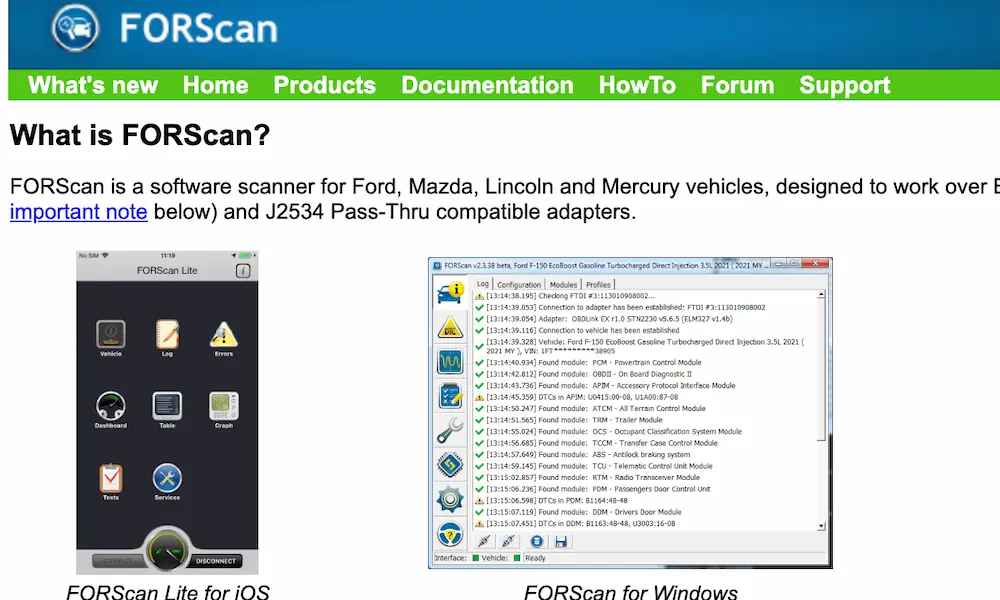
- FORScan configuration – Change your BCM settings to accept lower current draw or disable bulb outage detection entirely
- Return to halogen – The simplest solution if you don’t want to modify software
Melted Connectors and Corroded Wiring
High-current circuits generate heat. Over years of use, the electrical connectors at the back of your headlight assembly can lose tension, creating resistance. That resistance generates even more heat, which melts the plastic housing and wire insulation.
Eventually, the positive and negative wires touch—creating a direct short to ground. The BCM detects this instantly and shuts down the circuit to prevent fire.
Warning Signs:
- Burnt smell near headlights
- Melted or discolored connector housing
- Intermittent headlight operation that gets worse over bumps
- Green or white corrosion on connector pins
| Connector Condition | Risk Level | Action Required |
|---|---|---|
| Clean, tight fit | Normal | Routine inspection |
| Light corrosion on pins | Medium | Clean with electrical contact cleaner |
| Melted housing or exposed wire | Critical | Replace connector pigtail immediately |
| Heat damage to BCM harness | Severe | Professional diagnosis required |
The replacement pigtail repair kit costs $20-60 and prevents the short from reaching your BCM. Catching this early can save you from a $750+ BCM replacement.
Water Damage and Condensation
Headlights aren’t sealed units—they need ventilation to prevent pressure buildup from heat. But this also means moisture can get inside.
Ford released Technical Service Bulletin 20-BD-014H to clarify the difference between normal condensation and actual water intrusion:
Normal: Fine mist on the lens that clears after running the lights for 20-30 minutes
Problem: Water droplets, standing water, or streaks that don’t evaporate
When water contacts the electrical socket inside the headlamp, it creates a conductive path that the BCM interprets as a short circuit. Even worse, the salt and minerals in water cause rapid corrosion that can permanently damage connectors.
Drying Procedure (from Ford TSB):
- Remove dust caps from the back of the headlamp
- Run the vehicle with headlights on for 30 minutes
- Inspect for moisture improvement
- If water persists, check for cracked lenses or missing vent caps
Don’t replace a headlamp assembly just because you see condensation. Most cases resolve with proper drying.
Battery Problems and Load Shedding
A weak battery triggers your BCM’s protective mode. When the Battery Monitoring System detects critically low voltage, the BCM starts “load shedding”—shutting down non-essential systems to reserve power for starting the engine.
Your headlights might be working fine, but the BCM won’t let them turn on because it’s protecting the battery. After replacing your battery, you need to reset the BMS so the BCM knows it can resume normal operation.
Reading the Diagnostic Trouble Codes
Generic code readers often miss the specific details. Here’s what the codes actually mean:
B-Series Codes (Body/Lighting Specific)
B1D00:11 – Left low beam short to ground
B1D01:11 – Right low beam short to ground
B1D00:15 – Left low beam open circuit or short to battery
B1D01:15 – Right low beam open circuit or short to battery
The two-digit extension tells you exactly what the BCM detected. “:11” means a wire is touching metal (ground). “:15” means a broken wire or a wire touching a 12V source.
U-Series Codes (Module Communication)
U1000:00 – “Solid State Driver Protection Activated”
This means the BCM shut down the FET temporarily. You can usually clear this code after fixing the physical problem.
U3000:49 – “Control Module Internal Electronic Failure”
This is the death sentence. The BCM hit its fault limit and permanently locked the circuit. Standard code clearing won’t fix it—you need BCM replacement or specialized repair.
How to Fix a Ford Low Beam Bulb Fault
Step 1: Reset Your BCM
Before spending money, try a complete reset. This clears temporary faults and often restores function if the underlying problem is gone.
Hard Reset Method:
- Turn off the vehicle
- Disconnect both battery cables
- Touch the cables together (away from the battery) for 10 seconds
- Reconnect cables and reset your radio/clock settings
Soft Reset (if you have FORScan):
- Connect your scan tool
- Navigate to BCM module
- Select “Module Reset” function
- Clear all DTCs
- Test headlights
If the lights work after a reset, watch carefully for the next few days. If the fault returns, you’ve got a physical problem that needs repair.
Step 2: Inspect the Headlight Connectors
Pop your hood and check the electrical connectors at the back of each headlight. Look for:
- Melted or discolored plastic
- Green/white corrosion on metal pins
- Loose or floppy connection (should click firmly)
- Burnt smell or visible char marks
If you find damage, don’t just replace the bulb—replace the entire connector. Cutting out the damaged section and splicing in a repair pigtail costs $20-60 in parts and prevents the fault from spreading to your BCM.
Step 3: Check for Water Intrusion
Remove the headlight assembly and inspect inside. You’re looking for:
- Standing water in the bottom
- Wet electrical sockets
- Cracked lens or housing
- Missing or damaged vent caps
If you find moisture, follow the Ford TSB drying procedure. Don’t reinstall until completely dry—water and electricity create the exact short circuit that kills BCMs.
Step 4: Software Configuration for LEDs
If you’ve installed LED bulbs and keep getting faults, you need to modify the BCM’s configuration. FORScan software lets you change these settings:
Key Configuration Changes:
- Headlamp Type: Change to “HID Alternative”
- Bulb Outage Detection: Disable for low beams
- PWM Control: Disable if experiencing flicker
These changes tell the BCM to expect lower current draw and stop monitoring for bulb failures. Make sure you actually check your bulbs regularly since the automatic warning is now disabled.
Step 5: Professional Diagnosis
If you’ve tried everything and still see the fault, you likely need professional help. Here’s when to call a shop:
- Code U3000:49 appears (permanent BCM lockout)
- No power at BCM output pins even with harness disconnected
- Multiple electrical systems failing simultaneously
- Physical BCM damage from water or voltage spike
Cost Breakdown: What You’ll Actually Pay
The price varies wildly depending on what’s actually wrong:
| Problem | Parts Cost | Labor Cost | Total |
|---|---|---|---|
| LED bulb incompatibility | $0 (software fix) | $0-100 | $0-100 |
| Burned bulb | $15-40 | $0-75 | $15-115 |
| Melted connector pigtail | $20-60 | $150-400 | $170-460 |
| Complete headlamp assembly | $200-600 | $100-200 | $300-800 |
| New BCM from dealer | $550-900 | $200-500 | $750-1,400 |
| BCM repair/clone service | $300-350 | $100-200 | $400-550 |
The BCM Replacement Hidden Costs
If your mechanic says you need a new BCM, there’s more to it than just swapping parts. The new module needs:
Programming: Your VIN, mileage, and all configuration data must be transferred. This requires Ford IDS software or equivalent dealer-level tools.
Key Programming: The BCM controls your anti-theft system. You’ll need to program at least two keys to the new module before your engine will start.
As-Built Configuration: Every option on your vehicle (heated seats, backup camera, etc.) is stored in the BCM. This data must be manually entered or the features won’t work.
This is why BCM jobs at independent shops still end up at the dealer for final programming—adding $200-400 to the bill.
The Smart Alternative: BCM Repair Services
Companies like XeMODeX and ECU Connection specialize in board-level BCM repairs. They replace the failed FET transistors and reset the internal fault counters to zero.
Better yet, they offer “cloning” services—transferring all your vehicle data to a refurbished module. You get a plug-and-play replacement that doesn’t require dealer programming or key initialization. For $400-550 total, it’s often the smartest choice for out-of-warranty vehicles.
The Bottom Line
A Ford low beam bulb fault is rarely about the bulb itself. It’s your BCM protecting itself from electrical damage—which is good, but frustrating when the protection outlasts the problem.
Start with the simple stuff: reset the BCM, inspect your connectors, and verify you’re not fighting a software mismatch from LED bulbs. Most cases resolve with a $50 repair and 30 minutes of work.
If you’re facing BCM replacement quotes, get a second opinion. Board-level repair services offer the same fix for half the cost, and they don’t require the programming headaches of a new module.
Your headlights are too important for guesswork. Understand what the fault code actually means, fix the real problem, and you’ll be back on the road without breaking the bank.