You’re staring at your car in the parking lot, wondering if those $30 wheel locks are worth the hassle. With wheel theft happening every day across the country, it’s a valid question. Let’s cut through the marketing noise and figure out if these little security devices actually deliver—or if they’re just expensive paperweights.
What Wheel Locks Actually Do
Wheel locks replace one regular lug nut on each wheel with a special nut that needs a unique key to remove. Think of it like a house key for your wheels—without it, removing your wheels becomes much harder.
The most common designs use unique internal patterns (McGard calls theirs the “flower pattern”) that standard sockets can’t grip. Some fancier versions have spinning collars or hardened materials that resist the tools thieves typically use.
Here’s the thing: are wheel locks worth it depends on what you’re trying to prevent. They won’t stop a professional thief with time and tools, but they’ll definitely make an opportunistic criminal move on to an easier target. Most wheel thefts happen fast—thieves want to grab and go, not spend 15 minutes wrestling with security devices.
The deterrent effect comes down to time and noise. Locked wheels require specialized tools, extra effort, and create more commotion. Since a motor vehicle gets stolen every 37 seconds in America, criminals prioritize speed over persistence.
The Wheel Theft Problem Is Real
Houston leads the nation in wheel theft, with Atlanta, Chicago, Los Angeles, and Dallas close behind. These cities share common traits: lots of cars, limited secure parking, and thriving black markets for stolen parts.
Your risk depends heavily on where you park and what you drive. Popular models with standardized lug patterns—especially the M12x1.5 thread size found on millions of Toyotas, Hondas, Fords, and Mazdas—make attractive targets.
The financial hit goes beyond replacement costs. A complete wheel set runs $800 to $4,000 depending on your vehicle. Add in your insurance deductible, towing fees, rental car costs, and the time you’ll lose dealing with everything—it adds up fast.
California’s 2024 data shows that 84.59% of stolen vehicles get recovered, but individual components like wheels? Those numbers drop significantly. Once your wheels hit the black market, you’re not getting them back.
Can Thieves Actually Defeat Wheel Locks?
Let’s be honest: yes, they can. The question isn’t whether wheel locks are unbeatable—it’s whether they’re good enough to make thieves pick someone else’s car.
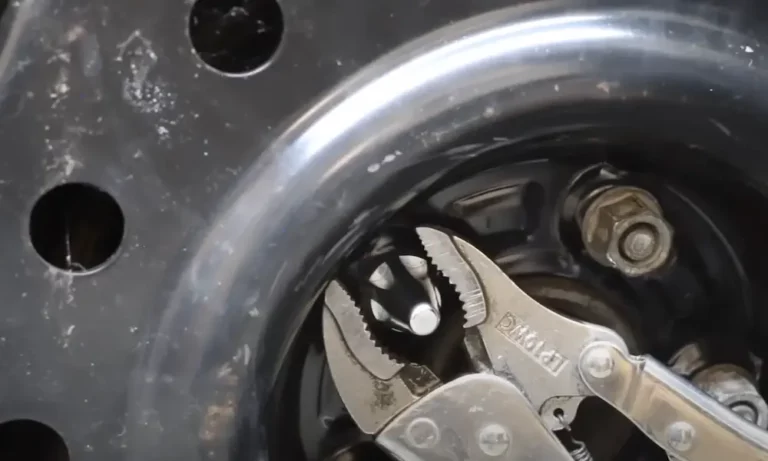
Independent testing shows big differences between brands. The most common defeat method involves hammering a 12-point socket onto the lock and removing it with an impact gun. Basic wheel locks fall to this technique pretty easily.
Advanced Wheel Locks tested as the most theft-resistant option, requiring actual welding techniques to defeat. Their conical shape and hardened alloy construction stopped conventional removal methods cold. But at $90-120 per set, they cost significantly more than standard options.
McGard and Gorilla locks in the $25-45 range provide solid deterrence without breaking the bank. They won’t stop a determined pro, but they’ll definitely frustrate opportunistic thieves working on a timeline.
Here’s what matters: most wheel theft is opportunistic, not planned heists. Thieves cruise parking lots looking for easy targets. If your car requires special tools and extra time, they’ll likely skip it for the stock Honda Civic parked three spots down.
Breaking Down the Numbers
Let’s run some math to see if wheel locks make financial sense.
Without Wheel Locks (5-year period):
- Moderate-risk area theft probability: 25%
- Average theft loss: $2,500
- Expected cost: $625
With Basic Wheel Locks ($25):
- Reduced theft probability: 15%
- Expected theft loss: $375
- Total expected cost: $400
With Premium Wheel Locks ($90):
- Reduced theft probability: 5%
- Expected theft loss: $125
- Total expected cost: $215
The numbers favor wheel locks, especially in moderate to high-risk areas. Even basic locks save you money over time if they prevent just one theft.
But there are hidden costs to consider. Professional installation at dealerships runs $50-80, though many tire shops charge less or include it with purchase. The bigger ongoing cost? Service complications when you can’t find your key.
Emergency situations get messy without your wheel lock key. Roadside assistance might not have removal tools, meaning expensive towing. Some tire shops charge $35 per wheel to remove locks without keys—that’s $140 added to a simple tire rotation.
Which Brands Actually Work
The wheel lock market breaks down into three tiers, each with distinct trade-offs.
Budget Options ($15-25)
Gorilla Automotive’s basic sets start around $20. Testing shows they’re vulnerable to common defeat methods, but they’ll still slow down casual thieves. If you’re in a low-risk area with standard wheels, these provide basic deterrence without much investment.
Mid-Range Standards ($25-50)
McGard dominates this category and for good reason. Their patented flower pattern design balances effectiveness with reasonable pricing. These are the industry standard that most mechanics recognize and respect.
Gorilla’s upgraded free-spinning collar designs fall here too at $35-50. The spinning collar prevents grip-based removal, making them noticeably harder to defeat than basic designs.
Premium Security ($90-120)
Advanced Wheel Locks commands the top tier through superior materials and geometry. Independent testing consistently shows these requiring extreme measures to defeat. For expensive aftermarket wheels or high-theft areas, they’re worth the premium.
| Brand | Price Range | Security Level | Best For |
|---|---|---|---|
| Gorilla (Basic) | $15-25 | Moderate | Low-risk areas, standard wheels |
| McGard | $25-45 | Good | Most drivers, balanced protection |
| Gorilla (Premium) | $35-50 | Good-Excellent | Mid-range aftermarket wheels |
| Advanced Wheel Locks | $90-120 | Excellent | High-value wheels, high-risk areas |
What Real Users Say
Reddit threads reveal the reality behind wheel lock effectiveness. Multiple users report finding their cars with all standard lug nuts removed except the locks—thieves abandoned the attempt when they hit the locked nut.
But the flip side exists too. One Civic owner had wheels stolen despite locks, with security footage showing removal in three minutes flat. This highlights an important truth: motivated thieves with proper tools can defeat most systems.
The most common complaints aren’t about security failures—they’re about service headaches. Mechanics report that wheel locks extend service time, especially with misplaced keys or seized locks. Some owners avoid tire rotations entirely because of wheel lock complications, which actually hurts vehicle safety.
Lost keys represent the biggest practical problem. While universal wheel lock keys exist for common patterns, they’re not everywhere, and some designs resist them. Replacement keys from manufacturers cost $10-20 but require specific lock identification numbers that owners rarely record.
Installing and Managing Wheel Locks
Installing wheel locks ranks among the simplest security upgrades you can make. Remove one standard lug nut from each wheel, replace it with the locking version, and torque to spec. Most people finish in 15-20 minutes with basic tire-changing tools.
Professional installation through dealerships costs $50-80 in labor, though many tire shops charge less or include it with purchase. For most drivers, DIY installation saves money without much difficulty.
Key Management Makes or Breaks Your Experience
Store your wheel lock key in the glove compartment or with tire-changing tools. You need it accessible during emergencies, but it should stay secure enough that thieves can’t grab it easily.
Keep a spare key at home while maintaining the primary key with your vehicle. This prevents service appointment disasters when mechanics need access for tire rotations or brake work.
Tell family members and regular service providers about your wheel locks and where the key lives. Clear communication prevents delays and extra charges.
Should You Actually Buy Them?
Whether wheel locks make sense depends on three key factors: where you live, what you drive, and your risk tolerance.
High-Risk Scenarios (Definitely Get Them)
You need wheel locks if you’re in:
- Houston, Atlanta, Chicago, LA, or Dallas
- Any urban area with high vehicle density
- Neighborhoods with frequent car break-ins
You also need them if you have:
- Expensive aftermarket wheels ($1,000+)
- Luxury vehicle with desirable factory wheels
- Popular models that thieves target frequently
For these situations, invest in quality McGard or Gorilla locks at minimum. If your wheels cost over $2,000, seriously consider Advanced Wheel Locks’ premium system.
Moderate-Risk Scenarios (Probably Worth It)
Standard wheels in suburban areas with occasional property crime benefit from basic protection. The $25-45 investment in McGard locks provides meaningful deterrence and peace of mind without breaking the bank.
Even if theft risk seems low, the modest cost means you’re not gambling much. One prevented theft pays for wheel locks many times over.
Low-Risk Scenarios (Your Call)
Rural areas with minimal crime and standard wheels make wheel locks optional. The deterrent benefit exists but remains small. However, even here the low cost often justifies the purchase for peace of mind alone.
Insurance and Wheel Locks
Comprehensive coverage typically handles wheel theft, but you’ll face deductibles ($500-1,000 typically) and the hassle of claims processing. Your wheels might get replaced, but you’ll still lose money and time.
Some insurance companies recognize wheel locks as reasonable security precautions, which can smooth claims processing if theft happens anyway. They don’t usually qualify for premium discounts like some anti-theft devices, but the claims-prevention value speaks for itself.
The typical wheel theft claim runs $1,500-4,000. After your deductible, you’re still out significant cash even with coverage. Preventing theft beats filing claims every time.
Document your wheel locks if you install them. Take photos showing the locks installed and keep your key identification number recorded. If theft occurs despite your precautions, this documentation supports your insurance claim.
The Bottom Line on Wheel Lock Value
For most drivers, quality wheel locks are worth it. The $25-45 investment in McGard or Gorilla locks provides meaningful theft deterrence that outweighs minor service inconveniences.
The key word is “quality.” Don’t cheap out with $15 locks that defeat easily. Don’t overspend on $120 premium systems unless you have expensive wheels or live in theft hotspots.
Wheel locks won’t provide absolute security. Determined criminals with specialized tools and knowledge can defeat them. But absolute security isn’t the goal—shifting criminal attention to easier targets is.
Think of wheel locks like home door locks. A skilled burglar can pick your lock or kick in your door. But you still lock up because it discourages opportunistic criminals and shows you took reasonable precautions.
The same logic applies to your wheels. For the price of a nice dinner, you get genuine theft deterrence and peace of mind. Just manage your keys properly, communicate with service providers, and maintain realistic expectations about what locks can and can’t do.
Are wheel locks worth it? For most drivers, absolutely. They’re cheap insurance against an expensive, frustrating problem that’s more common than you’d think.