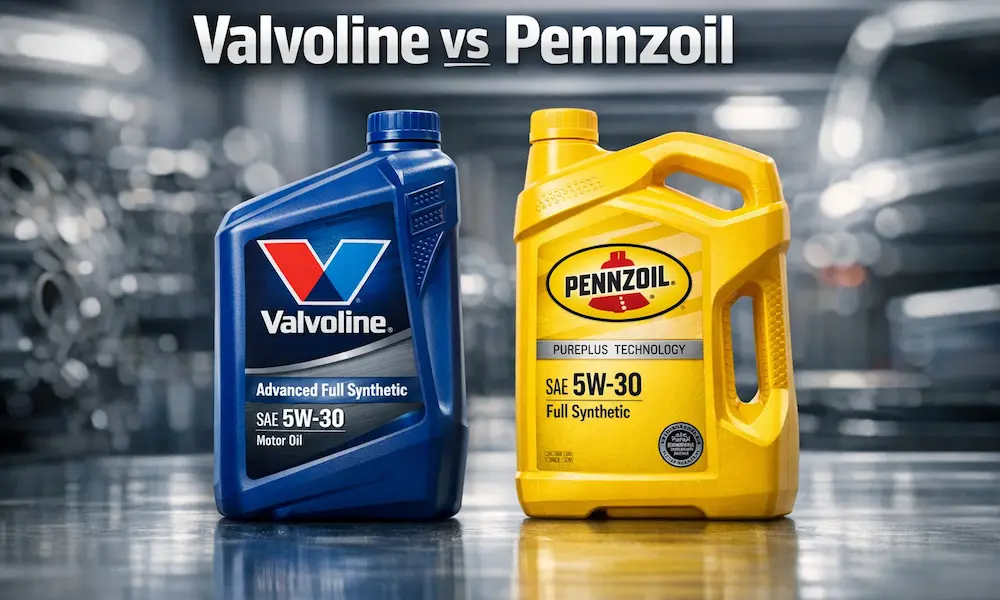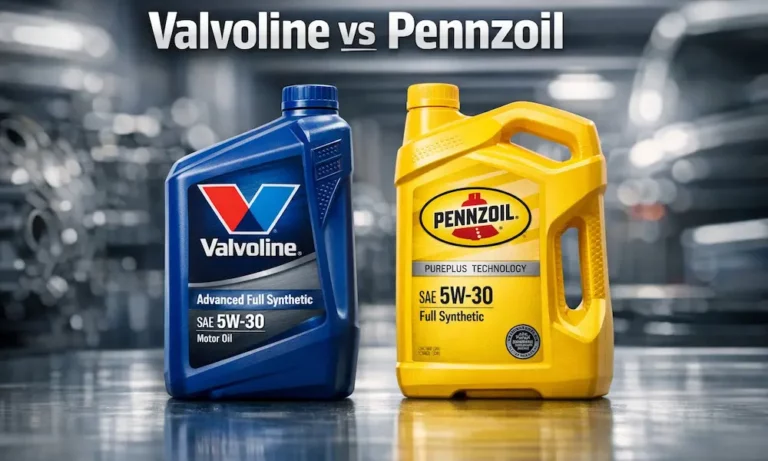
Choosing the right motor oil shouldn’t feel like deciphering a chemistry textbook. You’re standing in the auto parts aisle, staring at two familiar yellow bottles, wondering if there’s really a difference between Valvoline and Pennzoil—or if it’s just clever marketing. Here’s the thing: these aren’t identical products wearing different labels. Each brand takes a fundamentally different approach to protecting your engine, and understanding that difference could save you from expensive repairs down the road.
What Makes These Oils Different at the Molecular Level
The biggest distinction between Valvoline vs Pennzoil isn’t on the label—it’s in how they create their base oil.
Pennzoil’s Gas-to-Liquid Technology
Pennzoil builds its Platinum and Ultra Platinum lines using PurePlus technology, which converts natural gas into crystal-clear base oil. Instead of refining crude oil (which contains sulfur, nitrogen, and other contaminants), Pennzoil starts with methane molecules and reassembles them into uniform chains.
This matters because you get:
- Extreme cold-weather flow – The oil stays liquid at temperatures that turn conventional oils into molasses
- Minimal evaporation – Testing shows NOACK volatility around 8.2%, well below the industry standard of 15%
- Cleaner internals – Fewer impurities mean less sludge formation over time
Valvoline’s Additive-First Strategy
Valvoline takes premium Group III base oils (highly refined petroleum) and supercharges them with proprietary additive packages. Think of it like this: Pennzoil perfects the canvas, while Valvoline focuses on the paint.
Their approach delivers:
- Problem-solving chemistry – Formulations designed for specific issues like seal leaks or carbon buildup
- Better additive solubility – The slightly polar nature of Group III oils keeps detergents and friction modifiers dissolved longer
- Application-specific protection – Different formulas for new engines, high-mileage vehicles, and everything in between
How They Perform in Real-World Conditions
Lab numbers don’t mean much if your engine still burns oil or leaks on the driveway. Here’s where the Valvoline vs Pennzoil debate gets practical.
Cold Starts and Winter Protection
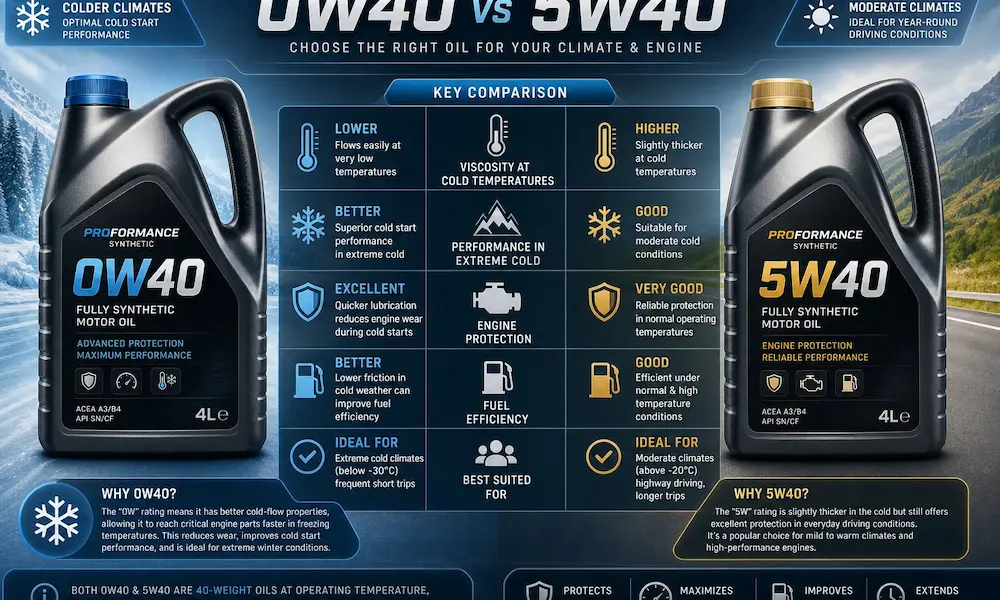
When you turn the key at -20°F, every second without oil circulation causes wear. Pennzoil’s GTL base oil flows instantly—Cold Crank Simulator testing shows viscosity of just 3,963 cP at -30°C, crushing the 6,600 cP limit.
Valvoline’s synthetic oils handle cold starts well, but typically measure around 4,200 cP. That’s still excellent, but if you live in Montana or Minnesota, those extra seconds of flow time add up over a winter season.
Winner for Arctic climates: Pennzoil
Turbocharged and Direct Injection Engines
Modern turbo engines create unique challenges. The turbo bearing spins at over 100,000 RPM, generating extreme heat. Meanwhile, direct injection systems spray fuel directly into cylinders, bypassing intake valves that used to get cleaned by detergent-laden gasoline.
Pennzoil’s low volatility means less oil evaporates in the hot turbo and escapes through the PCV system. Fewer oil vapors hitting intake valves means slower carbon buildup—a major issue in Ford EcoBoost and Hyundai GDI engines.
Valvoline counters with their new Restore & Protect formula, which claims to remove up to 100% of deposits. While it can’t wash intake valves (oil doesn’t flow there), the high-solvency formula cleans piston rings and reduces blow-by pressure that pushes vapors through the PCV system.
Winner for turbo/GDI engines: Pennzoil for prevention, Valvoline for remediation
High-Mileage Vehicles and Leak Prevention
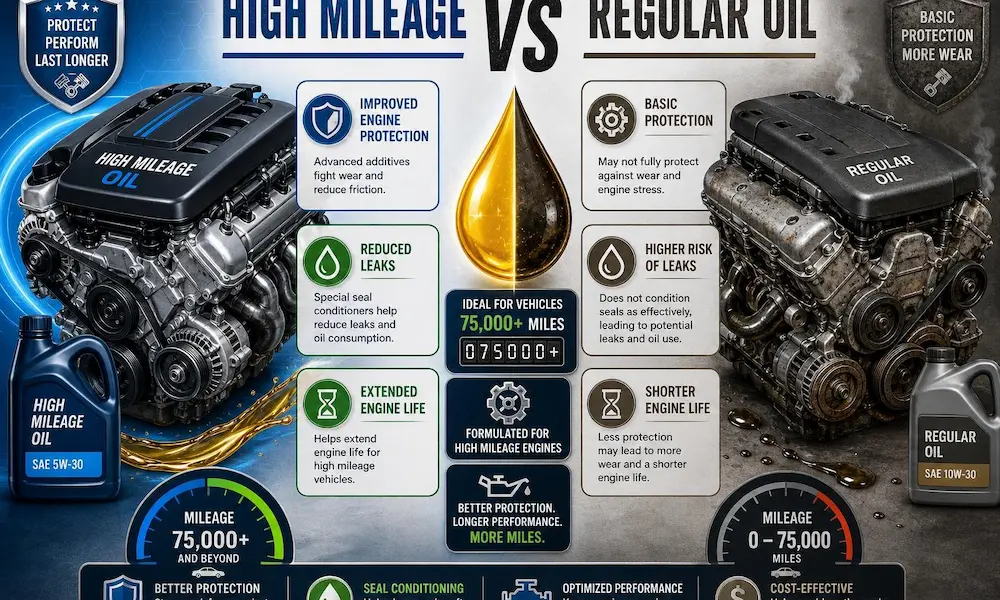
Here’s where Valvoline dominates. Their MaxLife technology was the first to address what happens to seals after 100,000 miles. Rubber gaskets lose their plasticizers from heat cycling and become brittle. MaxLife includes seal conditioners—ester-based compounds that migrate into the seal material, causing it to swell slightly and regain flexibility.
Mechanics swear by this stuff for older engines. Got a valve cover gasket that’s weeping? MaxLife often stops it without replacement.
Pennzoil offers high-mileage formulas, but their approach focuses on reducing oil consumption through low volatility rather than physically reconditioning seals. If your engine burns oil through the rings, Pennzoil High Mileage works well. If you’ve got actual leaks dripping on your garage floor, Valvoline’s the better fix.
Winner for 150k+ mile engines: Valvoline MaxLife
Product Lineup Head-to-Head
Both brands offer multiple tiers. Here’s how they stack up at each level.
Full Synthetic Mainstream Battle
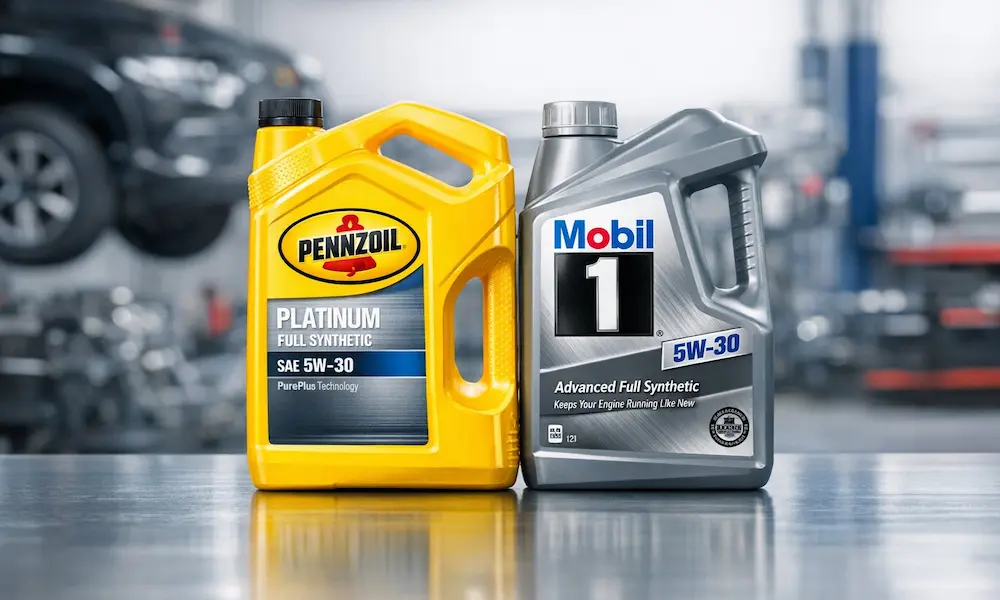
Pennzoil Platinum vs Valvoline Advanced Full Synthetic
| Factor | Pennzoil Platinum | Valvoline Advanced |
|---|---|---|
| Base oil technology | GTL (natural gas) | Hydrocracked petroleum |
| Cold crank viscosity | 3,900 cP @ -30°C | 4,200 cP @ -30°C |
| NOACK volatility | 8.2% | 9.1% |
| Typical price (5qt) | $24-26 | $24-28 |
| Best for | New cars, extreme cold, fuel economy | Daily drivers, hot climates, wear protection |
Both meet all current API SP and ILSAC GF-6A specifications, including Low Speed Pre-Ignition prevention for turbocharged engines. You can’t go wrong with either, but Pennzoil edges ahead for modern, tightly-toleranced engines.
The Premium Tier Showdown
Pennzoil Ultra Platinum vs Valvoline Restore & Protect
This is where things get interesting. Pennzoil Ultra Platinum has cult status among enthusiasts—it’s factory fill for Dodge SRT Hellcats and Ferrari engines. Independent testing consistently ranks it top-tier for wear protection and thermal stability.
The catch? You’ll struggle to find it on store shelves. Most people order it from Amazon at $35-40 per 5-quart jug.
Valvoline’s response is Restore & Protect, positioned not as a preventative oil but as a curative one. The marketing claim of removing deposits sounds bold, but early user reports show engines running noticeably quieter after a few thousand miles—suggesting it’s actually cleaning hydraulic lifter passages and ring lands.
Winner: Pennzoil Ultra Platinum for peak performance, Valvoline Restore & Protect for neglected engines
High Mileage Comparison
Pennzoil High Mileage vs Valvoline MaxLife
Valvoline created this category and still dominates it. MaxLife comes in both synthetic blend and full synthetic versions, offering seal conditioning, extra detergents, and a slightly thicker viscosity to compensate for worn bearings.
Testing data shows MaxLife running at 10.6 cSt at operating temperature versus Pennzoil’s 10.3 cSt. That thicker film provides the “cushion” that quiets noisy valve trains and reduces consumption in loose-tolerance engines.
Pennzoil’s high-mileage formula fights consumption differently—through extremely low evaporation rates. If you’re adding a quart every 1,000 miles but not seeing leaks, Pennzoil addresses the volatility issue. If you’re wiping drips off your driveway, Valvoline’s seal conditioners are what you need.
Winner: Valvoline for visible leaks, Pennzoil for invisible consumption
What Mechanics and Engineers Actually Use
Talk to enough techs and you’ll notice patterns.
Subaru specialists often recommend Pennzoil Ultra Platinum for WRXs and STIs. The flat-four boxer design runs hot, and GTL’s thermal stability handles it well. However, for older Subarus with the infamous head gasket leaks, many switch to Valvoline MaxLife to address the seepage.
Domestic V8 owners (Hemi, LS, Coyote) frequently cite Valvoline’s higher molybdenum content for quieting lifter tick. The friction modifier actually plates onto metal surfaces, reducing the clatter that plagues pushrod engines at idle.
European vehicle owners split between brands. Both offer 5W-40 formulations that meet BMW LL-01 and Mercedes MB 229.5 approvals. Pennzoil Platinum Euro has gained traction since Shell became BMW’s OEM supplier, while Valvoline European Vehicle offers similar protection at a lower price point.
The Real-World Cost Analysis
Price matters, especially when you’re changing oil every 5,000-7,500 miles.
Retail Pricing
Both brands hover around $24-28 for a 5-quart jug at Walmart. Pennzoil runs aggressive rebate programs—historically offering $20-25 gift cards per purchase during promotion periods. This drops the effective cost to around $2 per quart, making it one of the cheapest full synthetics available.
Valvoline counters with digital rebates (typically $5 via Venmo or PayPal) and has the advantage of their Valvoline Instant Oil Change centers. If you use their service network, they push their premium products (Restore & Protect, MaxLife Full Synthetic) with bundled pricing that beats DIY costs once you factor in disposal fees.
Long-Term Value
Pennzoil’s lower volatility means you’ll add less oil between changes—potentially saving a quart or two per year. On a turbocharged engine running 8,000-mile intervals, that’s $15-20 in your pocket annually.
Valvoline’s seal conditioning in MaxLife can delay or eliminate gasket replacement. A valve cover gasket job costs $200-400 in labor. If MaxLife postpones that repair even once, it’s paid for itself many times over.
Which Oil Fits Your Situation
Here’s the straight answer to the Valvoline vs Pennzoil question based on your specific needs:
Choose Pennzoil Platinum if you:
- Drive a newer vehicle (2015+) with a turbocharger
- Live in extreme cold climates (regular sub-zero winters)
- Want maximum fuel economy
- Own a direct-injection engine prone to carbon buildup
- Can take advantage of their aggressive rebate programs
Choose Valvoline MaxLife if you:
- Own a vehicle with 75,000+ miles
- Notice minor oil leaks or seepage
- Hear valve train noise or lifter tick
- Drive an older turbocharged car that needs seal help
- Want proven high-mileage protection
Choose Pennzoil Ultra Platinum if you:
- Drive a performance vehicle or track your car
- Want the absolute best thermal protection
- Don’t mind ordering online (it’s rarely in stores)
- Own a Dodge SRT product (it’s literally the factory fill)
Choose Valvoline Restore & Protect if you:
- Bought a used car with unknown maintenance history
- Notice excessive blow-by or oil consumption
- Want to clean existing deposits without teardown
- Own a Hyundai/Kia with carbon buildup issues
The Bottom Line on This Oil Debate
The Valvoline vs Pennzoil argument doesn’t have a universal winner because they’re solving different problems with different tools.
Pennzoil built a better base—their GTL technology creates a purer, more consistent fluid that excels in extreme conditions and modern engines. It’s preventative engineering at its finest.
Valvoline built better chemistry—their additive packages actively fix problems that wear and age create. It’s reactive engineering that addresses the real world, not the theoretical ideal.
Your engine doesn’t care about brand loyalty. It cares about getting the right molecules to the right places under the right conditions. A brand-new Ford EcoBoost? Feed it Pennzoil Platinum and enjoy the cold-start protection and low volatility. Your dad’s 200,000-mile Silverado that’s weeping from every gasket? Give it Valvoline MaxLife and watch the drips stop.
The best oil isn’t the one with the fanciest marketing or the lowest price after rebates. It’s the one that matches your engine’s current condition and operating environment. Now you know exactly which bottle to grab.