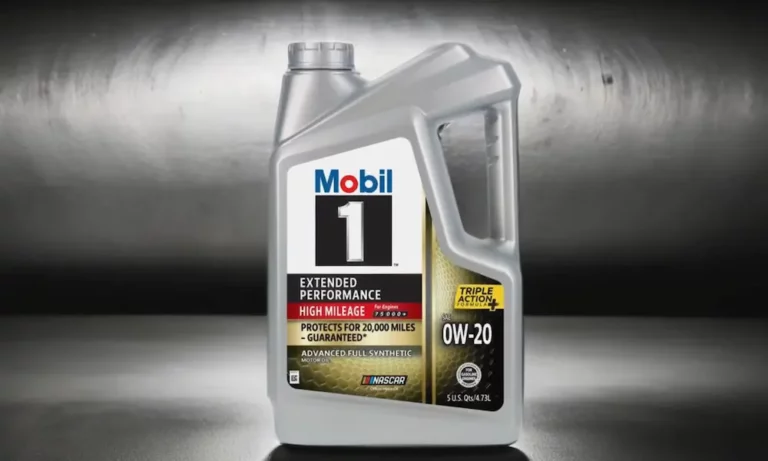
Got a car pushing past 75,000 miles? You’ve probably seen those bottles of high mileage oil at the auto parts store and wondered if they’re legit or just marketing hype. Here’s the straight answer: it depends on what’s happening under your hood, not what your odometer says. Let’s break down when you actually need it and when you’re just throwing money away.
What Makes High Mileage Oil Different
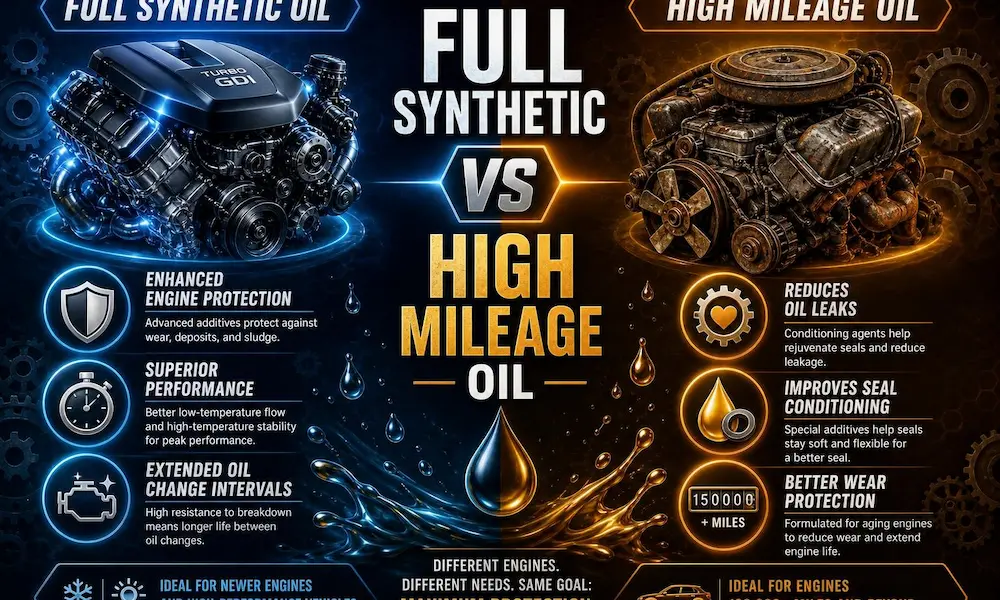
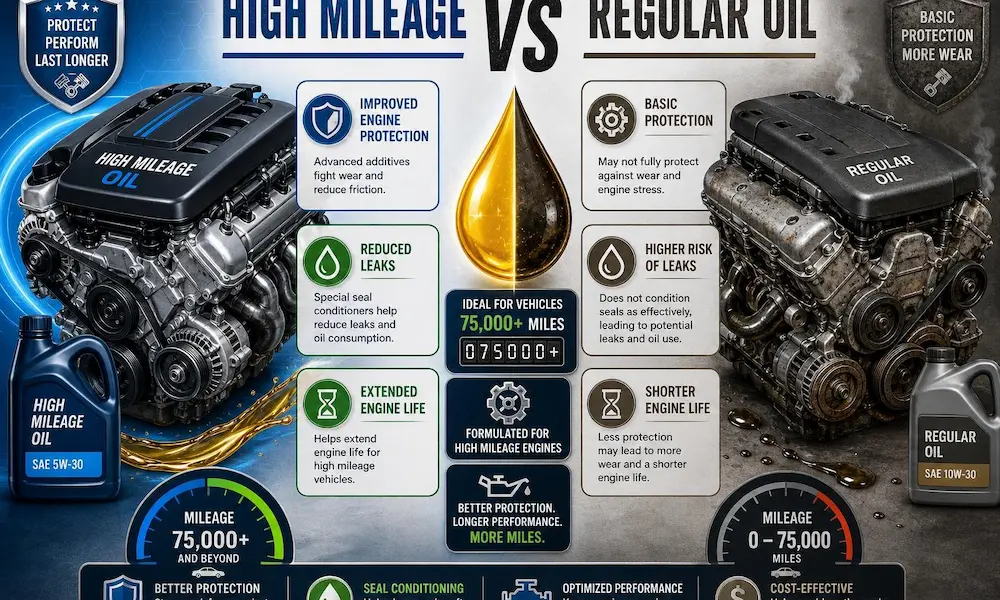
High mileage oil isn’t magic—it’s chemistry. The biggest difference? These formulations pack 2.5% seal conditioners compared to just 0.3-0.5% in regular oils. That’s a massive jump.
These seal conditioners make your engine’s aging gaskets and seals swell slightly. Before you panic, that’s a good thing. Older seals shrink and harden over time, which causes leaks. The conditioners help reverse that process.
You’ll also find beefed-up detergent systems (12% versus 7.5-8% in standard oils) designed to tackle sludge without dislodging big chunks that could block oil passages. Plus, there’s extra anti-wear compounds like ZDDP—1.2% compared to 0.6-0.8% in regular formulations.
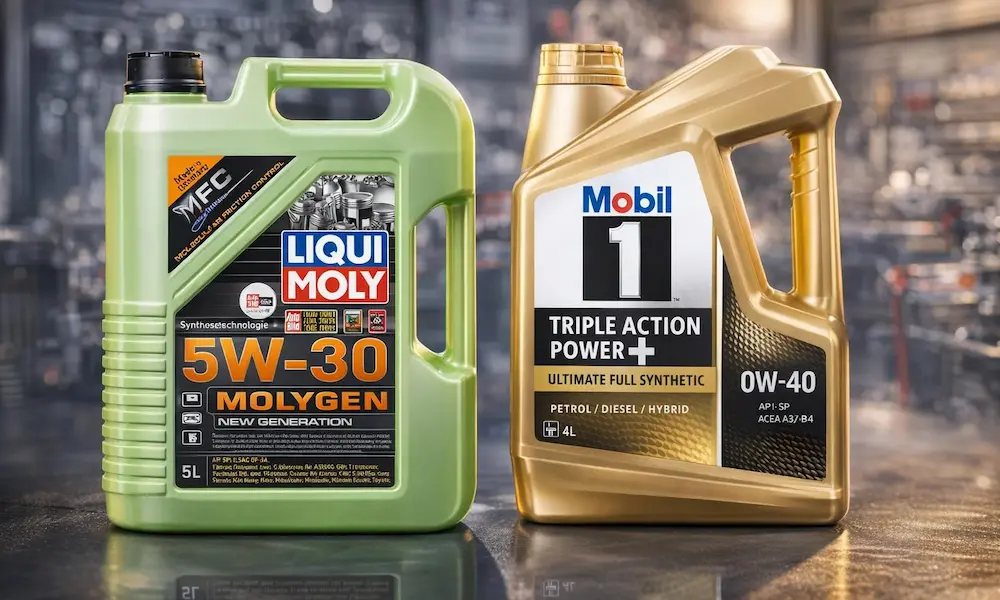
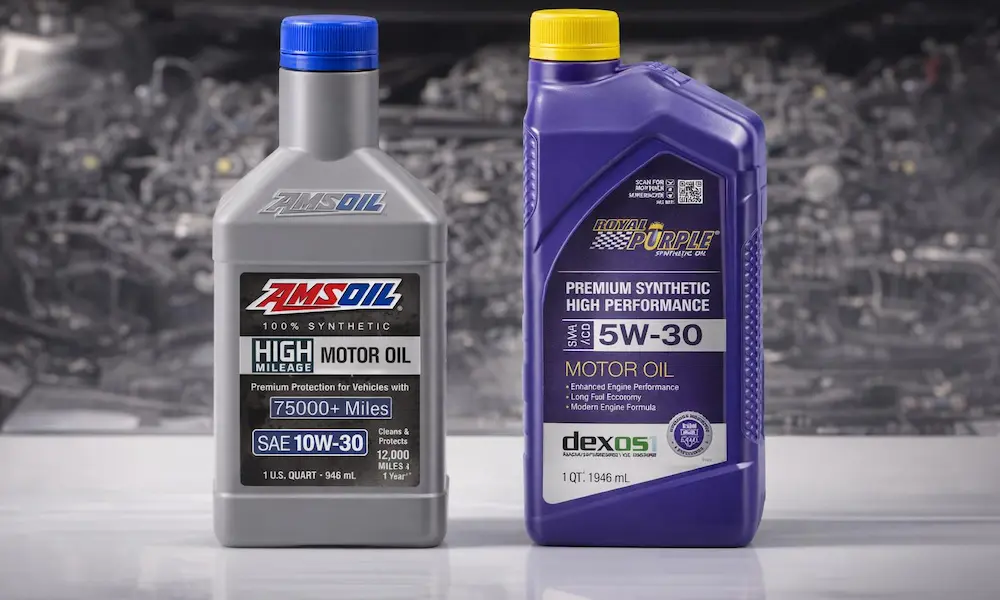
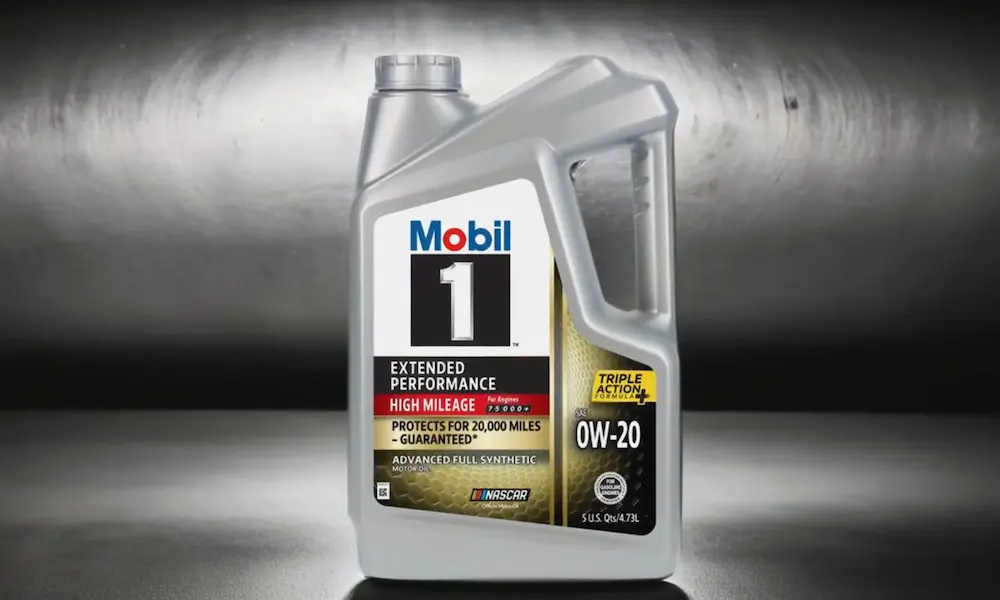
The base oil can vary wildly. Budget options use conventional bases, while premium brands like Mobil 1 High Mileage and Valvoline MaxLife often go with synthetic blends or full synthetics. That’s why prices range from $35 to $75 per container.
Does It Actually Work? What the Research Says
Here’s where things get interesting. The AAA tested synthetic versus conventional oils and found synthetic formulations outperformed conventional by 47% across multiple metrics. That’s huge—but the catch is they weren’t specifically testing high mileage formulas.
Independent research on high mileage oils? Surprisingly limited. Most “proof” comes from manufacturer testing, which—let’s be honest—has some bias baked in.
Mobil 1 claims their high mileage formula reduces oil leaks by up to 17% in engines with worn gaskets. Valvoline reports better seal flexibility. But real-world results from drivers and mechanics are mixed.
Some folks see noticeable improvements in oil consumption and fewer drips on their garage floor. Others? No difference whatsoever. Your results depend heavily on your engine’s specific condition and maintenance history.
The Money Question: Does It Pay Off?
High mileage oil costs about $15-20 more per change than conventional. That’s an extra $60-80 annually if you’re doing four oil changes a year.
Compared to full synthetic? You’re looking at just $5-15 more per change, which honestly isn’t much of a premium.
Here’s how the math works in your favor: if you’re burning a quart of oil every 1,000 miles and high mileage oil cuts that to one quart every 2,000 miles, you’ll save $24-30 yearly on makeup oil. Not earth-shattering, but it helps offset the cost.
The real payoff? Avoiding one major seal repair. Oil leak fixes typically run $200-800. If high mileage oil prevents or delays that work, it’s paid for itself many times over.
With the average vehicle age hitting 12.8 years, you’re probably planning to keep your car around for a while. The cumulative benefits over 3-5 years can justify the premium—if you’re actually getting those benefits.
When You Should Make the Switch
Don’t just blindly switch at 75,000 miles. That’s an arbitrary number oil companies love to push. Instead, watch for these specific symptoms:
Minor oil leaks around valve covers, the oil pan, or rear main seal. We’re talking small seepage, not major drips that leave dinner-plate-sized spots.
Increased oil consumption where you’re adding half to one quart between changes. If you’re topping off regularly, high mileage oil might help.
Blue exhaust smoke at startup or when you accelerate. That’s oil burning in the combustion chamber—a classic sign of seal wear.
Engine noise that wasn’t there before. Valve train chatter or tappet noise often means clearances are opening up.
Oil staining under your car after it sits overnight. Not puddles—just persistent spots.
If you’ve got these issues at 75,000+ miles, high mileage oil makes sense. No symptoms? You’re probably fine with regular oil regardless of mileage.
Driving Habits Matter More Than You Think
Severe driving accelerates seal aging faster than the odometer suggests. Stop-and-go traffic, extreme temperatures, towing, and skipped oil changes all beat up your engine.
If that sounds like your driving life, consider high mileage oil at 60,000-75,000 miles rather than waiting longer.
On the flip side, highway-driven vehicles that see regular maintenance might not need it until 120,000-150,000 miles. I’ve seen well-maintained highway cars run conventional oil well past 100,000 miles without issues.
The takeaway? Assess your actual engine condition, not just the numbers on your dashboard.
Comparing the Top Brands
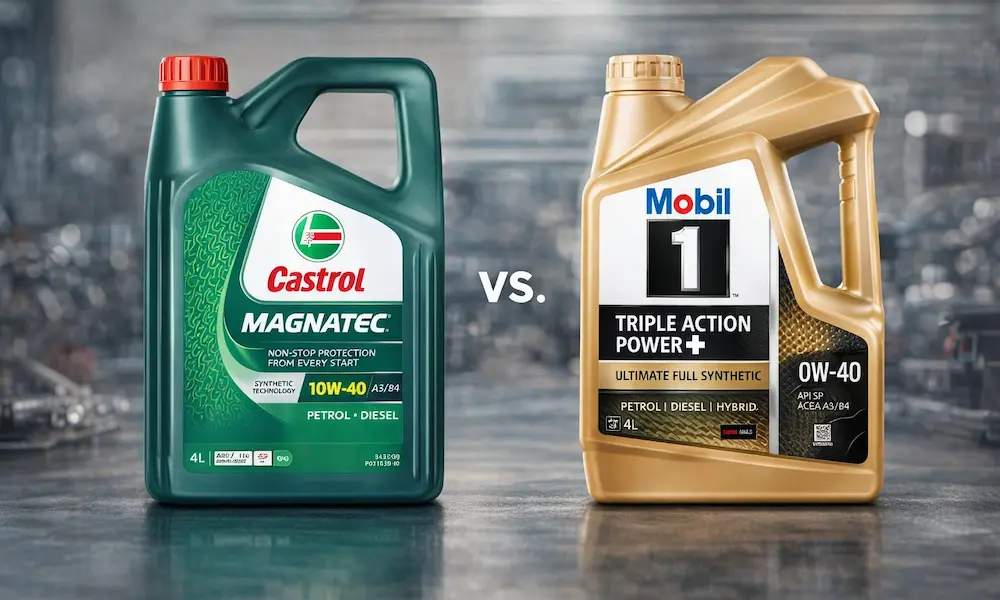
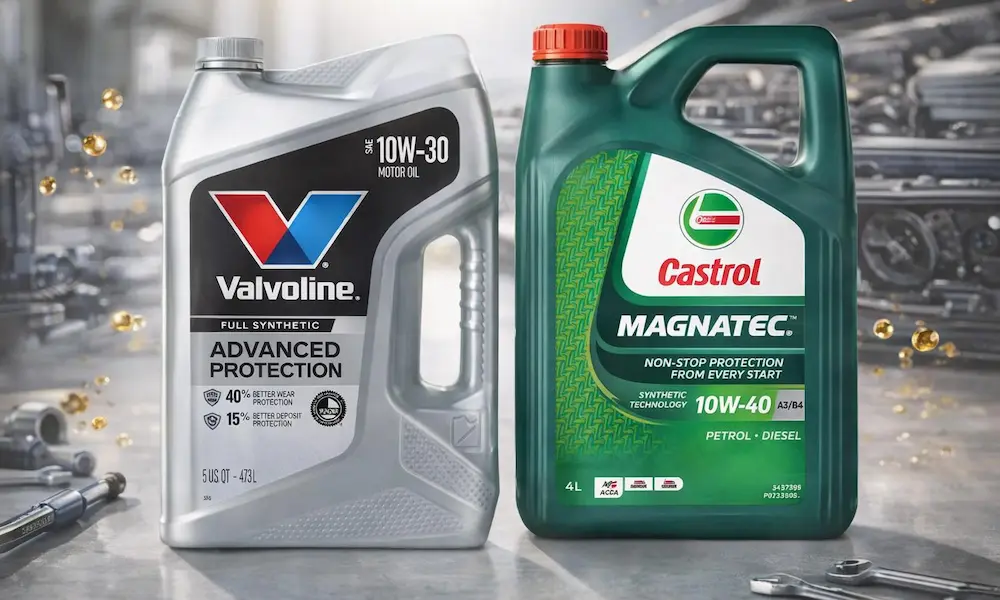
Valvoline MaxLife consistently ranks as the best overall value. It’s a synthetic blend with solid seal conditioning and cleaning additives, priced in the sweet spot at $35-45 per container. Most mechanics I’ve talked to recommend it first.
Mobil 1 High Mileage is the premium choice—full synthetic with advanced additives. You’ll pay $55-75, but you get superior high-temperature protection and can potentially extend drain intervals. Worth it if you’re planning to keep the car long-term.
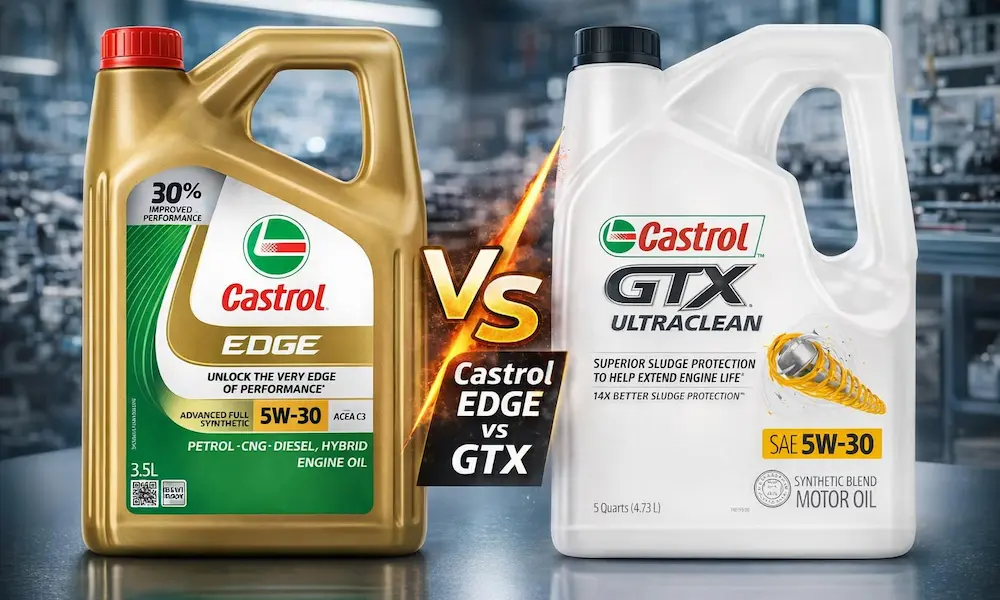
Castrol GTX High Mileage serves budget-conscious drivers well. At $30-40, it’s affordable while still delivering the core benefits. It’s conventional oil, so don’t expect synthetic performance, but it gets the job done.
Which Viscosity Should You Use?
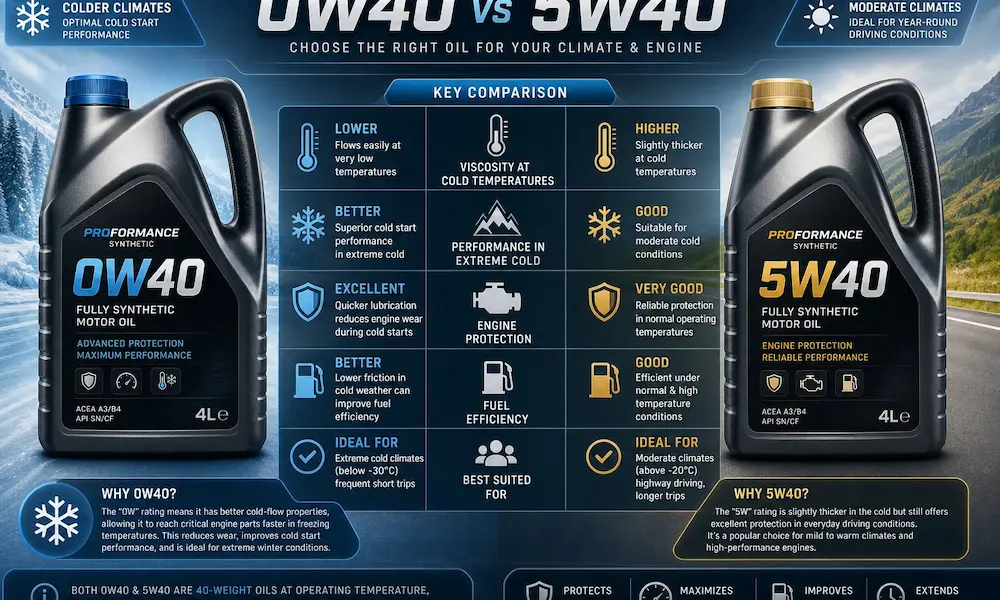
Higher viscosity grades (10W-30, 10W-40) help compensate for increased internal clearances in worn engines. But don’t go rogue—stick close to your manufacturer’s specs and consider your climate.
Many high mileage oils are formulated slightly thicker within their viscosity range without violating specifications. That extra cushion can improve sealing without causing cold-start issues.
| Brand | Type | Price Range | Best For |
|---|---|---|---|
| Valvoline MaxLife | Synthetic Blend | $35-45 | Best overall value, balanced performance |
| Mobil 1 High Mileage | Full Synthetic | $55-75 | Maximum protection, extended intervals |
| Castrol GTX High Mileage | Conventional | $30-40 | Budget-friendly, basic protection |
When High Mileage Oil Backfires
Using high mileage oil too early can actually create problems. Those seal conditioners designed for hardened, aged seals? They can make healthy seals over-swell, causing leaks where none existed before.
This is especially risky for vehicles under 100,000 miles with healthy seals. And if you’re still under warranty, using non-specified oils could void coverage—check your manual first.
The enhanced detergents can also cause temporary headaches in severely neglected engines. When switching to high mileage oil, those cleaning agents might dislodge accumulated sludge. Usually that’s good, but occasionally it blocks oil passages or temporarily increases consumption.
If you’ve neglected oil changes for years, switching to high mileage oil requires caution. Consider doing a couple shorter oil change intervals during the transition.
What High Mileage Oil Can’t Fix
Let’s get real: high mileage oil isn’t a miracle cure. It won’t fix worn piston rings, scored cylinder walls, or failed valve seals.
Burning more than one quart per 1,000 miles? That’s mechanical damage, not something additives can address. Same with significant compression loss or serious internal noise.
At that point, you need a mechanic, not better oil. High mileage formulas work best as preventive maintenance for engines showing early wear—not as band-aids for major problems.
What Mechanics Actually Recommend
Most experienced mechanics support high mileage oil for the right applications but warn against unrealistic expectations. The consensus? It works best preventively when you’re seeing early symptoms, not as a fix for advanced wear.
Shops report positive feedback when it’s properly applied—fewer complaints about minor leaks and oil consumption. But they caution against believing the marketing hype.
The universal truth every mechanic emphasizes? Regular maintenance with any quality oil beats sporadic changes with premium oil every time. Don’t skip oil changes and expect high mileage formulas to save you.
The Smart Way to Switch
Don’t make a sudden change at exactly 75,000 miles. Monitor your vehicle for actual symptoms first.
When you do switch, keep your manufacturer’s recommended change intervals. The cleaning agents need time to work, and extended drain intervals aren’t recommended during transition.
Give it two or three oil changes to see results. Some improvements (like reduced oil consumption) happen gradually, not overnight.
The Market’s Getting Bigger
The high mileage oil market is exploding—projected to hit $5.2 billion by 2033. That’s 5.2% annual growth driven by our aging vehicle fleet.
With approximately 72% of vehicles on the road having over 75,000 miles, oil companies see a massive opportunity. Expect more products, more marketing, and more confusion.
Research into nanoparticle additives and advanced seal technology continues. Synthetic ester base stocks are becoming more common, addressing both performance and environmental concerns.
The trend toward biodegradable components is accelerating too, driven by regulations and consumer demand. These developments might eventually justify premium pricing through genuine performance improvements.
Making the Right Choice for Your Car
Is high mileage oil worth it? Yes—if your engine shows specific symptoms like minor leaks, increased oil consumption, or seal deterioration. The specialized additives directly address these problems, making the $60-80 annual premium a smart investment.
Not worth it? For well-maintained vehicles without wear symptoms, even at high mileage. Also pointless for severely worn engines that need mechanical repair, not better oil.
The key is matching the product to your actual needs. Got a 90,000-mile car that runs perfectly and doesn’t leak or burn oil? Regular synthetic probably makes more sense.
But if you’re seeing those telltale signs of aging—a few drops here, an extra quart there—high mileage oil can genuinely extend your engine’s life and delay expensive repairs.
Check your engine’s actual condition, not just the odometer. Look under your car for leaks. Monitor your oil level between changes. Notice any new noises or smoke.
Those observations tell you everything you need to know about whether high mileage oil is worth the premium. For millions of drivers keeping their cars longer, it’s a cost-effective tool when properly applied—just not the universal solution oil companies want you to believe it is.