You’re standing at the pump, wallet in hand, wondering if you’re making the right choice. Should you drive an extra mile to that other station? Does it even matter? Here’s the straight answer: yes, it matters—but not for the reasons you think. Let’s break down what actually makes gas “good” and where you’ll find it.
The Quality vs. Experience Divide: Why Your Favorite Station Might Be Wrong
Here’s the uncomfortable truth: the gas stations you love probably aren’t selling the best gas.
Consumer polls consistently crown brands like Kwik Trip, Casey’s, and Wawa as America’s favorite gas stations. They’ve earned it with clean bathrooms, fresh pizza, and friendly service. But when you check the list of TOP TIER™ certified brands—the only industry-backed standard for fuel quality—these fan favorites are conspicuously absent.
The market split is real. Some brands invest in kitchens and coffee bars. Others invest in advanced fuel additives that actually protect your engine. Very few do both.
QuikTrip is the rare exception. It ranks at the top for customer service and carries TOP TIER™ certification. If you’ve got a QT nearby, you’ve hit the jackpot.
What Makes Gas “Good”? It’s Not What You Think
When you ask what gas station has the best gas, you’re really asking three different questions.
First: Fuel Quality (The Invisible Factor)
Quality isn’t about octane numbers. It’s about the additive package blended into the fuel at the loading rack. Specifically, it’s about detergents—the chemicals that prevent carbon deposits from gunking up your fuel injectors, intake valves, and combustion chambers.
The EPA sets a minimum detergent standard. It’s woefully inadequate. That’s why automakers like GM, Toyota, Ford, Honda, and BMW created the TOP TIER™ standard—a higher bar that actually protects modern engines.
Second: Octane Rating (The Misunderstood Number)
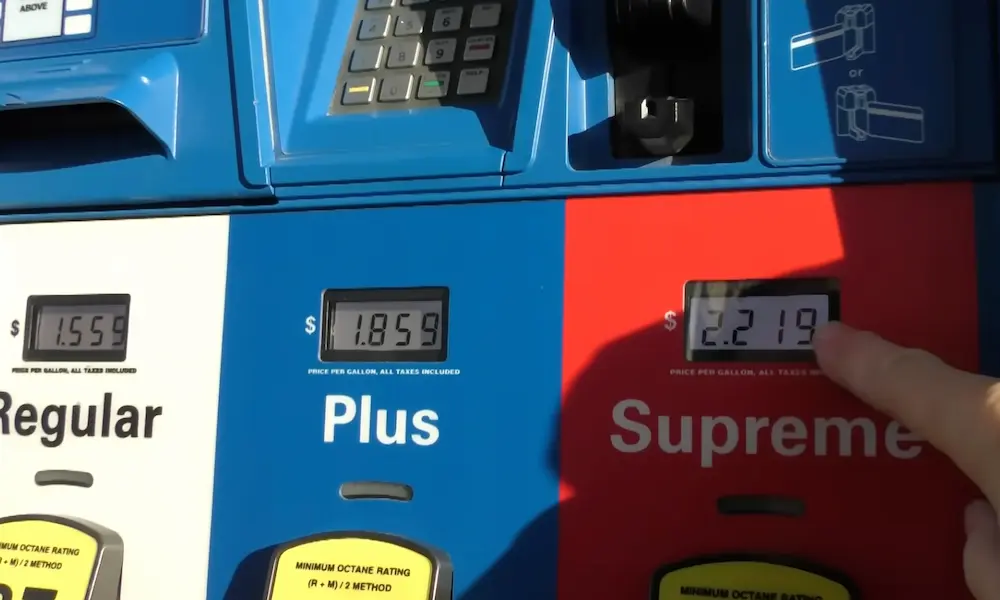
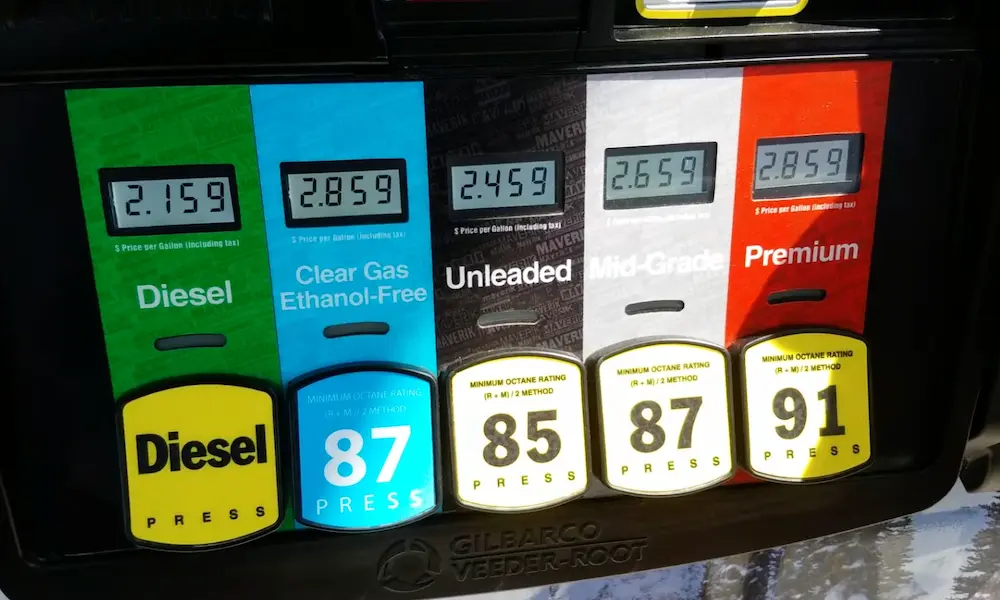
Those big numbers on the pump—87, 89, 93—measure knock resistance, not quality. High-octane fuel doesn’t clean better, burn cleaner, or add power unless your engine specifically requires it. AAA testing confirmed that using premium in a regular-grade engine provides zero benefit to horsepower, fuel economy, or emissions.
Third: Customer Experience (What Most People Actually Choose)
Location, price, clean restrooms, good coffee—these drive 75% of consumer decisions. Only 12% of drivers choose a station based on fuel quality. We’re six times more likely to pick based on price than what’s actually good for our cars.
That’s the market’s dirty secret.
The TOP TIER™ Standard: Your Only Reliable Quality Metric
You can’t see fuel quality. You can’t smell it. You need an objective standard, and TOP TIER™ is it.
Why Automakers Created Their Own Standard
TOP TIER™ isn’t a fuel company marketing gimmick. It’s a performance standard developed by a consortium of 12 major automakers. They got tired of seeing their customers’ engines develop problems from deposit buildup. The EPA’s 1996 minimum detergent requirement wasn’t cutting it for modern, high-tolerance engines.
So they set a higher bar. Gas stations voluntarily join the program and agree to use approved additive packages at specified concentrations in all grades—regular, mid-grade, and premium.
What The Testing Actually Shows
AAA commissioned independent lab tests comparing TOP TIER™ fuels to non-certified brands. The results were stark:
After just 4,000 miles of simulated driving, non-TOP TIER™ gas caused 19 times more carbon deposits than certified brands. The average deposit mass for non-certified fuel was 660.6 milligrams per valve. For TOP TIER™ fuel? Just 34.1 milligrams—a 95% reduction.
The cost difference? An average of three cents per gallon.
Three cents buys you 19 times less engine gunk. That’s not marketing—that’s documented laboratory data.
The Restoration Effect
Switch to TOP TIER™ fuel and you’re not just preventing future deposits. The enhanced detergents actively clean existing buildup. AAA tested a high-mileage engine caked with carbon from years of cheap gas. After 1,000 miles on TOP TIER™ fuel, researchers found that a “significant amount of residue had cleared.”
Your engine can recover. You don’t need an expensive fuel system service—just start using better gas.
The 2025 Game Changer: TOP TIER PLUS™ for Modern Engines
If your car was built in the last 10-15 years, there’s a new standard you need to know about.
The GDI Problem
Most new vehicles use Gasoline Direct Injection (GDI) engines for better fuel economy and performance. But GDI creates a new engineering challenge.
In traditional engines, fuel sprays onto the back of intake valves before entering the combustion chamber. This constantly washes the valves with detergent-laden gasoline, keeping them clean.
In GDI engines, fuel injects directly into the combustion chamber, bypassing the valves entirely. No washing effect. Valves get filthy. Worse, the injectors themselves now sit inside the high-heat combustion chamber where new types of deposits can clog them.
The New Gold Standard
In late 2024, the TOP TIER™ program announced TOP TIER PLUS™—an enhanced standard specifically engineered for GDI engines. It includes a new test that ensures fuel additives can prevent and remove deposits from GDI injectors living in that harsh environment.
This is the new definition of “best gas” for modern vehicles. Brands have a two-year transition period to adopt it. During 2025 and 2026, you’ll see both the standard TOP TIER™ logo and the new TOP TIER PLUS™ logo at pumps.
Look for the Plus.
Which Gas Stations Actually Sell TOP TIER™ Fuel?
Here’s where the rubber meets the road. Not all gas is created equal because not all brands use the same additives.
How Fuel Gets Differentiated
Base gasoline is a commodity. Different brands often pull from the same storage tanks at distribution terminals. A Shell truck, a Costco truck, and an unbranded station’s truck might all fill up from the same base fuel.
The difference happens at the loading rack. As each truck fills, the brand’s proprietary additive package gets blended in. Shell gets Shell additives. Costco gets Kirkland Signature additives. The off-brand station gets only the bare-minimum EPA-required package.
The brand name is your only guarantee of what’s actually in the fuel.
The Complete List of TOP TIER™ Certified Brands
These are the stations that meet the automaker-backed quality standard. This isn’t a short list of premium brands—it includes value players like Costco and regional chains:
| National Brands | Regional/Warehouse | Specialty/Tribal |
|---|---|---|
| Chevron, Texaco | Costco (Kirkland Signature) | HFN – Hawaii Fueling Network |
| Shell, Shell V-Power | QuikTrip (QT) | Pechanga Gas Station |
| Exxon, Mobil | Meijer, Meijer Express | Morongo Travel Center |
| 76, ARCO | Holiday Oil | Viejas Pit Stop |
| BP (in select markets) | Cenex | Tulalip Market |
| Marathon | Road Ranger | Shelee’s Travel Center |
| Valero | Rutter’s | Yokut Gas Station |
| Sunoco | CountryMark | Torres Martinez Travel Center |
| Phillips 66, Conoco | Simonson Station Stores | Eagle Feather Trading Post |
| Sinclair, Diamond Shamrock | Hy-Vee (select locations) | Wintun Mini Mart |
| CITGO | Shivwits Fuel Station |
Want to find one near you? Use the TOP TIER™ Station Finder app. It’s free and shows you certified stations in real-time.
The Major Players: What’s Actually In Their Fuel?
Within the TOP TIER™ club, major brands compete on their additive packages. Here’s what you’re getting.
Chevron: The Techron Standard
Chevron built its reputation on Techron, an additive package centered around Polyether Amine (PEA)—widely considered the most effective detergent for cleaning carbon deposits. Techron is designed to clean fuel injectors, intake valves, and combustion chambers.
Chevron also sells bottled Techron as a standalone cleaner. Same core chemical. If it works in a bottle, it works at the pump—and it’s already in their gas.
Shell: The V-Power NiTRO+ Premium
Shell makes bold claims, especially for its premium-grade V-Power NiTRO+. Shell says it removes “up to 100% of performance-robbing deposits” from injectors and contains “six times the cleaning agents as federal standards require.”
Shell goes beyond cleaning. Its formulation targets four threats: deposits, wear, corrosion, and friction. The inclusion of friction modifiers positions Shell’s premium fuel as a likely early adopter of the new TOP TIER PLUS™ standard.
Exxon/Mobil: Synergy Supreme+
ExxonMobil’s Synergy additive package powers both Exxon and Mobil stations. Its premium fuel, Synergy Supreme+, claims to keep engines “2X cleaner” and “reduce wear by 30%” thanks to friction modifiers. Like Shell, Exxon specifically mentions protection for GDI injectors.
Costco: Quality Without the Premium
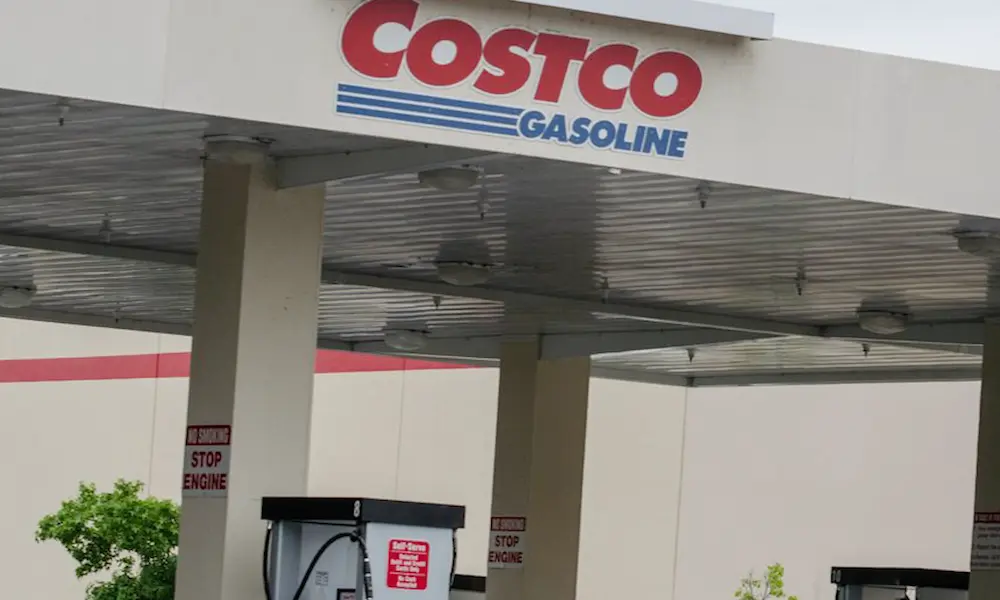
Costco’s Kirkland Signature gasoline is fully TOP TIER™ certified. You get the same enhanced detergent protection as Shell or Chevron, but at Costco’s rock-bottom prices. For the informed, value-conscious driver, Costco is a no-brainer.
The Stations You Love (But Probably Shouldn’t)
Let’s address the elephant in the room. The stations that win consumer polls aren’t on the quality list.
Kwik Trip: Six-Time “Best” Winner, Not TOP TIER™
Kwik Trip has won USA Today’s “Best Gas Station Brand” award six years running. Customers love its cleanliness, helpful staff, and fresh-baked goods. But when you check the official TOP TIER™ list, Kwik Trip isn’t there.
Its website talks about a “quality gasoline guarantee” but conspicuously avoids mentioning TOP TIER™ certification. Reddit users note it used to be certified but dropped out of the program.
Casey’s, Wawa, Sheetz: Great Stores, Basic Gas
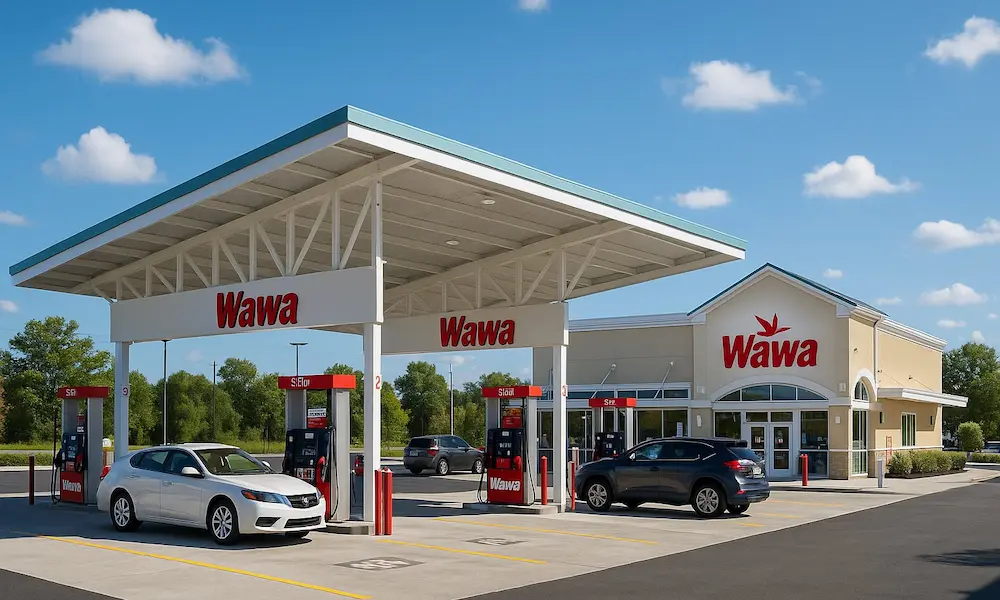
Casey’s ranks #2 for customer experience. Wawa and Sheetz are beloved regional icons. None are TOP TIER™ certified.
These brands made a calculated business decision. They invested in food service, store design, and customer experience instead of premium fuel additives. It works—customers keep coming back. But your engine pays the price.
What This Means For You
If you’re loyal to a non-certified brand, you’re not getting the level of deposit protection automakers recommend. Your engine is slowly accumulating carbon buildup that reduces fuel economy, increases emissions, and causes drivability issues.
The compromise: If you can’t or won’t switch stations, buy a bottle of PEA-based fuel system cleaner (like Chevron Techron) and run it through your tank every oil change. It won’t match the continuous protection of TOP TIER™ fuel, but it helps.
Stop Wasting Money on Premium (Unless Your Car Actually Needs It)
This is the most expensive mistake drivers make. They think “premium” means “premium quality.” It doesn’t.
TOP TIER™ Certification Applies to All Grades
When a station is TOP TIER™ certified, the enhanced detergent package is in all octane grades—87, 89, and 93. You get full engine-cleaning benefits from regular 87-octane fuel.
You don’t need to “upgrade” to premium to get the good additives. They’re already in the cheap stuff.
What Premium Actually Buys
Octane measures knock resistance—the fuel’s ability to resist pre-ignition in high-compression engines. That’s it. Not cleanliness. Not power. Not efficiency.
AAA tested high-octane fuel in engines designed for regular. The results? No difference in horsepower. No difference in fuel economy. No difference in emissions.
The Federal Trade Commission is blunt: “In most cases, using a higher octane gasoline than your owner’s manual recommends offers absolutely no benefit.”
When Premium Actually Matters
Check your owner’s manual. If it says premium is “Required,” your engine needs it. These are typically high-performance, turbocharged, or high-compression engines. Using regular can cause knock and, over time, engine damage.
If it says premium is “Recommended,” your car can safely run on regular. The computer will adjust timing. You might lose a bit of power, but you won’t hurt anything.
For everyone else? Premium is a waste of money.
Your Action Plan: How to Buy the Best Gas
Let’s make this simple and actionable.
1. Prioritize Fuel Quality Over Everything
The “best gas” is any TOP TIER™ certified fuel. The AAA data showing a 19-fold reduction in deposits isn’t marketing fluff—it’s laboratory fact. At an average cost of just three cents more per gallon, it’s the highest-value decision you can make for your vehicle.
Action: Download the TOP TIER™ Station Finder and find certified stations on your regular routes.
2. Look for TOP TIER PLUS™ (The New Standard)
If you drive a car built after 2010, you probably have a GDI engine. The new TOP TIER PLUS™ standard is specifically designed to protect these modern engines from injector deposits.
Action: As of 2025, look for the “Plus” logo at the pump. Premium fuels from Shell and Exxon are likely early adopters.
3. Buy Regular at a Certified Station
Don’t waste money on premium unless your manual requires it. The smartest move is buying 87-octane regular from a TOP TIER™ station. You get maximum engine protection at minimum cost.
4. If You’re Stuck With a Non-Certified Station
Maybe your only convenient option isn’t certified. It happens.
Action: Buy a PEA-based fuel system cleaner every 3,000-5,000 miles. Chevron Techron Complete is widely available and effective. It’s not as good as consistent TOP TIER™ use, but it’s better than nothing.
5. QuikTrip Is the Best of Both Worlds
If you want a great customer experience and great fuel, QuikTrip delivers both. It’s TOP TIER™ certified and consistently ranks at the top for service and convenience. If you’ve got one nearby, use it.
The Bottom Line
What gas station has the best gas? Any station on the TOP TIER™ certified list. Shell, Chevron, Exxon, Costco, QuikTrip, Marathon—they all meet the same automaker-backed standard for deposit control.
The brands you love for their food and bathrooms probably aren’t on that list. That’s the market’s inconvenient truth. Quality fuel and quality experience rarely come from the same place.
Except at QuikTrip. And maybe that’s why it’s worth the extra mile.
Your engine can’t tell you what it needs, but the automakers who built it already have. Listen to them. Use TOP TIER™ fuel. Save your money on premium. And stop choosing gas stations based on pizza quality.
Your engine will thank you with better performance, better fuel economy, and a longer life. And you’ll know you’re not wasting money on overpriced octane or settling for the bare minimum just because the bathrooms are clean.