If you’ve spotted a Sinclair station with that friendly green dinosaur logo, you might wonder whether their gas is worth your money. Here’s the deal: Sinclair offers Top Tier certified fuel at competitive prices, making it a smart choice for most drivers. Let’s break down what makes their gas stand out and what you should watch for.
What Makes Sinclair Gas Different
Sinclair isn’t just another budget gas station cutting corners. They’ve earned Top Tier certification, which puts them in the same quality league as premium brands like Shell and Chevron.
Here’s what that actually means for your car. Top Tier certification requires significantly higher detergent additive concentrations than what the EPA mandates. These additives keep your engine clean, which sounds boring until you realize dirty engines waste fuel and cost more to maintain.
Sinclair uses something called DINOCARE technology in their fuel. It’s not marketing fluff—it’s their proprietary additive package that contains 2-3 times more detergents than minimum requirements. You get this enhanced formula whether you’re buying regular, mid-grade, or premium gas.
The Science Behind Top Tier Fuel Quality
The AAA conducted independent testing that should make you think twice about where you fill up. Their research found that non-Top Tier gasolines caused 19 times more engine deposits than Top Tier brands after just 4,000 miles of simulated driving.
The numbers are pretty stark. Top Tier gasoline averaged 34.1 mg of deposits per intake valve. Non-Top Tier fuels? A whopping 660.6 mg. That’s not a small difference—it’s the kind of buildup that affects how your engine runs.
What happens when deposits accumulate in your engine? You’ll notice:
- Fuel economy drops by 2-4%
- Rough idling and hesitation during acceleration
- Increased emissions (bad for the environment, bad for emissions tests)
- Higher maintenance costs down the road
The good news? Switching to Top Tier gasoline can reverse deposit formation after several thousand miles. Your engine isn’t permanently damaged by cheaper gas—it just needs better fuel to clean itself up.
How Sinclair Compares on Price
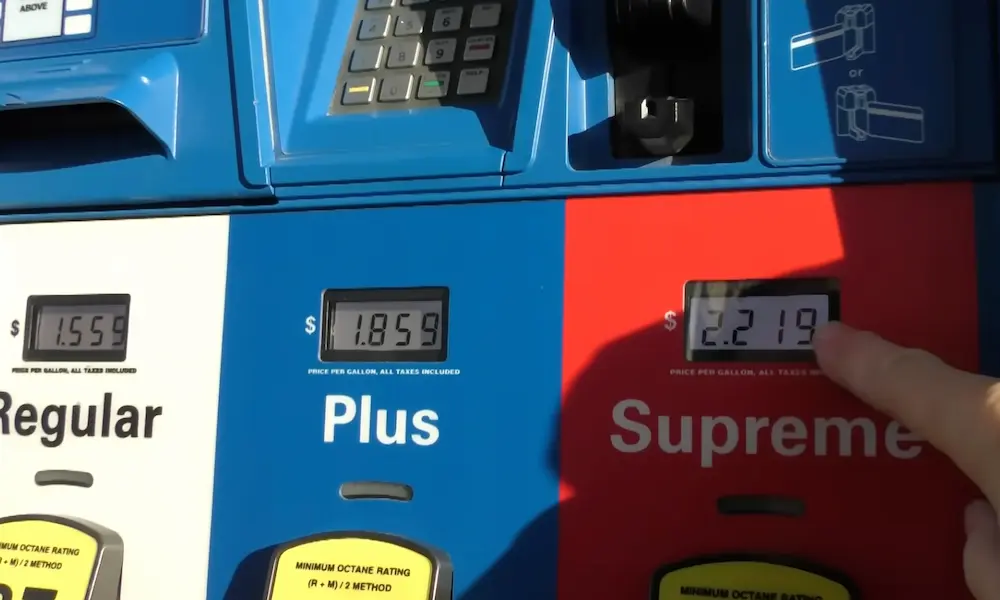
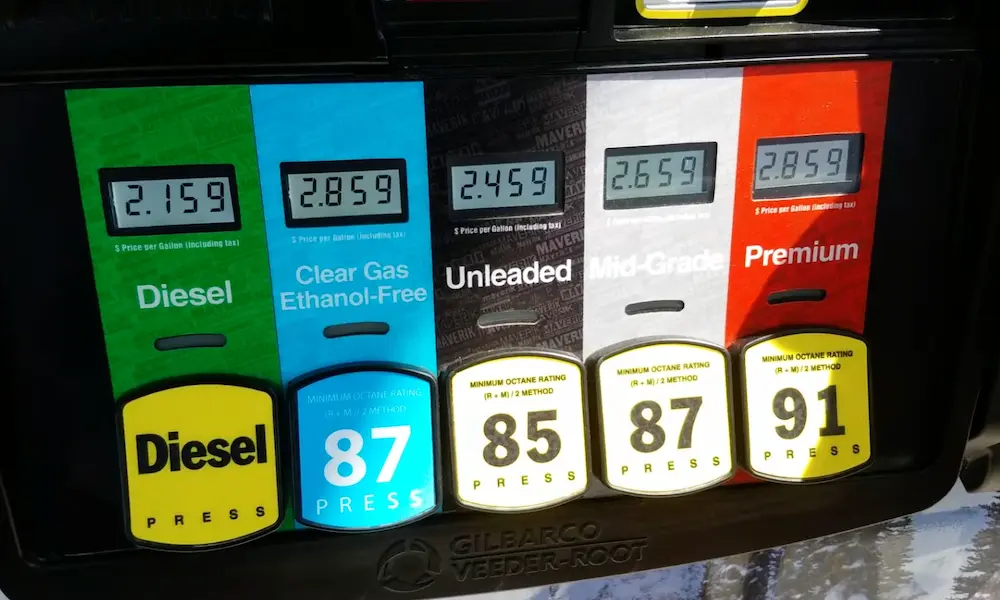
This is where Sinclair really shines. You’re getting Top Tier quality without the premium pricing that brands like Chevron charge.
Most Top Tier gasolines cost about 3 cents more per gallon than non-certified alternatives. Sinclair often eliminates even that small premium through competitive base pricing.
Their mobile app adds another layer of savings—typically $0.10 or more per gallon. If you’re filling up a 15-gallon tank weekly, that’s over $75 in savings per year. Not life-changing money, but enough to buy a nice dinner or two.
Real-World Performance: What Drivers Say
Customer experiences with Sinclair vary by region, but the overall picture is positive. The company consistently ranks among the highest customer satisfaction ratings for fuel retailers.
What Drivers Like
People appreciate that Sinclair doesn’t play games with pricing. You’re not paying extra for the same fuel quality major brands offer. The gas performs reliably across different vehicle types—from economy cars to turbocharged performance vehicles.
The mobile app discounts aren’t hidden behind complicated rewards programs. You download it, use it, save money. Simple.
Regional Quality Variations
Here’s something worth noting: During 2021-2022, Sinclair experienced temporary supply chain disruptions that affected Top Tier additive availability in certain markets. States like Arkansas, Kansas, Nebraska, and the Dakotas saw inconsistent additive packages during this period.
These issues have been resolved, but they highlight an important point: not all Sinclair stations are created equal. Station-specific maintenance standards vary depending on who owns the location.
Fuel Economy Considerations
Most drivers report no significant difference in MPG when switching to Sinclair from major brands. Some isolated reports suggest regional variations, but these likely reflect factors beyond the fuel itself.
Seasonal fuel formulations affect everyone, not just Sinclair customers. Winter blends contain approximately 5% less energy by volume, which means slightly worse fuel economy regardless of where you buy gas.
If you notice MPG variations between stations, consider:
- Local fuel sourcing differences
- How well individual stations maintain their storage tanks
- Your driving habits (city vs. highway, aggressive acceleration, etc.)
- Seasonal temperature changes affecting engine efficiency
Engine Type Compatibility
Sinclair’s enhanced additive package works well across different engine technologies:
Direct-injection engines benefit significantly from Top Tier detergent packages. These engines are prone to carbon buildup on intake valves, and higher detergent concentrations help prevent deposits from forming.
Turbocharged applications run effectively on Sinclair’s formulation. The consistent octane ratings and deposit control support the higher compression ratios these engines demand.
Older vehicles see benefits too. The AAA study found that Top Tier fuels can reduce emissions by 14% in older vehicles, which helps them pass emissions testing and run cleaner.
Environmental Impact
Sinclair produces Tier 3 gasoline, which reduces sulfur content from 30 PPM to 10 PPM average. This isn’t just good PR—it’s a meaningful environmental improvement.
Lower sulfur content reduces harmful emissions by up to 80% in newer vehicles and 14% in older ones. If you care about your environmental footprint, this matters.
The enhanced detergent package also contributes to cleaner combustion, which means fewer unburned hydrocarbons entering the atmosphere. Your catalytic converter works more efficiently when it’s not dealing with excess deposits.
Where You’ll Find Sinclair Stations
Sinclair operates over 1,500 locations across 29 states, with strongest presence in western and central regions. They own two refineries in Wyoming, which gives them quality control that many competitors lack.
This vertical integration matters. When you own the refineries and distribution network, you control fuel quality from production to pump. Brands that rely entirely on third-party refining can’t guarantee the same consistency.
Is Sinclair Gas Good for Your Car?
Let’s cut through the noise: Yes, Sinclair gas is good. It meets the same quality standards as premium brands, costs less, and provides measurable engine protection benefits.
You’re getting:
- Verified Top Tier certification with enhanced detergent additives
- Competitive pricing that often beats major brands
- Proven performance across diverse vehicle types
- Strong environmental standards with Tier 3 sulfur reduction
When to Choose Sinclair
Pick Sinclair when you want quality fuel without paying premium brand prices. It’s smart for daily drivers, performance vehicles, and everything in between.
The mobile app discounts make it especially appealing if you have stations along your regular routes. Why pay more for the same quality elsewhere?
When to Be Cautious
If you’re in a region that experienced recent supply chain issues, verify that your local Sinclair station carries Top Tier certified fuel. Most do now, but it’s worth confirming if you’re particular about fuel quality.
Station cleanliness and maintenance vary by owner. A poorly maintained station with old storage tanks can contaminate even the best fuel. Trust your instincts—if a station looks sketchy, find another one.
The Bottom Line on Sinclair Quality
Is Sinclair gas good? Absolutely. The combination of Top Tier certification, competitive pricing, and solid customer satisfaction makes it a recommended choice for most drivers.
You don’t need to overthink fuel selection. Major brands spend millions convincing you their gas is special, but the reality is simpler: Top Tier certification matters, and Sinclair has it. Everything else is marketing.
Save your money on gas and spend it on things that actually matter—like proper maintenance intervals, quality tires, and maybe that road trip you’ve been planning. Your car will thank you for the clean fuel, and your wallet will thank you for the savings.