You’re staring at Circle K’s lower prices, wondering if saving a few bucks per tank will cost you later. Smart thinking. Let’s cut through the marketing claims and get to what really matters: whether Circle K gas will keep your engine running strong or leave you with repair bills down the road.
The Top Tier Problem: Why Circle K Lost Its Premium Status
Here’s the deal: Circle K isn’t Top Tier certified anymore. They lost that badge in 2019 when they ended franchise relationships with Shell, Exxon, and Phillips 66.
Why does this matter? Top Tier gas contains way more detergent additives than the EPA requires. We’re talking about a significant difference in engine protection. AAA studies found that non-Top Tier fuels caused 19 times more engine deposits than Top Tier brands after just 4,000 miles of testing.
That’s not a small difference. That’s your fuel injectors getting gunked up nearly 20 times faster.
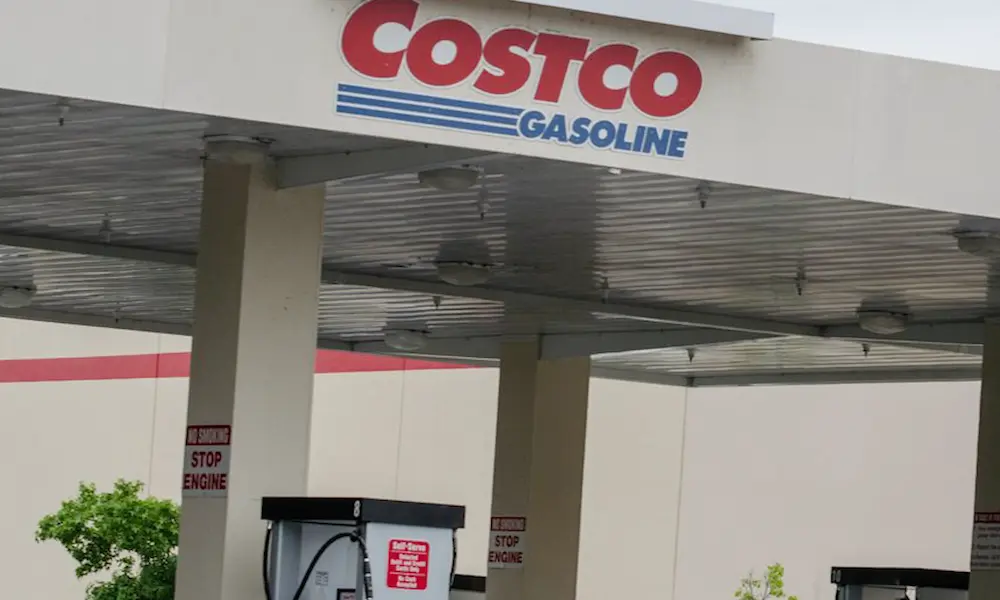
The Top Tier program was created by automakers like BMW, Honda, Toyota, Ford, and Mercedes-Benz. These companies don’t mess around with quality standards. They designed Top Tier specs because EPA minimums weren’t cutting it for modern engines. Currently, 55 brands meet Top Tier standards, including Shell, Chevron, Costco, and QuikTrip.
Circle K? Not on that list.
What You’re Actually Getting: Circle K’s Fuel Quality Breakdown
Standard Circle K Gas
Circle K’s regular gas meets EPA minimum requirements. That’s it. You’re getting the bare legal minimum of detergent additives. The company sources fuel from “responsible refineries and terminals” but won’t tell you which ones.
It’ll make your car run. But optimal performance? That’s another story.
Circle K Premium+ Fuel
Circle K’s Premium+ fuel contains 2x the EPA minimum cleaning detergents. The company claims it:
- Cleans engines while you drive
- Extends engine life
- Improves fuel economy
- Reduces emissions
- Protects against corrosion
Sounds great, right? But 2x the EPA minimum still doesn’t match Top Tier standards. It’s like saying you’re eating healthier because you had two vegetables instead of one. You’re still not hitting recommended daily values.
How Circle K Stacks Up Against the Competition
| Gas Brand | Top Tier Status | Detergent Level | Typical Price Difference |
|---|---|---|---|
| Circle K Regular | No | EPA Minimum | Baseline |
| Circle K Premium+ | No | 2x EPA Minimum | +$0.20-0.30/gal |
| Shell V-Power | Yes | Top Tier+ | +$0.03-0.10/gal |
| Chevron Techron | Yes | Top Tier+ | +$0.03-0.10/gal |
| Costco Gas | Yes | Top Tier | -$0.05-0.15/gal |
Notice something? Top Tier alternatives cost only about 3 cents more per gallon on average. You’re not saving much by choosing Circle K.
Recent Quality Control Issues You Should Know About
Circle K’s had some pretty serious problems lately. These aren’t minor hiccups.
Charleston Contamination (2025): Water seeped into underground storage tanks. The station had to close for tank cleaning. Water in your gas tank? That’s engine damage waiting to happen.
Phoenix Cross-Drop Disaster (2025): Diesel accidentally got delivered to gasoline tanks. Over 60 vehicles were damaged. The incident left drivers scrambling for repairs and compensation.
Ohio Mix-Up (2025): Another fuel cross-drop affected at least 14 vehicles. That’s two major fuel delivery mistakes in one year.
Circle K does offer a Quality Guaranteed program with a customer service line (1-855-276-1947). They promise reimbursement for verified fuel problems. But you know what’s better than dealing with reimbursement claims? Not having fuel problems in the first place.
Real-World Performance: What Drivers Actually Experience
The Fuel Economy Reality Check
Circle K claims their enhanced fuels improve fuel economy. Independent testing tells a different story.
In Ireland, Circle K’s miles+ fuel was tested against standard fuel. The result? An 8.98% increase in fuel consumption despite the 6.26% price premium. That’s the opposite of what Circle K promised.
What Car Owners Are Saying
Consumer experiences vary wildly:
The Good:
- Convenient locations make fill-ups easy
- Competitive pricing (when nothing goes wrong)
- Some drivers report years of trouble-free use
The Bad:
- Engine performance issues reported by multiple users
- Fuel pump mechanical failures at certain locations
- Customer service headaches during contamination incidents
One Reddit user who drives for Lyft noticed their car running rougher on Circle K gas. Another driver on NASIOC forums reported increased engine knock and reduced fuel economy by 1-1.5 MPG compared to Shell or Chevron.
These aren’t isolated complaints. They’re patterns.
How Circle K Gas Affects Different Engines
Modern Direct Injection Engines
Your newer car with direct injection is particularly vulnerable to deposit buildup. These engines spray fuel directly into the combustion chamber, bypassing the intake valves. Without fuel washing over the valves, detergents in your gas become your primary defense against carbon buildup.
Skimping on detergents means carbon deposits form faster. AAA testing found that non-Top Tier fuels can reduce fuel economy, increase emissions, and hurt vehicle performance, especially on newer vehicles.
Turbocharged and High-Performance Engines
Got a turbo? You need quality fuel even more.
Performance vehicle owners on forums consistently report issues with non-Top Tier gas:
- Increased engine knock
- Lower IAM (Ignition Advance Multiplier) values
- Reduced power output
- Worse fuel economy
Your turbo already works hard. Don’t make it work against carbon deposits too.
Standard Commuter Vehicles
If you’re driving a basic commuter car under warranty, Circle K won’t cause immediate damage. Your engine will run. You’ll get to work and back.
But over time? You’re playing the long game with deposit buildup. Think of it like eating fast food every day. You won’t keel over immediately, but your health will suffer eventually.
The Real Cost: Short-Term Savings vs. Long-Term Expenses
Let’s do some math. Say you save 7 cents per gallon using Circle K instead of a Top Tier brand. You fill up 15 gallons weekly.
Annual savings: About $54.60
Now consider potential costs from deposit buildup:
- Fuel injector cleaning: $50-$100
- Reduced fuel economy: 1-2 MPG loss costs you more than you saved
- Increased emissions (possible inspection failures): $100-$500
- Engine performance issues: Varies widely
You’re risking hundreds of dollars to save fifty bucks. That’s not smart math.
What the Regulations Actually Require
Circle K meets all EPA standards under 40 CFR Part 1090, including:
- Sulfur content limits (maximum 10 ppm)
- Benzene content restrictions (maximum 1.00% by volume)
- Reid Vapor Pressure standards for seasonal blends
- Renewable fuel standard compliance through ethanol blending
Meeting regulations means the gas is legal to sell. It doesn’t mean it’s optimal for your engine. There’s a huge difference between “won’t break the law” and “will protect your investment.”
Smart Strategies: Getting the Most from Your Fuel Budget
If You’re Stuck with Circle K
Sometimes you don’t have options. Remote areas, late-night emergencies, or limited station choices force your hand.
Here’s how to minimize damage:
Use Premium+ when available: The 2x detergents offer better protection than standard Circle K fuel. Yes, it costs more, but less than engine repairs.
Add fuel system cleaners periodically: Products with PEA (polyetheramine) help remove deposits. Use them every 3,000-5,000 miles if you regularly use non-Top Tier gas.
Alternate with Top Tier brands: Use Top Tier fuel every 2-3 fill-ups for cleaning benefits. This gives you some savings while maintaining engine health.
Better Alternatives at Similar Prices
You don’t need to break the bank for quality gas:
Costco: Top Tier certified and often cheaper than Circle K. Membership pays for itself if you fill up regularly.
QuikTrip: Top Tier gas at competitive prices. Known for excellent quality control.
Shell/Chevron during promotions: Watch for fuel rewards programs. You can get Top Tier gas at Circle K prices or better.
When Circle K Makes Sense
Circle K gas won’t immediately destroy your engine. It’s adequate for:
- Rental cars (not your problem long-term)
- Vehicles you’re selling soon
- Emergency fill-ups when nothing else is available
- Older, high-mileage vehicles already past their prime
For everything else? You deserve better.
The Bottom Line: Is Circle K Gas Good?
Circle K gas meets minimum standards. It’s legal, it’ll make your car run, and it won’t cause instant catastrophic failure.
But “good”? That depends on what you’re comparing it to and what you expect from your fuel.
Compared to Top Tier brands, Circle K falls short. You’re getting fewer detergents, less engine protection, and recent quality control issues don’t inspire confidence. The cost savings are minimal—often just a few cents per gallon.
Compared to absolute bottom-tier no-name stations? Circle K’s probably fine.
Here’s what you should know: Top Tier gasoline really is better for your car, according to AAA. The deposit difference is dramatic. The cost difference is negligible.
You’re spending thousands on car payments, insurance, and maintenance. Don’t cheap out on the one thing your engine consumes daily. The extra three cents per gallon for Top Tier fuel is the easiest money you’ll spend protecting your investment.
Circle K gas won’t kill your engine tomorrow. But it’s not doing it any favors either. Choose accordingly.