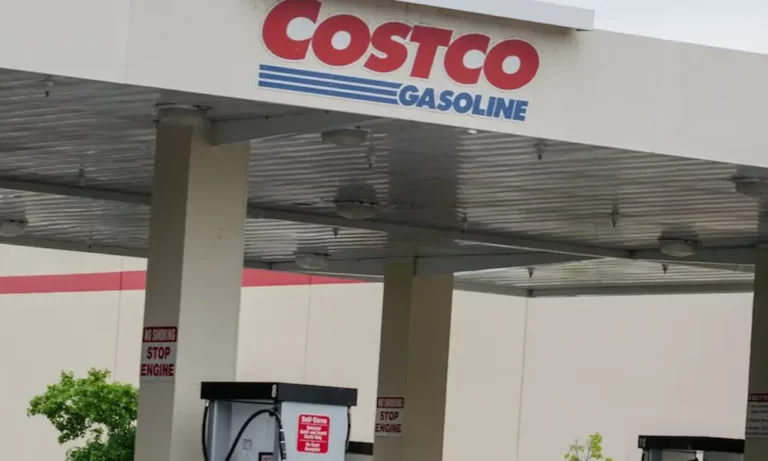
Ever wondered if that discounted gas at Costco is actually worth putting in your tank? You’ve probably heard mixed opinions from friends, mechanics, or even car forums about whether cheap gas means cheap quality. I’ve done the deep dive into research, testing data, and expert opinions to give you the full picture on Costco’s fuel quality and value.
What Makes Costco Gas Stand Out from Regular Gas Stations
Top Tier Certification Explained
Costco’s Kirkland Signature gasoline carries the prestigious Top Tier certification, a standard developed by major automakers including BMW, Toyota, GM, Honda, and Mercedes-Benz. This isn’t just a marketing gimmick – it’s a legitimate quality benchmark that goes beyond the basic requirements set by the EPA.
The Top Tier program started in 2004 when several automakers realized that the EPA’s minimum detergent requirements weren’t enough to keep modern engines running smoothly. These manufacturers knew that today’s engines needed better cleaning additives to prevent carbon buildup and maintain efficiency.
What makes Costco’s fuel special? It contains five times the EPA’s minimum detergent requirement in both regular and premium grades. These enhanced additives are specifically formulated to clean engines and help vehicles “run like new,” according to Costco’s official fuel promise.
What Car Manufacturers Say About It
Major car manufacturers explicitly recommend Top Tier gasoline in their owner’s manuals. General Motors has even issued technical service bulletins strongly recommending Top Tier detergent gasoline, noting that it contains 2-3 times more detergent than minimum requirements.
This extra cleaning power results in significantly lower intake valve deposits, which directly affects your car’s fuel economy, emissions, and performance. When manufacturers who build the engines make specific fuel recommendations, it’s worth paying attention.
Scientific Evidence of Costco Gas Quality
The Eye-Opening AAA Study Results
In 2016, AAA conducted a landmark study that tested both Top Tier and non-Top Tier gasolines under controlled laboratory conditions. The results weren’t just significant – they were stunning.
The study found that non-Top Tier gasolines caused 19 times more engine deposits than Top Tier brands (including Costco) after just 4,000 miles of simulated driving. In hard numbers, Top Tier gasolines averaged only 34.1 mg of deposits per intake valve, while non-Top Tier fuels averaged a whopping 660.6 mg.
This isn’t just theoretical – these deposits directly impact your car’s performance, fuel economy, and long-term durability. You can read the full AAA report for all the technical details.
Real-World Engine Cleaning Benefits
Beyond preventing new deposits, Top Tier gasoline can actually clean existing engine buildup. AAA’s research showed that gasolines with enhanced additive packages can achieve “clean-up performance” ranging from 45% to 72% reduction in intake valve deposits over 5,000 miles of use.
The research team even conducted borescope inspections on a high-mileage V-8 engine and documented visible cleaning of intake valves and ports after just 1,000 miles of Top Tier fuel use. This means even if you’ve been using lower-quality gas, switching to Costco fuel can actually reverse some of the damage.
Costco Gas Price vs. Quality: The Value Proposition
How Much You’ll Actually Save
Despite its superior quality, Costco gasoline typically costs 5 to 25 cents less per gallon than comparable fuels at traditional stations. This pricing advantage comes from Costco’s business model, which focuses on bringing customers into their warehouse stores rather than maximizing fuel profits.
AAA’s research found that Top Tier gasoline generally costs only about 3 cents more per gallon than non-Top Tier fuel. Since Costco already offers significant savings, members effectively get premium-quality fuel at or below the price of standard gasoline elsewhere.
Here’s a breakdown of typical savings:
| Fuel Type | Average Price/Gallon | Costco Price/Gallon | Potential Monthly Savings* |
|---|---|---|---|
| Regular | $3.50 | $3.25 | $12-$15 |
| Premium | $4.10 | $3.75 | $17-$21 |
*Based on average consumption of 60 gallons per month
Long-Term Savings on Your Vehicle
The economic benefits go far beyond pump prices. Using low-quality gasoline can reduce fuel economy by 2-4% due to carbon deposit accumulation. For a driver who uses 1,000 gallons annually, this represents 20-40 gallons of wasted fuel, easily wiping out any upfront savings from cheaper gas.
Carbon deposits can also cause:
- Reduced engine performance
- Increased emissions
- Potential check engine lights
- Expensive engine repairs down the road
The preventive benefits of quality fuel make Costco’s gasoline an excellent long-term investment for your vehicle.
How Costco Maintains Gas Quality
Rigorous Quality Control Measures
Costco implements stringent quality control measures at their fuel stations that exceed typical industry practices. Their maintenance protocols include:
- Advanced Filtration: Costco uses fuel filters designed to catch particles larger than 10 microns in diameter (for reference, human hair averages 70 microns thick)
- Flow Rate Monitoring: Attendants frequently check nozzle flow rates, changing filters when flow drops below 8 gallons per minute
- Specialized Equipment: Ethanol-compatible filters catch sediment, water, and phase-separated ethanol-water mixtures
- Continuous Monitoring: Electronic sensors continuously monitor underground storage tanks for water contamination
- Regular Testing: Physical inspections and chemical sampling occur at least weekly
These quality control measures help ensure that the fuel you pump is clean and contaminant-free.
The Benefit of High Volume Turnover
Costco gas stations experience exceptionally high fuel turnover due to their popularity and competitive pricing. This rapid turnover means fuel spends less time in underground tanks, reducing the likelihood of contamination or degradation that can occur with prolonged storage.
The consistent demand ensures that Costco maintains fresh fuel supplies from refineries. Think of it like a busy restaurant versus one that’s always empty – ingredients don’t sit around getting stale at Costco gas stations.
Addressing Common Concerns About Costco Gas
What About Those Bad Gas Stories?
While the overwhelming evidence supports Costco’s fuel quality, some consumers have reported isolated incidents of fuel problems. These rare occurrences appear to be exceptions rather than systemic issues, as evidenced by the lack of widespread complaints despite Costco’s massive fuel volume.
When fuel problems do occur, they often affect multiple customers simultaneously, suggesting contamination at the station level rather than inherent product quality issues. Costco’s quality control systems and high turnover rates make such incidents uncommon.
It’s worth noting that any gas station can occasionally have contamination issues – this isn’t unique to Costco or discount retailers. The difference is that Costco’s quality control systems tend to catch these problems quickly.
What Mechanics and Dealers Say
Some dealerships and mechanics have expressed reservations about discount gasoline, including Costco’s fuel. However, these opinions often lack scientific basis and may reflect outdated information or commercial interests.
The objective evidence from independent testing organizations like AAA contradicts these subjective assessments. Consumer Reports and major automotive manufacturers explicitly endorse Top Tier gasoline, including Costco’s fuel. This institutional support carries more weight than individual opinions that aren’t supported by empirical data.
Comparing Costco Gas to Premium Brands
Is There Really a Difference Between Brands?
Costco’s gasoline meets the same Top Tier standards as premium brands like Shell, Chevron, and Exxon. While these major brands may use proprietary additive formulations (such as Chevron’s Techron), all Top Tier fuels must meet identical performance specifications.
Here’s a little industry secret: the base gasoline often comes from the same refineries regardless of brand. What differentiates brands is their additive packages, and Costco’s enhanced formulation ensures comparable or superior performance to other Top Tier retailers.
What Luxury Car Owners Report
Numerous BMW, Mercedes, and other luxury vehicle owners report excellent experiences with Costco fuel. These vehicles often have sensitive fuel systems that would quickly reveal quality issues, yet users consistently report smooth operation and no performance problems.
Some consumers note slight fuel economy differences between brands, but these variations typically fall within normal measurement margins and may reflect local factors rather than inherent fuel quality differences.
Is Costco Gas Good for Your Specific Vehicle?
Regular vs. Premium Fuel Considerations
Costco offers both regular and premium fuel options, all meeting Top Tier standards. If your vehicle manufacturer recommends premium fuel, you should follow that guidance – and Costco’s premium offering provides the same quality at a lower price.
However, if your car only requires regular gas, there’s no benefit to paying more for premium. Costco’s regular gas still contains the enhanced additive package that provides all the cleaning and performance benefits.
Performance in High-Tech Modern Engines
Modern engines, especially those with direct injection technology, are particularly susceptible to carbon buildup. The higher detergent levels in Costco’s Top Tier gas help prevent these deposits, making it an excellent choice for newer vehicles.
Direct-injection engines spray fuel directly into the combustion chamber rather than into the intake ports. This improves efficiency but means fuel doesn’t wash over the intake valves to keep them clean. The enhanced detergents in Top Tier gas help compensate for this design characteristic.
Making the Most of Costco Gas
Best Practices for Filling Up
To maximize your Costco gas experience:
- Go during off-peak hours: Typically early mornings, late evenings, or midweek days
- Enter from the correct side: Lines move faster when everyone’s fuel door faces the pumps
- Have your membership card ready: Speed up the process by being prepared
- Use a credit card with gas rewards: Stack your savings with additional cashback
Is a Costco Membership Worth It Just for Gas?
For many drivers, the gas savings alone can justify the membership fee. Here’s a simple calculation:
- Annual Costco membership: $60 (basic Gold Star)
- Average savings: $0.20 per gallon
- Gallons needed to break even: 300 gallons (25 gallons per month)
If you use more than 25 gallons of gas per month (about one tank for many vehicles), the membership pays for itself just in fuel savings – and that’s before considering any other Costco shopping benefits.
Real-World Performance Data
Fuel Economy Impact
Using quality gasoline with proper detergent levels can improve fuel economy by 2-4% compared to gasoline with heavy carbon deposits. For a vehicle that gets 25 MPG, this can mean an improvement of 0.5-1 MPG.
While this might seem small, it adds up over time. On a 15-gallon tank, that’s an extra 7.5-15 miles per tankful. Over a year of driving, this can save you 30-60 gallons of fuel for the average driver.
Engine Longevity Effects
Quality fuel contributes to engine longevity in several ways:
- Reduced carbon buildup: Prevents power loss and potential misfires
- Better combustion: More complete fuel burning means less wear
- Cleaner fuel system: Prevents clogged injectors and sensors
- Fewer repairs: Reduces the likelihood of check engine lights and associated repairs
While it’s difficult to quantify exactly how many years these benefits add to your engine’s life, the preventive maintenance aspect is significant.
The Environmental Perspective
Emissions Benefits of Quality Fuel
Using Top Tier gasoline like Costco’s can also have environmental benefits. Clean engines produce fewer emissions than those with carbon buildup. AAA’s research found that engines running on non-Top Tier fuels produced 2-4% more emissions due to incomplete combustion.
For environmentally conscious drivers, using quality fuel is one small way to reduce your carbon footprint without paying more at the pump.
Expert Consensus on Costco Gas
The overwhelming scientific evidence, including AAA’s independent laboratory testing, demonstrates that Costco’s fuel provides superior engine protection compared to non-Top Tier alternatives. Major automakers’ endorsement of Top Tier gasoline further validates this conclusion.
For consumers seeking to balance quality and cost, Costco gasoline delivers premium fuel performance at discount prices. The company’s commitment to quality, backed by rigorous testing and quality control measures, ensures that members receive fuel that meets or exceeds industry standards.
While isolated incidents may occur at any fuel retailer, Costco’s track record, quality systems, and Top Tier certification provide strong assurance of consistent fuel quality. The economic benefits of using high-quality fuel, combined with Costco’s competitive pricing, make their gasoline an outstanding choice for vehicle owners prioritizing both performance and value.