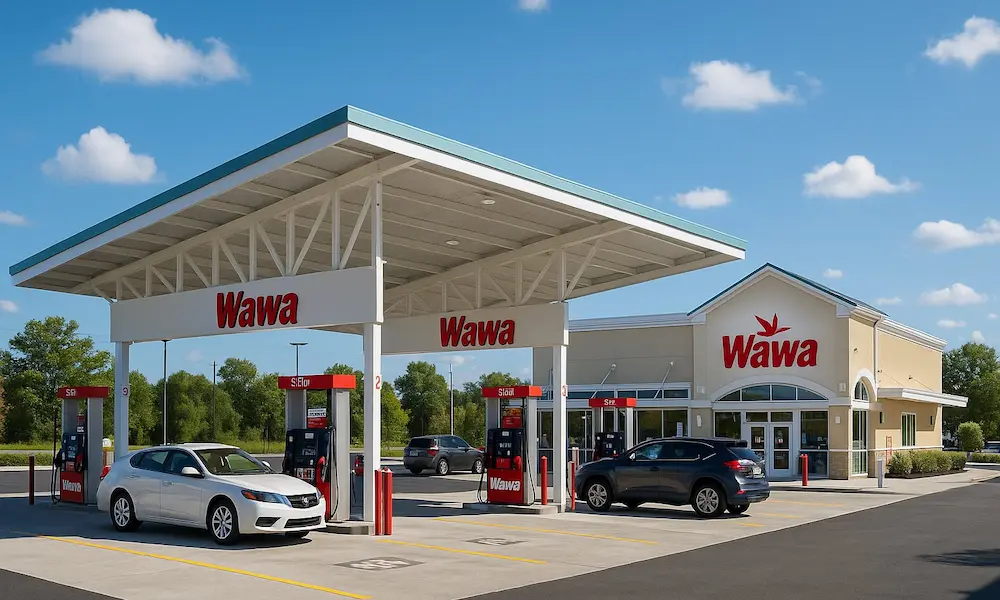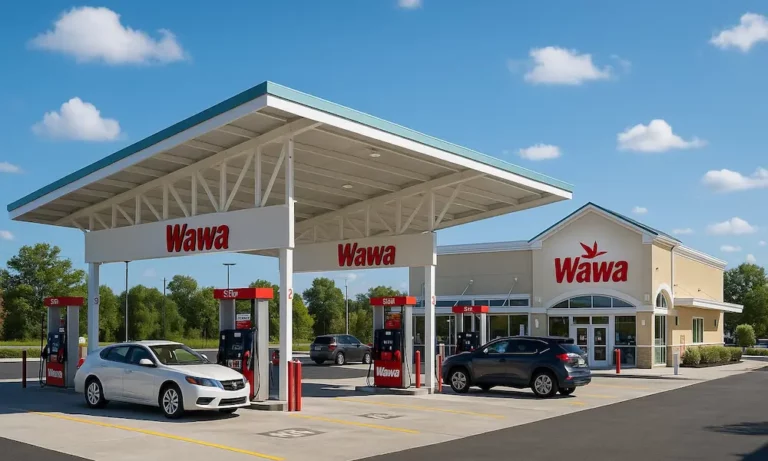
You’ve seen the hype. Wawa’s got the best hoagies, the cleanest stores, and lines out the door at 2 AM. But what about the gas? If you’re wondering whether Wawa’s fuel is worth pumping into your car—especially if you drive something newer or performance-oriented—you need the real story before you swipe that card.
What Makes Gas “Good” Anyway?
Here’s the deal: not all gas is created equal, even if it’s the same octane rating.
The difference comes down to what’s in the fuel beyond the base gasoline. We’re talking about detergent additives—the stuff that keeps your engine clean and running smoothly. Since 1996, the EPA has required all gas to contain a minimum amount of these additives, called the “Lowest Allowable Concentration” (LAC).
But here’s where it gets interesting. Auto manufacturers—Ford, GM, Toyota, Honda, BMW, Mercedes—looked at engines filled with EPA-minimum gas and said, “This isn’t cutting it.” They were seeing deposit buildup on fuel injectors, intake valves, and combustion chambers that hurt performance and fuel economy.
So in 2004, these automakers created the TOP TIER™ Detergent Gasoline program. It’s not a marketing gimmick. It’s a fuel performance standard written by the engineers who design your car. TOP TIER™ gas contains significantly higher concentrations of cleaning additives—sometimes 5-7 times the EPA minimum.
Think of it this way: EPA-minimum gas is like brushing your teeth once a week. TOP TIER™ is like brushing twice a day. Both technically meet “clean teeth” standards, but one’s going to leave you with way fewer problems down the road.
The Big Question: Is Wawa Gas TOP TIER™ Certified?
Nope. Not even close.
A look at the official TOP TIER™ licensed retailers list confirms Wawa doesn’t participate in the program. This isn’t because they can’t—it’s a choice.
Wawa’s a massive company with over 1,150 locations and $13 billion in revenue. They’ve got the resources and scale to meet this standard. But they’ve decided not to.
Meanwhile, check out who is on that list:
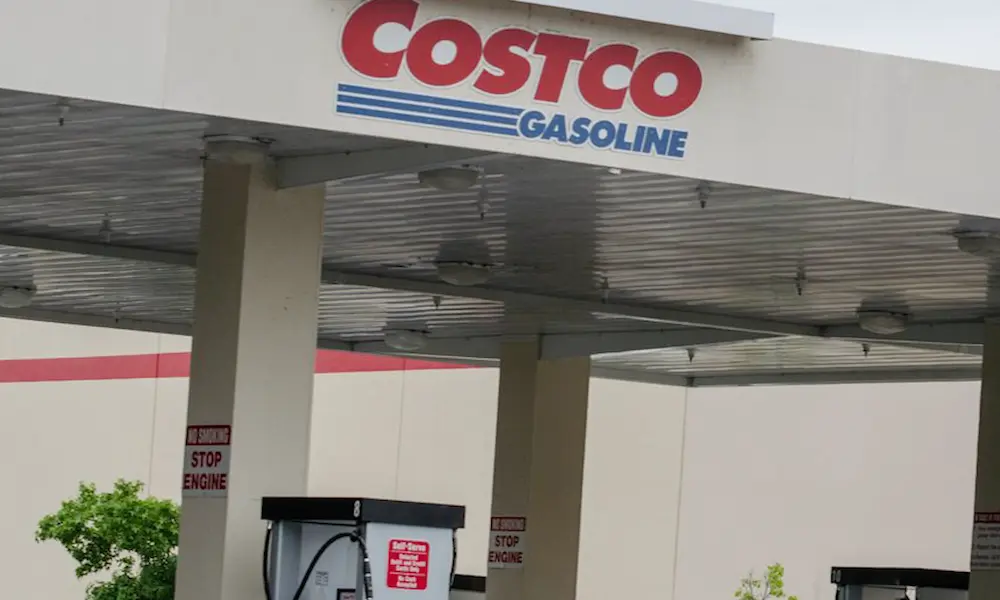
- Costco (Kirkland Signature gas)
- Shell, Exxon, Mobil, Chevron
- QuikTrip, Rutter’s, even regional competitors
That last one stings. Rutter’s—a similar convenience store chain—managed to get certified. If they can do it, Wawa clearly could. They’re just choosing not to.
How Wawa’s Gas Compares to the Competition
Let’s break down what you’re actually getting when you fuel up at different stations.
Branded vs. Unbranded Gas
All gasoline starts the same way—as “base gas” coming from refineries through pipelines to distribution terminals. The magic happens at the loading rack, where tanker trucks fill up.
“Branded” stations like Shell, Exxon, and yes, even Costco, inject their own proprietary additive packages into that base gas. These are carefully formulated, research-backed blends designed to protect your engine.
“Unbranded” stations like Wawa, Sheetz, and 7-Eleven? They use whatever generic additive is cheapest and add it at the minimum legal concentration.
Wawa’s own website confirms this. They say their fuel “contains detergent cleansing additives as required by the EPA.” Translation: we’re doing the bare minimum the law requires.
Quality Comparison Table
| What You’re Getting | Wawa | TOP TIER™ Brands (Costco, Shell, etc.) |
|---|---|---|
| TOP TIER™ Certified | No | Yes |
| Detergent Level | EPA Minimum (LAC) | Enhanced (up to 7x minimum) |
| Additive Package | Generic/Spot Market | Proprietary, Research-Backed |
| Meets Automaker Standards | No | Yes |
| Organo-Metallic Additives | Not Guaranteed Free | Prohibited by Certification |
Why This Matters for Your Car
If you’re driving an older vehicle with a traditional port-fuel-injected engine, you probably won’t notice much difference. These engines get “washed” by fuel spray on the intake valves, which helps keep things clean.
But modern cars? That’s a different story.
The GDI Problem
Most new cars use Gasoline Direct Injection (GDI) engines. Instead of spraying fuel onto the intake valves, GDI engines inject fuel directly into the combustion chamber at high pressure. This is great for power and efficiency but terrible for carbon buildup.
Since fuel never touches the intake valves in a GDI engine, those valves don’t get cleaned. Without robust detergent additives, carbon deposits form fast. You’ll see reduced performance, worse fuel economy, and eventually, expensive repair bills.
TOP TIER™ additives are specifically formulated to help prevent this. They’re designed to survive the combustion process and clean the entire fuel system. Minimum-spec gas like Wawa’s? Not so much.
Some owners of GDI vehicles who use non-Top Tier gas end up buying aftermarket fuel system cleaners to compensate. That’s an extra cost and hassle that TOP TIER™ fuel prevents.
Real-World Problems: When Wawa Gas Goes Bad
Beyond the chemical specs, there’s the operational track record. And Wawa’s got some red flags.
EPA Violations (2023)
In October 2023, the EPA fined Wawa for violating federal regulations on Underground Storage Tanks (USTs). After inspecting nine New Jersey locations, the EPA found Wawa failed to meet requirements for operator training, record-keeping, and leak detection.
These aren’t minor paperwork issues. Leak detection systems exist to catch water contamination before it gets into your tank. Proper operator training means staff know how to spot and fix problems before customers pump bad gas.
The Richboro Incident (2024)
Less than a year after those EPA fines, a Wawa in Richboro, Pennsylvania, dispensed contaminated fuel to dozens of customers. Cars started breaking down all over town. Repair bills hit thousands of dollars for damaged fuel injectors, catalytic converters, and worse.
Bucks County Consumer Protection launched an investigation. Wawa called it an “isolated incident” affecting a “very limited number of customers,” but local reports painted a different picture—many vehicles were damaged.
Here’s the thing: this wasn’t bad luck. It’s a predictable outcome when you cut corners on tank monitoring and operator training—exactly what the EPA cited Wawa for.
The causal chain is clear:
- EPA finds systemic failures in leak detection and training (2023)
- These systems exist specifically to prevent water contamination
- A Wawa station dispenses contaminated fuel (2024)
- Customers pay the price
Wawa’s Fuel Guarantee
Wawa does offer a fuel guarantee to cover repairs if their gas damages your car. But there’s a catch: you need a professional technician with A8 certification from the Institute for Automotive Service Excellence to diagnose the problem. That’s a high bar. Your trusted local mechanic might not qualify, which could invalidate your claim.
It’s a high-friction process that might discourage customers from even trying.
The Wawa Paradox: #1 in Satisfaction, Not Fuel Quality
Here’s what’s wild: Wawa ranked #1 in the 2024 American Customer Satisfaction Index for convenience stores, scoring 82 out of 100.
But here’s the secret—that ranking has nothing to do with gas.
The ACSI analysis specifically credits Wawa’s food service. Their hoagies are legendary. The coffee’s great. The stores are clean. Service is fast. That creates a “halo effect” where customers assume the gas must be just as good as everything else.
It’s not.
How Wawa Stacks Up Against Competitors
| Store | Customer Score (2024) | TOP TIER™ Gas | What You’re Paying For |
|---|---|---|---|
| Wawa | 82 (#1) | No | Food, coffee, convenience |
| QuikTrip | 81 (#2) | Yes | Food AND quality fuel |
| Sheetz | 79 | No | Food, convenience |
| Costco | Not Rated | Yes | Quality fuel at low prices |
| Shell | 74 | Yes | Premium fuel, brand trust |
Notice something? QuikTrip scored nearly as high as Wawa but also offers TOP TIER™ certified fuel. You can have both great service and quality gas.
Wawa vs. Costco: The Value Showdown
If you care about getting the most for your money, this comparison hurts.
Costco’s Kirkland Signature gasoline is TOP TIER™ certified. It’s got proprietary additives. It’s chemically superior to Wawa’s fuel. And here’s the kicker: Costco is famous for having the lowest gas prices around.
So you’re getting better fuel for less money. Wawa’s selling you a lower-spec product at a convenience store markup.
The only advantage Wawa has? You can grab a hoagie while you fill up.
Performance Drivers: Why You Should Definitely Skip Wawa
If you drive anything performance-oriented, turbocharged, or heavily modified, stay away from Wawa gas.
One tuner reported that a supercharged Honda Civic filled with Wawa 93 octane started knocking on the dyno. The tuner had to retard the timing and was “pretty confident” the fuel was the problem. He recommended Shell or Mobil instead.
Why does this happen? While Wawa’s fuel meets the “93” octane rating on the pump, the base stock quality can vary from terminal to terminal. Combined with minimal additives, you get a fuel that might be less stable under high-compression, high-load conditions.
Your average commuter won’t notice. But if you’re pushing your engine hard, that variability matters.
What About Wawa’s Midwest Expansion?
Wawa’s currently in its largest expansion ever, breaking into Indiana, Ohio, and Kentucky. As of 2025, they’re not in Illinois yet, but that could change.
If Wawa does expand to the Chicago area, there’s an extra wrinkle: Reformulated Gasoline (RFG). Chicago is a federally mandated RFG area, meaning gas sold there must meet special clean-air standards.
Illinois also has year-round E15 (15% ethanol) approval, effective April 2025.
So Wawa would sell a specialized RFG E15 blend with—you guessed it—the cheapest minimum-additive package they can find. That’s a complex base fuel with bare-minimum cleaning agents. Not a great combo for long-term engine health, especially in a GDI vehicle.
If Wawa comes to your area, don’t let the brand hype fool you. The gas isn’t keeping pace with the hoagies.
Who Should (and Shouldn’t) Use Wawa Gas
Skip Wawa If You:
- Drive a modern car with a GDI or turbocharged engine
- Own a performance or modified vehicle
- Want the best value (Costco beats them on both quality and price)
- Care about long-term engine health and minimizing carbon buildup
Wawa’s Fine If You:
- Drive an older car with a traditional port-injected engine
- Prioritize convenience over everything else
- You’re already there for the food and don’t want to make an extra stop
Even then, you’re accepting a lower-quality product and a (small but real) contamination risk from a company with documented compliance issues.
The Bottom Line: Wawa Gas Isn’t Good
Let’s be clear: Wawa’s an exceptional convenience store. Their food is great. Their stores are clean. Their customer service is top-notch. That #1 ranking is deserved.
But their gas? It’s a commodity product sold at the legal minimum standard. It’s not TOP TIER™ certified. It doesn’t meet the detergency standards automakers request. It’s got a documented history of regulatory violations and contamination incidents.
When you pull into Wawa for gas, you’re paying for the convenience of the location and the brand trust from their food operation. You’re not getting premium fuel. You’re getting the cheapest legal formula wrapped in America’s favorite convenience store brand.
If you’ve got options, use them. Shell, Exxon, Mobil, Costco, QuikTrip—they’re all offering a better product that’ll keep your engine cleaner and running stronger for years. Your car deserves better than the bare minimum, even if Wawa’s hoagies deserve all the hype they get.