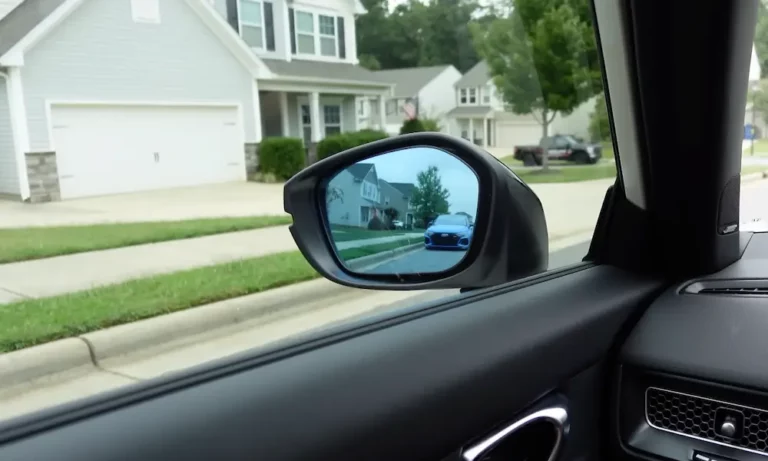
Blinding glare from a truck’s headlights in your side mirror at 70 mph is genuinely dangerous — not just annoying. Auto dimming side mirrors promise to fix that, but they come with a price tag that makes plenty of drivers hesitate. This post breaks down exactly what you get, what it costs, and whether the upgrade makes sense for your situation. Stick around — the failure modes section alone might save you a costly surprise.
What Auto Dimming Side Mirrors Actually Do
Auto dimming side mirrors use electrochromic technology to darken automatically when they detect headlight glare from behind. There’s no button to press, no lever to flip. The mirror handles it all on its own.
Here’s the basic sequence:
- A forward-facing ambient sensor reads overall light levels outside the vehicle
- A rearward glare sensor measures the intensity of light hitting the mirror surface
- When glare spikes above the ambient level, the system sends a small electrical current through the electrochromic gel layer
- The gel darkens within less than one second
- Once the glare disappears, the mirror clears again in 3–8 seconds
That clearing delay is intentional. It prevents the mirror from flickering every time a streetlight passes overhead.
The Real Safety Case: It’s Not Just Comfort
Here’s where the “is it worth it” question gets serious. The safety argument for auto dimming side mirrors goes well beyond convenience.
When intense headlight beams hit your eyes — even via a mirror — your retinas temporarily desensitize. This is called the Troxler Effect, and it creates genuine blind spots while your eyes recover. At highway speeds, those recovery seconds cover a lot of ground with zero situational awareness.
Research shows auto dimming mirrors reduce reflected glare by up to 70%, which directly preserves your night vision and reaction time. Your pupils stay dilated for the dark road ahead instead of snapping shut in response to a bright spot in your mirror.
There’s also the fatigue factor. Constantly squinting and readjusting to varying light levels during long night drives builds up cumulative eye strain. Auto dimming mirrors keep brightness stable, so your eyes stay relaxed longer. Drivers of trucks and SUVs benefit especially — their mirrors sit at exactly the right height to catch the full blast from a following car’s headlights.
How the Three Mirror Types Compare
Not all mirrors are created equal. Here’s a quick side-by-side:
| Feature | Standard Mirror | Manual Day/Night Mirror | Auto Dimming Mirror |
|---|---|---|---|
| Glare Reduction | None | Manual adjustment required | Automatic and instantaneous |
| Driver Effort | Constant repositioning | Requires flipping a lever | Completely hands-free |
| Night Vision | Can be severely impaired | Better, but requires action | Optimally preserved |
| Technology | Reflective coating only | Prism glass with lever | Electrochromic gel + sensors |
The manual day/night mirror is better than nothing, but it asks you to reach up and flip a tab while driving at night — which is exactly when your attention should be on the road.
How Your Car’s Wiring Controls the Whole System
Most people don’t realize the side mirrors don’t think for themselves. In many vehicles, the interior rearview mirror houses the sensors and logic board, then sends a “dim” command to the exterior mirrors through the car’s wiring network.
This creates one important quirk: if your rear window tint is too dark, the interior sensor can’t detect the glare properly — so your side mirrors never dim. Tints at 30–35% typically don’t cause problems, but anything at 20% or darker can kill the function entirely. Some vehicles let a technician adjust the software sensitivity settings to compensate, so it’s worth asking before you assume the mirrors are broken.
Modern auto dimming side mirror assemblies often bundle in other tech, too:
- Blind spot monitoring (BSM) indicators — LEDs that flash when a vehicle enters your blind zone
- Turn signal repeaters — visible to traffic alongside you
- Puddle lights — LEDs that illuminate the ground when you approach the car
- Surround-view cameras — for parking assistance
That camera integration matters when something goes wrong. If a mirror assembly includes a camera, the shop needs to recalibrate it after replacement to stitch the image correctly into the surround-view system. That calibration can add up to $725 to your repair bill.
The Real Cost: What You Pay When Something Breaks
This is where auto dimming side mirrors lose some fans. Replacement costs are dramatically higher than standard mirrors:
| Mirror Type | Part Cost | Labor/Calibration | Total Estimated Cost |
|---|---|---|---|
| Manual (Standard) | $30–$60 | $50–$150 | $80–$210 |
| Power-Adjusted (Basic) | $35–$350 | $50–$150 | $85–$500 |
| Heated/Turn Signal | $150–$450 | $100–$150 | $250–$600 |
| Electrochromic (Auto-Dim) | $200–$800 | $100–$200 | $300–$1,000+ |
| Luxury ADAS (Dimming + Camera) | $500–$1,340 | $200–$725 | $700–$2,000+ |
OEM parts cost 20–50% more than aftermarket alternatives, and aftermarket parts frequently lack the wiring or sensor compatibility needed to keep the auto dimming or blind spot functions working. That often pushes owners back to the dealership anyway.
Failure Modes You Should Know About
Standard mirrors don’t really fail — they just break or scratch. Electrochromic mirrors have specific failure modes tied to the chemistry inside:
Yellow or brown discoloration — The electrochromic gel degrades over time, often causing a permanent yellow or gold tint. This usually signals the seal between the glass layers has failed, letting oxygen in to oxidize the fluid.
Ink-blot patterns — Splotchy dark areas spread across the mirror face, making it harder to see clearly. The mirror might still function, but the image quality suffers.
Fluid leaks — This is the worst one. The electrochromic fluid is highly corrosive. If the seal fails completely, it can drip onto the door’s exterior and damage the paint, or run inside the cabin and ruin trim, leather, and plastic. Not a cheap problem.
Bubbling and separation — Heat accelerates failure. Vehicles parked in direct sunlight regularly may develop bubbles where the fluid separates from the glass, distorting the reflected image. A warped or bubbled mirror creates a genuinely dangerous blind spot during lane changes.
Mirror rot — Moisture trapped between the glass and the reflective layer creates black edges and spreading discoloration. Desert and tropical climates dramatically shorten mirror lifespan compared to temperate regions.
Smarter Ways to Handle Repairs
Full assembly replacement isn’t your only option when an auto dimming mirror fails. A few alternatives keep costs manageable:
| Service Option | Estimated Cost | What You Get |
|---|---|---|
| Specialized glass repair (standard) | $119 | Failed glass replaced in factory housing |
| Display/camera mirror repair | $149 | Specialized repair for integrated display mirrors |
| 5-year extended warranty add-on | $25 | Optional coverage on repair services |
| Glass-only DIY replacement | $20–$80 | Restores visibility; loses auto-dim function |
| Full assembly replacement | $100–$500+ | Necessary only if housing or motor is damaged |
Specialized repair services can replace just the electrochromic glass inside your existing factory housing for a fraction of a full assembly replacement. This works well when the housing, wiring, and bracket are all intact.
If you go the DIY route and just swap the glass, standard replacement glass from auto parts stores is usually non-dimming. You get your mirror back, but you permanently lose the auto dimming feature unless you source OEM electrochromic glass specifically.
What Drivers Actually Say
The consensus from drivers across forums is pretty consistent. People who frequently drive at night or spend time on highways overwhelmingly call auto dimming side mirrors essential — not optional. The rise of ultra-bright LED headlights on modern trucks and SUVs makes the “spotlight in your face” problem worse every year.
Many drivers report that after owning a vehicle with all three mirrors dimming, going back to standard mirrors feels like a real safety downgrade. The complaints that do come up: the transition from dark back to clear can feel sluggish, and some auto dimming side mirrors have a small non-dimming border around the edge that still catches some glare.
So Are Auto Dimming Side Mirrors Worth It?
For most drivers: yes — with one important caveat.
If you regularly drive at night, navigate busy highways, or follow SUVs and trucks that throw headlight beams at your mirror height, the safety benefits are tangible and well-documented. A 70% reduction in reflected glare isn’t marketing copy — it genuinely reduces the physiological strain that causes accidents.
The caveat is climate and cost awareness. If you park outdoors in a hot, sunny climate, understand the seal can fail within 10 years. Know your repair options before that happens — specialized glass repair services cost a fraction of a full OEM assembly replacement.
The upgrade makes the most sense when:
- ✅ You do significant night driving
- ✅ You live in an area with heavy truck and SUV traffic
- ✅ You’re buying a new vehicle and it’s part of a package
- ✅ You already have it and want to know if it’s worth maintaining — it is
It makes less sense if:
- ❌ You primarily drive short daytime routes
- ❌ You park in direct sun daily in a hot climate without a shade or garage
- ❌ The replacement cost significantly exceeds the value of your vehicle
The bottom line: auto dimming side mirrors have moved from luxury trim to legitimate safety equipment. The tech works, the science backs it up, and drivers who use it don’t want to go back.