You’ve probably wondered if spending extra at Shell is worth it or just marketing hype. The answer’s backed by solid independent testing, and it might change where you fill up. Let’s dig into what makes Shell different and whether your engine actually notices.
What Makes Shell Gas Different From Budget Brands
Shell holds Top Tier Detergent Gasoline certification—a performance standard that matters more than most people realize. Major automakers like BMW, Honda, and Toyota created this standard in 2004 because they found EPA’s minimum requirements weren’t cutting it for modern engines.
Here’s the kicker: all Shell grades meet this standard. Whether you’re pumping regular 87 octane or splurging on V-Power premium, you’re getting more than twice the cleaning agents required by government standards. That’s not just Shell’s claim—it’s verified by independent certifiers.
Shell’s regular gas contains a patented cleaning system that tackles two jobs at once. It scrubs existing deposits off your fuel injectors and intake valves while preventing new gunk from forming. Think of it like brushing your teeth instead of just waiting for cavities to show up.
The V-Power premium formulation cranks this up further with three times more cleaning molecules than Shell’s basic FuelSave fuel. It also includes Friction Modification Technology (FMT) that reduces metal-on-metal contact in your piston assembly—especially helpful during cold starts when your engine oil hasn’t fully circulated.
AAA’s Independent Testing Revealed Something Surprising
When AAA put Top Tier fuels through controlled laboratory testing, the results weren’t subtle. They found Top Tier fuels (including Shell) left 19 times fewer carbon deposits on intake valves compared to cheaper alternatives. Not 19% fewer. Nineteen times fewer.
The AAA study simulated 4,000 miles of driving through 100 hours of standardized testing using industry procedures. Non-Top Tier fuels caused some pretty nasty problems:
- 180-200% increase in carbon monoxide emissions
- 20-30% jump in hydrocarbon emissions
- Rough idling and hesitation
- Reduced fuel economy
- Engine knocking and pinging
Those deposits don’t just sit there looking ugly. They actively mess with your engine’s performance. Dirty fuel injectors spray fuel in the wrong pattern, disrupting combustion efficiency. Gunked-up intake valves restrict airflow and throw off your air-fuel mixture. Your engine computer tries to compensate, but it’s fighting a losing battle against chemistry.
Consumer Reports backed this up by surveying over 120,000 drivers. Shell consistently scored high marks for fuel economy, engine performance, and overall satisfaction. More importantly, Shell users reported fewer engine problems and repair needs compared to other brands.
Shell vs. Other Gas Brands: The Real Comparison
Shell vs. Chevron: These two duke it out for premium fuel supremacy. Chevron’s Techron additive appears in all their fuel grades, while Shell reserves V-Power additives for premium. Both offer solid quality—it’s mostly a toss-up unless you’re buying premium, where Shell’s FMT gives it a slight edge for high-performance engines.
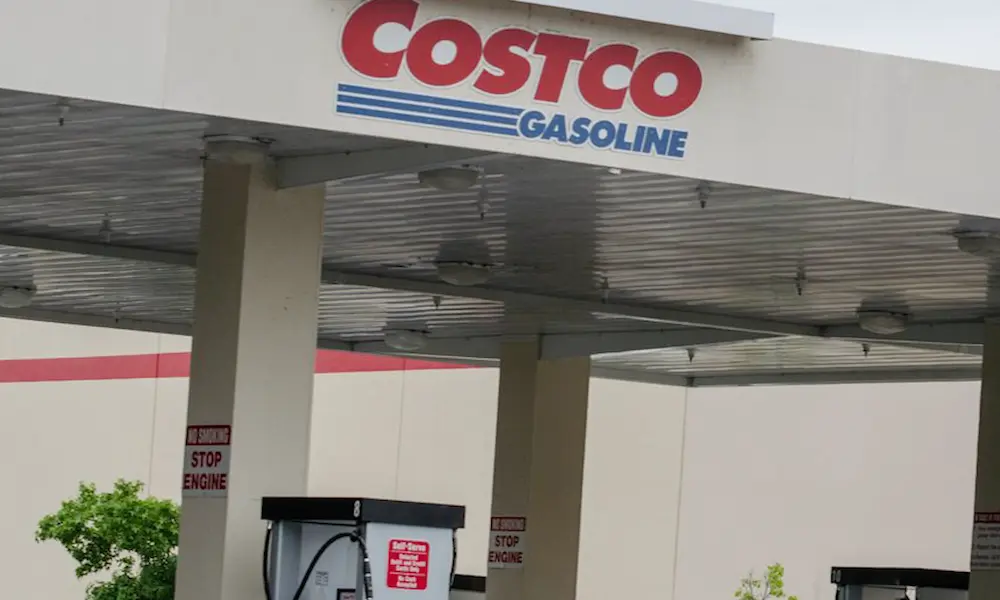
Shell vs. Costco: Costco’s Kirkland gas holds Top Tier certification and costs less. Real-world testing by car enthusiasts showed Shell providing roughly 30 miles more range per tank in controlled comparisons. That’s about 8-10% better efficiency, though individual results vary based on driving conditions and vehicle type.
Shell vs. Exxon/Mobil: Both maintain Top Tier certification for regular grades. The difference shows up in premium formulations, where Shell’s V-Power technology offers additional friction reduction and cleaning power you won’t find in standard Top Tier fuels.
Shell vs. No-Name Stations: Here’s where the gap widens dramatically. Budget stations often meet minimum EPA standards but skip the enhanced detergent packages. You’ll save 5-10 cents per gallon now but potentially spend hundreds later on fuel system cleaning or injector replacement.
How Shell’s Additives Actually Protect Your Engine
Modern engines are finicky about fuel quality because they’re built to tighter tolerances than older designs. Direct-injection engines particularly suffer from poor fuel—they spray gasoline directly into combustion chambers at incredibly high pressures. Even tiny deposits can disrupt spray patterns and cause misfires.
Shell’s cleaning molecules work on multiple engine systems:
Fuel Injectors: The detergent package prevents deposits from forming on injector tips. Clean injectors spray fuel in the precise cone pattern your engine computer expects, ensuring complete combustion and optimal power delivery.
Intake Valves: In port-injected engines, gas flows past intake valves before entering cylinders. Deposits here act like sponges, soaking up fuel and creating lean conditions during acceleration. Shell’s cleaners prevent this buildup from starting.
Piston Rings: Shell’s FMT provides lubrication where regular engine oil can’t effectively reach. This reduces wear during those first few seconds after startup—when most engine wear occurs—and during high-load conditions like towing or spiraling up mountain roads.
Combustion Chambers: Carbon deposits in combustion chambers raise compression ratios unnaturally, causing engine knock. Shell’s nitrogen-enriched formula helps prevent these deposits, maintaining the compression ratio your engine was designed for.
The DYNAFLEX Technology in V-Power represents Shell’s latest development, co-engineered with Scuderia Ferrari’s racing team. It combines friction-reducing and cleaning molecules specifically formulated for high-stress engine conditions. What works on race tracks translates to better protection during your daily highway merge.
What You’ll Actually Notice At The Pump
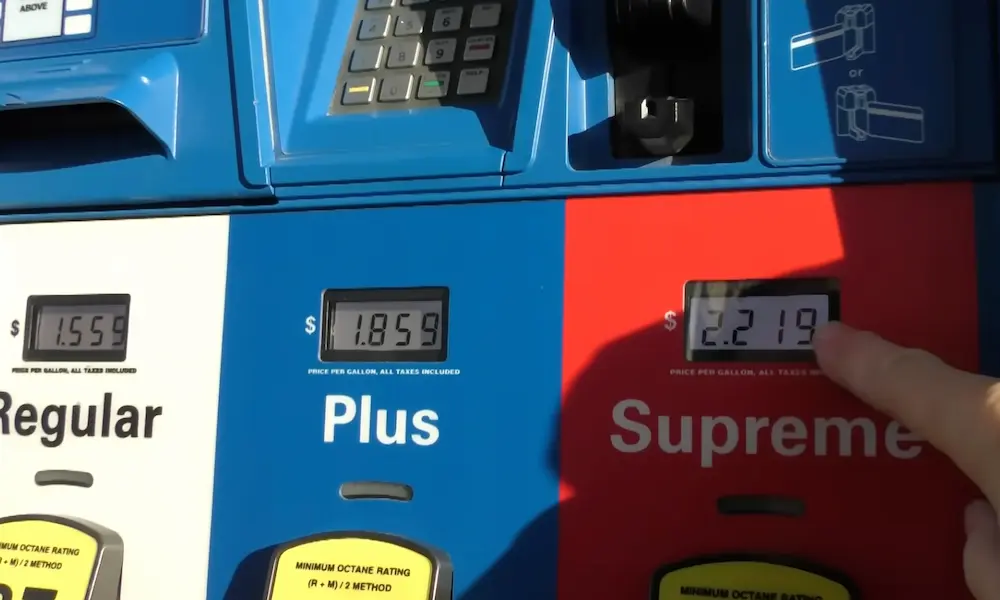
Shell typically costs 3-5 cents more per gallon than non-Top Tier alternatives. On a 15-gallon fill-up, that’s 45-75 cents. Over a year (assuming weekly fill-ups), you’re looking at about $25-40 extra.
What do you get for that money?
Better Fuel Economy: Cleaner fuel injectors and intake valves mean your engine runs closer to its designed efficiency. The AAA testing showed measurable fuel economy losses with deposit buildup. You might recover half your Shell premium through improved MPG.
Smoother Performance: Vehicles running on quality fuel maintain consistent idle, crisp throttle response, and smooth acceleration. You probably won’t notice this immediately, but over 10,000 miles the difference becomes obvious—especially if you switch back to budget fuel.
Fewer Emissions Issues: Modern vehicles have sensitive emissions systems. The 180-200% increase in carbon monoxide from cheap fuel can trigger check engine lights and failed emissions tests. Shell helps keep those systems running clean.
Extended Component Life: Fuel injectors cost $50-150 each to replace. Intake valve cleaning runs $200-400. If quality fuel prevents one of these services over your ownership period, it’s paid for itself several times over.
When Shell Premium Actually Makes Sense
Don’t confuse Top Tier certification with octane rating—they’re separate things. Shell’s 87 octane regular is Top Tier, giving you the cleaning benefits without premium pricing. You only need higher octane if:
Your Owner’s Manual Requires It: Turbocharged engines, high-compression performance engines, and some luxury vehicles need premium fuel to prevent knock. Check your manual’s exact wording—”recommended” is different from “required.”
You’re Experiencing Knock: If your engine pings or rattles during acceleration, higher octane might help. But fix the underlying problem (carbon buildup, bad spark plugs, failing knock sensors) rather than treating premium as a permanent band-aid.
You Want Maximum Cleaning: Shell V-Power’s triple cleaning molecules and FMT provide the most comprehensive engine protection Shell offers. For high-mileage engines or vehicles you plan to keep long-term, the extra $3-5 per tank might make sense.
For most daily drivers with regular engines, Shell’s 87 octane regular delivers the important benefits—Top Tier detergents, valve cleaning, and injector protection—without the premium price. Save the V-Power for cars that actually need or benefit from it.
The Long Game: Maintenance Costs You’ll Avoid
Professional mechanics notice patterns in which vehicles develop fuel system problems. Cars consistently run on quality fuel simply need fewer interventions.
Reduced Carbon Cleaning: Walnut blasting to remove intake valve deposits costs $300-600. Direct-injection engines particularly benefit from preventive fuel quality since oil vapors contribute to deposits that fuel can’t wash away. Quality fuel minimizes the additional deposit formation from fuel itself.
Fewer Injector Issues: Fuel injector replacement or professional cleaning runs $200-500 depending on your vehicle. Prevention through quality fuel costs a fraction of this repair.
Better Diagnostic Clarity: Deposit-related performance issues mimic other problems. Rough idle could be bad plugs, failing coils, vacuum leaks, or dirty injectors. Eliminating fuel quality as a variable makes troubleshooting faster and more accurate.
Maintained Performance: Engines gradually lose power as deposits accumulate. You adapt to this slow degradation without noticing. Quality fuel maintains performance closer to factory specifications over the vehicle’s lifetime.
Shell’s approach isn’t magic—it’s preventive chemistry. The molecules in their fuel do the cleaning work continuously, in small increments, preventing problems before they require expensive fixes.
Regional Differences You Should Know
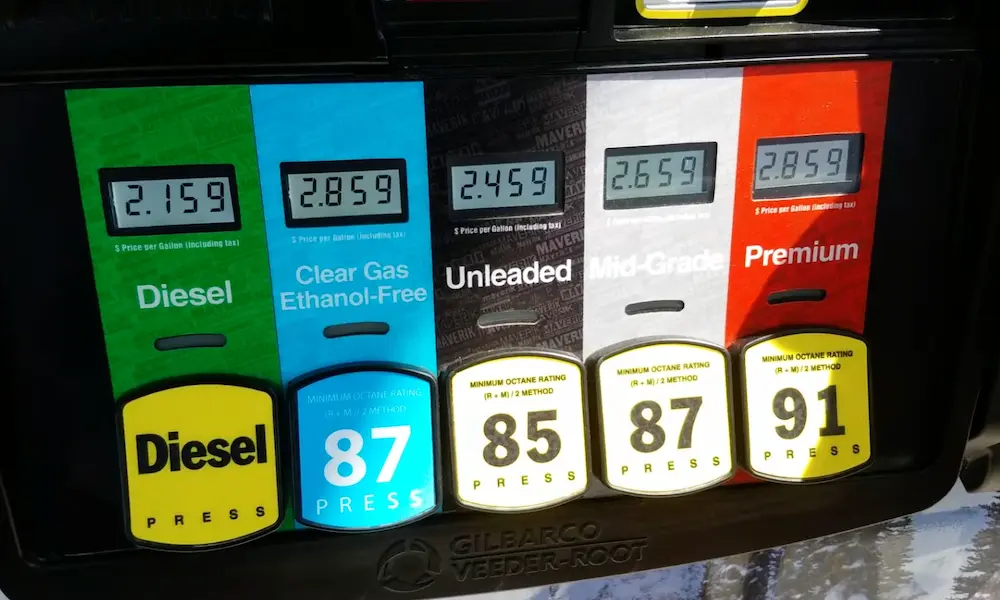
Not all Shell stations are created equal, and octane ratings vary by region. Premium in most areas is 91-93 octane, but high-altitude locations often sell 85 octane as “regular” because lower air pressure reduces knock tendency.
All Shell stations in the U.S. selling Shell-branded fuel meet Top Tier standards across all grades. However, some independently-owned stations might not carry Shell’s premium V-Power formulation. If you specifically want V-Power’s enhanced additives, verify the station stocks it.
Shell’s quality control extends to storage and handling. The company requires participating stations to meet cleanliness standards for underground tanks and fuel handling equipment. This matters because fuel contamination—water, rust particles, microbial growth—can occur between the refinery and your tank.
What Car Manufacturers Actually Recommend
When BMW, General Motors, Honda, Toyota, Ford, and other manufacturers developed the Top Tier standard, they weren’t being picky for fun. Their warranty data showed fuel-related problems they couldn’t prevent through engine design alone.
Many luxury manufacturers explicitly recommend or require Top Tier fuel in their owner’s manuals. Check yours—you might find specific language about detergent gasoline standards. Using fuel that doesn’t meet manufacturer recommendations can potentially affect warranty coverage for fuel system repairs.
This isn’t just covering their liability. Modern engines with turbochargers, direct injection, and tight emissions standards genuinely need cleaner fuel than engines from 20 years ago. The tolerances are tighter, the fuel pressures higher, and the margin for error smaller.
The Bottom Line on Shell Quality
Is shell gas good? Independent testing says yes, with measurable advantages over minimum-standard fuels. The AAA study’s 19-times-fewer-deposits finding isn’t marketing fluff—it’s reproducible laboratory data using standardized procedures.
You’re paying a small premium for chemistry that prevents expensive problems. Whether that trade-off makes sense depends on your priorities. If you keep vehicles long-term, drive a modern engine with direct injection or turbocharging, or just want maximum reliability, Shell’s quality justifies its cost.
For beaters you’re driving into the ground or vehicles you’ll trade in quickly, cheaper Top Tier alternatives like Costco deliver the essential benefits at lower cost.
The worst choice? Skipping Top Tier entirely to save a few cents per gallon. Those savings evaporate quickly when you’re paying for fuel system cleaning, fighting poor performance, or dealing with failed emissions tests.
Your engine can’t tell you when deposits are forming, performance is degrading, or problems are brewing. By the time symptoms appear, damage is done. Quality fuel is preventive maintenance you perform every time you fill up—cheap insurance against expensive repairs.