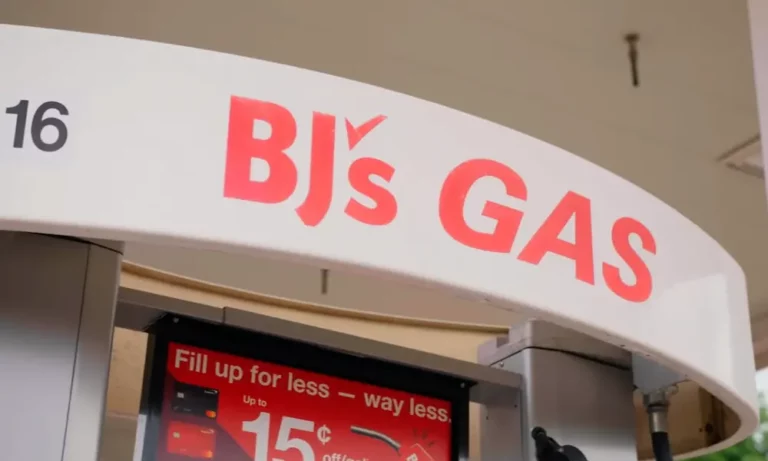
You’re standing at the pump, eyeing BJ’s crazy-low prices and wondering if you’re about to save money or trash your engine. It’s a smart question. Let’s cut through the noise and figure out if BJ’s gas deserves a spot in your tank—or if you should drive past for something better.
What Actually Goes Into BJ’s Gas Tanks
Here’s the thing most people don’t know: BJ’s doesn’t make its own gas. Nobody does, really.
All gasoline starts at the same place—major refineries owned by companies like ExxonMobil, Chevron, and Phillips 66. Once refined, this fuel gets pumped into shared pipelines (like the Colonial Pipeline). At this stage, Shell’s gas and BJ’s gas are literally the same product flowing through the same pipe.
The split happens at the distribution terminal. When tanker trucks fill up, a computer injects special additives into the fuel. Branded stations get proprietary packages (think Chevron’s Techron). BJ’s? They buy on the “spot market”—whatever’s cheapest that day.
This means the gas in your local BJ’s might come from Sunoco on Monday and Irving Oil on Friday. The base fuel meets federal ASTM standards, but the additives are bare minimum.
The Top Tier Problem (And Why It Matters)
Let’s talk about the elephant at the pump: BJ’s isn’t Top Tier certified.
Back in 1996, the EPA said all gas must contain deposit-control additives. That’s the legal floor—the Lowest Additive Concentration (LAC). It worked fine for older cars.
But by 2004, car makers like GM, BMW, and Honda realized modern engines needed more. They created the Top Tier standard—fuel with 2-3 times the EPA minimum detergent level.
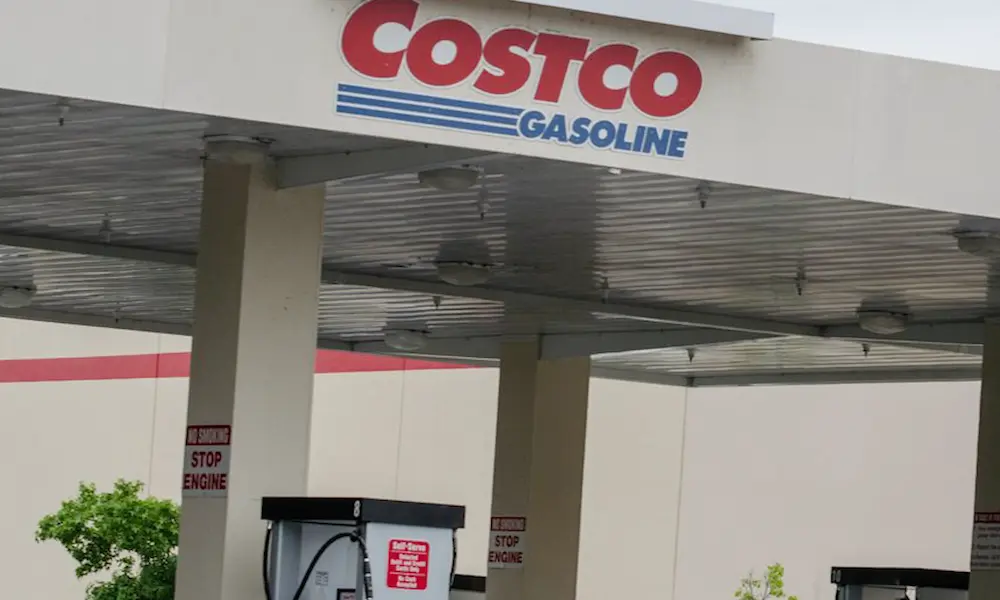
Costco? Top Tier. Shell? Top Tier. BJ’s? Nope.
AAA tested this in 2016 and found non-Top Tier fuel leaves 19 times more carbon deposits on engine parts than Top Tier fuel. That’s not a typo. Nineteen times.
How This Affects Your Actual Engine
Whether this matters depends entirely on what you drive.
Older Cars With Port Fuel Injection (Pre-2010)
You’re fine. In these engines, fuel sprays onto the intake valves before entering the cylinder. This constant “fuel wash” prevents carbon buildup naturally. The extra detergents in Top Tier gas don’t make much difference here.
Modern Cars With Direct Injection (2010+)
This is where things get sketchy. In Gasoline Direct Injection (GDI) engines, fuel sprays straight into the combustion chamber at crazy high pressure—2,000+ psi. It never touches the intake valves.
Without that fuel wash, oil vapors from the engine’s crankcase bake onto the hot valves, forming hard carbon deposits. Low-detergent fuel won’t clean these (the fuel doesn’t even touch them), but it will clog your injector tips.
Clogged GDI injectors create a nasty chain reaction:
- Poor fuel spray patterns
- Incomplete combustion
- Soot buildup that clogs your catalytic converter
- Potential for “super knock” that can crack pistons
Not exactly what you want from saving 15 cents per gallon.
Real User Experiences With BJ’s Gas
Scroll through Reddit and you’ll find two camps battling it out.
The “It’s Fine” Crowd
Plenty of drivers report zero issues. One user wrote, “I’ve been using BJ’s gas for years… never had an issue”. These folks usually drive leased vehicles or older cars without fancy engines.
The “Something’s Wrong” Crowd
Others aren’t so happy. Common complaints:
- MPG dropping from 450 to 375 miles per tank when switching from Sam’s to BJ’s
- Engines sounding like “sewing machines” on BJ’s premium fuel
- Rough idling that disappears after switching to Shell or Costco
One BMW owner noted timing pull (the computer reducing power to prevent engine knock) when using BJ’s 93 octane—something that shouldn’t happen with properly formulated premium fuel.
The Octane Question: Does BJ’s Premium Actually Perform?
Here’s where it gets technical. If the pump says 93 octane, it legally must deliver 93 octane. State agencies test this regularly.
But octane rating only measures knock resistance. It doesn’t tell you about:
- How cleanly the fuel burns
- What additives are (or aren’t) included
- Energy density (which affects your MPG)
Some users report BJ’s hits the 10% ethanol limit consistently to cut costs. Since ethanol has only 66% of gasoline’s energy, this tanks your fuel economy. That explains those MPG complaints.
Seasonal blending adds another wrinkle. BJ’s spot-market model means they might get winter-blend fuel (lower energy density) at weird times, creating noticeable performance dips during transition months.
Where BJ’s Actually Crushes the Competition
Let’s be real: BJ’s wins on price. Hard.
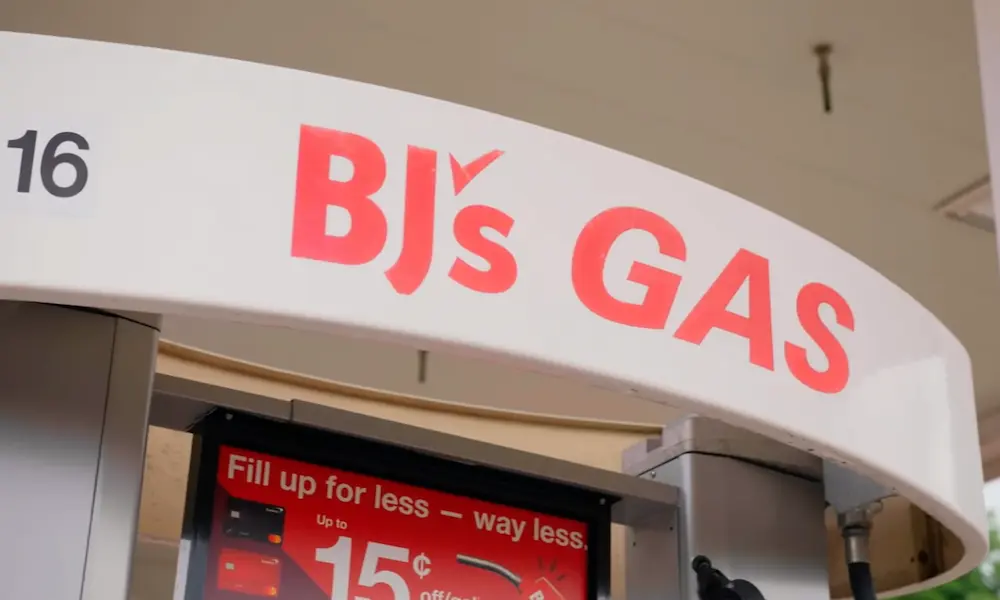
They treat gas as a “loss leader”—pricing it below market to drive membership renewals. You’ll typically save 10-20 cents per gallon versus street prices.
But here’s where it gets interesting: the Fuel Saver program.
You earn 10 cents off per gallon by buying specific “High Octane” items in the warehouse—detergent, dog food, whatever. These discounts stack with no cap (down to a minimum of 1 cent per gallon).
Add the BJ’s One+ Mastercard for another automatic 15 cents off per gallon at the pump.
Do the math: You could potentially fill up for under $2.00/gallon while the station across the street charges $3.50.
| Feature | BJ’s | Costco | Sam’s Club |
|---|---|---|---|
| Base Price vs. Market | 10-20¢ cheaper | 10-25¢ cheaper | 5-20¢ cheaper |
| Top Tier Certified? | No | Yes | No |
| Rewards Stacking? | Yes (10¢/item) | No | No |
| Credit Card Discount | 15¢/gal instant | 4% cashback | 5% cashback |
The Smart Play: How to Use BJ’s Gas Without Wrecking Your Engine
You don’t have to choose between your engine and your wallet. Here’s the strategy:
Buy BJ’s gas, but add your own detergents.
A bottle of Chevron Techron Concentrate or Gumout Regane costs about $10. Use it every 3,000 miles (roughly every oil change). That’s $40/year.
If you save 30 cents per gallon on 1,000 gallons annually, that’s $300 in savings. Subtract the $40 for additives, and you’re still up $260 versus buying Top Tier fuel.
You’ve essentially turned cheap gas into Top Tier gas for pennies on the dollar.
Who Should Definitely Use BJ’s:
- Leased vehicle drivers (you’ll return it before deposits matter)
- Older car owners with port fuel injection
- Budget-focused families willing to add aftermarket cleaners
Who Should Think Twice:
- High-performance car owners (turbocharged, high-compression engines)
- Anyone driving a GDI engine without wanting to use additives
- People who just want “set it and forget it” convenience
The Risks You Should Know About
BJ’s spot-market model has occasional hiccups.
In August 2023, Florida’s Department of Agriculture warned about contaminated fuel at several BJ’s locations. A Citgo terminal accidentally mixed diesel into gasoline supplies. BJ’s locations in Lady Lake, Cape Coral, and Fort Myers were affected.
BJ’s didn’t cause the error—but their reliance on third-party terminals means they’re vulnerable to supplier screw-ups. Branded corporate stations typically have tighter quality controls.
BJ’s vs. Costco: The Real Showdown
If you’re choosing between these two, here’s the honest answer:
Costco’s gas is technically better. Their Top Tier certification and on-site additive injection (5x EPA requirement) make their fuel equivalent to Shell or Chevron.
BJ’s is cheaper if you play the game. With Fuel Saver stacking and the credit card discount, you can beat Costco’s price by a significant margin.
If they’re equally convenient and equally priced? Go Costco. If BJ’s is cheaper or closer? Buy BJ’s and grab a bottle of fuel system cleaner.
The Bottom Line on BJ’s Gas
Is BJ’s gas good? It meets federal standards and won’t blow up your engine tomorrow.
Is it optimal? No. It’s the bare minimum wrapped in great pricing.
For most drivers, especially those with older vehicles or short ownership timelines, BJ’s represents excellent value. The key is understanding what you’re getting—and what you’re not.
If you’re keeping your car for the long haul and it’s got a modern GDI engine, spend $40/year on quality fuel additives. You’ll keep your engine clean while pocketing hundreds in savings.
The worst move? Overthinking it. BJ’s gas won’t ruin your car. But if you’re driving a high-strung turbocharged beast that demands premium fuel, maybe spring for the Top Tier stuff and sleep better at night.
Your wallet and your engine can both win—you just need to be smarter than the pump.