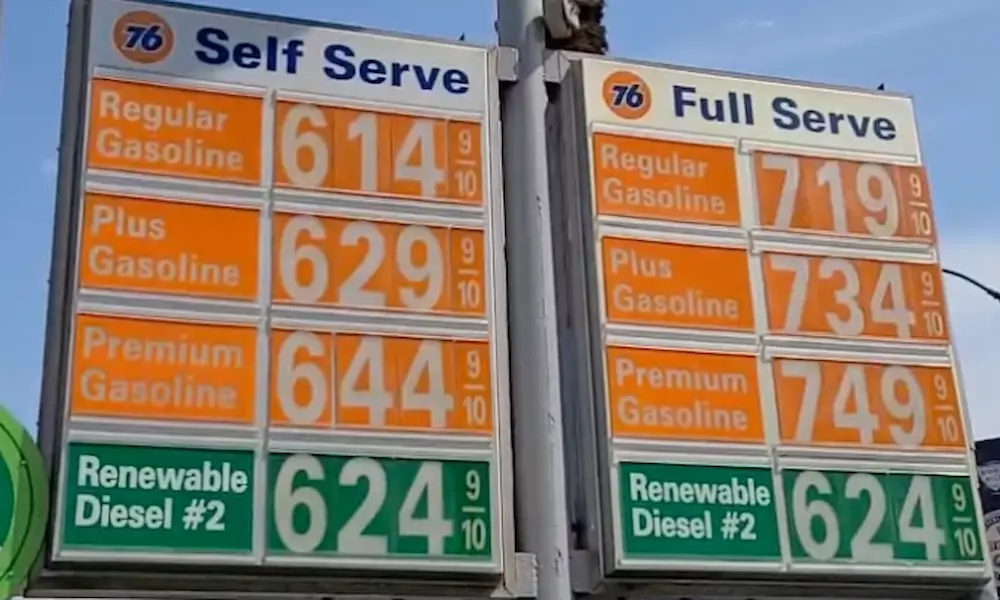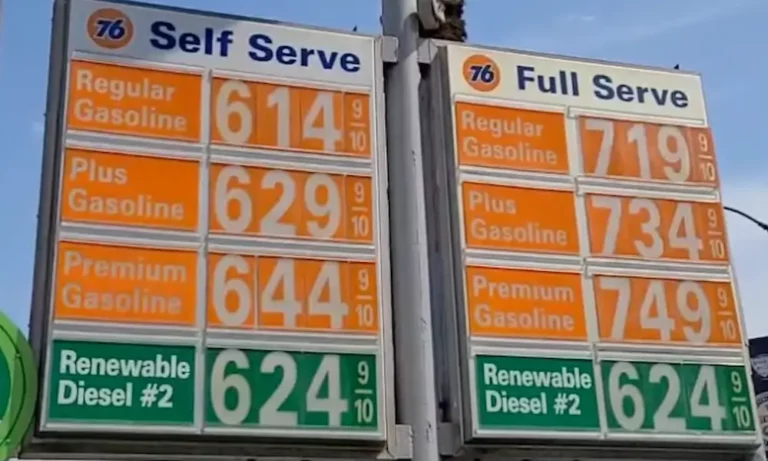
Wondering if you should pull into that 76 station or keep driving? You’re not alone in questioning whether gas brands actually matter. Here’s the thing: 76 gas holds TOP TIER certification and packs three times more detergent than EPA requirements. Let’s break down what that means for your engine and wallet.
What Makes 76 Gas Different from Other Brands
76 gas isn’t just another fuel option at the pump. It’s part of the Phillips 66 family and has carried TOP TIER certification since 2004. This matters because TOP TIER standards were created by major automakers—think BMW, Honda, Toyota, and Mercedes-Benz—who decided the EPA’s minimum detergent requirements weren’t cutting it.
Here’s where it gets interesting: 76 delivers 30% more detergent than even the TOP TIER minimum standards require. That’s serious engine protection right there.
The fuel comes with Phillips 66’s proprietary additive package called PROclean. While you might’ve heard about Chevron’s Techron or Shell’s V-Power additives, 76 developed its own chemistry that meets and exceeds industry standards across all octane grades.
The Science Behind Fuel Quality Standards
TOP TIER Certification Explained
TOP TIER certification isn’t just marketing fluff. Major automakers created this program because modern engines need better protection than EPA minimums provide. The standards require significantly higher levels of detergent additives to prevent carbon buildup in fuel injectors, intake valves, and combustion chambers.
When you see that TOP TIER logo at a 76 station, it means the fuel has passed rigorous testing and maintains consistent quality through regular audits. Phillips 66 can’t just slap that label on and call it a day—they’re held accountable.
How Fuel Additives Protect Your Engine
Gasoline additives work like a cleaning crew for your engine. They dissolve existing carbon deposits while preventing new ones from forming. Think of it as preventive maintenance in liquid form.
Quality detergent packages maintain proper fuel atomization, keep valves sealing correctly, and ensure efficient combustion. Without these additives, deposits gradually choke your engine’s performance. You’ll notice rough idling, hesitation during acceleration, and reduced fuel economy.
76’s enhanced detergent formula actively fights this deposit formation every time you fill up.
Real-World Performance Testing Results
AAA’s Eye-Opening Study
The American Automobile Association conducted the most comprehensive independent fuel quality test using standardized engine dynamometer tests. They ran engines for 100 hours—simulating 4,000 miles of real-world driving.
The results were striking:
| Fuel Type | Average Deposits Per Valve |
|---|---|
| TOP TIER fuels (like 76) | 34.1 mg |
| Non-TOP TIER fuels | 660.6 mg |
That’s 19 times fewer deposits with TOP TIER gasoline. Not 19% fewer—19 times fewer. The difference is massive.
What This Means for Your Daily Drive
Long-term use of lower-quality gas can reduce your fuel economy by 2-4%. That adds up quickly. A car getting 25 mpg could drop to 24 mpg, costing you an extra $100-200 annually depending on your driving habits.
The good news? Switching to quality fuel can restore lost performance within a few thousand miles. Your engine doesn’t need to live with those deposits forever.
How Does 76 Compare to Shell, Chevron, and Other Major Brands
76 sits comfortably alongside other TOP TIER brands like Shell, Chevron, Exxon, and Mobil. But there are some differences worth noting.
Shell restricts its premium V-Power NiTRO+ additives to higher octane grades. Chevron uses Techron across all grades. 76 maintains consistent additive levels across all octane ratings—regular, mid-grade, and premium all get the same protection.
Here’s the breakdown:
| Brand | Additive Approach | TOP TIER Certified |
|---|---|---|
| 76 | Enhanced additives all grades | Yes |
| Chevron | Techron all grades | Yes |
| Shell | Premium additives in V-Power only | Yes |
| ARCO | Basic additives | No |
While most TOP TIER fuels exceed EPA requirements by 30%, 76 exceeds them by 300%. That puts it among the most aggressively treated fuels you’ll find at retail pumps.
Engine Protection Benefits You’ll Actually Notice
Keeping Fuel Injectors Clean
Dirty fuel injectors spray fuel unevenly, creating poor combustion patterns. You’ll feel this as rough acceleration and decreased power. Clean injectors maintain precise spray patterns, delivering the exact amount of fuel your engine needs.
76’s detergent package keeps those injectors operating like new. It’s particularly valuable for direct-injection engines, which are more susceptible to deposit buildup since fuel doesn’t wash over the intake valves.
Preventing Carbon Buildup on Valves
Carbon deposits on intake valves disrupt airflow and prevent proper valve sealing. This leads to compression loss, misfires, and that annoying check engine light.
Regular use of 76 gas helps prevent expensive carbon cleaning services that GDI engines often require. Professional carbon cleaning can cost $300-600. Spending an extra few cents per gallon on quality fuel is cheaper insurance.
Maintaining Optimal Combustion
When combustion chambers accumulate carbon deposits, they operate at higher compression ratios than designed. This causes pre-ignition and engine knock—neither of which your engine appreciates.
Clean combustion chambers maintain designed compression ratios, reducing the risk of damaging knock and keeping your engine running smoothly for years.
What Drivers Are Saying About 76 Gas
Consumer experiences with 76 gas trend positive, particularly regarding fuel performance. A motorcycle rider in California documented noticeable top-end power increases after switching from ARCO to 76 fuel. The improvement was consistent across multiple fill-ups, not just a one-time coincidence.
Phillips 66’s consumer research highlights dependability, convenience, and trust as primary reasons drivers choose 76 stations. People appreciate knowing they’re getting consistent quality.
It’s worth noting that service station ratings vary widely—averaging 1.5 stars on some complaint sites. But here’s the thing: those ratings reflect individual station operations, not fuel quality. The gas itself maintains consistent standards through Phillips 66’s quality control and TOP TIER auditing programs, regardless of whether a particular station has friendly staff or clean restrooms.
The Cost-Benefit Analysis
Is the Price Premium Worth It?
TOP TIER fuels typically cost only 2-3 cents more per gallon than non-certified alternatives. For a 15-gallon fill-up, that’s 30-45 cents. You’ll spend more on a candy bar at the checkout.
Compare that to potential costs:
- Fuel system cleaning service: $150-300
- Fuel injector replacement: $300-900
- Carbon cleaning for GDI engines: $300-600
- Lost fuel economy over time: $100-200 annually
The preventive maintenance value makes that small premium look like a bargain.
Long-Term Savings Add Up
Maintaining engine performance through quality fuel extends component life. Clean fuel injectors don’t need replacement as often. Deposit-free valves don’t stick or require costly repairs. Your engine runs more efficiently, saving fuel costs.
Over your vehicle’s lifetime, using quality gas can save you thousands in avoided repairs and improved fuel economy. That’s money staying in your pocket instead of going to your mechanic.
Understanding Modern Engine Technology
Why Direct-Injection Engines Need Better Fuel
Gasoline direct injection (GDI) engines spray fuel directly into combustion chambers rather than over intake valves. This improves efficiency but creates a problem: intake valves don’t get washed by fuel anymore.
Without that fuel wash, carbon deposits accumulate faster on GDI intake valves. Quality detergent gasoline becomes even more critical for these engines.
The TOP TIER program introduced TOP TIER+™ standards in January 2025 specifically addressing GDI engine requirements. These enhanced requirements include stochastic pre-ignition testing and more stringent deposit control standards.
76 participates in these advancing standards, ensuring continued compatibility with emerging engine technologies.
Testing Methods That Prove Quality
Fuel quality assessment relies on standardized ASTM (American Society for Testing and Materials) testing procedures. The primary test for deposit control effectiveness is ASTM D6201, which uses a Ford 2.3L four-cylinder engine under controlled dynamometer conditions.
This test evaluates intake valve deposit formation over extended operation periods—giving researchers real data about how different fuels perform.
The TOP TIER program requires additional “no-harm” testing to ensure additives don’t negatively impact other engine systems. These tests evaluate combustion chamber deposits, valve sticking tendencies, and overall engine compatibility.
It’s not just about cleaning—it’s about cleaning without causing other problems.
Fleet and Commercial Applications
Phillips 66 offers comprehensive fleet fuel card programs providing access to 76, Conoco, and Phillips 66 stations. These programs are designed for businesses requiring consistent fuel quality across multiple locations.
If you’re running a business with company vehicles, using 76 gas helps maintain fleet reliability and reduces unexpected maintenance costs. The expense tracking and operational flexibility make fleet management easier.
Consistent fuel quality means fewer vehicles in the shop and more time on the road generating revenue.
Manufacturing and Distribution Excellence
Phillips 66 operates extensive refining and marketing operations with consistently high safety and reliability rankings from the American Fuel & Petrochemical Manufacturers (AFPM).
This operational excellence translates to consistent fuel quality and reliable supply chain management. You’re not getting top-quality fuel one week and questionable fuel the next—consistency matters.
The company’s commitment to “designing it right, operating it right, maintaining it right, and continuously improving” aligns with what you’d expect from a quality fuel provider.
Is 76 Gas Good for Your Specific Vehicle?
The short answer: yes, if your vehicle runs on gasoline.
TOP TIER fuel works in all gasoline engines—from economy cars to luxury vehicles, from motorcycles to trucks. The enhanced detergent package won’t harm any engine type.
Your owner’s manual might not specifically mention TOP TIER fuel, but many automakers recommend it. BMW, Mercedes-Benz, Honda, and Toyota explicitly endorse TOP TIER gasoline in their documentation.
Even if your manual doesn’t mention it, you’re getting superior protection compared to minimum-standard fuels.
Making the Smart Fuel Choice
So, is 76 gas good? Absolutely. It’s backed by TOP TIER certification, delivers three times more detergent than EPA requirements, and costs only pennies more per gallon than lower-quality alternatives.
The scientific evidence is clear—76 gas produces 19 times fewer engine deposits than non-certified fuels. That means better performance, improved fuel economy, and fewer repair bills down the road.
Next time you’re choosing between gas stations, remember that small price difference buys real engine protection. Your car will thank you with smoother operation and longer component life. That’s a trade-off worth making every single fill-up.