Looking for a midsize sedan but not sure if the Chevy Malibu deserves your hard-earned cash? You’re right to question its reliability. With so many options on the market, understanding exactly how the Malibu stacks up against competitors can save you thousands in unexpected repairs and headaches. Let’s cut through the marketing fluff and get to the truth about Malibu reliability.
Chevy Malibu Reliability Ratings: The Numbers Don’t Lie
When it comes to reliability, the Malibu sits in a somewhat comfortable middle ground. RepairPal gives the Chevy Malibu a reliability rating of 4.0 out of 5.0, placing it 9th out of 24 midsize cars. That’s not bad at all!
The average annual repair cost for a Malibu runs about $532, which is slightly better than the midsize car average of $526. Malibu owners take their vehicles to the shop for unscheduled repairs about 0.28 times per year, right in line with the segment average.
Here’s where things get interesting: only 11% of Malibu repairs qualify as major issues, performing slightly better than the midsize car average of 12%. But don’t pop the champagne just yet.
J.D. Power reliability scores tell a different story depending on the model year:
| Model Year | J.D. Power Reliability Score (out of 100) |
|---|---|
| 2015 | 92 (Excellent) |
| 2020 | 81 (Good) |
| 2025 | Lower predicted reliability |
These numbers suggest a concerning downward trend in more recent models.
The 1.5L Turbo Engine: The Malibu’s Achilles Heel
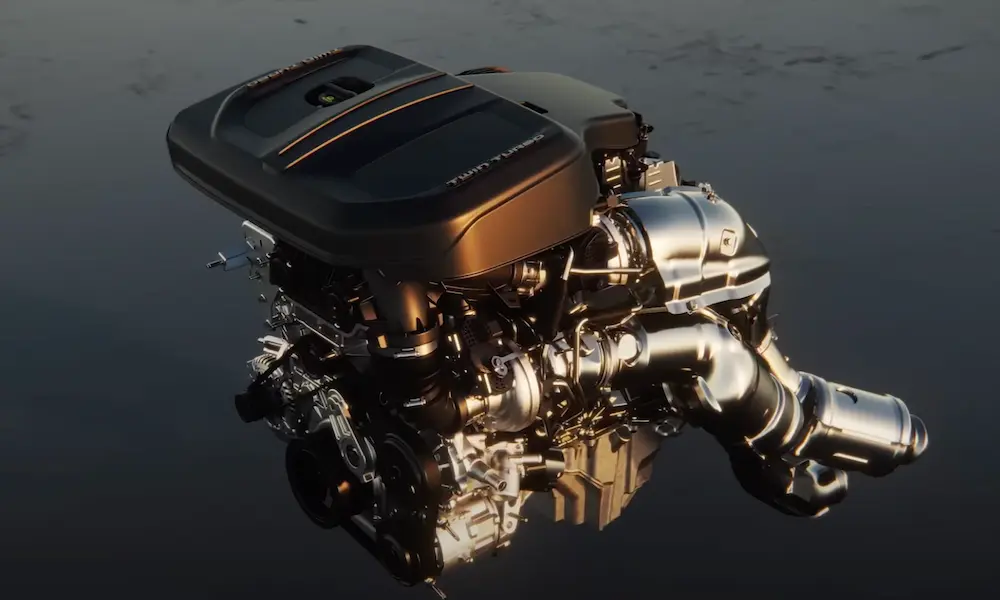
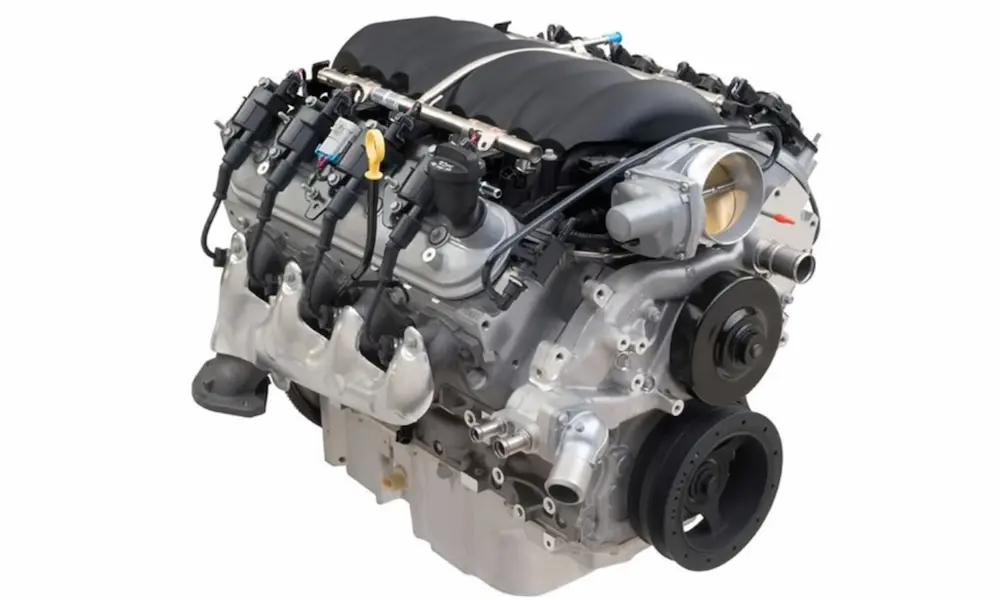
If you’re considering a 2016 or newer Malibu, you need to know about the 1.5L turbo engine issues. This powerplant has become notorious for several problems that can significantly impact reliability.
The most severe issue affects drivers in colder climates, where moisture can freeze in the intake system, blocking airflow and forcing the vehicle into “limp mode.” Imagine being stranded on a frigid morning because your turbocharger decided to take the day off.
Other significant 1.5L turbo problems include:
- Pre-ignition issues causing melted or cracked pistons
- Erratic oil pressure readings without clear fixes
- Frequent check engine light activation
- Excessive carbon buildup
- Premature timing chain wear
One Edmunds reviewer reported: “My 2018 Malibu’s engine failed completely at just 60,000 miles. The dealership confirmed it was related to the known turbo issues, but my warranty had just expired.”
Transmission Woes: CVT Reliability Concerns
The continuously variable transmission (CVT) used in 2019-2025 Malibus isn’t exactly winning reliability awards either. GM has issued service bulletins addressing units that lose forward gear or slip, often caused by a stuck clutch regulator valve.
What’s particularly alarming is that owners have reported transmission failures as early as 18 months and 25,000 kilometers, with some experiencing multiple transmission replacements. One CarGurus forum user wrote: “My mechanic told me he rarely sees CVTs in any vehicle make it past 100,000 miles without significant issues.”
If you’re looking at a Malibu with a CVT, factor in the potential cost of transmission repair or replacement—it’s not a matter of if, but when.
The Dreaded “Shift to Park” Problem
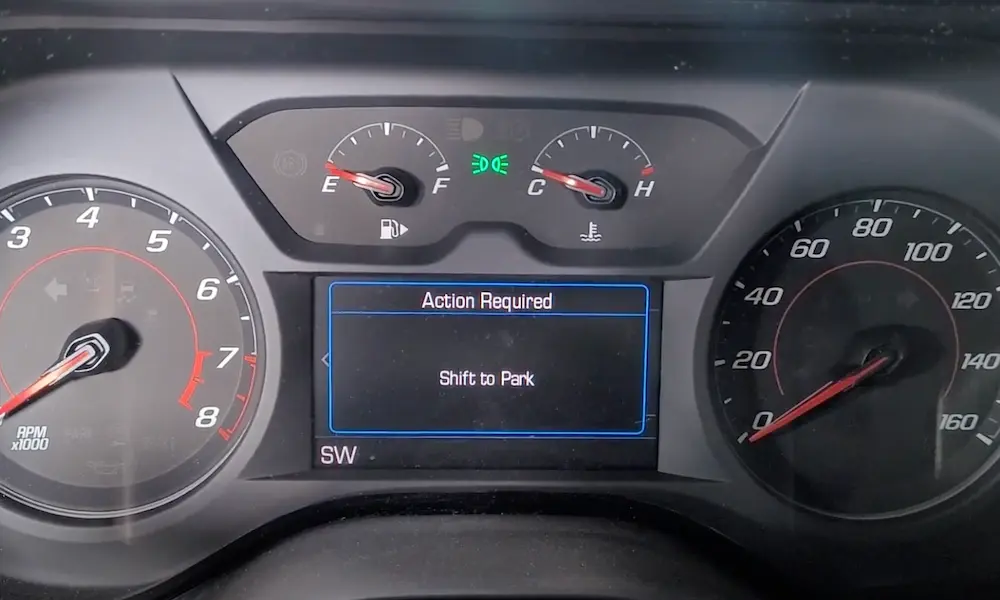
Own a 2016-2021 Malibu? You might already be familiar with the notorious “Shift to Park” malfunction. This widespread issue displays park warnings even when the vehicle is properly parked, preventing normal shutdown and potentially draining the battery.
GM has identified two main causes:
- Defective inline shifter wiring harness
- Malfunctioning micro switch on the floor-mounted shifter
This isn’t just an annoying message—it can leave you stranded with a dead battery if you don’t manually disconnect power. Many owners report having to wiggle the shifter repeatedly to get the system to recognize the vehicle is in park.
Electrical Gremlins That Never Seem to Go Away
Beyond the shift-to-park issue, Malibu owners frequently report other electrical problems:
- Battery drain issues that occur seemingly at random
- Gear shift recognition problems
- Apple CarPlay connectivity issues that frustrate tech-savvy drivers
- Electric power steering system lockups that can make steering dangerously difficult
These electrical problems tend to be intermittent, making them especially frustrating to diagnose and repair. One owner on Chevy Malibu Forum described it as “chasing ghosts in the system.”
Best and Worst Malibu Years: Choose Wisely
Not all Malibu model years are created equal. If reliability is your top priority, here’s what you need to know:
Most Reliable Malibu Years
The 2015 Malibu consistently earns top marks for reliability, with a J.D. Power score of 92 out of 100. This eighth-generation model represents the peak of pre-redesign reliability before the problematic 1.5L turbo engine was introduced.
Generally speaking, the 2012-2015 model years demonstrate superior reliability compared to newer generations. These vehicles avoid the 1.5L turbo engine issues while benefiting from mature manufacturing processes.
Malibu Years to Avoid
Multiple sources recommend avoiding the 2016 models due to early-production issues with the ninth-generation redesign. The 2013-2014 models also receive poor ratings, with Consumer Reports giving the 2014 model “Much Worse” scores across reliability categories.
For maximum peace of mind, steer clear of these model years: 1999, 2000, 2002-2011, 2013, and 2016.
How Does the Malibu Compare to Competitors?
When shopping for a midsize sedan, you have plenty of options. How does the Malibu stack up against its main rivals?
Malibu vs. Honda Accord
The Honda Accord significantly outperforms the Malibu in reliability metrics. iSeeCars assigns the Accord a reliability rating of 9.3 out of 10 compared to the Malibu’s 8.2 out of 10.
The Accord also demonstrates superior resale value retention, losing only 31.5% of its value after five years versus the Malibu’s steep 43.7% depreciation. When you factor in the Accord’s more powerful yet equally efficient engines and higher-quality interior materials, the reliability advantage becomes even more significant.
Malibu vs. Toyota Camry
While direct reliability comparisons are limited in available data, the Toyota Camry consistently ranks higher in Consumer Reports reliability studies. The Camry also offers standard safety features across all trim levels, while the Malibu relegates many safety technologies to optional packages on lower trims.
One Chevy Malibu Forum user who switched from a Malibu to a Camry noted: “After three years with my Camry, I’ve had zero issues compared to the constant trips to the dealer with my Malibu.”
Malibu Recall History: Safety Concerns
The Malibu has experienced multiple significant recalls affecting safety-critical systems:
- 2016-2021 models: Rear seat belt retractor issues
- 2016-2018 models: Passenger airbag system calibration problems
- 2022-2023 models: Front impact bar welding defects requiring vehicle repurchase in some cases
- Various models: Side-impact airbag fabric tearing during deployment
Before purchasing any used Malibu, check the NHTSA website to ensure all recall work has been completed.
Long-Term Ownership Costs: Beyond the Purchase Price
Owning a Malibu involves more than just the initial purchase price. Let’s break down what you can expect to spend over time.
Maintenance and Repair Expenses
The Malibu requires approximately $6,903 in maintenance and repairs over the first 10 years, which is $1,138 above the industry average for sedans. Annual maintenance costs average $532, making it relatively affordable for routine service.
However, the probability of needing a major repair reaches 19.90% by year 10, which is 3.21% worse than similar vehicles in the segment. This suggests a higher likelihood of expensive repairs as the vehicle ages.
Depreciation: The Hidden Cost
Malibu depreciation significantly exceeds segment averages, with vehicles losing 52% of their value after five years. This results in a five-year resale value of approximately $14,840 for a vehicle with an original MSRP of $30,635.
| Year | Average Depreciation | Residual Value |
|---|---|---|
| 1 | 24% | $23,283 |
| 3 | 38% | $18,994 |
| 5 | 52% | $14,840 |
The steep depreciation makes Malibus attractive used car purchases but poor choices for buyers concerned about value retention.
What Malibu Owners Love and Hate
The Good Stuff
Current Malibu owners frequently praise:
- Spacious interior with comfortable seating for long trips
- Excellent fuel economy achieving up to 500 miles per tank on highway trips
- Quiet cabin at highway speeds (in models without excessive wear)
- Responsive handling and tight steering feel
- Massive trunk space for luggage and shopping
The Complaints
Recurring owner concerns include:
- Underpowered 1.5L turbo engine requiring full throttle for highway merging
- Road and tire noise becoming excessive at interstate speeds
- Dated interior materials with extensive hard plastic surfaces
- Transmission problems causing jerking and hesitation
- Build quality issues including loose bumper panels and squeaky components
Smart Buying Strategies for Malibu Shoppers
If you’ve decided the Malibu is right for you despite its reliability concerns, here’s how to minimize your risk:
Best Purchase Strategy
For maximum reliability, consider the 2012-2015 model years, particularly the 2015 model with its exceptional J.D. Power rating. These vehicles avoid the problematic 1.5L turbo engine while offering mature, debugged systems.
If purchasing a current-generation model (2016+), avoid early 2016 models and focus on 2020-2021 years which show improved J.D. Power scores. Ensure any used Malibu has completed all relevant recall repairs and consider vehicles with remaining powertrain warranty coverage.
Essential Maintenance Tips
To maximize your Malibu’s reliability:
- Use only Dexos 1 full-synthetic oil as specified by GM
- Maintain regular oil change intervals (every 5,000 miles) to protect the turbocharger
- Address electrical issues promptly to prevent battery drain problems
- Install radiator covers in cold climates to mitigate turbo freeze issues
- Listen for unusual transmission sounds and have them checked immediately
Is the Chevy Malibu Reliable Enough for You?
The Chevrolet Malibu offers adequate reliability for buyers prioritizing value over long-term dependability. Current-generation models show improvement over previous iterations but still face significant powertrain challenges that make them riskier choices than established competitors like the Honda Accord or Toyota Camry.
The Malibu’s primary advantages lie in lower purchase prices, spacious interiors, and competitive fuel economy, but these benefits come with trade-offs in reliability, resale value, and potential repair costs.
For buyers seeking maximum reliability, Japanese alternatives remain superior choices. However, for cost-conscious consumers willing to accept moderate reliability risks in exchange for significant purchase price savings, the Malibu represents a reasonable compromise—particularly when purchased used after the steepest depreciation curve.
The bottom line? The Chevy Malibu can be reliable if you choose the right model year, maintain it properly, and understand its limitations. Just don’t expect Toyota-level dependability from this American sedan.