If your GM truck or SUV is guzzling oil faster than gas, you’re not imagining things. Three separate engine families—spanning over a million vehicles—have been caught in a web of recalls, settlements, and lawsuits that could put money back in your pocket. But here’s the kicker: depending on where you live and when you act, you might get thousands of dollars or absolutely nothing.
The Three GM Engines Burning Through Oil (And Your Wallet)
General Motors didn’t just mess up one engine. They’ve got a trilogy of oil consumption nightmares, each with its own villain origin story.
The 2.4L Ecotec: Death by a Thousand Drips
The 2010-2017 Chevy Equinox and GMC Terrain came loaded with a 2.4L Ecotec engine that couldn’t keep oil where it belonged. GM’s push for better fuel economy led them to slap on ultra-thin piston rings with a protective coating that wore off faster than cheap nail polish.
Here’s what happens inside your engine:
The Failure Cascade
- Piston ring coating breaks down
- Oil sneaks past worn rings into combustion chambers
- Burned oil leaves carbon deposits
- Carbon clogs ring grooves, making them stick
- Stuck rings can’t seal properly
- Oil consumption skyrockets to 1 quart per 1,000 miles
The carbon buildup creates “zebra striping” on cylinder walls—a telltale sign your engine’s already toast. But wait, there’s more. That disappearing oil starves your timing chain tensioner, causing the chain to rattle, jump teeth, or snap completely. In an interference engine, that means valves smashing into pistons.
The Berman v. General Motors settlement offered some relief, but only if you owned a 2010-2013 model. GM convinced the court that design changes after 2013 fixed everything. Spoiler alert: owners of 2014-2017 models still report identical problems, but they’re locked out of the settlement.
The 5.3L Vortec: When Fuel-Saving Tech Destroys Engines
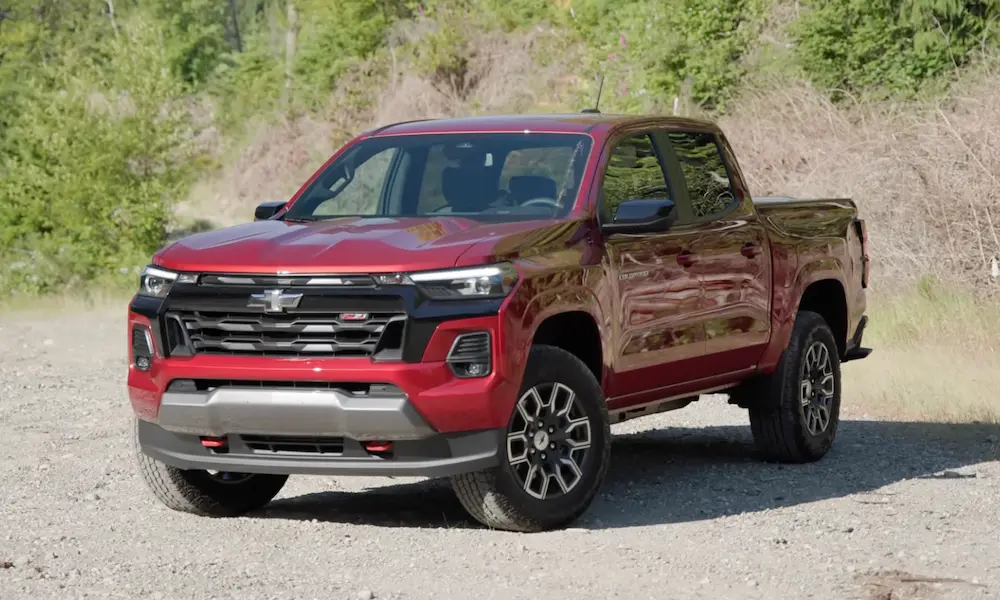
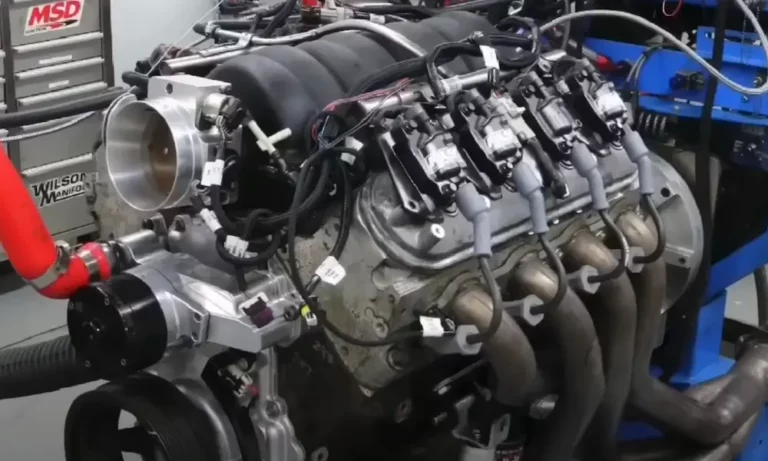
GM’s 2011-2014 trucks—Silverado, Sierra, Tahoe, Yukon, and Suburban—came with a 5.3L V8 that had a fatal flaw: Active Fuel Management (AFM). This cylinder deactivation system was supposed to save gas. Instead, it created an oil-spraying disaster.
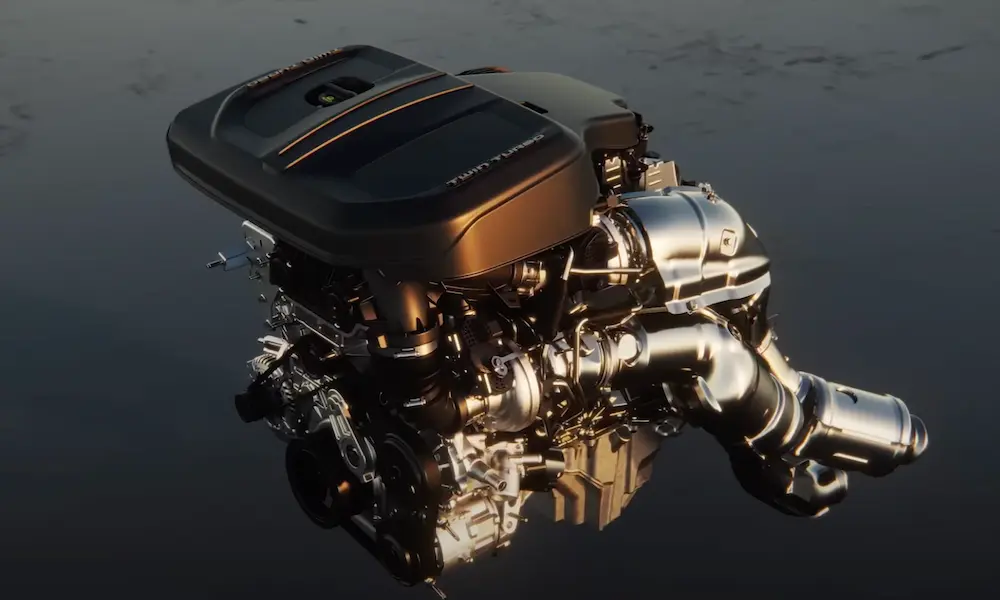
The AFM pressure relief valve literally jets oil onto the bottom of your pistons. The low-tension piston rings (again, for fuel economy) can’t handle the flood. Add in a PCV system that sucks oil mist into the intake, and you’ve got carbon deposits welding your rings in place.
The Siqueiros v. General Motors settlement just wrapped up in 2025 with a $150 million fund. But here’s where geography screws you over.
Who Gets Paid in the Siqueiros Settlement
| Your State | Your Check | The Deadline |
|---|---|---|
| California | $2,149-$3,300 | August 8, 2025 |
| Idaho | $2,149-$3,300 | August 8, 2025 |
| North Carolina | $2,149-$3,300 | August 8, 2025 |
| Anywhere else | $0 | You’re out of luck |
If you bought your 2011-2014 GM truck in Texas, Florida, or 47 other states, you don’t qualify. The exact same defective engine, zero compensation. A separate settlement in Oklahoma paid owners just $700—proof that where you bought your truck matters more than the defect itself.
The 6.2L L87: The Catastrophic Failure King
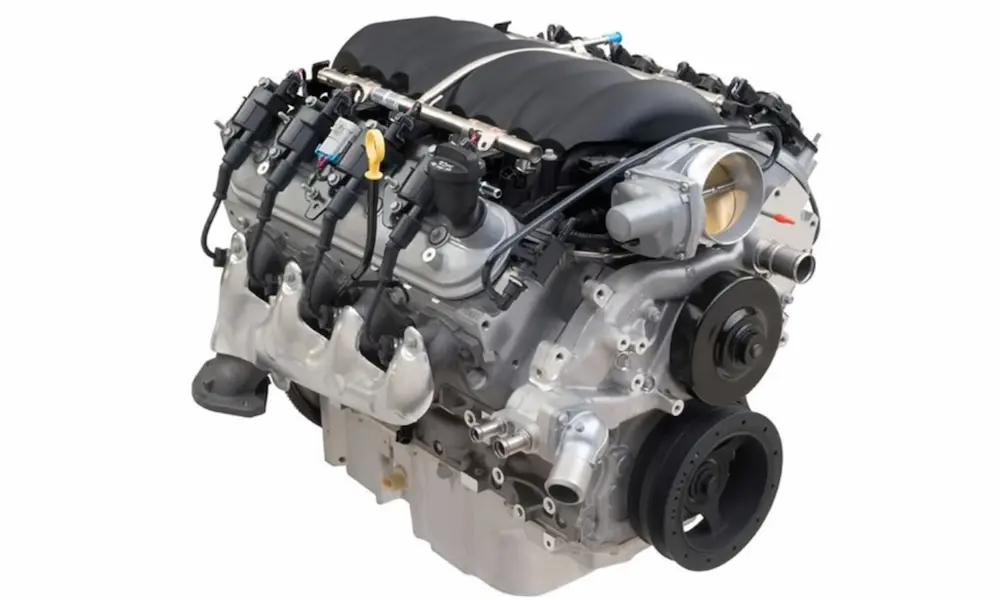
The newest disaster involves 2019-2024 Cadillac Escalades, high-end Silverados, and GMC Denalis with the 6.2L V8. Unlike the slow oil burn of older engines, this one fails explosively.
Manufacturing screw-ups at GM’s Tonawanda plant created crankshafts and connecting rods with wrong clearances. The connecting rod bearings disintegrate—sometimes under 5,000 miles. When a bearing seizes, the connecting rod snaps and punches a hole through the engine block.
That’s not just an expensive repair. It’s a safety crisis:
- Instant loss of power on the highway
- Hot oil spraying onto exhaust components
- Potential engine fires
- Oil slicks left on roadways
NHTSA opened Preliminary Evaluation PE25001 in January 2025 after 39 complaints. By April, GM issued Safety Recall 25V-274 covering 597,630 vehicles. But the investigation expanded again in late 2025 to nearly 900,000 vehicles when NHTSA got 1,100+ more complaints from 2019-2020 model owners left out of the original recall.
GM’s Band-Aid Fix: Just Use Thicker Oil
Part of the 6.2L recall remedy involves switching from 0W-20 to 0W-40 oil. That’s basically GM admitting the original spec didn’t protect the engine.
Thicker oil creates a better cushion between metal parts, but it can’t fix a defective crankshaft. It’s like putting a bigger Band-Aid on a bullet wound—it might delay the bleed-out, but it won’t save you.
The Oil Consumption Test: GM’s Warranty Gatekeeper
If you’re not covered by a recall or settlement, you’ll face GM’s infamous oil consumption test from TSB 01-06-01-011. It’s designed to make you prove your engine’s defective, and it’s rigged against you.
The Test Process
- Dealer changes your oil to exact specification
- They seal the drain plug, filter, and dipstick with tamper-evident lacquer
- You drive 500-1,000 miles without adding oil
- Dealer measures how much oil you lost
Here’s the scam: GM considers up to 1 quart per 2,000 miles normal. On a 7,500-mile oil change interval, that means losing nearly half your oil is “acceptable.” If your engine seizes because you followed the oil life monitor instead of obsessively checking the dipstick, GM blames you for negligence.
The dipstick itself is another trap. According to the TSB, the markings aren’t evenly spaced. The top notch might represent 0.24 quarts, while the bottom represents just 0.14 quarts. What looks like “half a quart low” could be dangerously less.
Special Coverage Adjustments: Already Expired
Instead of safety recalls, GM used Special Coverage Adjustments (SCAs) for the 2.4L engine—basically extended warranties for specific VINs.
The SCA Timeline (All Expired)
| Model Year | Coverage Code | Duration | When It Ended |
|---|---|---|---|
| 2010 | SCA 14159 | 10 years/120k miles | 2020 |
| 2011 | SCA 15285 | 7.5 years/120k miles | 2018-2019 |
| 2012 | SCA 16118 | 7.5 years/120k miles | 2019-2020 |
A 2012 Equinox bought in January 2012 lost coverage in July 2019—right before the Berman settlement finalized. Thousands of owners aged out before they could get free repairs, leaving them with $3,000+ engine replacement bills.
What You Should Do Right Now
Your next move depends on which engine is eating your oil.
If You Own a 2011-2014 GM Truck (5.3L)
Check if you’re eligible for the Siqueiros settlement. You must have:
- Purchased the vehicle new in California, Idaho, or North Carolina
- Owned it as of May 23, 2022
File your claim before August 8, 2025. After that, the door slams shut permanently. If you’re in another state, you’re stuck with regular warranty channels or state lemon laws.
If You Own a 2019-2024 GM Vehicle with 6.2L
- Check your VIN against Recall 25V-274
- Schedule the dealer inspection ASAP
- If your model year isn’t covered but you’re having issues, file a complaint with NHTSA—your complaint could force GM to expand the recall
- Document everything: oil consumption, dealer visits, repair costs
If You Own a 2010-2017 Equinox or Terrain (2.4L)
The Special Coverage windows are closed. Your options:
Option 1: Manage It
- Switch to high-quality synthetic oil
- Change oil every 3,000 miles (ignore the 7,500-mile recommendation)
- Check your dipstick weekly
- Budget for adding 1-2 quarts between changes
Option 2: Sell It
Dealerships know about this defect. They’ll lowball you by the cost of engine replacement ($3,000-$4,500). Private buyers might not know, but that’s ethically questionable.
Option 3: State Lemon Law
If you’re still within your state’s lemon law window and have documented repeated failures, you might force GM to buy back the vehicle. Requirements vary by state, but typically you need:
- 3-4 repair attempts for the same issue
- 30+ days out of service
- Issues starting within warranty period
The Geographic Justice Gap
The most infuriating part of the GM oil consumption saga is how your location determines your compensation. Two identical 2012 Silverados, both burning a quart of oil every 1,000 miles, get wildly different treatment:
San Diego truck owner: $3,300 settlement check
Dallas truck owner: Nothing
This isn’t an accident. It’s the result of court decisions like Bristol-Myers Squibb that make nationwide class actions harder to certify when state consumer protection laws differ. California’s Song-Beverly Act gives consumers far stronger protections than most states.
What This Means for Your Vehicle’s Value
If you’re planning to sell or trade your GM vehicle, the oil consumption stigma already tanked its value.
Trade-in Reality Check
- 2010-2017 Equinox/Terrain: Automatic $3,000-$4,000 deduction at wholesale
- 2011-2014 Silverado/Sierra (5.3L): $1,500-$2,500 hit, depending on mileage
- 2019-2024 trucks (6.2L): Value protected by recall status for now
The settlement-eligible California trucks are technically worth more than identical trucks in non-settlement states because they come with a $2,000+ claim attached. It’s bizarre, but it’s real.
The Bottom Line
The GM oil consumption recall isn’t one problem—it’s three separate engineering failures spanning 15 years and over a million vehicles. Whether you get compensated depends on:
- Which engine you have
- When you bought it
- Where you bought it
- Whether you act before deadlines pass
If you own a 2011-2014 GM truck in California, Idaho, or North Carolina, you’ve got until August 8, 2025 to claim your piece of the $150 million settlement. Miss that date, and you’re done.
If you own a 2019-2024 vehicle with the 6.2L, get your VIN checked against the recall immediately. If you’re excluded but experiencing failures, file a NHTSA complaint—it’s the only way to force GM to expand the recall.
And if you’re stuck with a 2.4L Ecotec outside any settlement window? Start checking that dipstick every fill-up, because GM’s idea of “normal” oil consumption could leave you stranded with a seized engine and a denied warranty claim.
The oil consumption recall proves that geography, timing, and documentation matter just as much as having a defective engine. Don’t let arbitrary deadlines or state borders cost you thousands.