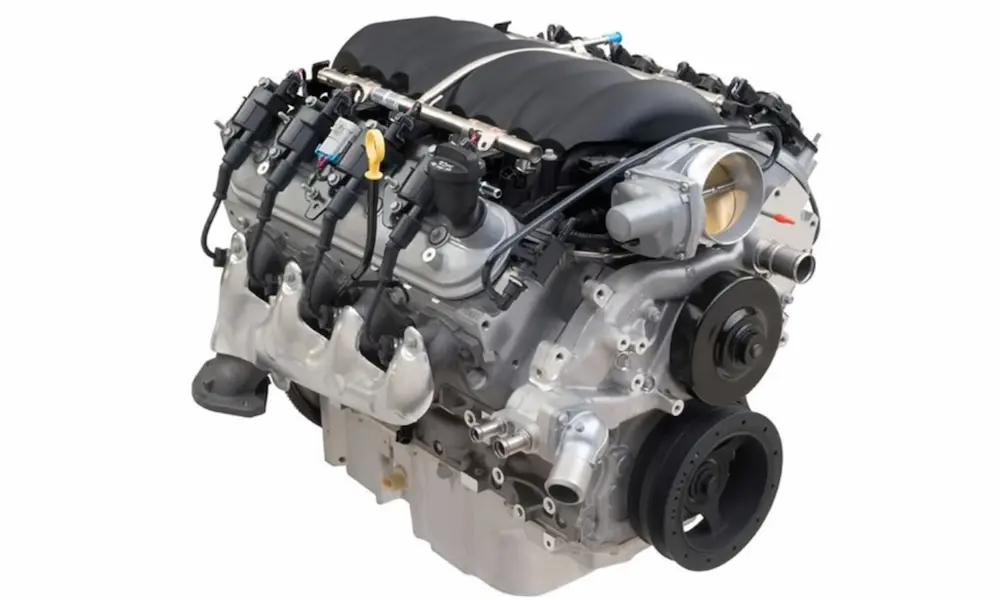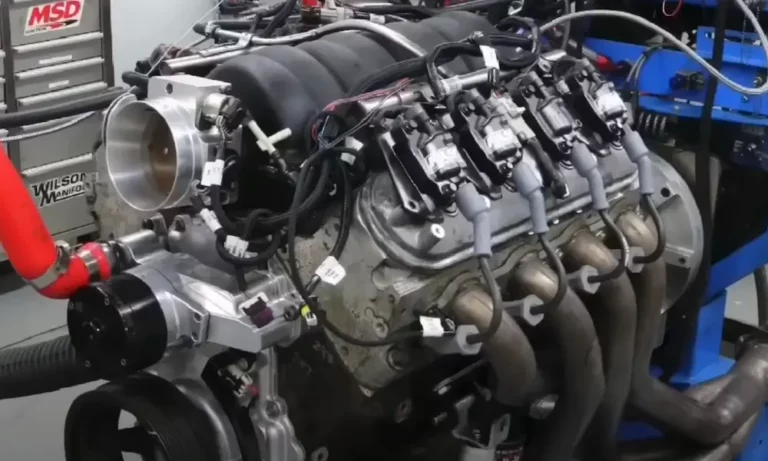
If you’re driving a GM truck or SUV with the 6.2L engine and you’ve heard knocking sounds or seen the check engine light flicker on, you’re probably feeling that pit in your stomach. This isn’t just routine maintenance—it’s a recall affecting nearly 600,000 vehicles. Here’s what’s happening, what GM’s doing about it, and what you should do next.
What’s Actually Wrong with the GM 6.2L Engine?
The GM 6.2 engine recall centers on a serious defect in the engine’s rotating assembly. In plain English, the bearings that support the crankshaft can fail catastrophically.
Here’s what went wrong: GM found two manufacturing defects from their supplier. First, hard sediment particles got trapped in the crankshaft oil passages. Second, some crankshafts didn’t meet the right surface finish specs—they were rougher than they should be.
When you combine these problems with the super-thin 0W-20 oil GM originally specified, the bearings don’t get enough protection. The oil film is too thin to cushion those rough spots and debris. Metal grinds on metal, heat builds up, and the bearing literally welds itself to the crankshaft.
The worst-case scenario? The connecting rod snaps, punches a hole through your engine block, and you’re stranded on the highway with oil leaking onto hot exhaust components.
Which Vehicles Are Affected?
The NHTSA Safety Recall 25V-274 covers these vehicles built between March 1, 2021, and May 31, 2024:
| Make | Models Affected |
|---|---|
| Chevrolet | Silverado 1500, Suburban, Tahoe |
| GMC | Sierra 1500, Yukon, Yukon XL |
| Cadillac | Escalade, Escalade ESV |
That’s 597,630 trucks and SUVs—and the number might grow. The NHTSA just opened a separate investigation (EA25-007) into 2019-2020 models after receiving 173 failure reports from vehicles outside the recall window.
If you own a 2019 or 2020 model, you’re not officially part of the recall yet, but federal regulators are taking a hard look at expanding it.
How GM Plans to Fix It (and Why It’s Controversial)
Here’s where things get interesting. Instead of replacing every potentially defective engine, GM’s doing a two-step approach that’s raising eyebrows.
Step 1: The Inspection
Dealers use a high-tech diagnostic tool called a PicoScope to listen for bearing damage that’s not yet audible. Think of it as an ultrasound for your engine. They’re looking for specific vibration frequencies that signal a damaged bearing.
If your engine fails this test or shows visible problems (like metal shavings in the oil filter), GM replaces the entire engine with a new assembly.
Step 2: The Oil Switch
If your engine passes the inspection, GM doesn’t touch the hardware. Instead, they drain out the 0W-20 oil and replace it with Mobil 1 Supercar 0W-40 synthetic oil—the same stuff that goes in Corvettes.
They’ll also install a new oil cap that says “0W-40” so future mechanics don’t accidentally put the wrong oil back in.
Why This Matters
This oil change is basically GM admitting the original 0W-20 specification couldn’t protect bearings that weren’t perfect. The thicker 0W-40 oil creates a stronger protective film that can handle the rough crankshaft surfaces and debris.
But here’s the catch: the oil doesn’t fix the underlying defect. It just makes the engine more tolerant of it. The sediment’s still there. The rough surfaces are still rough. You’re just getting better protection.
The Extended Warranty You Need to Know About
GM’s offering a 10-year/150,000-mile extended warranty on the crankshaft and connecting rods for affected vehicles. This coverage starts from your original purchase date and transfers to future owners.
Important limitation: This warranty only covers failures from the bearing defect. It doesn’t cover the valve lifter problems or fuel injector issues that plague these engines (more on those below).
Already Paid for Repairs? You Might Get Your Money Back
If you paid out-of-pocket for engine repairs related to this defect before the recall was announced, GM will reimburse you.
You’ll need:
- Original receipts and invoices
- Proof of payment
- A repair order clearly describing the bearing/seizure issue
Mail everything to:
GM Reimbursement Department
PO Box 33170
Detroit, MI 48232-5170
Warning Signs Your Engine Is Failing
Don’t wait for total failure. Watch for these symptoms:
Early warning signs:
- Rhythmic knocking or banging noise that gets louder with RPMs
- Check engine light with codes P0016 (cam/crank correlation) or knock sensor codes
- Oil pressure fluctuations
- Metallic ticking that sounds like marbles in a can
Late-stage symptoms:
- Loud rod knock (sounds like someone hitting the engine with a hammer)
- Severe vibration
- Loss of power
- Oil pressure warning light
If you hear knocking, stop driving immediately. Continuing to run the engine can turn a repairable problem into a $15,000 engine replacement.
The Other Problems GM Won’t Recall
The bearing defect isn’t the only issue with the 6.2L L87 engine. Owners report two other major failures that GM treats as warranty issues, not safety recalls.
Valve Lifter Failures
The Dynamic Fuel Management (DFM) system uses sophisticated lifters that collapse to deactivate cylinders for better fuel economy. These lifters fail regularly, causing:
- Loud ticking or chirping on cold starts
- Random misfire codes (P0300)
- Bent pushrods
- Cylinder misfires
GM issued Technical Service Bulletin 19-NA-218 covering this, but it’s not part of the recall. Repair requires removing the cylinder heads—a labor-intensive job that can cost $3,000-$5,000 if you’re out of warranty.
Fuel Injector Hydrolock
Direct injection fuel injectors can stick open, flooding a cylinder with liquid fuel while the engine’s off. When you try to start the engine, the piston hits that incompressible liquid and bends the connecting rod.
This sets code P050D (Cold Start Rough Idle) before total failure. The tricky part? A bent rod from hydrolock looks identical to a bent rod from bearing failure, but only one is covered by the recall.
Some dealers initially blame the recall, then deny coverage when they find the bearing’s fine but the rod’s bent from an injector issue.
What to Do Right Now
If your vehicle is part of the recall:
- Check your VIN at NHTSA’s recall lookup
- Schedule the inspection with your dealer (don’t ignore the recall notice)
- Don’t attempt to drive if you hear knocking sounds
- Keep all maintenance records
If you own a 2019-2020 model:
- Monitor the NHTSA investigation for updates
- Consider switching to 0W-40 oil voluntarily (discuss with your dealer first)
- Document any engine issues thoroughly
- File a complaint with NHTSA if you experience problems
For all owners:
- Use only the specified oil weight for your vehicle
- Change oil more frequently than recommended (every 5,000 miles instead of 7,500)
- Avoid extended idling and short trips that stress the DFM system
- Keep repair receipts for everything
The Legal Landscape
Multiple class-action lawsuits are targeting GM over these engine problems.
Harrison v. General Motors LLC focuses on the valve lifter defect, arguing GM concealed a known problem to keep selling premium-priced trucks. The court denied GM’s motion to dismiss, so the case is moving forward.
New lawsuits about the bearing defect argue that the oil change “fix” is inadequate because it doesn’t correct the underlying manufacturing defect. Plaintiffs claim the thicker oil might hurt fuel economy, making the vehicles non-compliant with advertised MPG ratings.
State lemon laws are also coming into play. If your truck sits at the dealer for 30+ days waiting for a replacement engine (there’s a massive backlog), you might qualify for a buyback at full purchase price.
What About 2025 Models?
GM claims they fixed the problem for 2025. Vehicles built after May 31, 2024, supposedly use corrected crankshafts and connecting rods. The new replacement engine (part number 12740076) confirms physical changes were made.
However, 2025 owner’s manuals still specify 0W-20 oil, creating confusion. If the “defect” is fixed, why do identical 2024 engines require 0W-40?
Many 2025 owners are voluntarily switching to 0W-40 for peace of mind, which could create warranty disputes down the road.
The Bottom Line
The GM 6.2 engine recall represents a massive quality control failure. GM chose ultra-thin oil to meet fuel economy standards, but that decision left zero margin for manufacturing defects.
The 0W-40 oil “fix” buys time and protection, but it doesn’t remove the sediment or smooth the rough crankshafts. Think of it as a stronger bandage, not a cure.
If you own one of these trucks, stay vigilant. Get the recall service done. Watch for warning signs. Keep meticulous records. And if you’re shopping for a used GM truck, think twice about 2019-2024 models with the 6.2L engine—or at least verify the recall work was completed and negotiate accordingly.
The real test will come in five years when we see if these “fixed” engines with thicker oil actually hold up, or if we’re just delaying the inevitable.