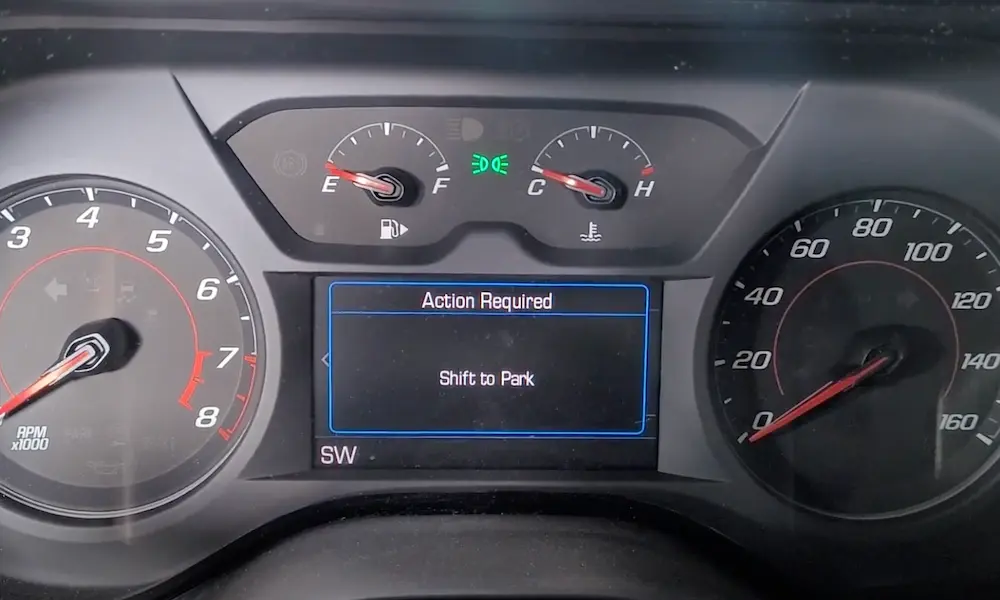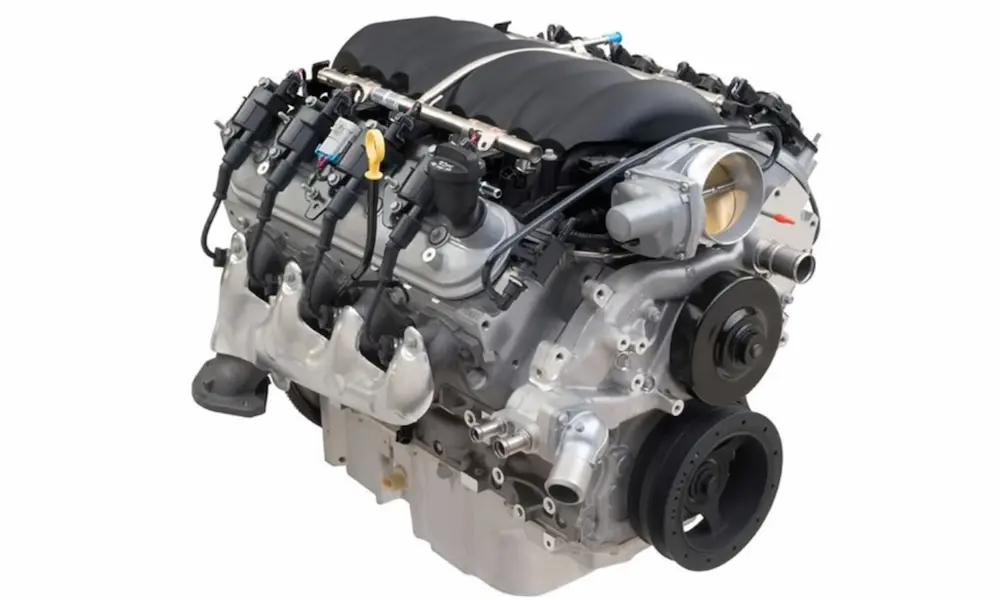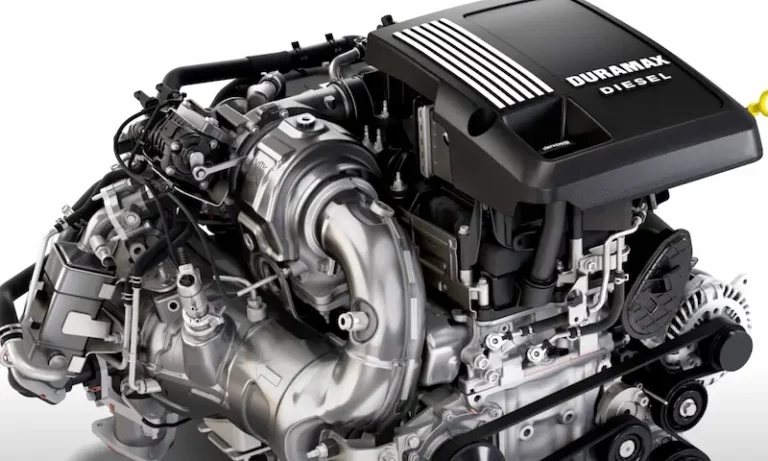
Your truck’s acting weird. Maybe it’s smoking more than usual, or you’ve got a check engine light that won’t quit. If you’re driving a 6.6 Duramax, you’re not crazy—these engines have specific issues that pop up across different model years. Let’s break down what goes wrong, why it happens, and what you can do about it.
Why the 6.6 Duramax Has a Love-Hate Relationship with Owners
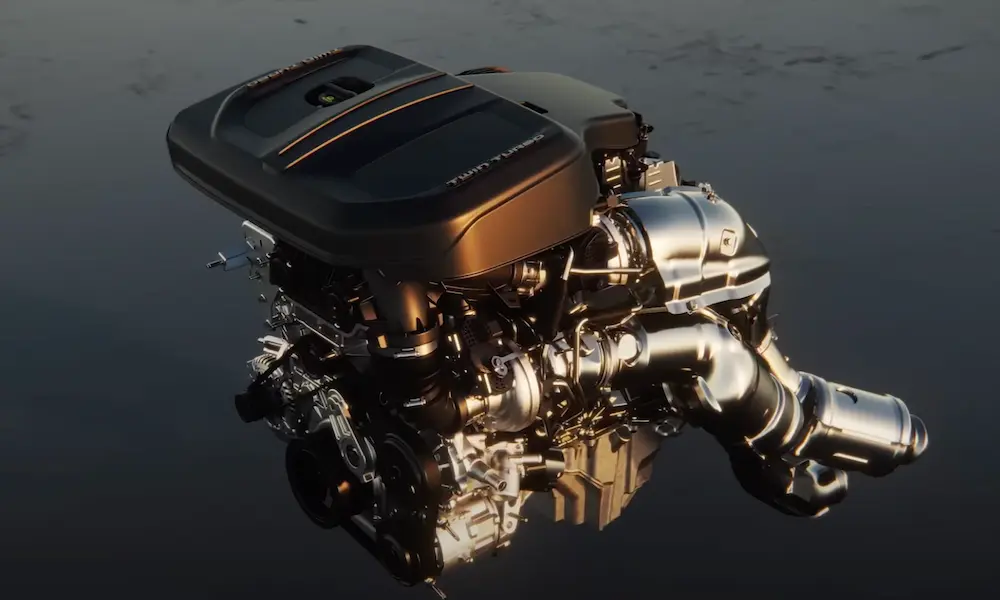
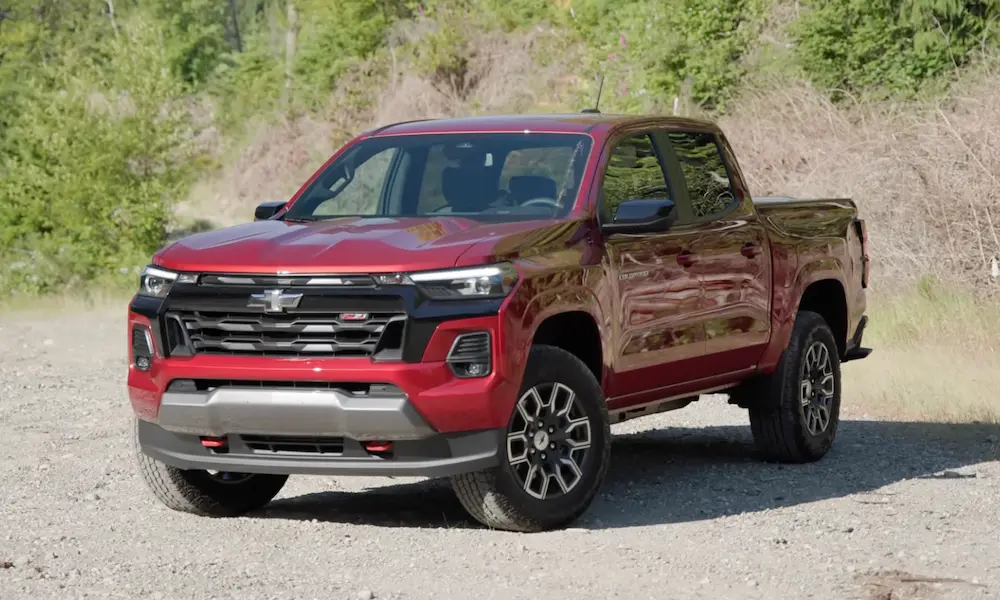
The 6.6 Duramax diesel engine powers Chevy Silverado and GMC Sierra heavy-duty trucks. It’s got serious towing capability and can rack up impressive mileage—when everything’s working right.
But here’s the thing: certain model years have chronic problems that’ll drain your wallet faster than fuel at full throttle. We’re talking injector failures, fuel pump disasters, and emissions headaches that require professional diagnosis.
Understanding which generation you’ve got and what typically fails will save you from getting blindsided by a five-figure repair bill.
LB7 (2001–2004): The Injector Nightmare
The original Duramax seemed promising until owners started noticing a pattern. Injector failure became so common that GM issued a recall.
What Goes Wrong
Your injectors spray fuel into the cylinders. When they fail, you’ll see:
- Thick white or black smoke pouring from the exhaust
- Rough idle that shakes the whole cab
- Power loss when you need it most
- Fuel contaminating your engine oil
The LB7’s injectors sit inside the valve covers, so when they leak, fuel seeps into places it shouldn’t. This complicates diagnosis and drives up repair costs.
The Real Cost
Replacing all eight injectors isn’t cheap. You’re looking at several thousand dollars in parts and labor because accessing them requires serious disassembly.
If you’re shopping for a used Duramax, early LB7 models are risky bets unless the injectors have already been replaced.
LLY (2004–2005): When Bigger Turbos Create Bigger Problems
GM moved the injectors outside the valve covers on the LLY, fixing one problem but creating others. This generation introduced head gasket failures and chronic overheating.
The Overheating Issue
The LLY came with a larger turbocharger that pushed more air—and created more heat. Unfortunately, GM paired it with smaller radiators and inadequate cooling fans.
You’ll notice:
- Temperature gauge climbing during heavy towing
- Coolant loss without visible leaks
- Upper radiator hose staying firm overnight (sign of combustion gases in cooling system)
- Reduced performance in hot weather
Head Gasket Failures
When your cooling system can’t keep up, head gaskets give up. This isn’t a quick fix—you’re facing major engine disassembly and bills that’ll make you wince.
Aftermarket turbo inlet manifolds help reduce heat and improve airflow, but prevention beats repair every time.
LBZ (2006–2007) & LMM (2007–2010): The Sweet Spot Gets Complicated
The LBZ is often called the most reliable Duramax generation. It fixed many LLY issues and arrived before emissions regulations got crazy.
LBZ: Mostly Good News
LBZ engines handle modifications better than other generations. They can suffer from cracked pistons at high horsepower, but stock configurations rarely have major issues.
If you’re buying used, LBZ trucks command premium prices because people know they’re solid.
LMM: Welcome to Emissions Hell
Then came 2007 and federal emissions requirements. The LMM introduced diesel particulate filters (DPF) and larger EGR systems.
DPF clogging became the new headache. These filters trap soot from your exhaust, then burn it off during “regeneration cycles.”
Sounds great in theory. In practice:
- Short trips don’t let the DPF regenerate properly
- Filters clog with soot and ash
- Warning lights appear constantly
- Fuel economy tanks
- Power gets restricted
You need highway driving to keep the DPF happy. City-only trucks suffer the most.
LML (2011–2016): The CP4 Fuel Pump Disaster
If there’s one Duramax generation to avoid, it’s the LML. Not because the engine design is fundamentally bad, but because of one catastrophic component: the Bosch CP4 fuel pump.
When the CP4 Dies, Everything Dies
Earlier Duramaxes used the CP3 fuel pump. It was reliable. Then GM switched to the CP4 to meet emissions standards.
The CP4 fails spectacularly. When it goes, metal shavings contaminate your entire fuel system. You’ll need to replace:
- The fuel pump itself
- All eight injectors
- Fuel rails and lines
- Sometimes the fuel tank
Repair costs regularly exceed $12,000–$15,000. Compare that to pre-2011 models, where fuel system repairs average around $3,200.
Other LML Problems
As if the CP4 wasn’t enough, LML owners also deal with:
- DEF heater failures that prevent starting
- DPF clogging requiring expensive replacement
- NOx sensor failures triggering limp mode
- Fuel filter housing cracks causing leaks
- Electrical gremlins
Some owners love their LMLs despite the risks. Others learned expensive lessons.
L5P (2017–Present): Modern Power, Modern Problems
The current-generation L5P brought improvements—more horsepower, better emissions compliance, and sophisticated electronics.
It also brought extreme electronic complexity that makes DIY repairs challenging.
The Good Stuff
The L5P produces 445 horsepower and 910 lb-ft of torque in its latest form. It tows like a beast and runs cleaner than any previous Duramax.
The Frustrating Stuff
Owners report constant check engine lights for emissions-related faults. DPF and EGR efficiency codes pop up regularly, often requiring dealer-level diagnostics.
The L5P still uses the CP4 fuel pump, so that disaster waiting to happen remains.
Software issues plague many trucks. Module failures and electronic miscommunications can leave you stranded. Advanced encryption limits what aftermarket tools can access.
Recent Recalls
GM issued recalls for transmission valve failures that risk rear-wheel lock-up. The fix? Often just a software update rather than hardware replacement.
That doesn’t inspire confidence among fleet operators who depend on these trucks daily.
Common Problems Across All Duramax Generations
Some issues don’t respect model years—they’ll bite you regardless of which Duramax you’re driving.
Injector Balance Rate Issues
Balance rates tell you if injectors are performing consistently. Check them with a scan tool at full operating temperature, in park or neutral, with no load.
For LB7, LLY, and LBZ engines, acceptable rates fall within ±4 mm³/sec. LML engines should stay within ±2.5 mm³/sec.
Anything outside these ranges signals injector failure requiring replacement.
Turbocharger Failures
Turbos fail across all generations when:
- Oil changes get neglected
- Low oil levels starve bearings
- Contaminated fuel damages components
- Excessive exhaust gas temperatures cook seals
Common turbo failure symptoms include oil leaks, blue smoke, whistling noises, and power loss.
Check for side-to-side shaft play and bearing wear during oil changes.
DPF and DEF System Headaches
Post-2007 trucks deal with emissions systems that require highway driving to function properly.
DPF problems show up as:
- Persistent warning lights
- Frequent regeneration attempts
- Reduced power output
- Increased fuel consumption
- Hard starting or no-start conditions
DEF (diesel exhaust fluid) systems add another layer of complexity. Heater failures prevent operation in cold weather, and quality issues with DEF can damage expensive components.
Diagnostic Strategies That Actually Work
Throwing parts at problems wastes money. Smart diagnosis saves thousands.
For Injector Problems
Run a balance rate test using a quality scan tool. Do this when the engine’s fully warmed up, in park or neutral, with no accessories running.
Record the results and compare them to specifications for your engine generation.
For Head Gasket Issues
Check for:
- Coolant overflow without visible leaks
- Firm upper radiator hose when engine’s cold
- Combustion gases in coolant (use a block tester)
- Pressure loss in cooling system
Don’t ignore these signs. Head gasket repairs only get more expensive the longer you wait.
For DPF and Emissions Faults
Your scan tool should show:
- DPF soot loading percentage
- Regeneration cycle frequency
- Temperature readings during regen
- Differential pressure sensor values
Excessive regeneration attempts or failed cycles point to filter clogging or sensor failures.
For Turbocharger Diagnosis
Inspect during oil changes:
- Check oil quality and level
- Look for shaft play in turbo
- Examine for oil leaks around seals
- Check for discoloration indicating excessive heat
Catching turbo problems early prevents debris from entering your engine.
Which Duramax Years to Avoid
Based on reliability data and owner experiences:
Definitely Avoid:
- 2001-2004 (LB7) unless injectors have been replaced
- 2011-2016 (LML) unless CP4 pump has been upgraded
Proceed with Caution:
- 2004-2005 (LLY) if you tow heavy or live in hot climates
- 2007-2010 (LMM) if you do mostly short trips
Generally Safe Bets:
- 2006-2007 (LBZ) are the reliability champions
- 2017+ (L5P) if you can live with emissions complexity
Maintenance Tips That Prevent Catastrophic Failures
You can’t eliminate all Duramax problems, but smart maintenance reduces risk dramatically.
Fuel Quality Matters
Low-quality diesel accelerates injector and fuel pump wear. Contaminated fuel destroys expensive components.
Use top-tier fuel from busy stations with good turnover. Consider fuel additives that provide extra lubrication—especially important with the CP4 pump.
Oil Changes Can’t Be Skipped
Turbocharged diesel engines are brutal on oil. Extended intervals invite turbo failure and bearing damage.
Change oil every 5,000 miles or less if you tow heavy. Use quality diesel-rated oil that meets Duramax specifications.
Let It Breathe
Replace air filters regularly. Restricted airflow forces your turbo to work harder and creates excess heat.
Check intercooler boots for cracks and leaks. Boost leaks kill performance and efficiency.
Highway Miles Help Emissions Systems
DPF systems need sustained highway speeds to regenerate properly. If you only drive short distances, plan occasional highway runs to keep the filter clean.
Alternatively, find a shop that can perform forced regenerations when needed.
Monitor Coolant Religiously
LLY owners especially need to watch cooling system health. Check coolant level weekly during heavy use.
Upgrade to better radiators and fans if you tow in hot conditions.
Real Repair Costs You Should Expect
Here’s what you’ll actually pay when things go wrong:
| Problem | Generation | Typical Cost Range |
|---|---|---|
| Injector replacement (all 8) | LB7/LLY | $3,000–$5,000 |
| CP4 fuel system failure | LML/L5P | $12,000–$15,000 |
| Head gasket replacement | LLY | $2,500–$4,000 |
| Turbocharger replacement | All | $1,500–$3,500 |
| DPF replacement | LMM/LML/L5P | $2,000–$4,000 |
| DEF heater replacement | LML/L5P | $400–$800 |
These aren’t dealer prices—they’re what independent diesel shops charge. Dealers add 20–40% to these numbers.
Should You Buy a Used Duramax?
That depends on your risk tolerance and mechanical skills.
LBZ trucks (2006-2007) remain excellent buys if you can find one. They’re pre-emissions nightmare but post-injector redesign.
LML trucks (2011-2016) can be deals if the current owner already survived a CP4 failure and replaced the system. Otherwise, you’re gambling with a $15,000 time bomb.
Modern L5P trucks offer incredible capability but require you to accept emissions complexity and occasional dealer visits for software issues.
Avoid high-mileage examples unless complete maintenance records prove religious upkeep. These engines can hit 300,000+ miles with proper care, but deferred maintenance creates money pits.
The Bottom Line on 6.6 Duramax Diesel Problems
Every Duramax generation has specific weaknesses. The LB7 eats injectors. The LLY overheats and blows head gaskets. The LML carries a CP4 time bomb. The L5P drowns you in emissions codes.
But here’s the thing: millions of these engines rack up serious miles when maintained properly. The Duramax isn’t unreliable—it’s just demanding.
Stay ahead of problems with proactive diagnostics. Check balance rates annually. Monitor cooling system health. Use quality fuel and oil. Give your DPF the highway miles it needs.
Know which generation you’re dealing with and what typically fails. When problems appear, diagnose properly before throwing parts at symptoms.
The 6.6 Duramax can be an incredible workhorse or an expensive headache. The difference comes down to knowing what you’re dealing with and staying ahead of the common failure points.
Your wallet will thank you for doing the homework now rather than learning these lessons the expensive way later.