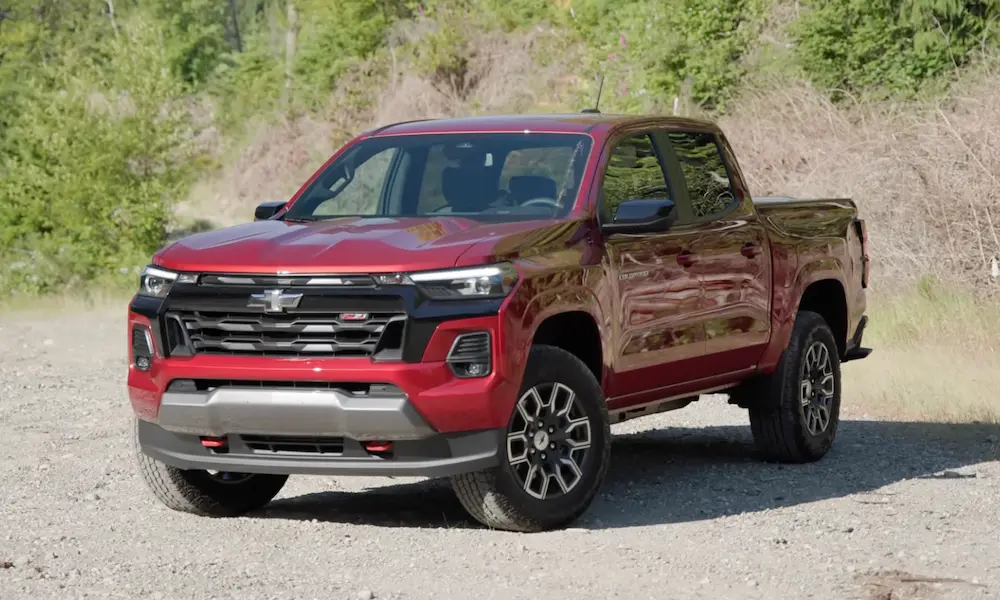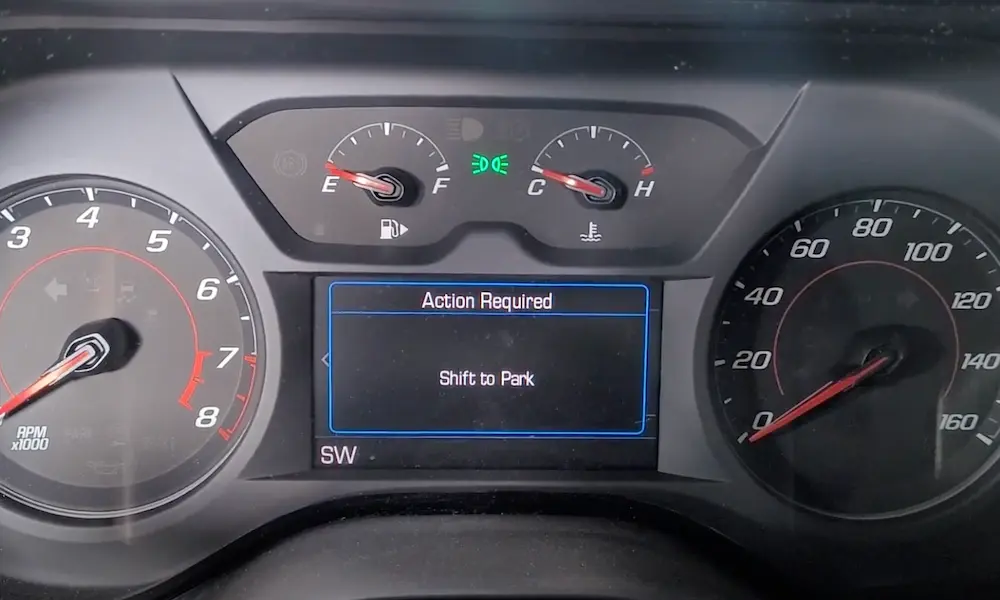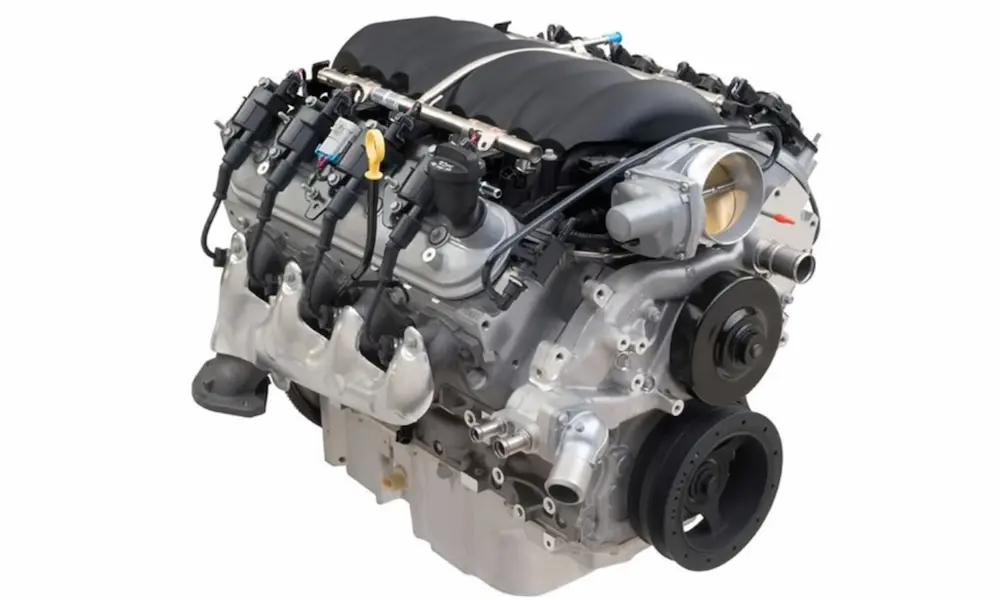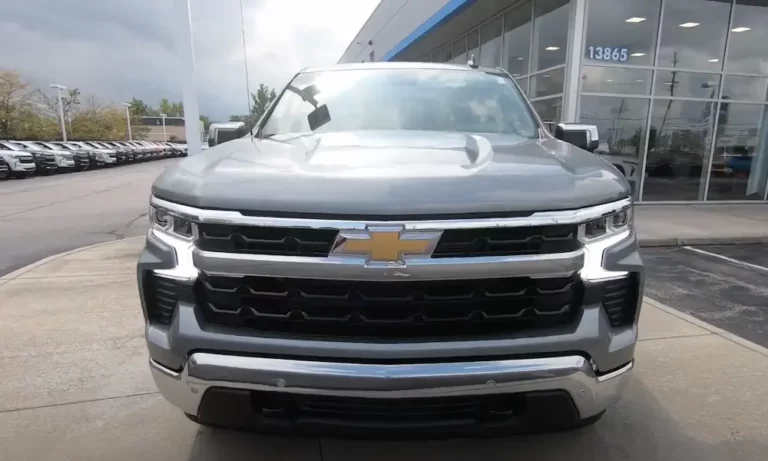
If you’re eyeing a Silverado or Colorado with the 2.7L turbo engine, you’re probably wondering if it’ll last. GM swapped out V8s for this turbocharged four-cylinder, and not everyone’s convinced. Let’s cut through the marketing talk and look at what really matters: whether this engine holds up over time.
What Makes the Chevy 2.7 Turbo Different
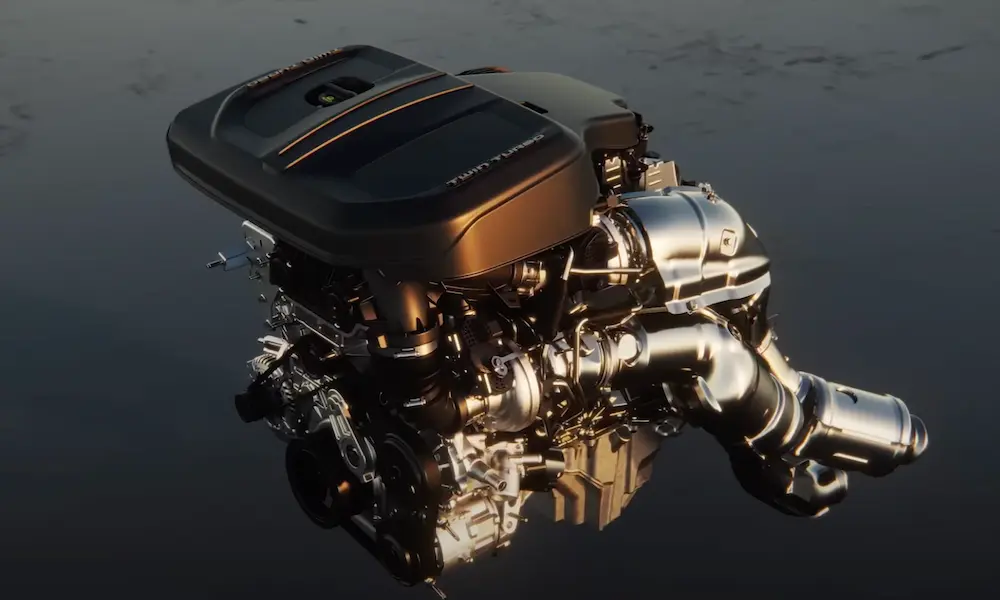
GM calls it the “TurboMax,” and it’s not your typical truck engine. This 2.7L inline-four pumps out 310 horsepower and 430 lb-ft of torque—more twist than the 5.3L V8—while sipping less fuel at 19 mpg combined.
The engine packs some serious tech. It’s got Active Fuel Management that shuts down cylinders 2 and 3 when you don’t need them, direct injection for better fuel delivery, and a turbocharger to make up for what it lacks in displacement. GM built it tough with forged-steel internals and diesel-inspired components to handle the extra pressure and heat.
But here’s the thing: more tech means more stuff that can break. The question isn’t whether this engine is impressive on paper. It’s whether it’ll still run strong at 150,000 miles.
The Reality of Chevy 2.7 Turbo Reliability
Let’s talk straight about the common problems you might encounter with GM’s 2.7 turbo engine. The early years had hiccups, but things have gotten better.
Early Years vs. Later Models
The 2019-2021 models dealt with fuel pump failures that GM eventually acknowledged and fixed. If you’re shopping used, you’ll want to avoid these early production years unless you can verify the fuel system has been updated.
GM made significant improvements in 2022. They strengthened the engine block and solved the fuel pump issues that plagued earlier trucks. The 2022 and newer models represent a turning point for Chevy 2.7 turbo reliability.
Here’s what changed year by year:
| Model Year | Key Changes | Reliability Notes |
|---|---|---|
| 2019-2021 | Initial production | Higher fuel pump failures, developing carbon buildup issues |
| 2022+ | Strengthened block, improved fuel pumps | Better long-term prospects, most early issues resolved |
| 2023 | Minor refinements | Limited recall for incorrect fuel injectors (272 vehicles) |
What Actually Goes Wrong
The direct injection system creates carbon buildup faster than you’d expect. Many owners report significant accumulation by 60,000-80,000 miles. This happens because fuel doesn’t wash over the intake valves like it does in port-injected engines.
Active Fuel Management still causes problems, just like it does in GM’s V8s. When a lifter fails, it usually takes the camshaft with it. The good news? AFM issues appear less frequent on the 2.7L compared to the 5.3L and 6.2L engines. The bad news? They still happen.
Some owners report throttle body failures around 32,000 miles, and parts availability can leave you waiting weeks for repairs. Oil consumption issues pop up occasionally, likely from seal degradation under high turbo pressures.
The turbocharger itself hasn’t been a major failure point yet, but turbos rarely last 300,000 miles. You’ll likely face a replacement if you plan to keep your truck long-term.
How Many Miles Can You Expect
Based on real-world data and owner experiences, the 2.7L should deliver 120,000-200,000 miles of reliable service. That’s not V8 territory, but it’s respectable for a modern turbocharged engine.
High-mileage examples are starting to emerge. One owner on Reddit reported 146,500 miles on a 2021 Silverado with strong performance. Fleet vehicles are racking up miles too, which is a good sign.
The catch? You’ve got to maintain it properly. This isn’t an engine you can ignore.
Maintenance That Actually Matters
Regular oil changes aren’t optional—they’re critical. The turbo and direct injection system demand high-quality oil changed at the recommended intervals. Skip an oil change, and you’re asking for trouble.
You’ll need periodic carbon cleaning services. Budget for this around 60,000-80,000 miles, or you’ll start seeing rough idle and reduced performance. Some shops charge $300-500 for a proper cleaning.
Watch your cooling system closely. Turbo engines run hot, and cooling system failures can destroy your engine fast. The water pump recall affected some vehicles, so check if yours was included.
Premium fuel isn’t required, but many owners find it necessary for optimal performance and efficiency. It might also help reduce carbon buildup, though GM won’t admit that officially.
Real Owner Experiences Tell the Story
Owner feedback splits between satisfied and frustrated, with the dividing line usually being the model year and how the truck is used.
Owners of 2022+ models report better experiences overall. They appreciate the power, torque, and decent fuel economy for daily driving. These trucks feel quick and handle light-to-moderate towing without complaint.
But there’s a catch with fuel economy. Many owners report numbers well below EPA estimates, leading to a class-action lawsuit against GM for allegedly falsifying fuel economy figures. Don’t expect to match the sticker numbers in real-world driving.
Service managers at GM dealerships have noticed something interesting: they’re seeing fewer engine problems with the 2.7L compared to the 5.3L and 6.2L V8 engines. That’s surprising, considering the 2.7L’s complexity.
Fleet operators continue using the 2.7L, which suggests confidence in its reliability for high-mileage applications. GM wouldn’t risk its commercial reputation on an engine that consistently fails.
2.7 Turbo vs. 5.3 V8: The Reliability Showdown
This comparison matters because these are the two engines most truck buyers consider. Here’s how they stack up:
| Factor | 2.7L Turbo | 5.3L V8 |
|---|---|---|
| Torque | 430 lb-ft | 383 lb-ft |
| Fuel Economy | 19 mpg combined | 17 mpg combined |
| Towing Capacity | 9,500 lbs | 11,200 lbs |
| Transmission | 8-speed | 10-speed |
| Expected Longevity | 120,000-200,000 miles | 200,000-300,000+ miles |
| Maintenance Complexity | Higher (turbo, carbon cleaning) | Lower (simpler design) |
The 5.3L V8 is generally considered the safer long-term choice for Chevy 2.7 turbo reliability concerns. It’s naturally aspirated, has a longer track record, and doesn’t deal with turbo or direct injection carbon buildup issues.
But the V8 has its own AFM problems, and they’re arguably worse than the 2.7L’s. You’re trading one set of potential issues for another.
If you’re keeping the truck beyond 200,000 miles or towing heavy loads regularly, the 5.3L makes more sense. For daily driving with occasional light towing, the 2.7L delivers better efficiency and performance.
What the TSBs and Recalls Tell Us
Technical Service Bulletins reveal what GM knows is breaking. The 2.7L has had several, including:
- Engine wire harness chafing issues that can cause electrical problems
- Water pump failures affecting vehicles with circuit board manufacturing defects
- Fuel injector specification errors in 2023 models
These aren’t widespread failures affecting every truck. They’re specific issues GM identified and addressed. Still, they show this engine had growing pains.
The limited number of recalls compared to some other powertrains is actually encouraging. It suggests GM caught and fixed most issues before they became safety hazards.
Best Practices for Long-Term Durability
If you own or buy a 2.7L turbo truck, follow these guidelines to maximize Chevy 2.7 turbo reliability:
Use quality fuel. Premium isn’t required, but it helps performance and might reduce carbon buildup. At minimum, use top-tier gasoline from reputable stations.
Don’t skip oil changes. Use the oil GM specifies, and change it at the recommended intervals. If you tow frequently or drive in dusty conditions, change it more often.
Plan for carbon cleaning. Around 60,000-80,000 miles, get your intake valves cleaned. Walnut blasting is the most effective method. Don’t wait until you have problems.
Let the turbo cool down. After hard driving or towing, let the engine idle for 30-60 seconds before shutting down. This lets the turbo cool and prevents oil coking.
Watch for early warning signs. Rough idle, reduced power, or unusual noises need immediate attention. Small problems become expensive ones fast with turbocharged engines.
Monitor oil consumption. Check your oil level every few tanks of gas. Turbos can develop seal issues that cause oil consumption without obvious leaks.
Who Should Buy the 2.7 Turbo
The 2.7L turbo makes sense if you:
- Want better fuel economy than a V8
- Tow less than 9,000 pounds regularly
- Plan to keep the truck under 200,000 miles
- Don’t mind higher maintenance costs
- Prefer daily driving performance over maximum capability
It’s not the right choice if you:
- Need maximum towing capacity
- Plan to keep the truck 15+ years
- Want the simplest, most proven engine
- Use your truck for commercial heavy-duty work
- Hate dealing with maintenance
The 2022 and newer models offer the best Chevy 2.7 turbo reliability prospects. If you’re shopping used, the improvements GM made that year justify paying extra for a newer truck.
The Bottom Line on Chevy 2.7 Turbo Reliability
This engine represents modern truck engineering—complex, efficient, and powerful, but requiring more attention than old-school V8s. It’s not the bulletproof workhorse some truck buyers want, but it’s not the disaster early critics predicted either.
GM has steadily improved the 2.7L since 2019. The early fuel pump issues are solved. The engine is holding up reasonably well in fleet service. High-mileage examples are appearing without catastrophic failures.
You’re trading traditional V8 durability for better daily driving characteristics and fuel economy. That’s a fair trade for many buyers, especially those who don’t need their truck for constant heavy-duty work.
Maintain it properly, buy a 2022 or newer model, and the 2.7L turbo should deliver reliable service through a typical ownership period. Just don’t expect it to match the legendary longevity of GM’s best V8s. It’s a different kind of engine for a different era of trucks.