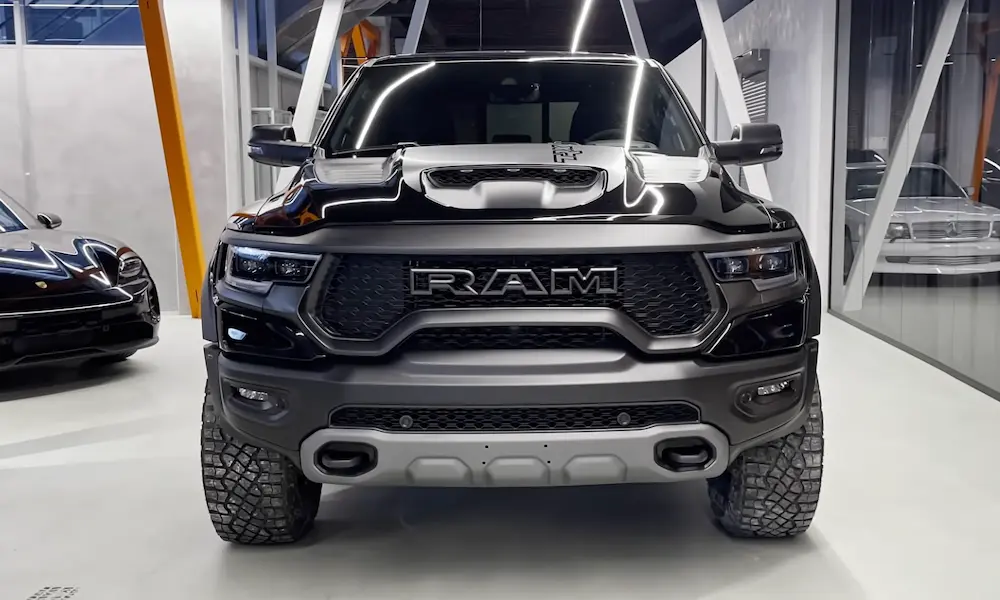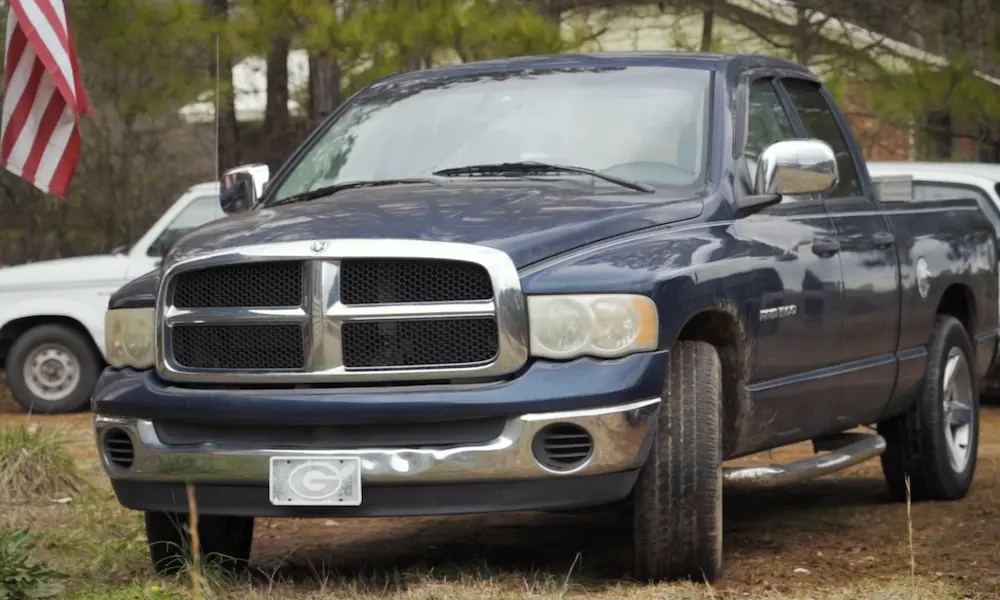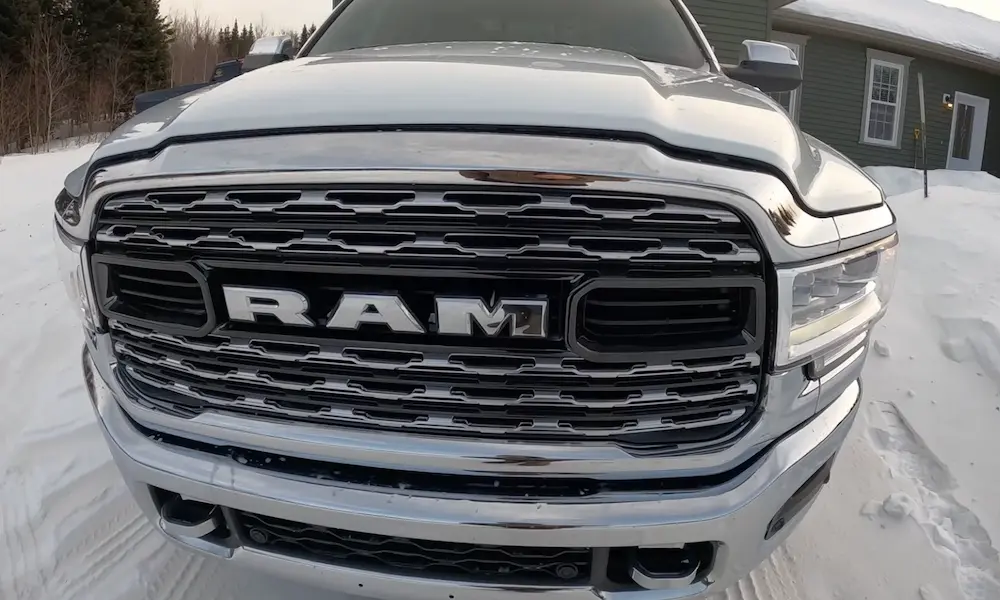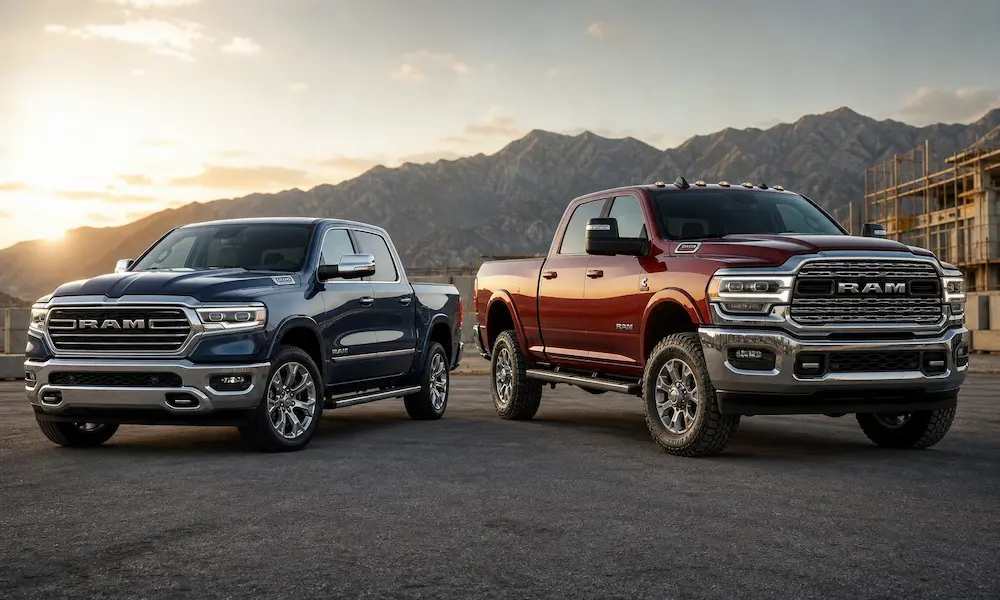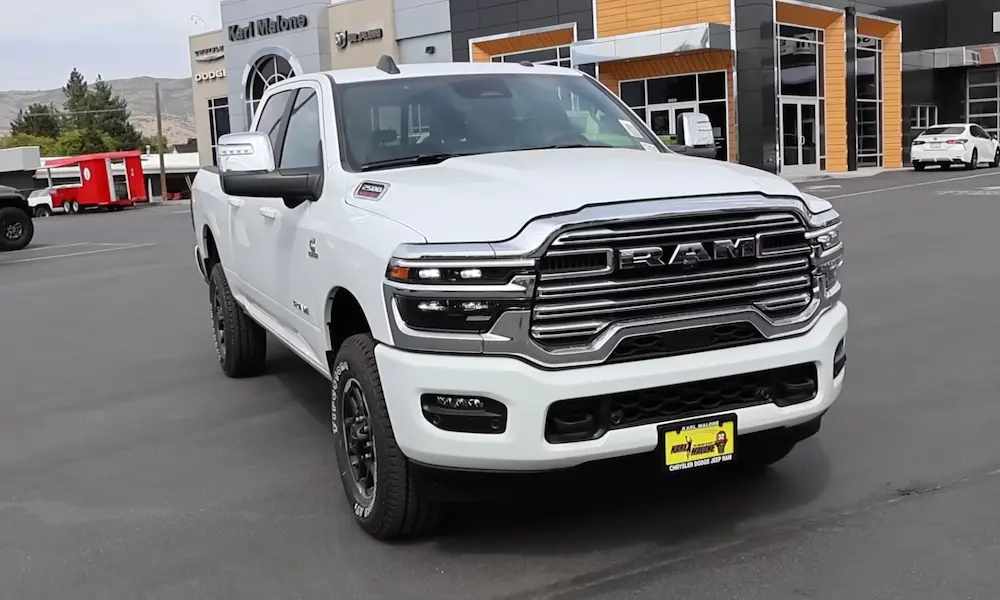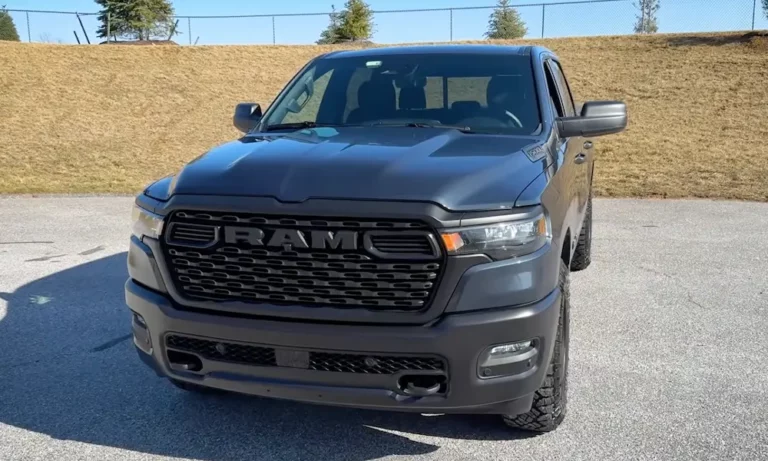
Shopping for a capable off-road truck without blowing your entire budget? The 2025 Ram lineup just got interesting. With the discontinuation of the Ram 1500 Classic, the Warlock trim moved to the modern DT platform—and that changes everything. Now you’re choosing between two mechanically similar beasts: the value-focused Warlock and the premium Rebel. Let’s cut through the marketing and see what you’re actually getting.
What Makes the Ram Warlock vs Rebel Debate Different in 2025
Here’s the deal: the 2025 Ram 1500 Warlock just got a massive upgrade. It’s no longer stuck on the old DS platform eating the Rebel’s dust. Both trucks now share the same stiff, high-strength steel frame and cutting-edge electrical architecture.
The Warlock isn’t just a “budget Rebel” anymore. It’s a tactical choice—mechanically competent but stripped of luxury upcharges. The Rebel remains the flashy option with premium touches and brand prestige.
The price gap? About $10,000. The Rebel starts around $64,000-$66,000, while the Warlock sits at $54,000-$56,000.
Engine and Transmission: Absolute Parity
Good news if you hate complicated decisions: there’s zero difference here.
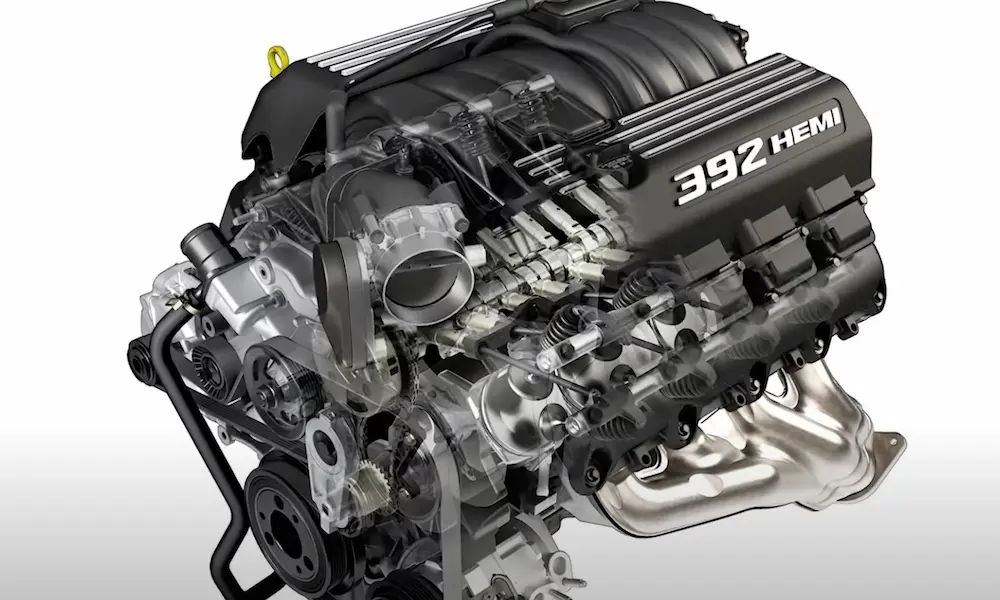
Both trucks run the 3.0L Hurricane Twin-Turbo Inline-Six making 420 hp and 469 lb-ft of torque. That’s more grunt than the outgoing Hemi V8, delivered lower in the rev range where it actually matters off-road.
Why the Hurricane Engine Changes the Game
This isn’t your grandpa’s V8. The twin-turbo setup maintains power at altitude—critical if you’re towing through mountain passes. While a naturally aspirated Hemi loses roughly 3% of its power per 1,000 feet of elevation, the Hurricane’s wastegates compensate for thin air.
Both trucks also use the same ZF 8HP75 eight-speed automatic—the industry benchmark for smooth shifts and reliability. There’s no “heavy-duty” transmission hiding in the Rebel. Same gearbox, same performance.
Fuel capacity? Identical—26 gallons standard, 33-gallon tank optional on both.
Suspension and Off-Road Hardware: Where Things Get Interesting
Here’s where the ram Warlock vs Rebel comparison gets technical. Both trucks feature a 1-inch factory lift with longer coil springs and revised geometry. Both run Bilstein performance-tuned shock absorbers—not cheap knockoffs with stickers.
The Rebel’s Ground Clearance Advantage
The Rebel claims 11.1 inches of ground clearance versus the Warlock’s 10.1 inches. That’s not because the suspension is different—it’s the bumper and skid plate design. The Rebel’s modular front bumper sweeps aggressively upward, giving it a 27.9-degree approach angle. The Warlock’s standard bumper hangs lower, limiting it to 23.1 degrees.
If you’re rock crawling, that 4.8-degree difference matters. The Warlock’s plastic lower valance will scrape before the tires touch the obstacle. Many Warlock owners remove the air dam or plan for an aftermarket bumper upgrade.
Steel vs. Air: The Suspension Philosophy Split
The Rebel offers optional Active-Level Four-Corner Air Suspension. It’s slick—raise the truck for trails, lower it for highway aerodynamics. But it adds complexity: compressors, air lines, bags that can puncture.
The Warlock exclusively uses steel coil springs. Less sexy, but fail-safe. For overlanders planning heavy, permanent loads (bed racks, roof tents), upgrading steel springs is cheap and straightforward. Modifying air suspension? Expensive nightmare.
Drivetrain Differences You Need to Know
This is where your attention pays off. The devil’s in the details.
Transfer Case: Auto vs. Manual Selection
The Rebel’s transfer case includes 4WD Auto—a clutch-based system that modulates torque between axles on demand. You can drive in four-wheel mode on dry pavement without binding. Perfect for mixed weather commutes.
The Warlock typically uses a part-time transfer case (2WD, 4WD High, 4WD Low) without the Auto setting. You must manually engage 4WD only on loose surfaces. Traditional. Mechanical. Simple.
For daily drivers in snow states, the Rebel’s convenience wins. For purists who prefer positive mechanical engagement? The Warlock’s simplicity is preferred.
The Axle Ratio Gotcha
Pay attention here—this affects everything from towing to crawl speed.
Rebel: Standard 3.92:1 rear axle ratio
Warlock: Standard 3.55:1 rear axle ratio (3.92 is optional)
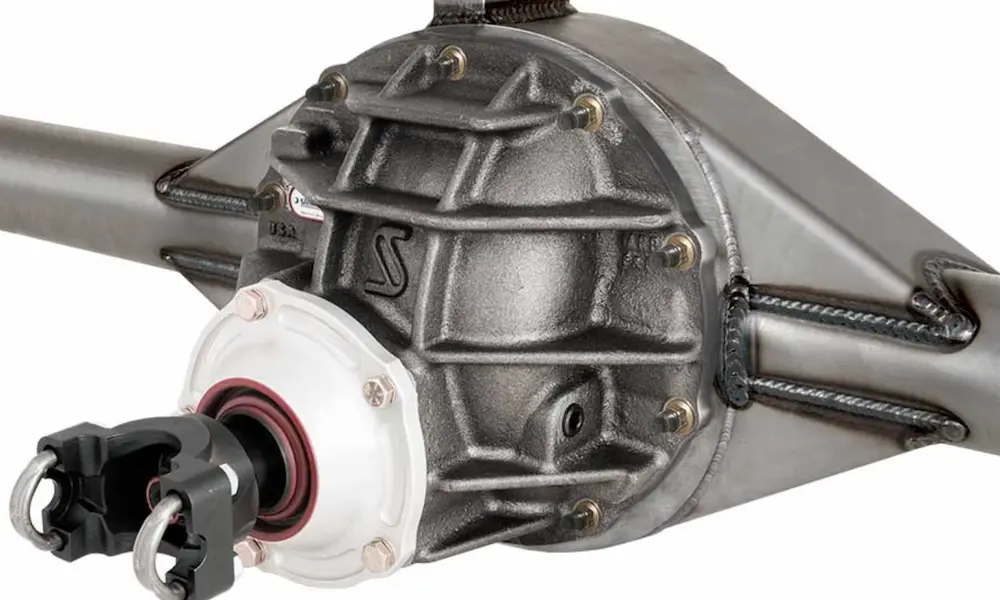
The 3.92 gears are shorter, multiplying torque more times before hitting the wheels. That means better towing (both trucks can pull over 11,000 lbs with 3.92 gears), snappier acceleration with 33-inch tires, and slower crawl speeds in 4-Low for technical terrain.
The Warlock’s standard 3.55 gears optimize fuel economy but feel sluggish with heavy tires. Critical buying tip: Check the window sticker for Option Code DMH—the optional 3.92 axle. It costs about $100-$200 and brings the Warlock to mechanical parity with the Rebel.
The Locking Differential: The Warlock’s Ace
Both trucks include an Electronic Locking Rear Axle as standard equipment. When one wheel’s in the air, the locker forces both wheels to turn at the same speed—essential for real trail work.
Many manufacturers hide lockers behind expensive trim packages. Ram includes it in the value-oriented Warlock package. That’s significant capability for the money.
Tires: Same Size, Different Character
Both trucks roll on 33-inch tires, but the rubber compound differs.
Rebel: Goodyear Wrangler DuraTrac—aggressive hybrid terrain tires with large voids for mud and sawtooth shoulders for lateral grip
Warlock: Goodyear Wrangler all-terrain in Load Range E (10-ply equivalent)
The Warlock’s Load Range E construction means stiffer sidewalls designed for heavy hauling and puncture resistance. These aren’t soft passenger-car tires. They ride harsher but handle sharp rocks and debris better—critical in Southwest terrain.
Both use 18-inch wheels, keeping replacement tire costs reasonable. Try finding affordable 22-inch off-road rubber. Good luck.
Interior: Function vs. Flash
The cabin experience reveals where your money goes.
Seating Configuration
Rebel: 5-passenger with front bucket seats and full center console. Upholstery ranges from premium vinyl with tire-tread patterns to optional leather.
Warlock: 6-passenger with 40/20/40 split-bench front seat. Heavy-duty black cloth. The center section folds down for an armrest but can seat a sixth person.
The bench seat leaves the floor open—no console blocking the footwell. Great for across-cab storage or work gear. Families or work crews appreciate the extra seat. But you sacrifice the Rebel’s secure, enclosed console storage.
Technology: Screens and Buttons
Rebel: Standard 12-inch digital instrument cluster with optional 12-inch or 14.5-inch vertical touchscreen running Uconnect 5. It’s a digital showpiece with split-screen capability and high-res graphics.
Warlock: 7-inch TFT display flanked by analog gauges, paired with an 8.4-inch Uconnect 5 touchscreen.
Here’s the thing: the 8.4-inch system retains physical knobs for volume and climate control. On a rough trail, reaching for a physical knob beats hunting through touchscreen menus. It still supports wireless Apple CarPlay and Android Auto—same functionality, smaller screen.
Payload and Towing: The Hidden Warlock Advantage
Payload is GVWR minus curb weight. The Rebel’s loaded with heavy options: skid plates, sunroofs, power seats, subwoofers. Its payload typically hovers between 1,400-1,700 lbs.
The Warlock, lacking luxury equipment and using simpler mechanicals, stays lighter. Payload can reach up to 1,980 lbs depending on configuration.
For overlanders adding bed racks (200 lbs), roof tents (150 lbs), fridges (75 lbs), and water/fuel (200 lbs), payload disappears fast. The Warlock offers more capacity before exceeding safety limits. It’s the smarter platform for heavy modification.
Towing? Both hit 11,140-11,550 lbs with the Hurricane engine and 3.92 gears. But remember—the Warlock needs the optional 3.92 ratio and Trailer Tow Group to reach max capacity. With standard 3.55 gears, towing drops to around 8,300 lbs.
What You’re Really Paying For
Let’s be honest about the $10,000 price difference.
The Rebel Premium Buys You:
- Unique, high-clearance bumper and bodywork
- Premium interior materials and massive digital screens
- Standard 3.92 gears and 4WD Auto convenience
- Higher resale value and brand recognition
- More polished “lifestyle truck” aesthetic
The Warlock Value Proposition:
- Identical frame, engine, transmission, and suspension
- Same 1-inch lift, Bilstein shocks, and locking differential
- Same 33-inch tires (tougher Load Range E construction)
- Higher payload capacity for gear
- 6-passenger seating capability
- Lower insurance premiums (often rated as Tradesman/Big Horn sub-trim)
Maintenance and Long-Term Costs
The Warlock’s simpler spec sheet translates to lower total cost of ownership.
Steel springs need zero maintenance. Air suspension typically requires compressor or bag replacement after 7-10 years—thousands of dollars in parts and labor.
18-inch tire replacement is cheaper and more available than larger sizes. You’re not hunting for specialty rubber.
Fewer electronics mean fewer potential failure points. The 8.4-inch screen with physical controls is easier (and cheaper) to repair than integrated 14.5-inch vertical displays.
Configuration Strategy: Building the Smart Warlock
If you’re going Warlock, here’s how to maximize value:
- Must-have: Option Code DMH (3.92 axle ratio) for ~$100-$200
- Strongly recommended: Trailer Tow Group (integrated brake controller, upgraded cooling)
- Consider: 33-gallon fuel tank if you’re overlanding or covering remote terrain
- Skip: Premium audio upgrades—aftermarket speakers perform better for less
With those boxes checked, you’ve got 95% of the Rebel’s mechanical capability at 85% of the price. The remaining 5% is bumper clearance (easily fixed with aftermarket parts) and interior flash.
Ram Warlock vs Rebel: The Final Verdict
Choose the Rebel if:
- You need 4WD Auto for daily winter driving safety
- The digital cockpit and premium materials matter to you
- Higher resale value is part of your ownership plan
- You want “ready to run” capability with zero option-hunting
Choose the Warlock if:
- You need 6-passenger seating for family or crew
- Higher payload matters for hauling or overlanding gear
- You prefer physical controls over touchscreen interfaces
- You’re planning bumper/suspension mods anyway (making Rebel premiums redundant)
- You value mechanical capability over cosmetic distinction
The 2025 Ram 1500 Warlock isn’t a stripped-down compromise anymore. It’s a strategic choice—mechanically capable, modification-friendly, and priced to leave cash for the gear you actually need.
For the pragmatist, the fleet manager, or the serious off-road builder? The Warlock might just be the smartest buy in the entire half-ton segment.
| Feature | Ram Warlock | Ram Rebel |
|---|---|---|
| Starting Price | $54,000-$56,000 | $64,000-$66,000 |
| Engine | 3.0L Hurricane Turbo I-6 (420 hp / 469 lb-ft) | 3.0L Hurricane Turbo I-6 (420 hp / 469 lb-ft) |
| Standard Axle Ratio | 3.55:1 (3.92 optional) | 3.92:1 |
| Transfer Case | Part-time (2WD/4H/4L) | Part-time + 4WD Auto |
| Ground Clearance | 10.1 inches | 11.1 inches |
| Approach Angle | 23.1 degrees | 27.9 degrees |
| Suspension | 1″ lift + Bilstein shocks + steel coils | 1″ lift + Bilstein shocks + optional air |
| Seating | 6-passenger (bench seat) | 5-passenger (bucket seats) |
| Payload Capacity | Up to 1,980 lbs | 1,400-1,700 lbs |
| Towing (w/ 3.92 gears) | 11,550 lbs | 11,140 lbs |
| Locking Differential | Standard E-Locker | Standard E-Locker |
| Touchscreen | 8.4″ with physical controls | 12-14.5″ digital interface |