Is your Dodge Journey leaving puddles of colorful liquid under your car? That telltale sweet smell filling your cabin? You’re likely dealing with a coolant leak – one of the most common issues affecting Dodge Journey vehicles. Left untreated, this problem can quickly escalate from a minor inconvenience to severe engine damage. Let’s dive into everything you need to know about identifying, fixing, and preventing coolant leaks in your Journey.
Why Dodge Journey Coolant Leaks Happen
Coolant leaks in the Dodge Journey aren’t just random bad luck – they typically occur at predictable points in the vehicle’s cooling system. Understanding these common failure points can help you catch problems early.
Thermostat Housing: The Notorious Culprit
The thermostat housing ranks among the most frequent sources of coolant leaks in Dodge Journeys, especially in models with 2.4L and 3.6L engines. Over time, the plastic housing can develop hairline cracks or the gaskets and O-rings can deteriorate.
When the housing fails, you’ll typically notice coolant seeping from the front of the engine. Many owners report seeing green or orange fluid accumulating under the vehicle after parking. Replacement parts cost between $100-$300 including labor, and in many cases, the entire housing unit needs replacement rather than just the gasket.
Looking for evidence? Check around the thermostat housing for crusty white or green residue – a telltale sign of dried coolant.
Oil Cooler Housing Problems (3.6L Pentastar Engine)
If you’re driving a Journey with the 3.6L Pentastar engine, the oil cooler/filter housing is a notorious leak source. The factory-installed plastic housing tends to crack, particularly when over-tightened during routine oil changes.
This leak often appears as coolant dripping onto the top of the transmission. Many owners report seeing coolant streaks down the side of the engine block. The smart fix? Upgrade to an aftermarket aluminum housing, which provides greater durability and heat resistance compared to the factory plastic part.
Radiator Failures: Especially in 2009-2016 Models
Radiator issues commonly plague Dodge Journeys, particularly 2009-2016 models with around 78,000 miles on the odometer. The plastic components of the radiator become brittle over time, eventually developing cracks that allow coolant to escape.
A failing radiator often presents as:
- Visible puddles under the front of the vehicle
- Engine overheating, especially during highway driving
- Low coolant warnings on your dashboard
Radiator replacement costs typically range from $150 for basic models to $1,000 for higher-end replacements with installation.
Water Pump Leaks: Listen for the Whine
The water pump circulates coolant throughout your engine, and when it fails, it creates a distinctive leak pattern. Look for coolant seeping from the weep hole at the bottom of the pump – this small drainage port is specifically designed to show when the internal seal has failed.
A failing water pump often makes a high-pitched whining noise before it starts leaking. This warning sign shouldn’t be ignored, as water pump failure can lead to timing belt damage and catastrophic engine overheating. Replacement typically costs $300-$750 depending on labor rates in your area.
Hoses and Connections: The Aging Issue
Coolant hoses deteriorate naturally over time due to constant heat cycling and exposure to engine oil. The heater hoses running near the firewall above the exhaust components are especially vulnerable.
Look for these warning signs:
- Swollen or soft spots in the hoses
- Cracks or splits, especially near connection points
- Loose clamps or corroded connections
- Coolant seepage around hose ends
Basic hose replacement is one of the more affordable repairs, typically costing $50-$200 depending on the specific hose and labor charges.
How to Diagnose a Dodge Journey Coolant Leak
Finding the exact source of a coolant leak can be challenging, but a methodical approach will help pinpoint the problem.
Start With a Visual Inspection
Begin your hunt with a thorough visual check under the hood and beneath the vehicle:
- Look for puddles of coolant (typically green, pink, or orange in color)
- Check for white residue or staining around components – this indicates dried coolant
- Inspect all hoses for cracks, bulges, or soft spots
- Examine clamps and connections for tightness
- Pay special attention to the thermostat housing, water pump, and radiator – the most common leak points
A clean engine makes this process much easier, so consider washing the engine bay (when cool) before inspection.
Pressure Testing: The Gold Standard
The most effective diagnostic tool for finding hidden leaks is a cooling system pressure test. This simulates the pressure in your cooling system when the engine is hot, forcing coolant out through even tiny cracks.
The process works like this:
- Wait until the engine has completely cooled
- Remove the radiator cap or coolant reservoir cap
- Attach a pressure tester to the opening
- Pressurize the system to approximately 15 PSI
- Carefully inspect all components while the system is under pressure
- Look for drips, spray, or seepage
Many auto parts stores loan pressure testing kits or offer free testing services. This method is particularly effective for finding intermittent leaks that only appear when the engine reaches operating temperature.
Temperature Monitoring Reveals Hidden Issues
Your Journey’s temperature gauge can provide valuable diagnostic information. Watch for these symptoms:
- Engine temperature climbing higher than normal during regular driving
- Temperature gauge rising quickly when idling
- Temperature spiking during highway driving or hill climbing
- Loss of cabin heat (indicates low coolant level)
- Sweet-smelling coolant odor inside the cabin
These signs may point to a coolant leak that’s depleting your system, even if you can’t see visible evidence under the vehicle.
Internal Coolant Leaks: The Serious Concerns
While external leaks leave visible evidence, internal leaks can be more damaging and harder to detect.
Head Gasket Failure: The Costly Culprit
Head gasket problems are particularly common in 2014 Dodge Journey models around the 100,000-mile mark. This internal leak allows coolant to enter the combustion chambers or mix with engine oil.
The telltale signs of a blown head gasket include:
- White smoke pouring from the exhaust (coolant burning in combustion chambers)
- Bubbling or gurgling in the radiator when the engine runs
- Milky, chocolate-colored oil (coolant mixing with engine oil)
- External coolant leaks between the cylinder head and block
- Rapid overheating with coolant loss despite no visible external leaks
Head gasket replacement is the most expensive coolant-related repair, typically costing $1,500-$2,500 or more depending on labor rates and whether additional damage has occurred.
Cracked Block or Cylinder Head
In severe cases, the engine block or cylinder head can develop cracks that allow coolant to escape into the combustion chambers or oil passages. This typically happens after severe overheating or in high-mileage vehicles.
Signs of a cracked block or head include:
- Coolant disappearing without visible external leaks
- White exhaust smoke
- Engine misfires, especially when cold
- Coolant contamination in the oil
- Combustion gases in the cooling system (detectable with a block tester)
These severe internal leaks often require engine replacement or major rebuilding, with costs ranging from $3,000-$5,000 or more.
DIY Repairs vs. Professional Help
Some coolant leak repairs are DIY-friendly, while others require professional tools and expertise.
What You Can Fix Yourself
If you’re reasonably handy with tools, these repairs are within reach for most DIY mechanics:
- Replacing coolant hoses and clamps
- Changing the thermostat and housing (on some models)
- Refilling and bleeding the cooling system
- Using leak-stopping additives for minor seepage
Basic tools needed for these jobs include screwdrivers, pliers, wrenches, and a drain pan for catching coolant.
Complex Repairs Best Left to Professionals
More complicated cooling system repairs generally require professional help:
- Water pump replacement (often requires special tools and timing belt removal)
- Radiator replacement (involves proper evacuation and recharging of A/C system on some models)
- Head gasket replacement (requires engine disassembly and precision torquing)
- Oil cooler housing replacement (difficult access on some models)
A professional coolant leak diagnosis typically costs $61-$90, which is money well spent to accurately identify complex issues.
Repair Costs: What to Expect
Budgeting for coolant leak repairs depends entirely on the source of the leak. Here’s a comprehensive breakdown:
| Component | Estimated Cost | DIY Difficulty |
|---|---|---|
| Stop Leak Additive | $15 – $50 | Easy |
| Coolant Hose Replacement | $50 – $200 | Easy to Moderate |
| Thermostat Housing | $100 – $300 | Moderate |
| Radiator Repair/Replacement | $150 – $1,000 | Moderate to Difficult |
| Water Pump Replacement | $300 – $750 | Difficult |
| Oil Cooler Housing | $400 – $800 | Difficult |
| Head Gasket Replacement | $1,500 – $2,500+ | Very Difficult |
Labor typically accounts for 50-70% of these costs, so DIY repairs can save significant money if you have the skills and tools.
Preventative Maintenance: Avoiding Coolant Leaks
The best way to handle coolant leaks is to prevent them from happening in the first place. Regular maintenance can dramatically extend the life of your cooling system components.
Regular Inspection and Maintenance
Make these checks part of your routine:
- Check coolant levels monthly – A dropping level is the earliest warning sign of a leak
- Inspect hoses and clamps every oil change – Look for cracks, bulges, or soft spots
- Flush the cooling system every 30,000-50,000 miles – This removes corrosive contaminants
- Replace the thermostat preventatively around 80,000 miles – Common failure point
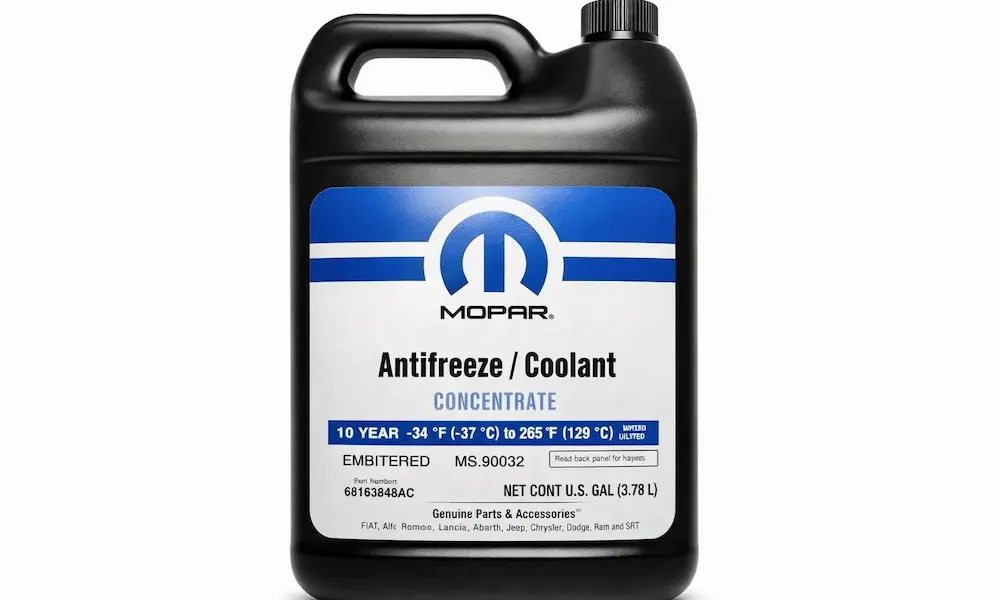
- Use the correct coolant type – Your Journey requires specific coolant formulations
The Importance of Quality Parts
When replacing cooling system components, quality matters:
- Aftermarket aluminum oil cooler housings outperform plastic OEM parts
- Name-brand radiator hoses typically last longer than generic options
- OEM-equivalent thermostats provide better temperature regulation than bargain parts
The small premium for quality parts often pays dividends in longevity and reliability.
Early Intervention Saves Money
The most important preventative strategy is addressing small problems before they become major ones:
- A $15 hose replacement today can prevent a $2,000 head gasket repair tomorrow
- A $200 thermostat housing replacement is far cheaper than engine damage from overheating
- Regular coolant flushes prevent corrosion that leads to component failure
Environmental and Safety Concerns
Coolant leaks aren’t just a mechanical problem – they pose environmental and safety risks too.
Coolant Toxicity
Ethylene glycol coolant is extremely toxic to pets and wildlife. Just a small amount can cause fatal kidney failure in dogs and cats, who are attracted to its sweet taste. Always:
- Clean up coolant spills immediately
- Store unused coolant in clearly labeled, sealed containers
- Dispose of old coolant at authorized recycling centers
- Consider using less-toxic propylene glycol coolants if you have pets
Fire Hazards
Coolant leaking onto hot engine components can create a fire risk. This is especially concerning with leaks near the exhaust manifold or catalytic converter. If you smell burning coolant (sweet, syrupy odor), pull over and shut off the engine immediately.
Dodge Journey Coolant Leak: Final Thoughts
Coolant leaks in the Dodge Journey, while common, don’t have to lead to catastrophic consequences. By understanding the warning signs, performing regular maintenance, and addressing small issues promptly, you can prevent most serious cooling system failures.
Remember that your cooling system is literally what stands between your engine and disaster – coolant temperatures can exceed 220°F under normal conditions, and without proper cooling, engine components can warp, crack, or seize. A small investment in preventative maintenance can save thousands in repair costs down the road.
Keep an eye on those fluid levels, listen for unusual sounds, and don’t ignore warning lights. Your Journey will thank you with many more miles of reliable service.