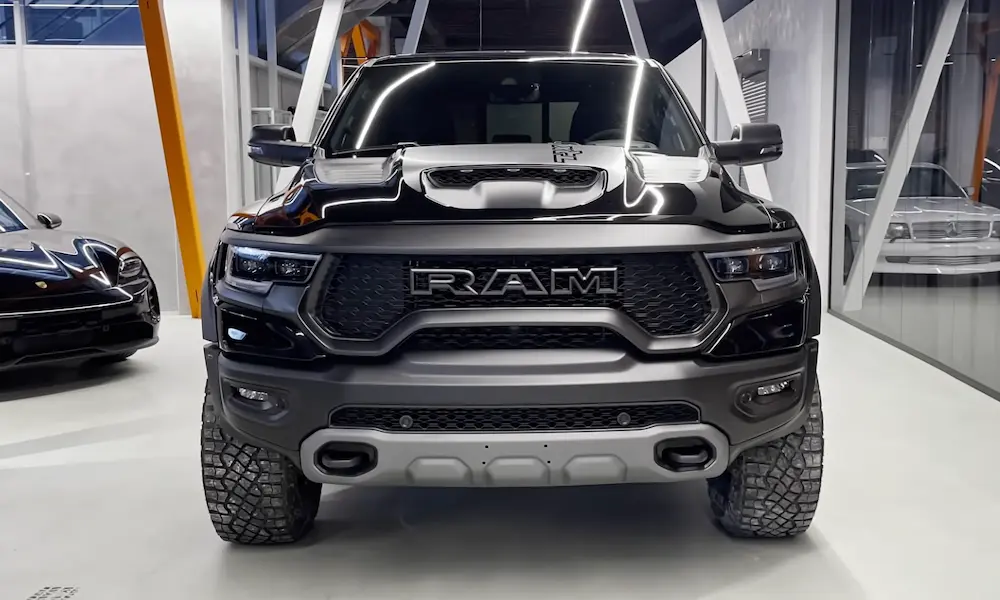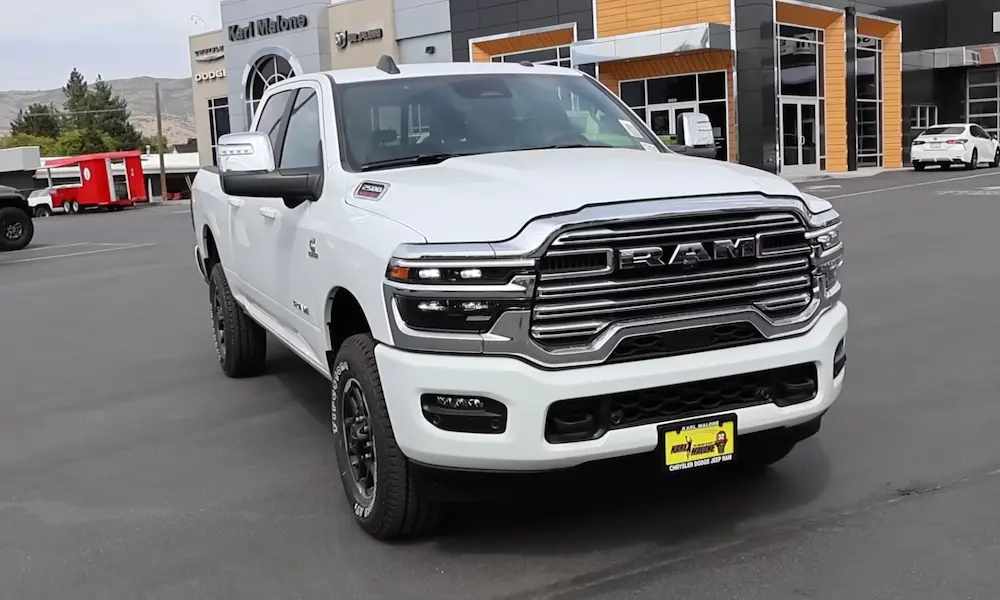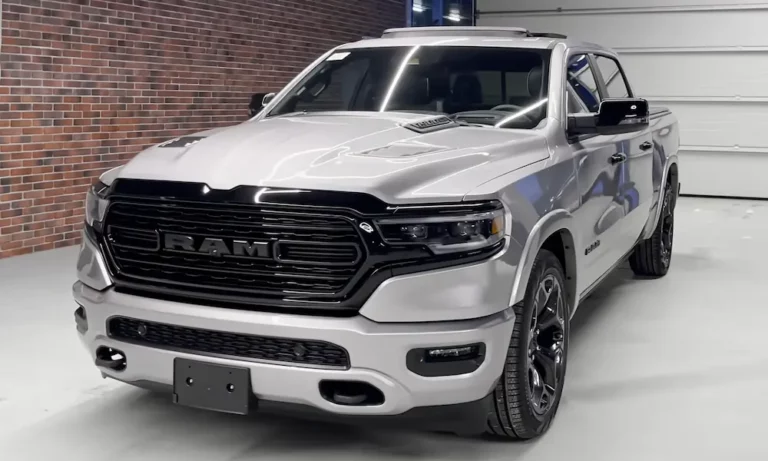
If you’re shopping for a Ram truck, you’ve probably wondered: who actually makes these beasts? It’s not as straightforward as you’d think. The answer involves corporate mergers, strategic divorces, and one of the boldest brand pivots in automotive history. Let’s dig in.
The Parent Company Behind Ram Trucks
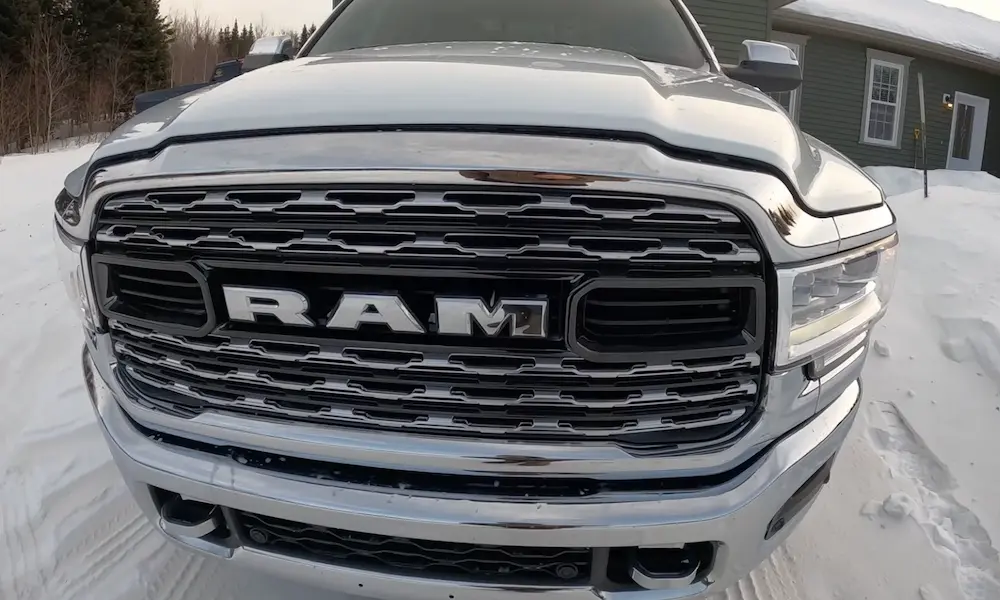
Stellantis N.V. manufactures Ram Trucks. Never heard of Stellantis? You’re not alone. This automotive giant formed in 2021 when Fiat Chrysler Automobiles (FCA) merged with France’s Groupe PSA, creating a $50+ billion empire that owns 14 brands—including Ram, Jeep, Dodge, Alfa Romeo, and Peugeot.
Ram operates as a division of Stellantis North America, the entity formerly known as Chrysler Group LLC. This corporate structure isn’t just paperwork—it’s the financial muscle behind Ram’s current product revolution. The merger gives Ram access to global technology pools and shared development costs, allowing it to compete in the cutthroat full-size truck market against Ford and GM.
What This Means for You
Stellantis’ global reach directly impacts what you’ll find at your Ram dealership. The ProMaster van? That’s built on a Fiat Ducato platform from Europe. The massive R&D investment needed to develop the new Hurricane engine and revolutionary range-extended electric truck? That’s only possible because Stellantis spreads costs across multiple brands worldwide.
The 2009 Dodge-Ram Divorce
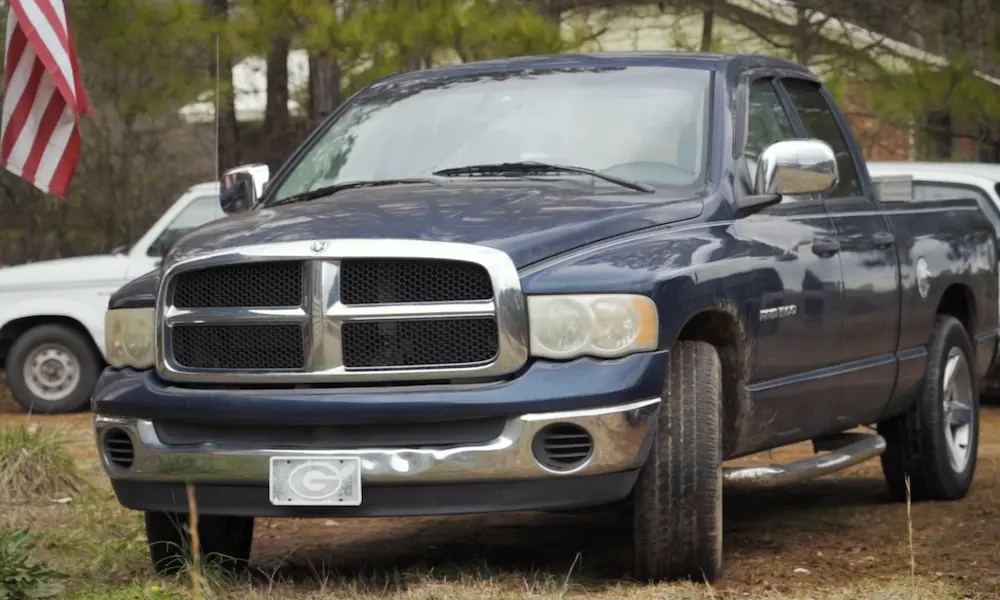
Here’s where it gets interesting. Ram became a standalone brand in 2009, splitting from Dodge after nearly three decades together. From 1981 to 2009, these trucks wore “Dodge Ram” badges. If you’re driving a pre-2010 model, you’re technically driving a Dodge.
The split happened during Chrysler’s Chapter 11 bankruptcy when Fiat took over. CEO Sergio Marchionne executed a radical restructuring, and the brand divorce became official in 2010.
Why They Split
The reasoning was brilliant. Dodge would focus on performance—muscle cars like the Challenger and Charger. Ram would become a dedicated truck brand, targeting serious truck buyers and commercial fleets.
This divorce wasn’t just marketing fluff. It fundamentally changed Ram’s identity. The aggressive, muscle-car vibe of Dodge clashed with developing luxury trucks. Imagine trying to sell a $90,000 “Dodge Ram Tungsten” with massaging seats and suede headliners—it’d be a brand-identity disaster.
The split freed Ram to spend the next 15 years moving aggressively upmarket. Without it, the luxury-focused Ram 1500 Tungsten wouldn’t exist.
| Brand Entity | Role | Active Period |
|---|---|---|
| Stellantis N.V. | Global Parent Company | 2021–Present |
| Fiat Chrysler Automobiles (FCA) | Predecessor Parent | 2014–2021 |
| Stellantis North America | Regional Division | 2021–Present |
| Ram Trucks | Standalone Brand | 2009–Present |
| Dodge | Sister Brand (Former Parent) | 1981–2009 (as “Dodge Ram”) |
The 2025 Revolution: Goodbye Hemi, Hello Hurricane
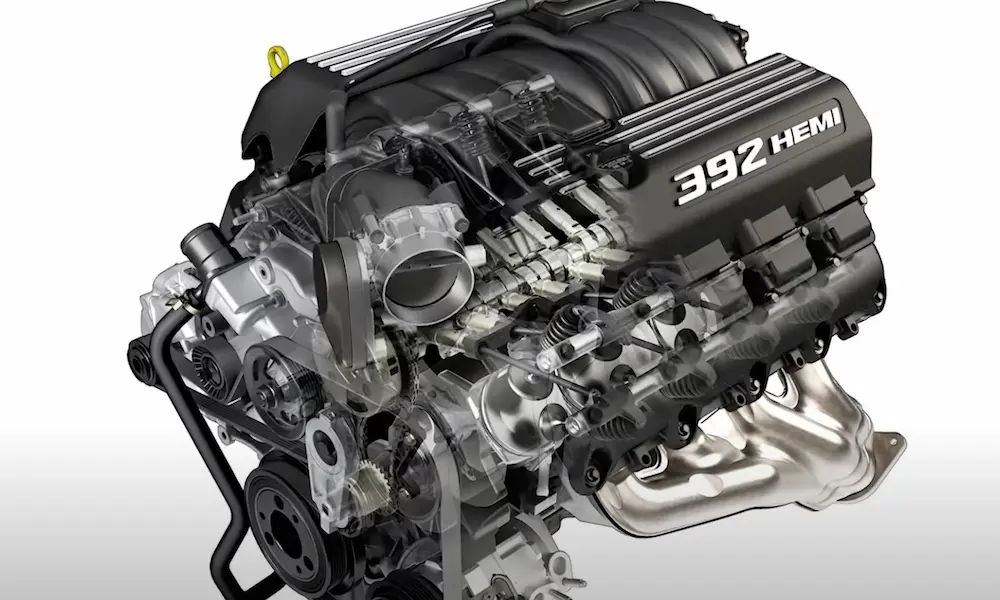
The 2025 Ram 1500 represents the biggest gamble in Ram’s history. The brand killed its most iconic feature: the 5.7L Hemi V8 engine.
Enter the Hurricane Engine
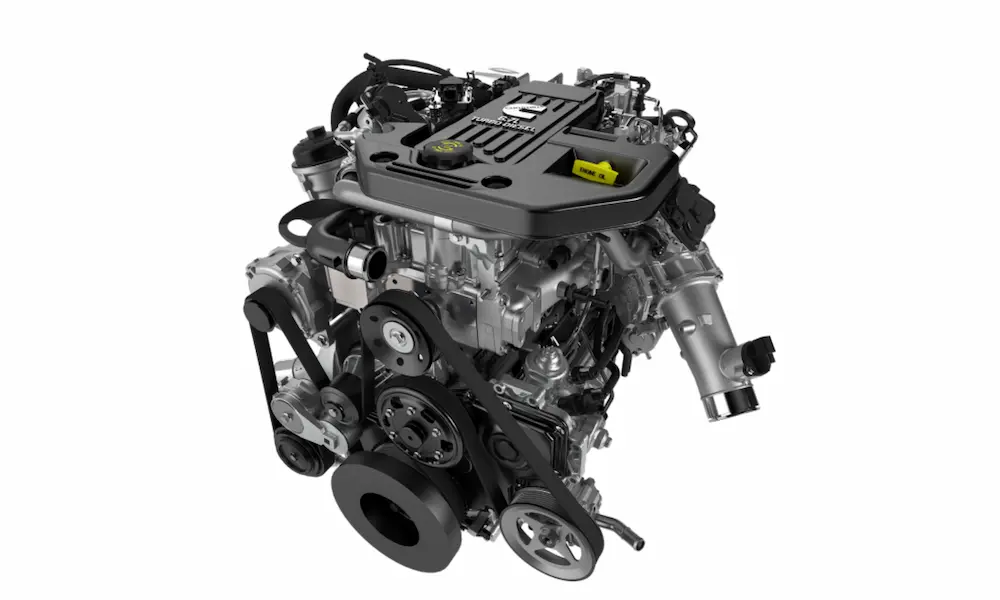
Ram replaced the beloved Hemi with a new 3.0L twin-turbocharged inline-six called the “Hurricane.” It comes in two flavors:
- Standard Output (S.O.): 420 hp, 469 lb-ft of torque
- High Output (H.O.): 540 hp, 521 lb-ft of torque
For comparison, the outgoing Hemi produced 395 hp and 410 lb-ft. The Hurricane doesn’t just match the V8—it demolishes it. Car and Driver tested the High-Output version hitting 60 mph in 4.2 seconds. The Standard Output? A swift 4.9 seconds.
The Emotional Trade-Off
Performance numbers tell one story. Your ears tell another. Reviewers universally miss the Hemi’s exhaust note. The Hurricane is described as “gruff” but “not as good as the V8’s growl.”
This is where Ram’s branding genius shines. “Hemi” is one of the most powerful engine brands in automotive history. Killing it creates a massive emotional vacuum. Ram didn’t call its replacement the “3.0L GME-T6” (its technical name). They branded it “Hurricane”—evoking power, force, and nature. It’s aggressive marketing designed to replace one legend with another.
MotorTrend Says It Works
The 2025 Ram 1500 won MotorTrend’s Truck of the Year award—the eighth time a Ram has claimed this honor. Judges praised the “quiet cabin,” “refined ride,” and how “each truck feels worth the money.”
This award is Ram’s ultimate validation. Killing the Hemi left buyers skeptical. A major, third-party award proves the new truck isn’t just different—it’s the best.
The Luxury Offensive: Tungsten Trim
Ram introduced the Tungsten trim for 2025, sitting above the already-opulent Limited and Longhorn models. Starting at $87,075 (and testing near $90,000), this isn’t just a truck—it’s a direct assault on luxury SUVs.
What You Get
- Quilted-leather upholstery
- 24-way power-adjustable front seats with massage
- Suede headliner
- 23-speaker Klipsch premium stereo
- 14.5-inch vertical touchscreen
- 10.3-inch passenger-side screen with privacy filter
Edmunds declared the Tungsten interior “so swanky, luxury automakers should take notes.” Car and Driver simply calls upper-trim Ram cabins “luxury-car cabins.”
The Secret Weapon
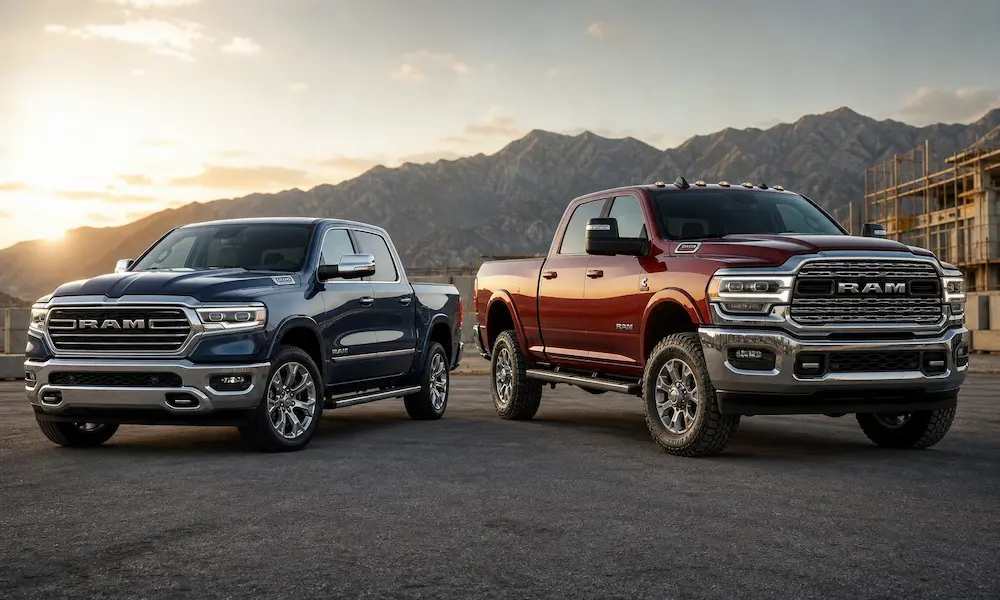
Ram’s class-exclusive coil-spring rear suspension is the enabler. While F-150s and Silverados use traditional leaf springs, Ram’s setup provides superior ride quality that actually competes with luxury SUVs. Ram isn’t just targeting Ford buyers—they’re poaching BMW X7 and Cadillac Escalade customers.
The RHO Replaces the TRX
With the Hemi gone, the 702-hp supercharged Ram 1500 TRX “dinosaur” is dead. Its replacement is the 2025 Ram 1500 RHO, using the 540-hp High-Output Hurricane engine.
While down on power from the TRX, the RHO still hits 60 mph in 4.4 seconds and features Bilstein suspension, Baja drive mode, and 35-inch all-terrain tires.
The game-changer? Price. The RHO starts at $69,995—tens of thousands cheaper than the TRX. Ram transformed a niche “halo truck” into a mass-market performance vehicle that competes directly with the Ford F-150 Raptor on price and capability.
| Engine | Horsepower | Torque | 0-60 MPH | Key Trims |
|---|---|---|---|---|
| 3.0L Hurricane S.O. I6 | 420 hp | 469 lb-ft | 4.9–5.2 sec | Rebel, Laramie |
| 3.0L Hurricane H.O. I6 | 540 hp | 521 lb-ft | 4.2–4.7 sec | RHO, Limited, Tungsten |
| 3.6L Pentastar V6 (eTorque) | 305 hp | 269 lb-ft | N/A | Tradesman, Big Horn |
Heavy Duty Trucks: If It Ain’t Broke…
While the 1500 underwent revolution, the 2025 Ram HD models received conservative evolution. Ram wisely kept the powertrains HD buyers trust:
Gas Engine: The 6.4L Hemi V8 carries over unchanged, producing 410 hp and 429 lb-ft of torque.
Diesel Engine: The legendary 6.7L Cummins Turbo Diesel I6 now cranks out 430 hp and a massive 1,075 lb-ft of torque in High-Output form.
Capability That Matters
- Max Towing (3500): 36,610 pounds
- Max Payload (3500): 7,590 pounds
The HD line keeps the Hemi because work-truck buyers value reliability over cutting-edge tech. To fleet managers and contractors, the “old” 6.4L Hemi isn’t a dinosaur—it’s a proven, trusted tool.
Ram ProMaster: The European Connection
The Ram ProMaster commercial van reveals Stellantis’ global influence. It’s built on the Fiat Ducato platform from Europe, using a front-wheel-drive (FWD) layout that’s rare for American full-size vans.
The FWD Advantage
This platform delivers a class-leading low cargo load floor, making loading and unloading easier for delivery drivers. It’s a massive ergonomic win.
The FWD Disadvantage
The trade-off? An “uncomfortable driving position” and no available all-wheel-drive system (which Ford Transit and Mercedes Sprinter offer).
Ram intentionally sacrificed truck-like comfort for a best-in-class low load floor. It’s a purpose-built tool where commercial buyers value practicality over driver comfort.
The Electrification Plot Twist
This is where Ram’s story gets wild. After years of promoting an all-electric Ram 1500 REV to compete with the F-150 Lightning, Stellantis announced on September 12, 2025, they’re canceling the battery-electric (BEV) pickup.
Why Ram Bailed on BEVs
The press release cited “slowing demand for full-size battery-electric trucks.” Translation: Ram watched competitors discover that towing destroys EV range. Real-world owners found “80-100 miles towing range…just not sufficient for real truck stuff.”
By being “late” to EVs, Ram avoided a costly market failure. Ford, GM, and Rivian rushed to market and exposed a fundamental flaw. Ram got to learn from their mistakes.
The Game-Changer: Ram 1500 REV (Range-Extended Electric)
Ram repurposed the “REV” name for a different vehicle—a Range-Extended Electric Vehicle (REEV), previously called the Ramcharger.
How It Works
The Ram 1500 REV is a series hybrid, like a diesel-electric locomotive:
- Electric motors (one front, one rear) always drive the wheels, producing 663 hp combined
- A 3.6L Pentastar V6 engine sits under the hood but doesn’t connect to the wheels
- The V6’s only job is generating electricity to recharge the 92-kWh battery while driving
The Specs Are Insane
- Total Range: 690 miles
- Max Towing: 14,000 pounds
- Max Payload: 2,625 pounds
- 0-60 MPH: 4.4 seconds
- Pure Electric Range: 145 miles
Why This Matters
The REEV delivers the best of both worlds. You get 145 miles of pure-electric daily driving, but the gas generator provides 690-mile range for long-distance towing, completely eliminating range anxiety.
Ram estimates the REEV can tow a 14,000-pound trailer for 266 miles. A Ford F-150 Lightning would need its third charge in that distance.
| Metric | Ram 1500 REV (REEV) | Ford F-150 Lightning (BEV) |
|---|---|---|
| Powertrain Type | Range-Extended Electric | Battery Electric |
| Total Horsepower | 663 hp | 580 hp |
| Max Towing | 14,000 lbs | 10,000 lbs |
| Max Unladen Range | 690 miles | 320 miles |
| Est. Heavy Towing Range | ~266 miles | ~90-100 miles |
| “Refuel” Time | 5 min (gas) + DC Fast Charge | 45+ min (DC Fast Charge) |
Safety Ratings: The Good News
The 2024 Ram 1500 performed exceptionally in crash testing:
- NHTSA: 5-star overall safety rating (Crew Cab)
- IIHS: “Good” ratings across crashworthiness tests; named a 2024 “Top Safety Pick”
The 2024 Ram 2500 also earned 5 stars from NHTSA.
The 2025 models are currently being tested by NHTSA and IIHS, but results aren’t public yet.
Reliability: The Dangerous Contradiction
Here’s where things get tricky. The 2024 Ram 1500 was named #1 Large Light Duty Pickup in J.D. Power’s Initial Quality Study, tying with the GMC Sierra 1500 at 83/100.
Sounds great, right? Not so fast.
The Problem
That award was for the 2024 model with the proven Hemi V8. The 2025 model uses a brand-new Hurricane engine showing documented first-year problems:
- Check engine lights
- Misfires
- Electronic glitches
- Software problems
- Chronically dead batteries
Online forums reflect real buyer concern. Potential buyers are “scared away” and current owners are asking, “Has Stellantis fixed QC issues with 2025 1500s?”
What This Means
The 2024 reliability data doesn’t apply to a 2025 purchase. The Hurricane engine is first-generation tech experiencing classic teething problems. Early adopters are beta testers.
The 2024 Ram 2500 HD fared worse in J.D. Power testing, ranking #4 in its segment with a score of 77/100, trailing Chevrolet, Ford, and GMC.
How Ram Stacks Up Against the Competition
The light-duty truck market is a brutal spec-sheet war. Here’s where Ram wins and loses:
Where Ram Loses: Towing Numbers
- Ram 1500: Max towing ~11,580 lbs
- Ford F-150: Max towing 13,500 lbs
- Chevy Silverado: Max towing 13,300 lbs
Where Ram Wins: Everything Else
Ram made a brilliant trade-off—sacrificing best-in-class towing stats for best-in-class daily driving:
- Ride Quality: The coil-spring rear suspension delivers a superior unladen ride that’s demonstrably better than leaf-spring rivals
- Interior Quality: Ram’s luxury-car cabin is undisputed best-in-class
Ram changed the battlefield. They know 99% of owners will never tow 13,500 pounds, but 100% will feel the ride quality every day. The bet? More buyers care about daily comfort than bragging rights for specs they’ll never use.
Given Ram’s sales success and awards, the bet paid off.
Who Should Buy a Ram Truck?
For Luxury Seekers
The 2025 Ram 1500 in Laramie, Limited, or Tungsten trim is the undisputed best-in-class daily driver. It’s a luxury sedan with a truck bed. If on-road comfort is priority one, this is your answer.
For Heavy Haulers
The 2025 Ram 3500 with High-Output Cummins delivers 1,075 lb-ft of torque and proven reliability. But the most exciting option is waiting for the Ram 1500 REV (REEV)—14,000-pound towing with 663 hp and 690-mile range could be revolutionary.
For Cautious Buyers (The Smart Money)
Don’t buy a 2025 Ram 1500. Wait for the 2026 model or find a leftover 2024 with the proven Hemi V8. The #1 J.D. Power award is dangerously misleading—it’s for the discontinued Hemi, not the new Hurricane showing documented teething problems. Let someone else be the beta tester.
For EV-Curious Buyers
Don’t buy a Ford F-150 Lightning until you’ve cross-shopped the Ram 1500 REV (REEV). Ram’s range-extender solves every real-world problem plaguing BEV trucks—especially range anxiety and towing-range collapse. It’s the smarter, more practical choice for anyone who needs a truck to do actual truck stuff.
The Bottom Line
Stellantis manufactures Ram Trucks through a corporate structure formed by strategic mergers and calculated brand divorces. The 2009 split from Dodge freed Ram to become the luxury-focused truck brand it is today—culminating in the 2025 revolution that killed the Hemi, introduced the Hurricane, and pivoted from BEVs to REEVs.
Ram’s winning by changing the rules. They’re not chasing max towing numbers—they’re building the best truck to drive every day. With class-leading ride quality, luxury interiors, and a brilliant electrification strategy, Ram is positioned to dominate the next decade of the truck market.
Just maybe wait for the 2026 models to work out the kinks.