When your dashboard lights up with “ACC FCW Unavailable Service Required,” you might feel instant panic. Is it a major system failure? Will it cost thousands to fix? The good news is that about 85% of these warnings can be resolved through basic troubleshooting steps without an expensive trip to the dealer.
This guide walks you through exactly what these systems do, why they fail, and how to fix the problem yourself in many cases. If you’re driving a Stellantis vehicle (Dodge, Jeep, Chrysler, Ram), you’ll find this especially helpful as these brands experience this issue most frequently.
What Are ACC and FCW Systems?
Advanced Driver Assistance Systems (ADAS) have revolutionized vehicle safety, with ACC and FCW being two of the most important components.
Adaptive Cruise Control (ACC) automatically adjusts your vehicle’s speed to maintain a safe distance from the car ahead. Instead of constantly adjusting your cruise control on highways, the system does it for you.
Forward Collision Warning (FCW) monitors the road ahead and alerts you when it detects a potential collision, giving you precious seconds to react.
These systems use sophisticated technology:
- Front-facing radar sensors (usually behind the grille or bumper)
- Cameras mounted behind the windshield near the rearview mirror
- Control modules that process all the incoming data
According to the Insurance Institute for Highway Safety, FCW systems reduce rear-end crashes by 27%, while vehicles with ACC show 37% lower bodily injury claim rates.
Common Causes of ACC/FCW Failures
1. Environmental and Sensor Blockages
The most common reason for the “ACC FCW Unavailable” message is simply sensor blockage. These include:
- Dirt, mud, snow, or ice covering radar sensors or cameras
- Heavy rain, fog, or snow impairing sensor visibility
- Road salt buildup (especially problematic in winter)
- Insects or debris stuck to sensor surfaces
Even minor obstructions can trigger system shutdowns. According to a Technical Service Bulletin from Stellantis, “grazing sun, rain, fog, snow, glare, misting or dirt” commonly cause temporary camera blinding. They consider this “normal system behavior” designed to alert drivers when the system can’t function properly.
2. Hardware and Calibration Problems
Physical issues that often trigger the warning include:
- Minor collisions that misalign radar sensors (even without visible damage)
- Road debris strikes that damage sensor housings
- Improper installation after repairs
- Bracket deformation from minor front-end impacts
After windshield replacement, front-end repairs, or suspension modifications, sensors often need professional recalibration. This specialized procedure typically costs $150-500.
3. Electrical and Software Issues
Modern vehicles require stable electrical power for ADAS systems to function correctly. Problems include:
- Weak batteries causing voltage fluctuations
- Recent jump-starts disrupting electronic systems
- Charging system problems affecting sensor operation
- Software glitches requiring system resets
DIY Troubleshooting Steps
Before heading to the dealer, try these steps to resolve the issue yourself:
Step 1: Visual Inspection and Cleaning
- Check the front radar sensor: Located in the lower front bumper/grille area, this dome-shaped or rectangular unit needs to be completely clean.
- Clean the sensor: Use a soft microfiber cloth and automotive glass cleaner. Avoid harsh chemicals that could damage protective coatings.
- Inspect the windshield camera: Look for the camera housing behind the windshield near the rearview mirror.
- Clean the windshield thoroughly: Pay special attention to the area directly in front of the camera. Remove any dirt, water spots, or film.
Step 2: Environmental Assessment
If you’re experiencing heavy rain, snow, fog, or direct bright sunlight, these conditions can temporarily disable ACC/FCW systems. The warning should clear once conditions improve.
Stellantis has acknowledged that these warnings are “often connected to weather” and instructs dealerships not to perform repairs unless the warning is constant.
Step 3: System Reset Procedures
If cleaning doesn’t resolve the issue, try resetting the system:
Simple Restart Method:
- Turn off the vehicle completely
- Remove the key or turn off the ignition
- Wait 2-3 minutes (this allows electronic systems to fully reset)
- Restart the engine and test
Battery Disconnect Reset:
For persistent issues, try:
- Disconnect the negative battery terminal
- Wait 2-3 minutes
- Reconnect and test system operation
Note: This may clear radio presets and clock settings.
Brand-Specific Issues
Stellantis Vehicles (Dodge, Jeep, Chrysler, Ram)
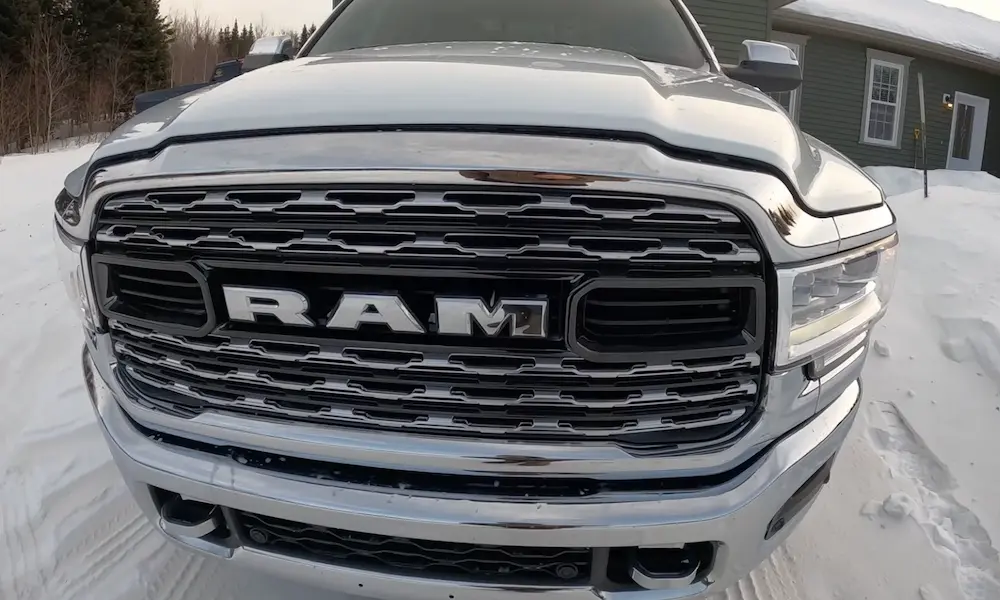
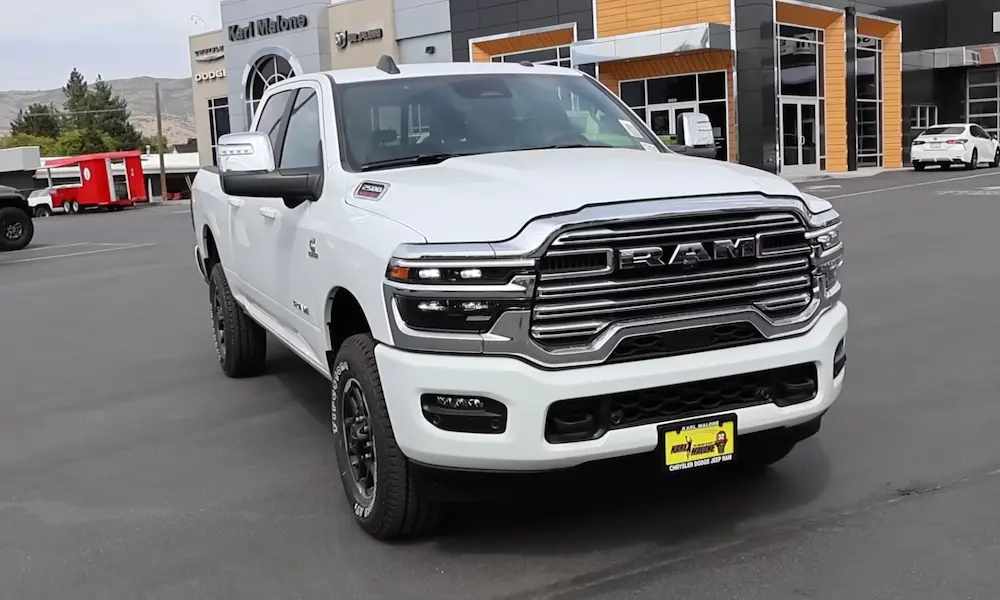
Stellantis vehicles show the highest incidence of ACC/FCW system problems, with issues dating back to 2015 models. Common Stellantis-specific problems include:
- Intermittent failures during long trips that reset after engine restart
- Temperature-sensitive operation with failures occurring after approximately 7 minutes of driving
- Diagnostic difficulties due to the intermittent nature of problems
Repair costs for Stellantis vehicles typically range from $1,400-2,500 for camera replacement and $600-1,200 for radar sensor replacement.
Honda and Other Manufacturers
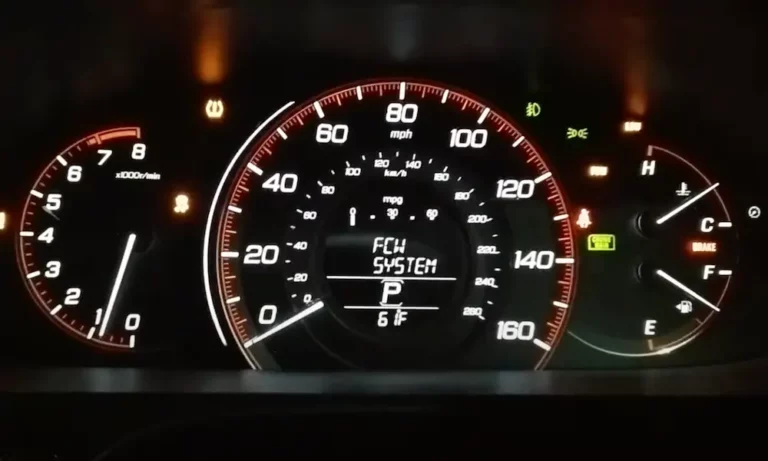
Honda vehicles (particularly Accord, CR-V, and Odyssey) also experience significant FCW system failures. Heat-related damage from radiator cooling systems commonly affects Honda FCW sensors. Honda-specific diagnostic procedures often require 20-minute cooling periods before system resets become effective.
Toyota/Lexus and Subaru (with its EyeSight system) generally demonstrate higher reliability with their collision prevention technologies.
When Professional Service Is Needed
If basic troubleshooting doesn’t resolve the issue, professional diagnosis becomes necessary. Here’s when to seek professional help:
1. Persistent Error Messages
If the warning appears consistently despite cleaning and reset attempts, there may be an underlying hardware issue requiring professional diagnosis.
2. After Collision or Impact
Even minor front-end collisions can misalign sensors. Professional calibration becomes necessary after:
- Front-end collision repairs
- Windshield replacement
- Suspension modifications
- Sensor replacement
3. Diagnostic Trouble Codes
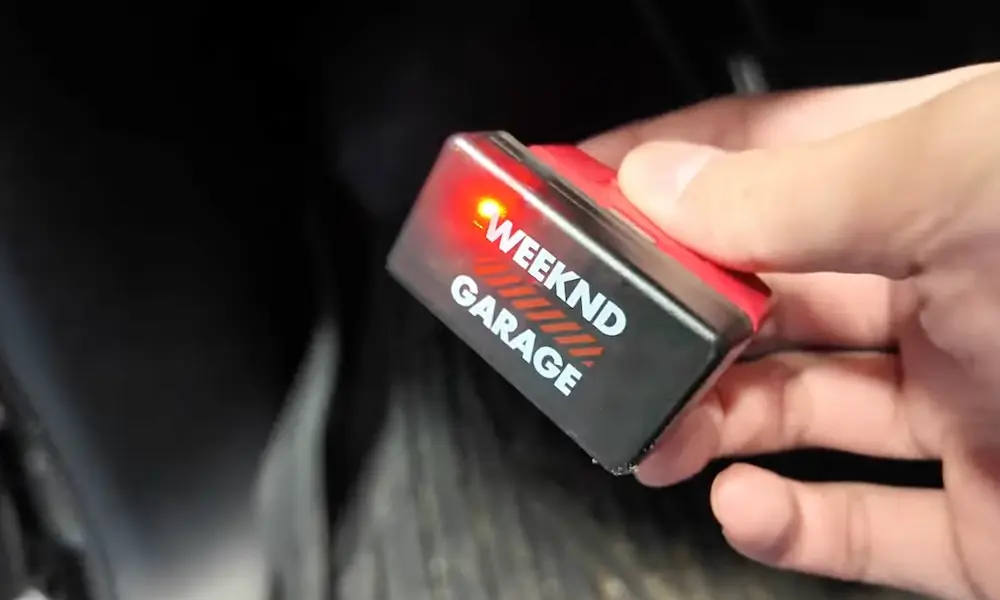
Professional OBD-II scanners can retrieve specific error codes that identify the exact component causing system failure. Common diagnostic codes include:
- C14A5-68: Camera Blinded
- C14A5-97: Camera Blocked
- P0303: Engine misfire affecting multiple systems
- C003A: Wheel speed sensor malfunction
Repair Costs and Considerations
Professional diagnostic fees typically range from $100-150 for system scanning. Here’s what you might expect to pay:
- Sensor cleaning and basic calibration: $150-500
- Radar sensor replacement: $600-1,200
- Camera replacement: $1,400-2,500
- Complete system replacement: $2,000+
For vehicles under warranty, manufacturers typically cover sensor replacement and calibration costs. However, environmental damage from road debris or improper maintenance often falls outside warranty coverage.
Prevention Strategies
To minimize ACC/FCW system problems:
1. Regular Maintenance
- Weekly sensor inspection during routine vehicle cleaning
- Careful windshield cleaning in the camera zone
- Seasonal maintenance during winter months when salt, snow, and ice accumulate
- Professional system checks during regular service appointments
2. Environmental Protection
- Avoid front-end modifications like aftermarket grilles or brush guards
- Choose parking spots that minimize sensor exposure to elements
- Ensure professional windshield service includes ADAS recalibration when needed
Advanced Troubleshooting Table
| Warning Sign | Likely Cause | DIY Solution | Professional Service Needed? |
|---|---|---|---|
| Message appears in rain/snow | Environmental blockage | Clean sensors, wait for conditions to improve | No – normal system behavior |
| Message appears after startup, then clears | Temporary system initialization | No action needed | No |
| Message appears after windshield replacement | Camera calibration required | None | Yes – professional calibration required |
| Message appears with “check engine” light | Related vehicle system failure | Check/reset engine codes | Yes – comprehensive diagnosis needed |
| Message appears after minor collision | Sensor misalignment | Visual inspection for damage | Yes – alignment and calibration |
Common Misconceptions About ACC/FCW Systems
Many drivers misunderstand these systems, leading to unnecessary service appointments:
- Myth: Any ACC/FCW warning indicates major system failure.
Reality: Most warnings are temporary and caused by environmental factors. - Myth: These systems work in all weather conditions.
Reality: Heavy rain, snow, and fog naturally limit sensor effectiveness. - Myth: Dealer service is always required for warnings.
Reality: Basic cleaning and resets resolve most issues. - Myth: System components rarely need maintenance.
Reality: Regular cleaning and inspection are essential for reliable operation.
Remember that ACC and FCW are safety assistance features, not replacement for attentive driving. When these systems are unavailable, it’s crucial to maintain safe following distances manually and stay extra vigilant about potential collision hazards.
By understanding these systems and following proper maintenance procedures, you can minimize downtime and unnecessary repair costs while ensuring these important safety features remain functional when you need them most.