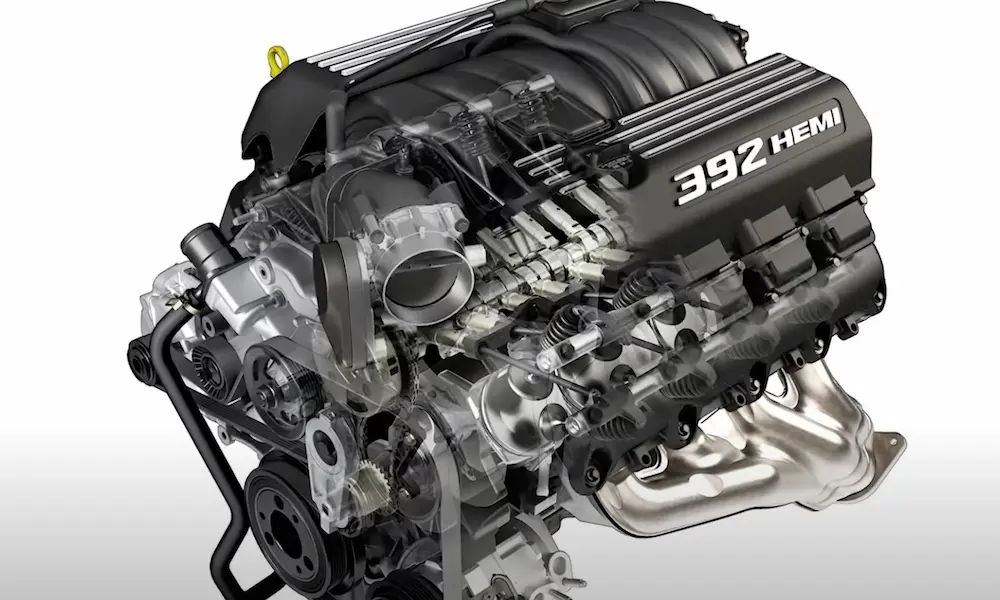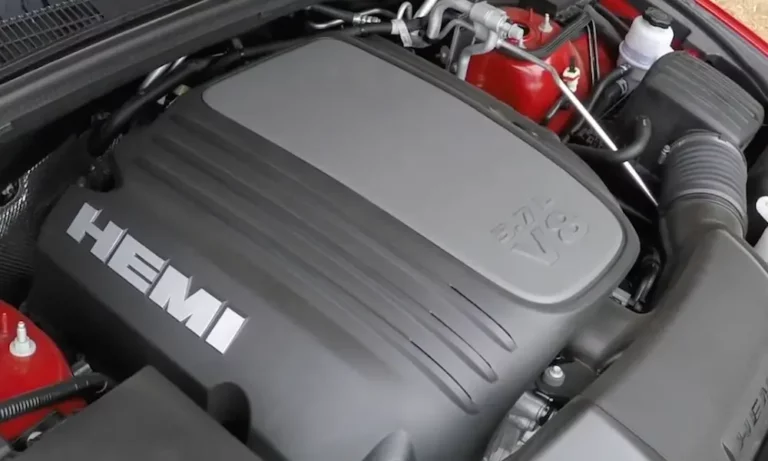
The 5.7 Hemi is one of America’s most iconic V8 engines — but it’s also one of the most talked-about for the wrong reasons. If you’re hearing a tick, noticing rough idling, or just want to know what you’re getting into before buying, this guide breaks down every major 5.7 Hemi problem clearly. Stick around — the difference between a $500 fix and a $3,500 engine job often comes down to catching the right symptom early.
Two Hemis, Two Sets of Problems
Before diving into specific failures, you need to know which 5.7 Hemi you have. Chrysler made a major overhaul in 2009, called the “Eagle” revision. It introduced Variable Valve Timing (VVT) and an updated Multi-Displacement System (MDS). That update split the engine into two distinct reliability eras.
| Feature | Pre-Eagle (2003–2008) | Eagle (2009–Present) |
|---|---|---|
| Valvetrain | OHV Pushrod | OHV Pushrod with VVT |
| MDS | Limited availability | Standard on automatics |
| Top Risk | Dropped valve seats | Roller lifter failure |
| Cylinder Heads | Standard twin-plug aluminum | High-flow Eagle aluminum |
| Block | Cast iron | Cast iron (revised water jackets) |
Knowing your year isn’t just trivia — it tells you exactly which problems to watch for.
The Hemi Tick: What It Is and Why It Matters
“Hemi Tick” gets thrown around loosely online, but it actually covers several different failures. Some are cheap to fix. Others will destroy your engine if you ignore them.
Roller Lifter Failure: The Expensive One
This is the big one. Inside every Gen III Hemi, hydraulic roller lifters ride along the camshaft lobes. Those lifters use tiny needle bearings on an internal axle. When those bearings fail, the roller wheel stops spinning and starts skidding across the cam lobe instead.
The result? The cam lobe gets “wiped” flat. Lift disappears, misfires start, and metal debris floods the oil system. Once that debris circulates, you’re looking at collateral damage throughout the entire engine.
The MDS-equipped engines are especially vulnerable. Here’s why: the 5.7 Hemi uses an unconventional oiling path where pressurized oil travels from the block deck, through the head gasket, down the rocker shaft, and finally into the lifter. During normal low-RPM driving when MDS is inactive, the lifter bores get minimal direct oil pressure. High idle hours — like police vehicles and fleet trucks — make this dramatically worse.
Signs you have lifter failure:
- Soft ticking, pinging, or chirping at hot idle
- Misfire codes (P0300) tied to specific cylinders
- Metal shavings visible in the oil filter
- Rough acceleration that wasn’t there before
Exhaust Manifold Studs: The Common One
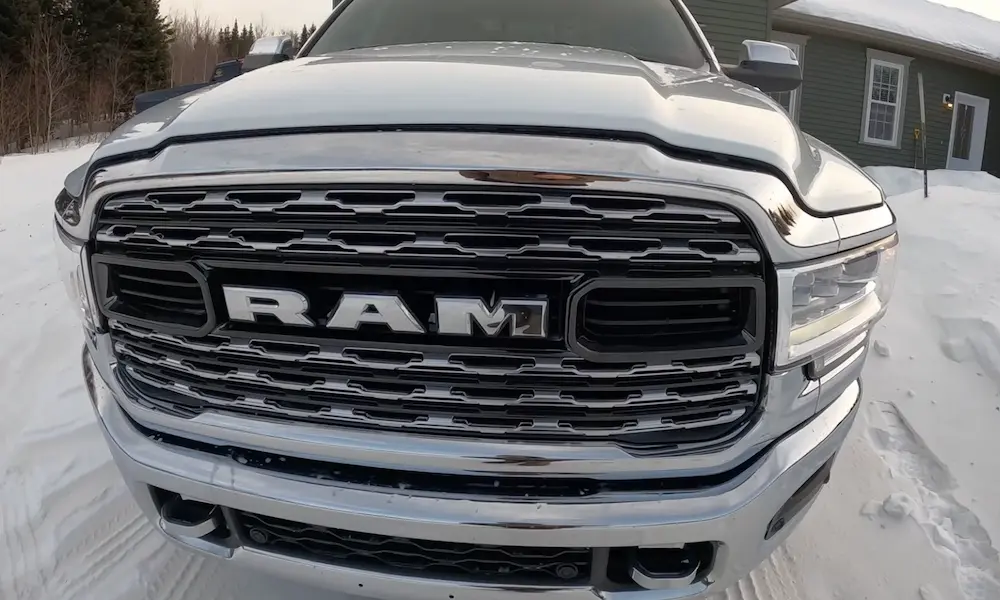
This is far more manageable, but almost every Ram 1500 5.7 Hemi owner deals with it eventually. The cast-iron exhaust manifolds expand when hot. The steel studs holding them to the aluminum heads can’t keep up with the constant thermal cycling. They snap — most often at cylinders 7 and 8 where heat concentrates.
When a stud breaks, exhaust gas escapes past the gasket and creates a sharp tapping noise. Here’s the tell: it’s loudest on a cold start, then fades as the manifold expands and partially re-seals. That pattern — loud when cold, quieter when warm — almost always points to an exhaust leak rather than a valvetrain problem.
Ignoring it warps the manifold flange, turning a stud replacement into a full manifold swap.
| Repair | Labor Hours | Estimated Cost |
|---|---|---|
| Single manifold replacement | 1.3–3.5 hours | $300–$600 |
| Both manifolds | 2.8–5.6 hours | $800–$1,200 |
| Lifter and camshaft replacement | 10–15 hours | $1,500–$3,500+ |
| MDS delete kit installation | 12–18 hours | $2,000–$4,000 |
Chrysler issued TSB 09-001-24 covering updated manifold kits with revised gaskets and fasteners lengthened by 6mm to prevent bottoming in the cylinder head.
The Pre-2009 “Fatal Flaw”: Dropped Valve Seats
If you own a 2003–2008 Hemi, this is the failure mode you need to understand completely.
Early Gen III Hemi cylinder heads used powdered metal valve seats press-fit into aluminum heads. Aluminum expands much faster than powdered metal when it heats up. During an overheating event, the seat pocket expands enough to lose its interference fit. When the engine cools, the seat has often already shifted — or dropped entirely into the combustion chamber.
On the next start, the piston strikes the loose seat. It shatters. The valve can break. Cylinder walls get scarred. Debris gets pushed through the intake into neighboring cylinders. It’s catastrophic, and repair costs can be staggering.
The 2009 Eagle revision fixed this through improved seat materials and tighter machining tolerances. If you have a post-2009 engine, this specific risk is largely behind you.
Key takeaway: If you have a pre-2009 Hemi, cooling system health isn’t optional maintenance — it’s engine survival.
MDS Solenoid Problems
The Multi-Displacement System shuts down cylinders 1, 4, 6, and 7 under light loads, improving fuel economy by up to 20%. It relies on four solenoids in the engine valley to redirect oil pressure to specialized deactivation lifters.
Those solenoids clog. Their screens collect metal particles. They develop electrical shorts. When they fail, you’ll often see codes like P1417 or P3400, along with rough idling, misfires, or stalling.
Here’s the trap: failed MDS solenoids can mimic valvetrain failure on a scan tool. Replacing lifters and camshafts when you actually have a bad solenoid is an expensive mistake. Always verify with proper diagnostic scanning before authorizing major engine work.
Many owners skip the solenoid game entirely with an MDS delete kit. These replace deactivation lifters with standard units and block off the oil ports. It’s not cheap, but it removes a known failure point permanently.
Cooling System: Small Problems, Big Consequences
The 5.7 Hemi runs hot by design — modern emissions standards demand it. That means the cooling system has zero tolerance for neglect.
Plastic T-Valves and Water Pump Failures
Water pumps on the 5.7 Hemi fail regularly, usually showing up as coolant seeping from the weep hole or bearing noise before anything catastrophic happens.
More insidious are the plastic heater hose T-valves used in many Dodge and Ram applications. These develop micro-fractures that drop system pressure without any visible puddle under the truck. Lower pressure means a lower coolant boiling point. Localized boiling inside the cylinder heads creates hot spots — and on pre-2009 engines, those hot spots drop valve seats.
Replacing these plastic connectors with brass or aluminum equivalents is a straightforward upgrade that eliminates a genuine weak point.
Bleeding Air After Coolant Work
The Gen III Hemi is notoriously difficult to purge air from after a flush or component swap. Air pockets trap in the cylinder heads because of how the heater core and upper hoses sit relative to the radiator cap on certain chassis.
Correct bleeding requires either elevating the front of the vehicle or using a vacuum-fill tool. Skipping this step and topping off at the reservoir is one of the most common reasons a freshly serviced Hemi overheats within days of leaving the shop.
Software and eTorque Issues on Newer Models
More recent 5.7 Hemi variants with the eTorque mild-hybrid system introduced a new category of problems that are software-based rather than mechanical.
A PCM software error in 2021 Ram 1500 eTorque models — covered under NHTSA recall 23V-265 — could create an incorrect fuel mixture and trigger an unexpected engine stall. The fix is a software flash, not parts replacement. But the failure highlights how much of modern Hemi diagnosis requires current scan tools and software awareness alongside traditional mechanical knowledge.
DTCs like P1524 (Oil Pressure Out of Range – Camshaft Advance/Retard Disabled) can look like mechanical valvetrain failure when they’re actually calibration issues. A proper scan with live data saves a lot of unnecessary teardowns.
The Legal Picture: Class Action Against Stellantis
The lifter and camshaft failures aren’t just a forum talking point — they’ve triggered significant legal action. The Petro et al. v. FCA US LLC lawsuit, filed in the U.S. District Court for the District of Delaware (Case No. 1:22-cv-00621-VAC), covers 2014 and newer vehicles with 5.7L and 6.4L Hemi engines.
The core allegations:
- FCA failed to disclose known defects causing ticking, knocking, and catastrophic engine failure
- Those defects create safety risks by affecting driver control of speed and acceleration
- Warranty and consumer protection breaches
Some claims were tossed in early 2026, but plaintiffs received permission to amend their filings, keeping the case active. For comparison, a similar GM AFM lifter lawsuit settled for $150 million — which gives some sense of the stakes here.
How to Diagnose the Tick Without Guessing
The fastest way to waste money on a Hemi is misidentifying the noise.
| What You Hear / See | When It Happens | Most Likely Cause |
|---|---|---|
| Loud tap that quiets when warm | Cold start | Broken exhaust manifold studs |
| Soft ping or chirp at idle | Hot idle, random | Roller lifter axle bearing failure |
| Soot marks near manifold flange | Visual inspection | Exhaust gasket leak or cracked manifold |
| Metal shavings in oil filter | Oil change inspection | Camshaft or lifter failure |
| P0300 with bank-specific misfires | Scan tool | Valvetrain issue or bad coil pack |
Start with the cheapest, most accessible diagnosis first. Soot marks and cold-start noise cost nothing to check. Borescope inspection and oil filter checks are next. Only then should you be pulling intake manifolds and inspecting solenoids.
What Actually Keeps These Engines Alive
Three things separate high-mileage 5.7 Hemis that run great from the ones that grenade:
1. Oil quality matters more than you think
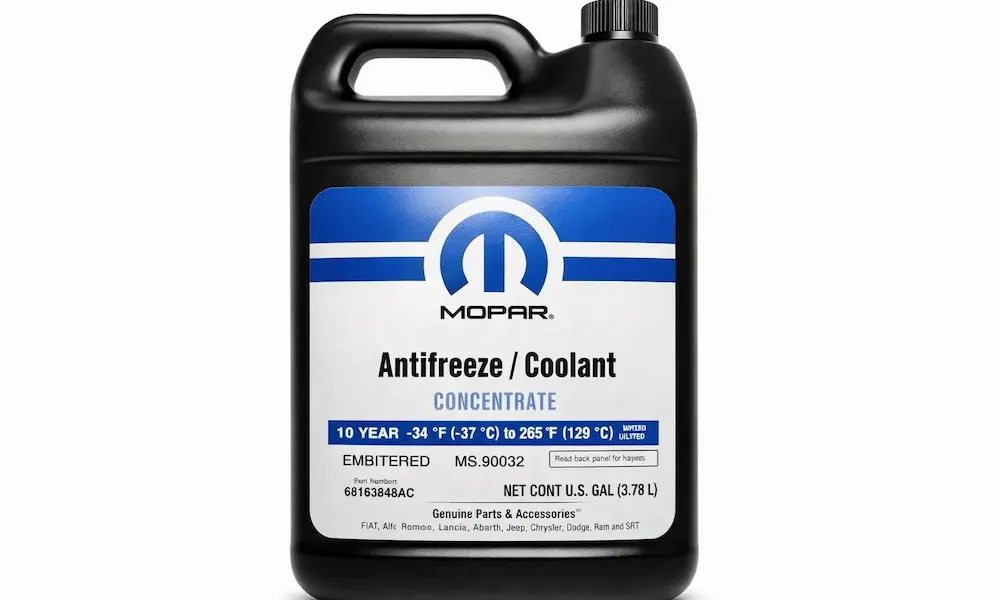
Use a high-quality full synthetic — 5W-20 for standard use, 5W-30 for towing or high-load applications. High-molybdenum oils like Pennzoil Ultra Platinum or Red Line 5W-30 build a stronger film over lifter rollers. Change it on schedule without exception.
2. Minimize idle time
Lubrication at idle is marginal on this engine by design. Extended idling — especially common in police and work truck applications — is one of the fastest paths to lifter failure. If the truck doesn’t need to idle, shut it off.
3. Proactive hardware upgrades
If the engine is already open for any significant repair, installing non-MDS “Hellcat” lifters (Part No. 8784AD) and an upgraded oil pump from a 6.4L or Hellcat engine is widely considered the most reliable long-term solution. Add an oil catch can to keep carbon off the intake valves and the PCV system cleaner.
The 5.7 Hemi isn’t a bad engine — it’s a demanding one. Give it the right oil, don’t let it idle endlessly, and address the tick the moment it starts. Do those things and this engine will reward you with genuine longevity. Ignore them, and the repair bills write themselves.