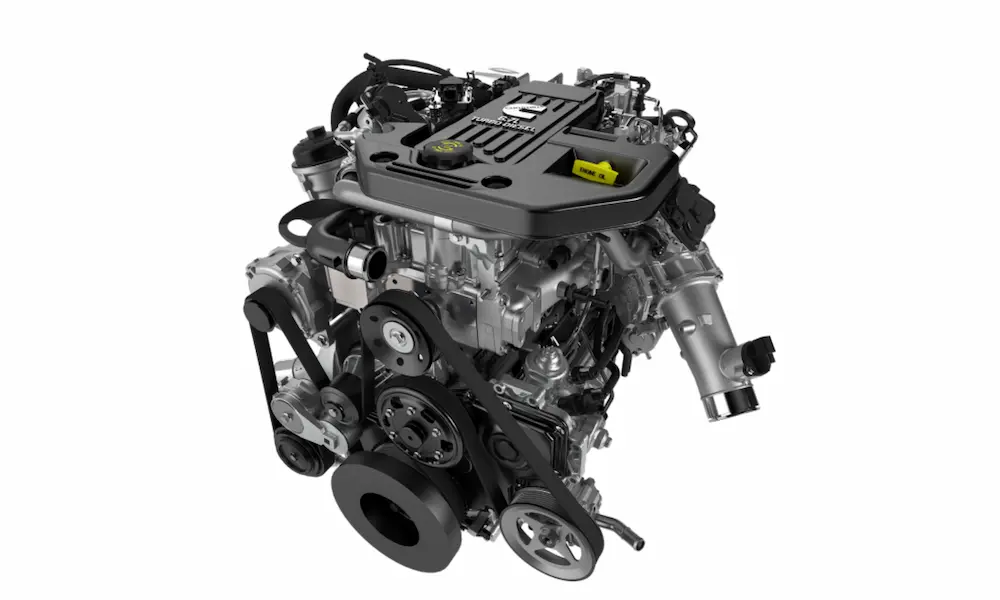
Got a 5.7 HEMI and wondering exactly how much oil it takes? You’re in the right place. Whether you’re doing your first oil change or just want to double-check the specs before handing your truck to a shop, this guide covers capacity, viscosity, filters, and the quirks that can quietly wreck your engine if you ignore them. Read to the end — there’s a dipstick issue that’s caught a lot of HEMI owners off guard.
The 5.7 HEMI Oil Capacity: The Short Answer
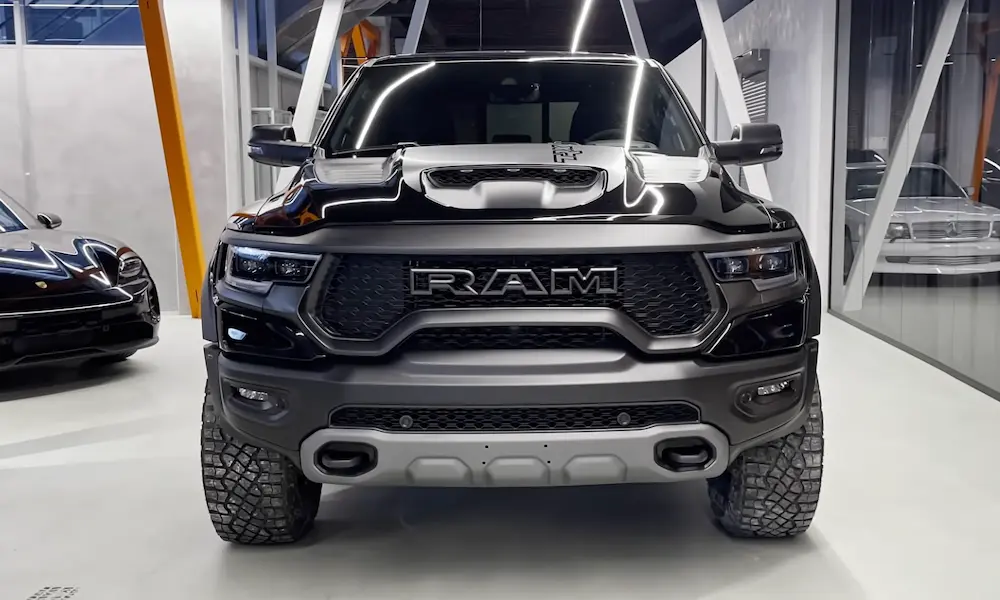
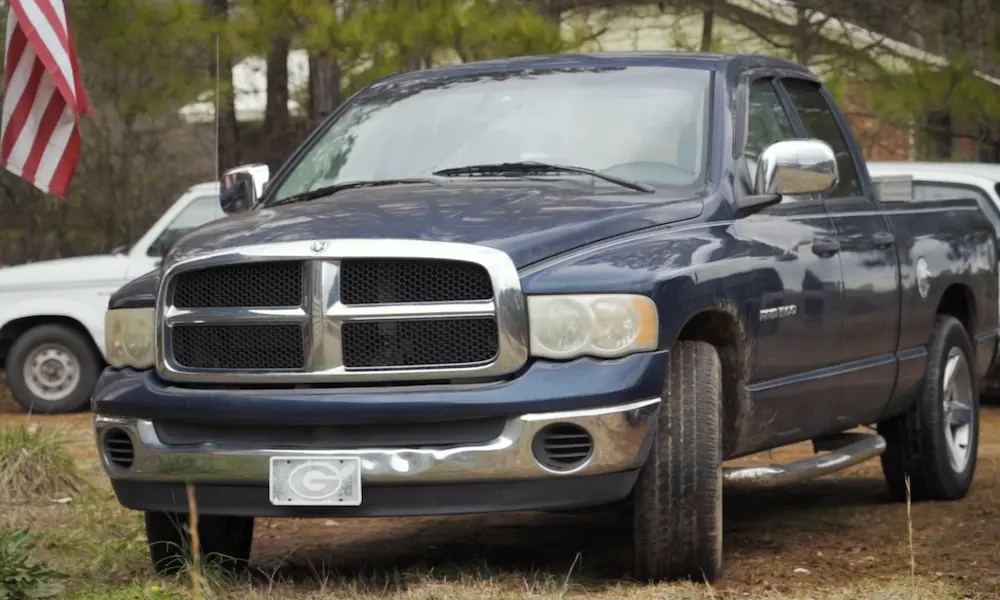
The 5.7 HEMI oil capacity is 7 quarts (6.6 liters) with a filter change. That number covers nearly every vehicle running this engine — the RAM 1500, Dodge Charger, Dodge Challenger, Chrysler 300, Dodge Durango, and Jeep Grand Cherokee.
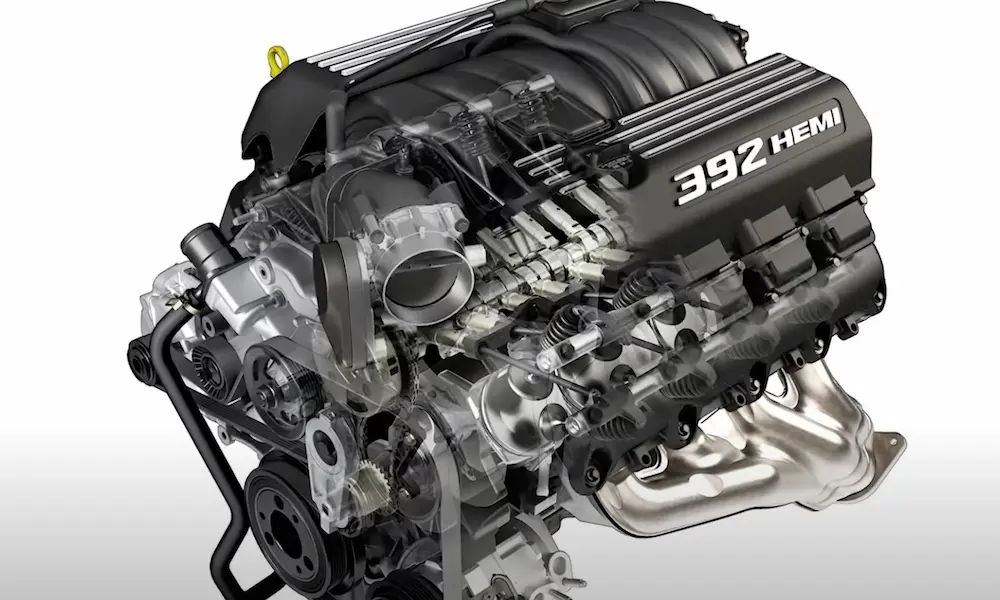
According to detailed HEMI lubrication data, Chrysler engineers chose 7 quarts deliberately. The extra volume supports cooling, contaminant suspension, and — critically — the hydraulic demands of the Multi-Displacement System (MDS). That’s the cylinder deactivation system that shuts down four cylinders on the highway to save fuel.
One thing worth knowing: if you rebuild the engine completely from scratch, the dry fill is around 10 quarts (9.4 liters). Oil stays trapped in the galleries, cooler, and upper valvetrain during a normal drain. So don’t be surprised when a dry block drinks way more than 7 quarts.
Oil Capacity by Vehicle and Year
The 5.7 HEMI oil capacity stays at 7 quarts across platforms, but the recommended viscosity shifts depending on the year and application. Here’s the full breakdown:
| Vehicle Platform | Model Years | Oil Capacity (w/ Filter) | Recommended Viscosity |
|---|---|---|---|
| RAM 1500 | 2003–2008 | 7.0 Quarts | 5W-30 |
| RAM 1500 | 2009–2021 | 7.0 Quarts | 5W-20 Full Synthetic |
| RAM 1500 (eTorque) | 2022–2024, 2026 | 7.0 Quarts | 0W-20 Full Synthetic |
| RAM 2500/3500 | 2003–2018 | 7.0 Quarts | 5W-20 or 5W-30 |
| Dodge Charger R/T | 2006–2023 | 7.0 Quarts | 5W-20 Full Synthetic |
| Dodge Durango | 2004–2024 | 7.0 Quarts | 5W-20 Full Synthetic |
| Jeep Grand Cherokee | 2005–2021 | 7.0 Quarts | 5W-20 Full Synthetic |
| Jeep Wagoneer | 2022–2023 | 7.0 Quarts | 5W-20 Full Synthetic |
The Dipstick Problem That’s Tripped Up Thousands of HEMI Owners
Here’s where things get interesting. Chrysler issued a Technical Service Bulletin (TSB MC-10148985-9999) — documented by NHTSA — about a serious calibration error with the factory dipstick on certain 5.7 HEMI engines.
The problem: after you add the correct 7 quarts during a service, the original dipstick might still read 1 quart low. So owners (and even shop techs) topped it off to 8 quarts. That’s overfilling, and overfilling causes oil aeration, foaming, and a drop in oil pressure — the opposite of what you want.
The fix is replacing the dipstick with revised part number 53034186AD, which has corrected markings for the actual oil pan geometry. If your vehicle hasn’t had this done yet, it’s worth checking. The spec is 7 quarts, full stop — regardless of what your old dipstick says.
What Oil Does a 5.7 HEMI Take? Viscosity Isn’t a Suggestion
A lot of people treat viscosity as a rough guideline. With the 5.7 HEMI, it’s not. Here’s why.
How the MDS System Controls Your Oil Choice
The Multi-Displacement System relies entirely on engine oil as a hydraulic fluid to activate and deactivate cylinders. Solenoids use oil pressure to collapse specialized lifters, stopping the valves from opening in four cylinders during light cruising.
This process happens in milliseconds. If your oil is too thick — say, 10W-30 in an engine spec’d for 5W-20 — the hydraulic response lags. That results in:
- Rough, clunky transitions between 4-cylinder and 8-cylinder mode
- Reduced fuel economy
- A check engine light with MDS-related diagnostic trouble codes
The 5W-20 full synthetic spec is engineered specifically for MDS compatibility, not just for general engine protection. It maintains proper hydraulic lifter timing across a wide temperature range.
Heavy-Duty Trucks: When 5W-30 Makes Sense
RAM 2500 and 3500 pickups with a Gross Combined Weight Rating over 14,000 lbs typically don’t have the MDS system. They also run hotter under sustained load. For these trucks, Chrysler specifies 5W-30 full synthetic to handle higher thermal stress and protect bearings under heavy towing conditions.
eTorque Models: The Move to 0W-20
If you’re running a 2022 or newer RAM 1500 with the eTorque mild-hybrid system, your spec drops to 0W-20 full synthetic. The eTorque system stops and restarts the engine constantly to save fuel. Ultra-low viscosity oil builds pressure faster during those restarts, which cuts wear during the “boundary lubrication” window right after startup.
From 2013 onward, Chrysler standardized on full synthetic for all 5.7 HEMI engines. If your engine is older, conventional oil was once acceptable, but there’s no downside to running full synthetic on any year.
The Right Oil Filter for Your 5.7 HEMI
The filter you use matters more than most people think — especially if you want to protect the MDS valvetrain from the dreaded HEMI Tick (more on that next).
The mounting thread changed in 2008. Here’s the breakdown:
| Filter Part Number | Thread Size | Key Feature | Application |
|---|---|---|---|
| Mopar MO-090 | 3/4-16 UNF | High Burst Strength | 2003–2007 HEMI |
| Mopar MO-899 | M22x1.5 | 20-Micron Filtration | 2008–2024 HEMI |
| Mopar 4892339BH | M22x1.5 | ESS/eTorque Optimized | 2020+ eTorque Models |
| Mopar 4892339BE | M22x1.5 | Compact Clearance | Late-model Jeep/RAM |
The MO-899 filters at 20 microns — fine enough to catch particulates that would otherwise clog the narrow hydraulic passages inside the MDS lifters. Don’t cheap out here.
Every quality HEMI filter also needs a solid anti-drainback valve — usually made of nitrile or silicone rubber. This valve keeps oil in the filter and upper galleries after shutdown. Without it, your engine runs dry every morning until the pump refills the entire system from scratch. That’s a primary driver of the HEMI Tick.
The HEMI Tick: What It Is and What Causes It
The HEMI Tick is one of the most searched topics for 5.7 HEMI owners. It’s a rhythmic tapping sound that’s either a minor annoyance or a sign of serious internal damage. Here’s how to tell the difference.
Exhaust Manifold Leaks: The Common Culprit
The most frequent cause of ticking — especially on cold starts — is a cracked or warped exhaust manifold. The steel bolts holding the cast-iron manifold are prone to snapping from repeated heat cycles, particularly at the rear cylinders. This lets exhaust gases escape with a tap-tap-tap rhythm.
The tell: the noise usually fades as the engine warms up and the metal expands to seal the leak. It’s annoying, but it doesn’t cause internal engine damage. A manifold gasket or stud replacement fixes it.
Roller Lifter Failure: The Expensive Problem
This is the one you don’t want. The 5.7 HEMI uses hydraulic roller lifters with small needle bearings. If oil pressure at idle drops, or if oil quality degrades, those needle bearings can seize. Once the roller stops turning, it grinds against the camshaft lobe and eventually flattens it.
The HEMI’s cam sits high in the block and depends partly on splash lubrication from the crankshaft. At extended idle, that splash volume drops. The cam-to-lifter interface becomes vulnerable. This is why many HEMI enthusiasts recommend changing oil every 5,000 miles with full synthetic — even if the Oil Life Monitor says you’ve got more time — to keep the additive package fresh and friction modifiers effective.
Full Drivetrain Fluid Capacities for 5.7 HEMI Vehicles
The engine oil is your top priority, but it’s not the only fluid that needs attention. Here’s a quick reference for vehicles equipped with the 5.7 HEMI:
| Component | Fluid Type | Approximate Capacity | Notes |
|---|---|---|---|
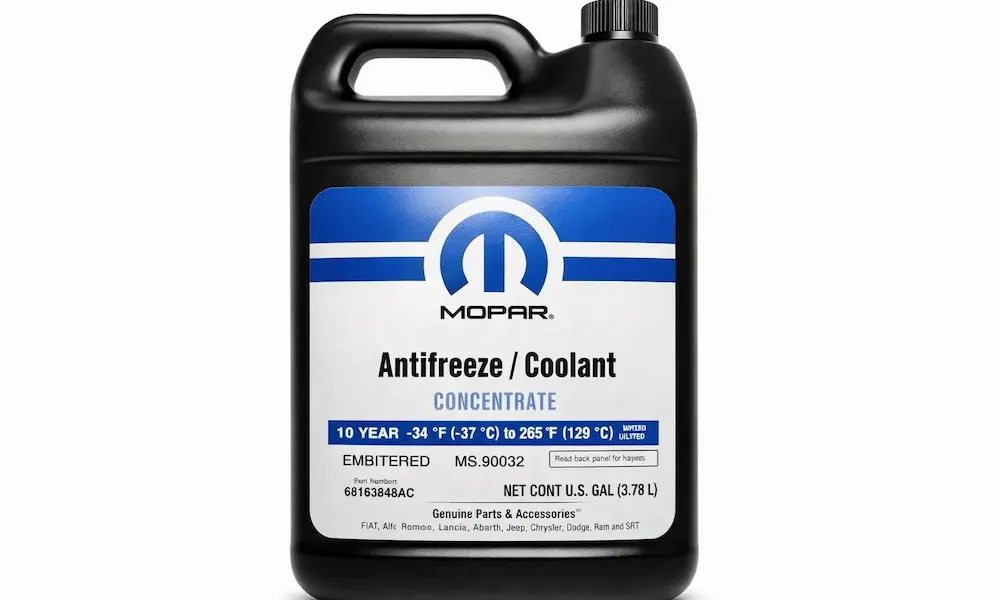
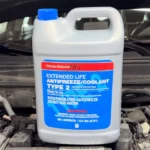
| Cooling System | OAT Antifreeze | 15.4–16.2 Quarts | Includes reservoir |
| 8HP70 Transmission | Mopar 8&9 Speed ATF | 8.8 Quarts | Total fill |
| Transfer Case (AWD) | BorgWarner / ATF+4 | 2.5–3.4 Pints | Model dependent |
| Front Differential | 75W-85 or 75W-90 | 1.1–2.3 Pints | Platform dependent |
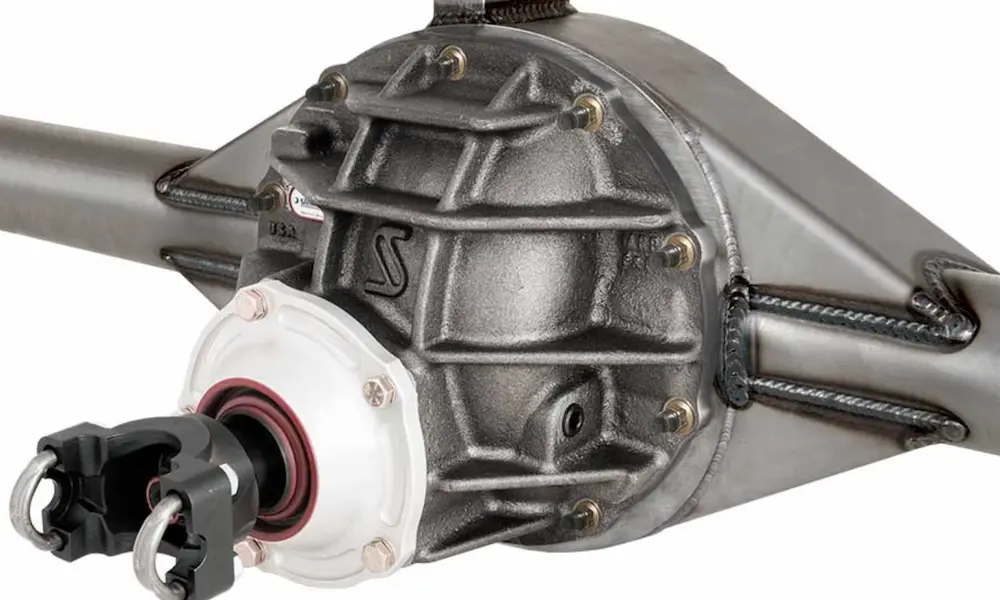
| Rear Differential | 75W-140 Synthetic | 3.0–4.6 Pints | Additive needed for LSD |
On AWD models — Charger, Durango, Grand Cherokee — the front differential can block access to the oil filter. Some owners use an oil filter relocation kit to make filter changes less of a wrestling match.
Maintenance Schedule: How Often Should You Change the Oil?
Chrysler’s Oil Life Monitor calculates change intervals based on rpm, temperature, and run time. Under normal conditions, it might push you toward 10,000 miles. But for the 5.7 HEMI specifically, the real-world recommendation from experienced owners and mechanics is different.
Under “Severe Duty” conditions — which includes:
- Frequent short trips under 5 miles
- Towing or hauling regularly
- Heavy idling (think traffic, long warm-ups)
- Extreme heat or cold
…the interval drops to 5,000 miles or six months, whichever comes first.
Even if you don’t tow or idle heavily, most HEMI specialists land on 5,000 miles as the sweet spot. The oil’s additive package — especially the friction modifiers that protect the MDS lifters — starts breaking down before the OLM flags it. Use a full synthetic that meets the Chrysler MS-6395 specification, and you’ve got the best protection the 5.7 HEMI can get.
What About the 2025+ Transition?
The 2025 RAM 1500 largely replaced the 5.7 HEMI with the 3.0L Hurricane Twin-Turbo Inline-6 — a completely different architecture with a 7.5-quart capacity and 0W-40 oil for the high-output version. That said, the HEMI returns for select 2026 configurations, which means the 7-quart standard stays relevant for years to come.
Key Takeaways: What You Actually Need to Remember
Getting the 5.7 HEMI oil capacity right isn’t complicated once you know the rules:
- Always use 7 quarts with a filter change — not 8, even if your dipstick suggests otherwise
- Get the revised dipstick (part number 53034186AD) if yours hasn’t been updated — the NHTSA TSB makes this clear
- Use the right viscosity — 5W-20 for most models, 5W-30 for heavy-duty trucks without MDS, 0W-20 for eTorque models
- Don’t skip filter quality — a proper anti-drainback valve prevents dry starts and the HEMI Tick
- Change oil every 5,000 miles using full synthetic that meets Chrysler MS-6395 — your lifters will thank you
The 5.7 HEMI is a proven, durable V8 that regularly hits 200,000 miles when it’s properly maintained. Most of the horror stories you hear online trace back to wrong viscosity, overfilling, or stretched oil change intervals. Get these basics right, and this engine will outlast just about anything you throw at it.