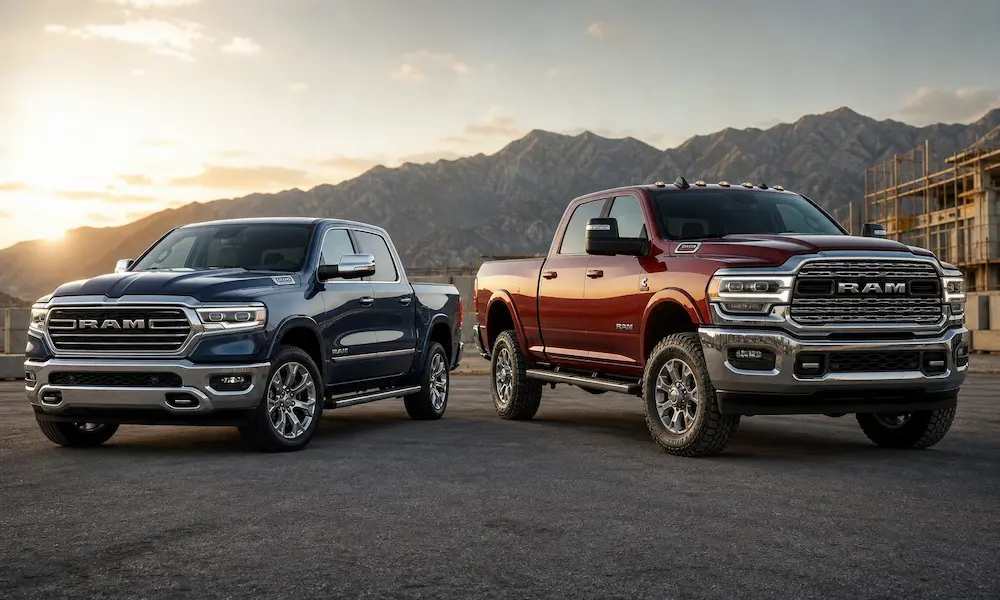
The 6.7 Cummins is one of the most powerful diesel engines ever dropped into a pickup truck. But it’s not perfect. If you own one — or you’re thinking about buying one — there are real problems you need to know about before they cost you thousands. Read through this entire guide. It could save your engine.
How the 6.7 Cummins Evolved (And Why It Matters)
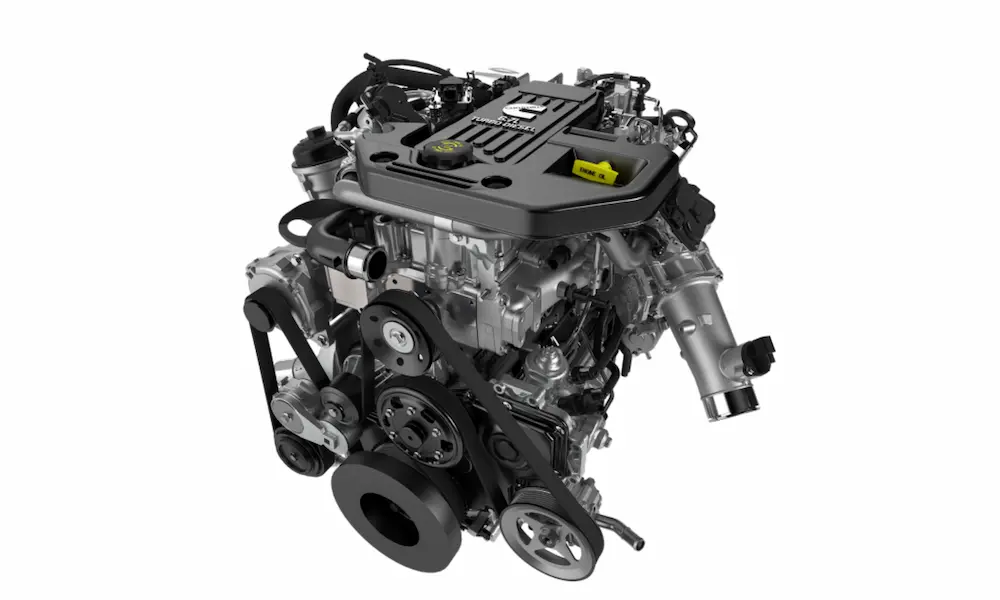
The 6.7L replaced the legendary 5.9L in mid-2007. Bigger displacement, more torque, but also way more emissions hardware. That’s where most of the problems start.
Here’s a quick breakdown of the four main generations:
| Generation | Years | Key Change | Biggest Issue |
|---|---|---|---|
| Early 6.7L | 2007.5–2012 | DPF added, no DEF yet | DPF clogging, oil dilution |
| Mid Generation | 2013–2018 | SCR/DEF added | Recall 67A, EGR cooler failures |
| Modern High Output | 2019–2024 | CGI block, hydraulic lifters | Lifter and camshaft failures |
| Next-Gen Redesign | 2025–Present | Glow plugs, ZF 8-speed, CP8 pump | TBD — too new to tell |
Each generation fixed some problems and introduced new ones. Knowing your year is step one.
The 2019–2024 Lifter Failure: The Biggest Problem Right Now
If you own a 2019–2024 Ram with the 6.7 Cummins, this is the section you can’t skip.
Cummins switched from solid flat tappet lifters to hydraulic roller lifters in 2019. The goal was less noise and zero maintenance. The result? One of the most catastrophic failure modes in the engine’s history.
Why the Lifters Fail
The hydraulic roller lifters in 2019–2024 models lack needle roller bearings inside the roller assembly. In a high-load diesel environment, that’s a serious design gap. When these lifters seize, they stop rolling across the camshaft lobe and start dragging instead. The lobe wears down fast. Metal shrapnel enters the oiling system. Everything downstream — the oil pump, bearings, turbocharger — takes damage.
Here’s how the failure progresses:
- Ticking noise on cold starts — The lifter stops spinning due to poor lubrication at startup
- Camshaft lobe erosion — The seized lifter grinds the lobe flat, creating metal debris
- System-wide contamination — Shrapnel circulates through every oil gallery in the engine
- Complete engine failure — Misfire, no compression, $20,000–$25,000 replacement bill
The Oil Viscosity Fix You Must Know
In July 2023, Stellantis issued a Technical Service Bulletin warning against 15W-40 oil in 2019+ trucks. Thicker oil creates deposit buildup inside the hydraulic lash adjusters, especially during cold starts. The mandated viscosity is 10W-30. If you’re still running 15W-40 in a fifth-gen Cummins, switch now.
Many owners skip the fix entirely and convert back to solid flat tappet lifters using aftermarket conversion kits. It’s not cheap, but it permanently eliminates the failure mode.
The “Killer Grid Heater Bolt” (2007.5–2024)
This one sounds minor until it destroys your engine.
From 2007.5 through 2024, the 6.7 Cummins used an intake grid heater for cold starts. Inside the intake manifold, a small bolt carries roughly 200 amps of current. Vibration and thermal expansion differences between steel and aluminum cause micro-fretting at the electrical contact point. This creates arcing. The arcing melts the retaining nut. When the nut breaks loose, it gets pulled into the intake tract and destroys the piston and cylinder head on contact.
How to Check for This Problem Right Now
Grab the external power terminal and check for lateral movement. Any wiggle means the internal J-nut has already started to shear. Don’t wait. Aftermarket options include bolt upgrade kits or billet delete plates that eliminate the heater entirely — though delete plates can trigger a P2609 fault code in cold climates.
Cummins finally replaced the grid heater with glow plugs in the 2025 model year. That’s 17 years of a known flaw before they fixed it.
VGT Turbocharger Problems
The Holset Variable Geometry Turbocharger is brilliant when it works. When it doesn’t, it creates a cascade of problems.
The sliding nozzle ring inside the turbine housing accumulates soot from excessive idling and short trips. When those vanes stick, you get either no boost or uncontrolled overboost — both of which stress the head gasket. The electronic actuator is also a frequent failure point due to wear and moisture-related corrosion.
Here are the codes that show up when the VGT starts failing:
| Symptom | Diagnostic Code | Cause |
|---|---|---|
| No exhaust braking | P00AF, U010C | Actuator communication failure or mechanical binding |
| Power loss, rough acceleration | P003A | Vane plate exceeding learning limit |
| Poor fuel economy | P0299 | Underboost from stuck vanes |
| Extreme turbo lag | P003A | Nozzle ring binding in open position |
Regular highway driving helps prevent this. Sustained high exhaust temps during highway runs trigger passive regeneration that burns soot off the vanes naturally. City-only driving skips this process entirely.
Emissions System Issues: DPF, EGR, and Recall 67A
The 6.7 Cummins emissions system is complex. When it works, you barely notice it. When it doesn’t, the repair bills are brutal.
DPF Clogging and Oil Dilution
When the ECU triggers active regeneration, it dumps raw diesel into the cylinders during the exhaust stroke. This “cylinder washdown” effect lets unburned fuel slip past the piston rings and dilute the engine oil. City drivers and short-haul operators should run 7,500-mile oil change intervals, not the extended factory recommendation.
Emissions Recall 67A — Free Money and Extended Coverage
If you own a 2013–2018 Ram 2500 or 3500, Recall 67A may apply to your truck. It’s a DEF dosing software update designed to reduce tailpipe NOx. Completing the update gets you $500–$1,000 cash from Cummins, plus a Special Extended Warranty covering nearly the entire emissions system.
Here’s what the warranty covers:
| Component | Coverage |
|---|---|
| DPF / SCR Assembly | 10 years or 120,000 miles from initial sale |
| NOx Sensors | OR 4 years / 48,000 miles from recall completion |
| DEF Injector & Pump | Cannot exceed December 31, 2033 |
| EGR Cooler & Valve | Same terms as above |
Don’t leave that on the table. Check the Cummins recall warranty PDF for full eligibility details.
CP4.2 Fuel Pump Failure and the Y78 Recall
The CP4.2 high-pressure fuel pump introduced in 2019 was a massive step backward in reliability. Where the older CP3 handled fuel quality variations without issue, the CP4.2 fractured internally under stress and sent metal debris through the entire fuel system.
The result was NHTSA Recall 21V-880, which forced RAM to replace CP4.2 pumps with the more reliable CP3 design on 2019–2021 trucks. The 2025 model year introduces the new Bosch CP8 pump, rated to handle 30,000 psi with an improved internal cam profile designed to prevent the “grenading” failures that plagued the CP4.2.
Transmission Problems: 68RFE, Aisin, and What 2025 Changes
The 6.7 Cummins makes up to 1,075 lb-ft of torque. The transmissions behind it have historically struggled to keep up.
68RFE: The Weak Link
The 68RFE traces its roots back to gas-engine transmissions from the 45RFE family — not exactly a confidence-inspiring lineage for a heavy-duty diesel application. The torque converter clutch overheats under towing stress, and the valve body develops hydraulic leaks that burn out clutch packs. Pushing engine output beyond 400 horsepower without transmission upgrades is the fastest way to kill a 68RFE.
Aisin AS69RC: Snap Ring Investigation
The Aisin is physically stronger than the 68RFE, but it isn’t problem-free. NHTSA Investigation PE24-001 covers 2022–2023 Ram HD models where the K1 snap ring can pop loose, wiping out gears 1 through 4 instantly. That’s a potential loss of motive power at highway speed — a genuinely dangerous situation.
ZF 8-Speed: The 2025 Fix
The 2025 Ram Heavy Duty finally replaces both the 68RFE and Aisin with the ZF TorqueFlite HD 8AP1075. It uses a five-clutch pack design with shift-by-wire controls, engineered specifically for commercial-grade torque. Early data from medium-duty applications on similar ZF platforms shows some vulnerability in the “A” clutch pressure plate under extreme load, but it’s still early days for this unit in the pickup segment.
Head Gasket and Cylinder Head Vulnerabilities
The 6.7 Cummins runs higher cylinder pressures than the 5.9L it replaced. That makes it more susceptible to head gasket failures, especially on tuned trucks or those used for heavy towing.
Watch for these symptoms:
- Coolant expelled from the degas bottle overflow
- Stiff radiator hoses on cold starts
- Fluctuating coolant temperature gauge
If you’re doing a head gasket repair, check the block deck for trueness and strongly consider replacing the factory head bolts with high-tensile aftermarket head studs. The extra clamping force matters, especially if the engine produces more than stock power.
CCV Filter: The Cheap Maintenance Item That Protects Everything
The Crankcase Ventilation (CCV) filter strips oil vapors from blow-by gases before they recirculate. When it clogs — typically between 67,500 and 75,000 miles — crankcase pressure builds and forces oil past seals.
The front timing cover seal goes first. Then oil enters the turbocharger, fouls the intercooler, and coats the VGT vanes. A clogged CCV is a direct path to turbo failure.
| Warning Sign | DIY Check | Replacement Interval |
|---|---|---|
| Blue/white smoke on cold start | Remove oil cap at idle — excessive chuffing means pressure buildup | 67,500 miles (normal duty) |
| Oily residue in turbo inlet pipe | Visual check of CCV housing for oil pooling | 30,000 miles (severe duty) |
| Power loss or sluggishness | Borescope the intake manifold for sludge | Every 54–60 months |
It’s one of the cheapest maintenance items on the engine. Don’t skip it.
What the 2025 Redesign Actually Fixed
The 2025 6.7 Cummins is the biggest overhaul since 2013. Here’s a quick look at what changed and why it matters:
| Update | What It Fixes |
|---|---|
| Glow plugs replace grid heater | Eliminates the killer bolt failure entirely |
| Helical valvetrain gear set | Reduces harmonic vibration and gear noise |
| ZF 8-speed transmission | Handles torque the 68RFE never could |
| External injector lines | Easier access, lower labor costs for repairs |
| Bosch CP8 fuel pump | Designed to avoid CP4.2-style catastrophic failures |
The 2025 model addresses nearly every major systemic flaw from the past decade. But it’s brand new, so long-term reliability data doesn’t exist yet.
The Delete Debate: What You Need to Know
Plenty of 6.7 Cummins owners remove the DPF, EGR, and SCR/DEF systems to chase reliability and fuel economy. Gains of 3–5 MPG and 30–80 extra horsepower are realistic. But deleting a truck for on-road use is federally illegal in the United States and voids the powertrain warranty immediately. Dealerships typically won’t accept deleted trucks on trade without returning them to stock first.
For owners who want to stay legal, tuning platforms like EFI Live or EZ-Lynk let you refine torque curves, protect the transmission, and monitor engine vitals in real time — all while keeping factory emissions hardware intact.
The 6.7 Cummins is a genuinely capable engine with a long track record. But it demands respect — the right oil viscosity, regular CCV changes, an eye on the grid heater bolt, and realistic expectations about what the emissions system requires to stay healthy. Take care of it properly, and it’ll pull anything you hook up to it for a very long time.