Your check engine light’s glowing, and the scanner’s spitting out a P0420. Before you hand over thousands for a new catalytic converter, pump the brakes. This code doesn’t always mean what you think it does—especially in Dodge vehicles. Let’s cut through the BS and figure out what’s actually broken and how much it’ll really cost to fix.
What Is the Dodge P0420 Code?
The P0420 diagnostic trouble code means “Catalyst System Efficiency Below Threshold (Bank 1).” It’s telling you the catalytic converter on Bank 1 isn’t cleaning up exhaust gases like it should.
Here’s how it works: Your Dodge has oxygen sensors before and after the cat. The front sensor’s voltage jumps around wildly as the engine adjusts the fuel mixture. The rear sensor should stay pretty flat—that’s the cat doing its job, absorbing oxygen fluctuations.
When the cat starts dying, the rear sensor mimics the front one. Your PCM notices the pattern and throws the dodge p0420 code.
But here’s the kicker: The cat might be perfectly fine. Dodge vehicles have specific quirks that trigger false P0420 codes all the time.
Why Dodge Vehicles Get P0420 More Than Others
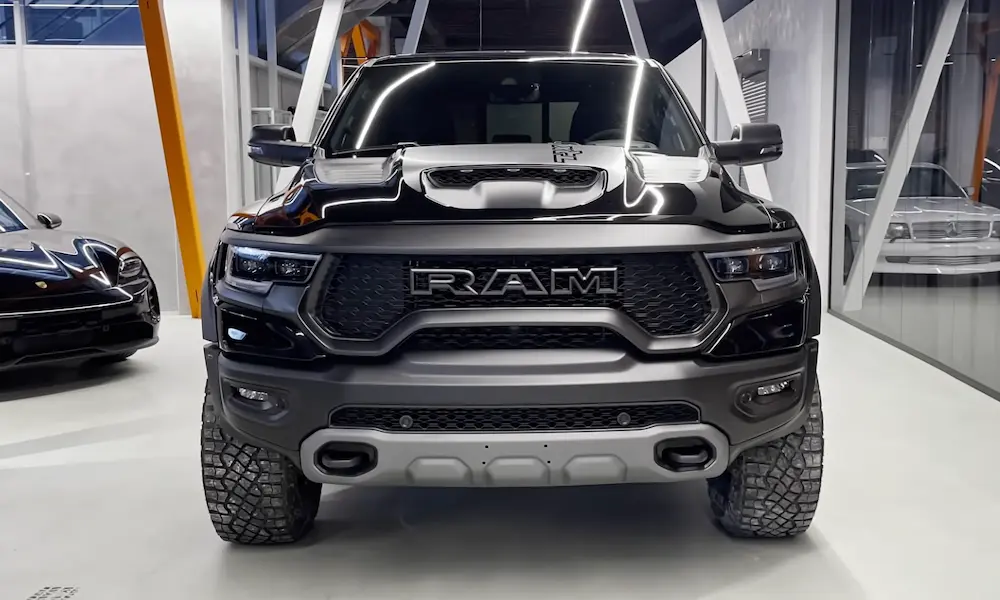
Dodge and Ram trucks have earned a reputation for P0420 codes. It’s not always poor quality—it’s design choices that create unique failure points.
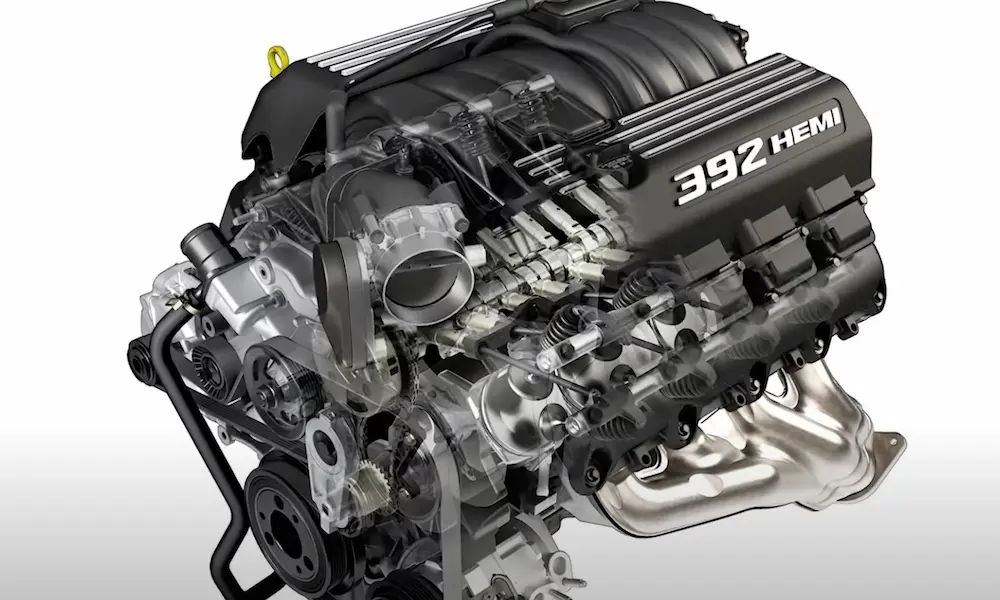
Exhaust manifold bolts snap like breadsticks. The 5.7L HEMI uses aluminum heads bolted to cast-iron manifolds. Aluminum expands twice as fast as iron when heated. Every time you start your truck, those materials fight each other until the bolts fatigue and break.
Oil consumption poisons the catalyst. The 2.4L Tigershark engine in Dodge Darts burns oil like a two-stroke lawnmower. That oil contains zinc and phosphorus additives that coat the catalyst in a glassy layer, killing it permanently.
Software is too sensitive. Some Chargers and Challengers trigger P0420 even when the cat’s working fine. The PCM’s efficiency threshold is calibrated too tight.
The Real Culprits Behind Your P0420 Code
Exhaust Leaks (The #1 Dodge Fake-Out)
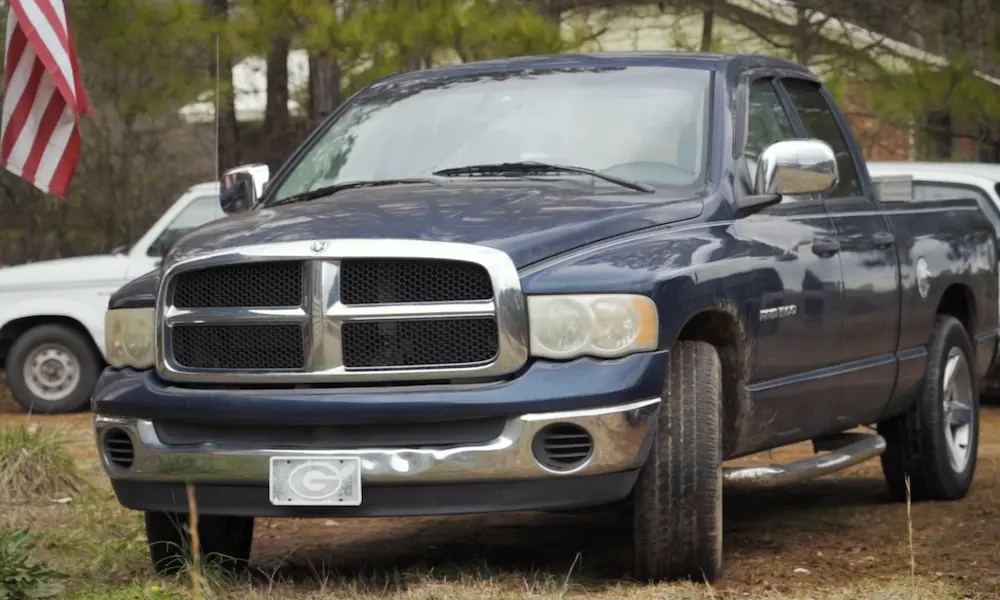
This is the most common reason for a dodge p0420 in Ram 1500s. When exhaust manifold bolts break, they create a gap. Between exhaust pulses, vacuum sucks fresh air into the system.
The downstream oxygen sensor sees that air and thinks the cat isn’t doing anything. Code set. But the cat’s fine—you’ve just got a leak.
How to spot it: Listen for a rhythmic ticking on cold starts (the “HEMI tick”). Look for broken bolt heads on the manifold. Check for black soot trails on the cylinder head.
Technical Service Bulletin 09-019-23 from Stellantis specifically addresses this issue in 2019-2022 Ram 1500 models.
Dead Catalytic Converter
Sometimes the cat is actually toast. Here’s what kills it:
Misfires turn it into a furnace. Raw fuel ignites inside the converter, spiking temps above 2000°F. The ceramic honeycomb melts into slag.
Oil consumption poisons it. Zinc and phosphorus from burning oil create a chemical glaze over the precious metals. The exhaust gas can’t reach the catalyst anymore.
Coolant leaks contaminate it. A blown head gasket introduces silicone into the exhaust, coating the sensors and catalyst.
It just wore out. Cats last 100k-150k miles under normal conditions. Eventually, the precious metals lose effectiveness.
Broken Flex Pipes (Grand Caravan Special)
The Dodge Grand Caravan’s flex pipe sits under the vehicle where salt and moisture destroy it. When it cracks, air gets sucked in—same false positive as the manifold leak.
You’ll see soot around the braided mesh or hear a hissing sound under load.
Faulty Oxygen Sensors
Before age 100k miles, it’s rare for O2 sensors to cause P0420 by themselves. But a lazy downstream sensor can confuse the PCM into thinking the cat’s dead.
The sensor might still switch between rich and lean, but too slowly to accurately monitor catalyst performance.
How to Diagnose Dodge P0420 (The Right Way)
Don’t replace anything yet. Here’s the diagnostic sequence that’ll save you money:
Check for Other Codes First
Pull all codes, not just P0420. If you’ve got P0300 (misfire), P0171 (lean), or P0172 (rich), fix those first. The dodge p0420 is probably a symptom, not the disease.
Listen and Look
Start the engine cold. Hear ticking? That’s likely broken manifold bolts.
Get under the truck and inspect:
- Manifold bolts (look for missing heads or gaps)
- Flex pipes (check for rust, cracks, soot)
- Catalytic converter housing (tap it with a mallet—rattling means it’s collapsed inside)
Run Live Data
Fire up a scan tool and watch the oxygen sensors while the engine’s at operating temp and cruising at 2500 RPM.
Healthy system: Front sensor dances between 0.1V and 0.9V. Rear sensor stays flat around 0.45V-0.6V.
Failed cat: Rear sensor copies the front sensor, oscillating at the same frequency.
Temperature Test
Use an infrared thermometer. Measure the exhaust pipe right before the cat and right after it.
A working cat generates heat through chemical reactions. The outlet should be 50°F-100°F hotter than the inlet. Same temp or cooler? The cat’s dead.
Check Mode $06 Data
This advanced scan tool mode shows you the actual test values the PCM uses. Look for Test ID related to catalyst monitoring. If the test value is near or over the limit, the cat’s genuinely failing.
Platform-Specific Problems You Need to Know
Ram 1500 (5.7L HEMI): Broken Manifold Bolts
The aluminum head expands, the iron manifold doesn’t. Bolts shear off. Usually cylinders 7 and 8 at the back where heat builds up.
The fix: Extract broken studs (often requires welding a nut to them), replace manifolds and gaskets. Updated bolt kits use better materials.
Cost: $450-$900 for the manifold repair vs $1,900-$2,600 for a cat you don’t need.
Dodge Dart (2.4L Tigershark): Oil Consumption Nightmare
These engines burn massive amounts of oil—over a quart every 1,000 miles in severe cases. The zinc and phosphorus in the oil poison the catalyst.
Warranty Extension XB1 covers engine replacement if your oil consumption test shows excessive use.
Critical: Don’t replace the cat until you fix the oil consumption. The new cat will die within 10k-20k miles.
Dodge Grand Caravan (3.6L Pentastar): Flex Pipe and Labor Nightmares
The flex pipe corrodes and splits. The rear bank catalytic converter is brutally hard to access—it’s against the firewall in a transverse V6 setup.
Book time says 2.9-4 hours. Reality: 6-8 hours once you deal with rust and clearance issues.
Cost: $2,800-$5,300 for rear cat replacement because of insane labor costs.
Charger/Challenger: Software False Alarms
TSB 18-102-16 addresses PCM calibration issues that trigger dodge p0420 codes on perfectly functional catalysts.
The fix: A software flash that adjusts monitoring thresholds. Costs $150-$200 vs thousands for unnecessary parts.
What It Actually Costs to Fix
Here’s the reality check on repair costs:
| Repair | Vehicle | Parts Cost | Labor Hours | Total Cost |
|---|---|---|---|---|
| Catalytic Converter (OEM) | Ram 1500 | $1,900-$2,600 | 1.0-2.0 | $2,100-$2,900 |
| Catalytic Converter (Aftermarket CARB) | Ram 1500 | $800-$1,500 | 1.0-2.0 | $1,100-$1,800 |
| Exhaust Manifold Repair | Ram 1500 | $350-$550 | 3.0-6.0 | $800-$1,400 |
| Rear Catalytic Converter | Grand Caravan | $2,300-$4,600 | 3.0-5.0 | $2,800-$5,300 |
| PCM Flash | All Models | N/A | 0.5-1.0 | $150-$200 |
Labor rates assume $150/hour. Your area might differ.
OEM vs Aftermarket Catalytic Converters
If you actually need a new cat, you’ve got choices:
OEM (Mopar): Loaded with precious metals. Lasts 10+ years. Expensive ($1,500-$3,500+).
Aftermarket Federal (EPA): Bare minimum metals to pass emissions. Cheap ($200-$600). Will probably trigger P0420 again within months because Dodge PCMs are picky.
Aftermarket CARB: Higher precious metal loading than Federal. Meets California standards. Costs $800-$1,500. Actually works with Dodge’s sensitive monitoring.
The smart play: Even if you don’t live in California, buy a CARB-compliant cat. The extra metals prevent false codes and last longer.
The Cataclean Question (Does It Work?)
Chemical cleaners like Cataclean contain solvents that dissolve carbon deposits. They cost about $25.
They work if: The P0420 is from light carbon fouling or gunked-up oxygen sensors.
They don’t work if: The cat’s melted, poisoned with oil byproducts, or physically damaged.
It’s worth trying before you spend hundreds—but don’t expect miracles on a cat with 150k miles.
The O2 Sensor Spacer Trick (And Why You Shouldn’t)
You’ll find videos showing spark plug non-foulers threaded onto the downstream O2 sensor. It pulls the sensor out of the exhaust stream, tricking the PCM into seeing a “healthy” signal.
Does it work? Yeah, it clears the code.
Is it legal? Absolutely not. It’s tampering with emissions equipment, a federal violation. Your state inspection will catch it if they do a visual check.
How to Complete the Drive Cycle After Repairs
After fixing the problem and clearing codes, your Dodge needs to run through specific conditions before the catalyst monitor sets to “Ready.”
The Chrysler/Dodge drive cycle:
- Prep: Fuel tank between 15%-85%. No pending codes.
- Cold start: Start engine, idle 5 minutes.
- Highway cruise: Drive steady 40-60 MPH for 8-10 minutes.
- Stop: Idle for 3 minutes.
- City driving: Stop-and-go for 5 minutes.
- Shutdown: Turn off engine, let it sit.
The PCM won’t run the catalyst test if the low fuel light’s on. Keep the tank above quarter-full during this process.
Critical Technical Service Bulletins
These are NHTSA-documented fixes from Stellantis for specific P0420 issues:
TSB 09-019-23: Ram 1500 (2019-2022) cold engine tick and manifold bolt failure. Replace manifolds and bolts.
TSB 09-003-23: Dodge Dart/Cherokee 2.4L excessive oil consumption. Oil consumption test, possible engine replacement under warranty.
TSB 18-102-16: Charger/Challenger/Avenger (2012-2014) PCM software causing false P0420. Flash update available.
TSB 18-017-16: Ram 1500 EcoDiesel (2014) P0420 from sensor issues. PCM flash and O2 sensor replacement.
Check if your VIN is covered before you pay for parts.
When the Catalytic Converter Is Actually Dead
If you’ve ruled out leaks, sensors, and software, and the cat really is cooked, you need to replace it. But understand what killed it so it doesn’t happen again.
Misfires: Fix the ignition system completely. One bad coil will torch a $2,000 cat in weeks.
Oil consumption: Address the engine problem first. New cat + oil-burning engine = same failure in 20k miles.
Coolant contamination: Fix the head gasket. Don’t just treat the symptom.
The Bottom Line on Dodge P0420
Don’t throw parts at this code. Dodge vehicles have specific failure patterns that mimic catalyst problems but aren’t.
Start cheap: Check for exhaust leaks, verify there are no other codes, consider a PCM flash if applicable.
Test thoroughly: Use live data and temperature differentials to confirm the cat’s actually dead.
Buy smart: If you need a cat, get CARB-compliant aftermarket instead of cheap Federal units that’ll fail Dodge’s strict monitoring.
Fix the root cause: A new cat won’t last if you’ve got misfires, oil consumption, or coolant leaks feeding it poison.
The dodge p0420 code is frustrating, but it’s diagnostic. Figure out what’s really broken, and you’ll save yourself from a $2,000 mistake.