If you’re a Ford owner wondering about what’s going into your engine, you’ve landed in the right spot. Here’s the deal: Motorcraft oil isn’t actually made by Ford. We’ll break down who’s really manufacturing this stuff, whether it’s worth your money, and how it stacks up against the competition.
The Real Manufacturer Behind Motorcraft Oil
Ford doesn’t make Motorcraft oil—they contract it out to major petroleum companies. In the United States, ConocoPhillips handles production, while Petro-Canada manufactures it for the Canadian market.
Here’s how it works: Ford owns the Motorcraft brand (they launched it back in 1972), but they don’t actually refine the oil themselves. Instead, they provide detailed specifications to these petroleum giants, who then produce the oil to Ford’s exact standards.
This isn’t some sketchy arrangement. ConocoPhillips is one of the world’s largest independent oil and gas companies. They’ve got the facilities, expertise, and quality control systems to produce consistent, high-grade lubricants. Petro-Canada brings similar credentials to the table for northern markets.
The setup makes sense when you think about it. Ford’s good at building trucks and cars, not operating oil refineries. By partnering with established petroleum companies, they get professional-grade products without the overhead of running their own production facilities.
What’s Actually in the Bottle
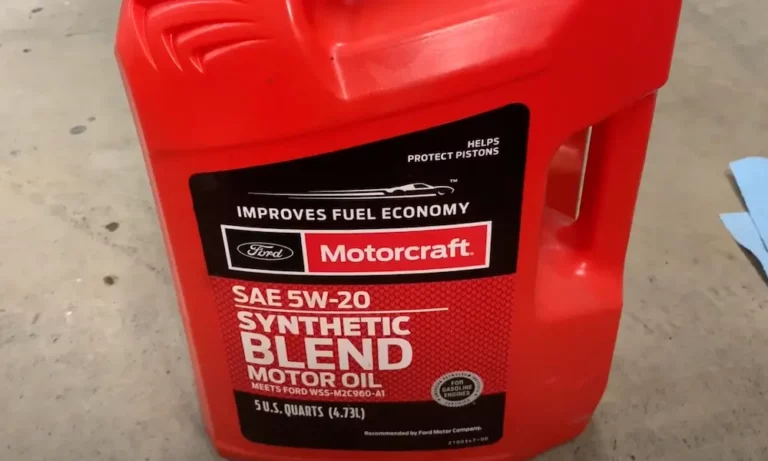
Motorcraft offers several formulations, but you’ll mostly encounter two types at your local dealer: synthetic blend and full synthetic.
The synthetic blend is what most Ford dealerships use for standard oil changes. It’s a middle-ground product that mixes conventional oil with synthetic base stocks. You’ll find it in various weights, from 0W-20 for newer engines to 15W-40 for diesel applications.
The full synthetic version represents Motorcraft’s premium offering. It uses high-viscosity index synthetic base oils that handle temperature extremes better than the blend. This formulation includes friction-reducing technology and additives designed to minimize deposits, protect against oxidation, and prevent sludge buildup.
Independent testing by the Petroleum Quality Institute of America confirms that Motorcraft oils meet all SAE J300 specifications. The lab work revealed particularly high levels of calcium and magnesium-based detergents—the stuff that keeps your engine clean and neutralizes acids from combustion.
How Motorcraft Performs in Real Testing
Let’s cut through the marketing fluff and look at actual test results.
Laboratory Wear Protection
A mechanical engineer who specializes in oil analysis, tested Motorcraft 5W-20 synthetic blend using film strength methodology. The oil scored 72,144 PSI, placing it in the “modest wear protection” category (60,000-75,000 PSI range).
That’s not exceptional, but it’s adequate for normal driving. Premium full synthetics like Quaker State can hit 108,500+ PSI, so there’s definitely a performance gap. But here’s the thing: most engines don’t need that extra protection unless you’re running track days or towing heavy loads in extreme heat.
Project Farm’s comprehensive testing told a different story. Motorcraft synthetic oil ranked as the top choice among OEM motor oils, with an average finish of 2.2 across all test categories. The testing covered lubricity, evaporative loss, and cold flow characteristics. Independent lab analysis showed Motorcraft had the highest levels of detergents and anti-wear materials among tested brands.
Real-World Durability
Numbers on paper matter, but what about actual engines?
User reports consistently show engines reaching 180,000-200,000+ miles with regular Motorcraft oil changes and no significant issues. One detailed comparison between Motorcraft synthetic blend and Pennzoil Ultra Platinum found both oils performed similarly in visual appearance and engine cleanliness after 5,000-mile intervals.
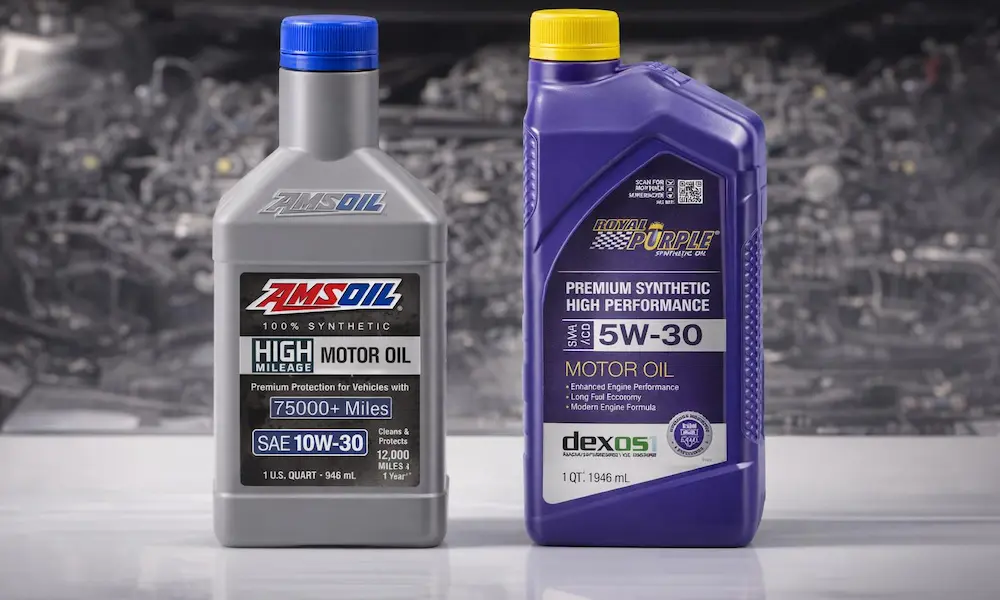
Even more interesting: Blackstone Laboratory analysis comparing Motorcraft 5W-30 synthetic blend against premium Amsoil revealed surprising results. Motorcraft’s additive package depleted more slowly than the pricier Amsoil. Fuel economy also remained consistent or slightly better with Motorcraft.
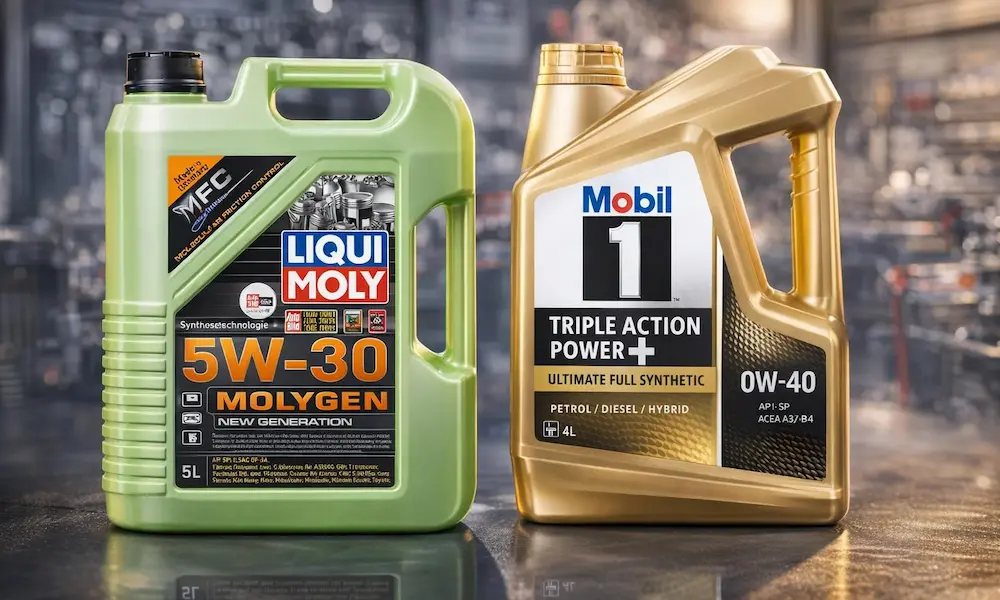
Motorcraft vs. Premium Brands: What You’re Really Getting
The synthetic blend gives you about 70% of full synthetic benefits at a lower price point. That’s the trade-off you’re making.
In cold flow testing, Motorcraft oils finish in the middle tier. They flow faster than conventional oils but slower than premium 0W-weight synthetics. If you live in Minnesota and start your truck at -20°F regularly, you might want something better. For most climates, it’s fine.
Heat resistance shows a similar pattern. In standardized Noack volatility tests (exposing oils to 400°F for two hours), Motorcraft experiences higher evaporative losses compared to top-shelf full synthetics. But it still beats conventional oils handily.
Here’s a quick breakdown of how Motorcraft stacks up:
| Performance Category | Motorcraft Synthetic Blend | Premium Full Synthetic | Conventional Oil |
|---|---|---|---|
| Wear Protection (PSI) | 72,144 | 100,000+ | 50,000-60,000 |
| Cold Flow Performance | Middle tier | Excellent | Poor |
| Heat Resistance | Good | Excellent | Adequate |
| Additive Longevity | Very good | Varies | Limited |
| Cost per Quart | $$ | $$$-$$$$ | $ |
Who Should Use Motorcraft Oil
Ford owners following standard maintenance schedules get the best value from Motorcraft oils. You’re meeting manufacturer specifications, you’ve got warranty coverage, and you’re not overpaying for performance you don’t need.
Standard Daily Drivers
If you’re commuting to work, running errands, and doing normal family hauling, Motorcraft synthetic blend works perfectly. The two-year unlimited mileage warranty backs this up—Ford wouldn’t offer that if they weren’t confident in the product.
Turbocharged Engines Need Special Attention
Here’s where you should consider upgrading. For EcoBoost engines and other turbocharged applications, go with Motorcraft full synthetic instead of the blend. Turbos create extreme operating temperatures that synthetic blends don’t handle as well.
Turbocharger oil passages are tiny. The oil gets absolutely cooked passing through these hot sections. Full synthetic’s superior thermal stability prevents breakdown and keeps those critical components protected.
High-Mileage Champions
Motorcraft synthetic blend has proven itself in high-mileage applications. Multiple reports document engines exceeding 200,000 miles without significant wear or oil consumption issues. The stable additive package maintains protection over extended drain intervals.
The Cost Question Everyone Asks
Motorcraft typically costs less than premium synthetics while providing OEM-specified protection. Exact pricing varies, but you’re generally looking at $6-8 per quart for synthetic blend and $8-10 for full synthetic.
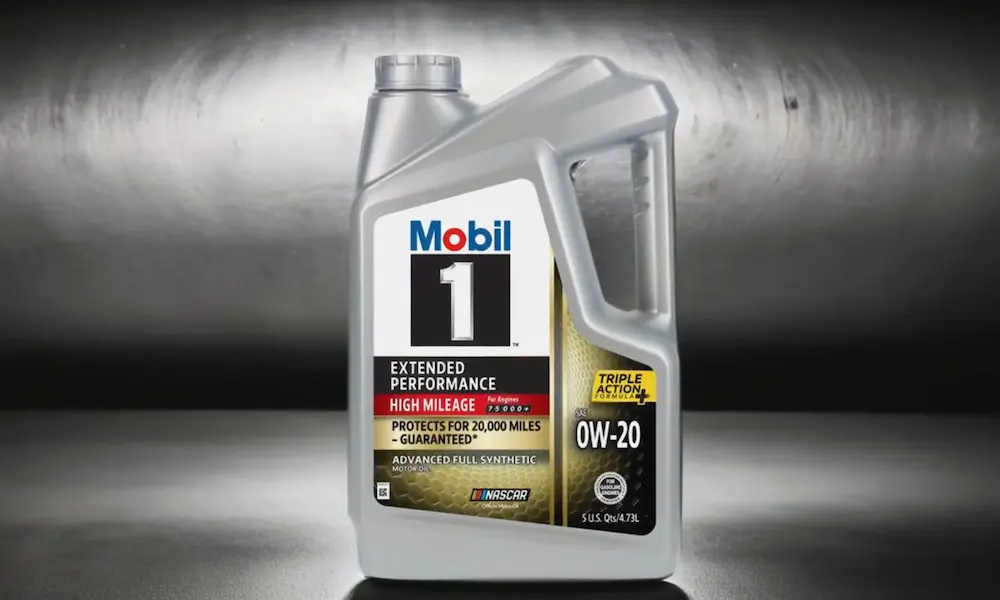
Compare that to Mobil 1 or Amsoil at $10-13 per quart, and the value proposition becomes clear. You’re saving $20-30 per oil change, which adds up over years of ownership.
Bulk purchasing through Ford dealerships or online retailers like Rock Auto can drop costs even further. If you’re changing your own oil and buying by the case, you’re looking at significant savings.
The warranty coverage adds value too. If something goes wrong and you’ve been using Motorcraft at recommended intervals, you’ve got documentation that you followed Ford’s specifications exactly.
What Motorcraft Doesn’t Do Well
Let’s be honest about limitations.
This isn’t racing oil. The modest wear protection scores in independent testing mean high-stress applications might benefit from oils with superior film strength. If you’re running your Mustang at track days or towing a massive trailer through Death Valley in August, consider upgrading to a premium synthetic.
Availability can be annoying. Unlike mainstream brands that sit on shelves at every gas station and Walmart, Motorcraft is primarily sold through Ford dealerships and select auto parts stores. This distribution model sometimes means higher prices or special trips just to buy oil.
Some people report mixed cold-start performance in extreme winter conditions. If you’re in seriously cold climates (we’re talking Canada and northern tier states), a 0W-20 full synthetic might provide better protection during those brutal winter starts.
Practical Buying Tips
Don’t pay dealer markup if you can avoid it. Check prices at:
- RockAuto.com (often the cheapest with bulk discounts)
- Local auto parts stores during sales
- Wholesale clubs if you’ve got a membership
- Amazon (watch for price fluctuations)
Buy in bulk when you find good deals. Oil doesn’t go bad sitting on a shelf, and you’ll use it eventually. Stock up during Black Friday or when dealers run parts specials.
Match your oil to your driving conditions, not marketing hype. The synthetic blend handles normal driving perfectly. Save your money unless you’ve got specific needs like:
- Turbocharged engines
- Extreme temperature operation
- Heavy towing
- Extended drain intervals beyond Ford’s recommendations
Keep your receipts and documentation. That warranty coverage only works if you can prove you’ve been maintaining your vehicle properly.
The Bottom Line on Motorcraft Oil
ConocoPhillips and Petro-Canada manufacture Motorcraft oil to Ford’s specifications, producing a solid mid-tier lubricant that balances performance with cost. It’s not the absolute best oil money can buy, but it’s far from the worst.
For most Ford owners, Motorcraft represents the sweet spot. You’re getting OEM-approved protection, maintaining warranty coverage, and avoiding the premium prices of boutique synthetic brands. The real-world durability results speak for themselves—plenty of engines hitting 200,000+ miles prove the oil does its job.
Is it worth paying extra for premium synthetics? Sometimes. Turbocharged engines, extreme climates, and high-performance applications justify the upgrade. But for your average F-150 running errands and commuting? Motorcraft handles it just fine.
The key isn’t finding the “best” oil—it’s finding the right oil for your specific needs and budget. Motorcraft gives Ford owners exactly that: reliable protection at a reasonable price, manufactured by major petroleum companies with serious credentials.