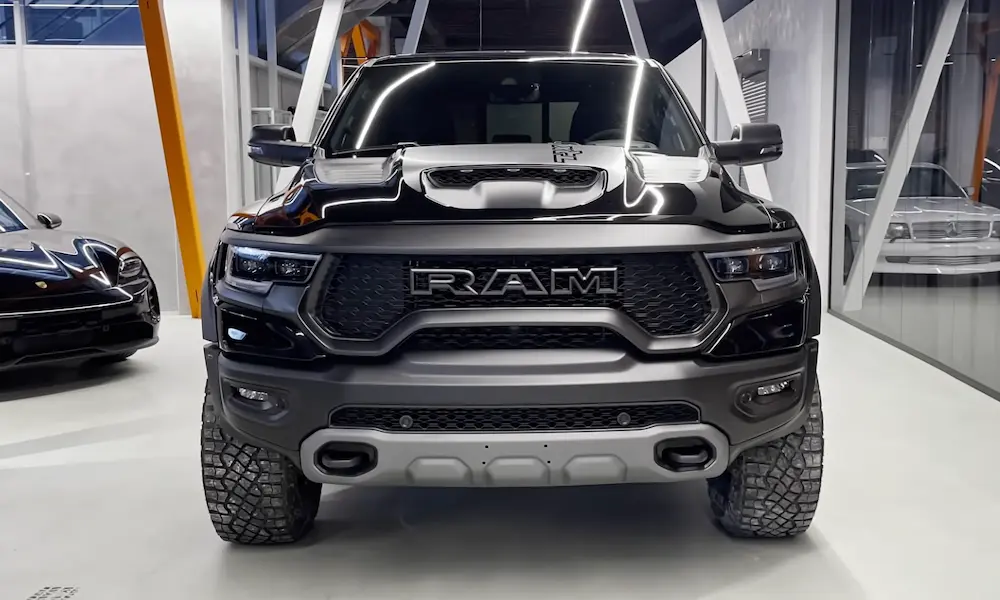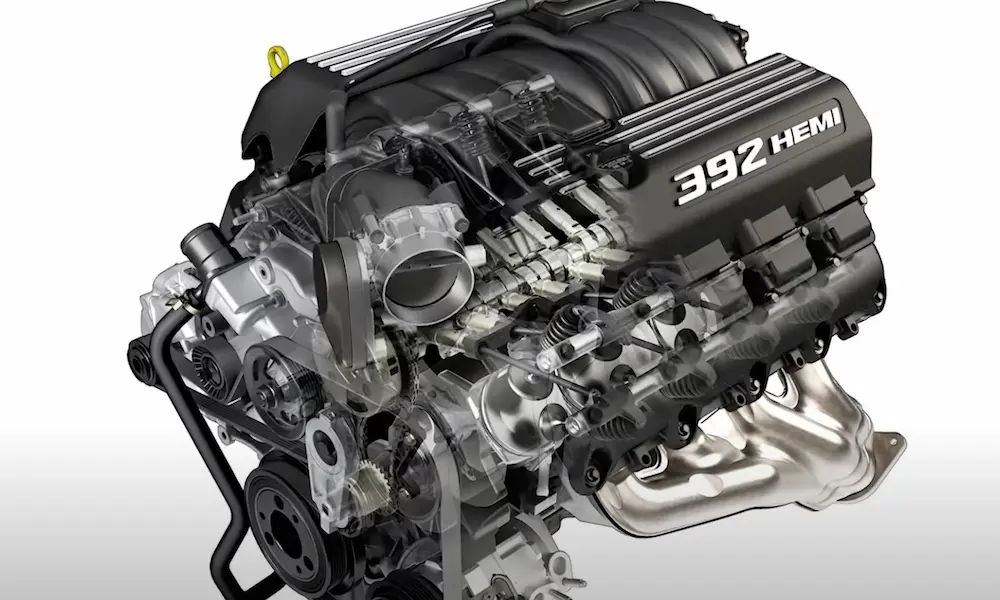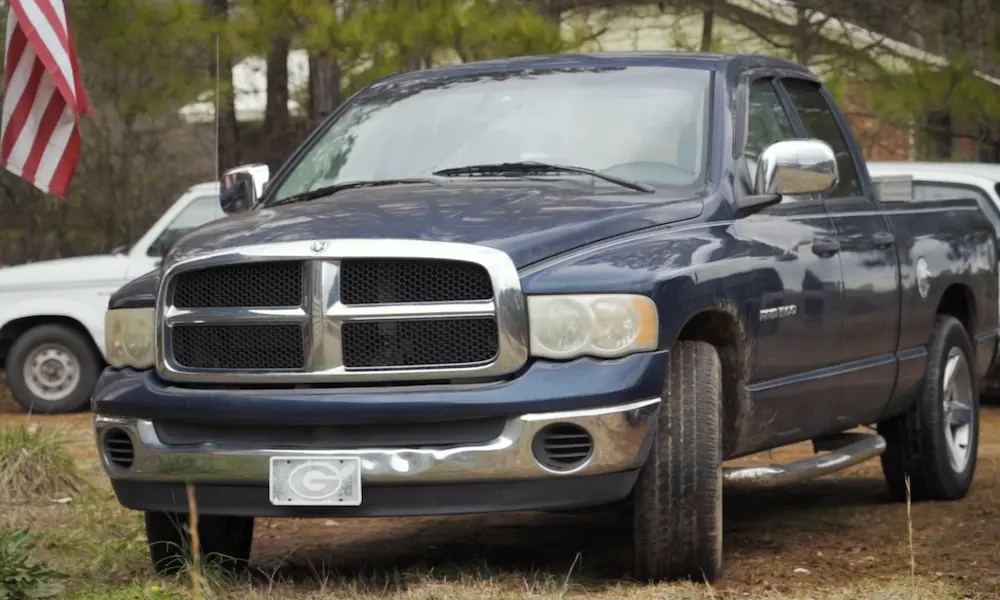
Noticing a strange puddle under your RAM 1500 or catching that distinctive sweet smell when you start your engine? You might be dealing with a coolant leak – one of the most common issues that plague these trucks. Whether you’re seeing active drips or just having to top off your coolant more often than usual, addressing this problem quickly can save you from expensive engine damage down the road.
What Causes RAM 1500 Coolant Leaks?
When coolant starts escaping from your RAM 1500’s cooling system, several components are typically to blame. Let’s look at the usual suspects:
Water Pump Failure
The water pump is often the first place to check when you notice coolant escaping. These pumps work constantly while your engine runs, circulating coolant through the entire system.
Signs your water pump is the culprit include:
- Coolant dripping from the front-center of the engine
- Visible coolant trails leading from behind the pulley
- A squealing noise from the front of the engine
- Dried coolant residue (crusty white or colored deposits) around the pump area
Water pumps typically fail because their bearings wear out or the shaft seal deteriorates over time. Water pump replacement costs between $400-$800 including labor, depending on your specific RAM 1500 model and year.
Radiator Problems
Your radiator works hard to cool your engine, and over time, it can develop cracks or leaks. RAM 1500 radiators are particularly vulnerable at:
- Plastic end tanks (which can crack from heat cycles)
- Connection points where hoses attach
- The radiator core itself (especially after minor front-end impacts)
- The drain valve at the bottom
Radiator replacement for a RAM 1500 typically costs between $540-$1,122 according to RepairPal. The good news is that radiator leaks often start small, giving you some time to address them before they become emergencies.
Thermostat Housing Issues
The thermostat housing is another common leak point, particularly in newer RAM 1500 models. These housings are often made of plastic that can crack or warp over time.
Signs of thermostat housing leaks include:
- Coolant pooling around the housing
- Engine overheating when stopped but cooling when moving
- Fluctuating temperature gauge readings
Replacing a thermostat housing costs between $200-$400 for parts and labor. According to CarParts.com, these plastic housings are notorious for developing cracks after multiple heating and cooling cycles.
Head Gasket Failure
While less common than the issues above, head gasket failure in RAM 1500 trucks can be devastating. The head gasket seals the engine block to the cylinder heads, and when it fails, coolant can leak into the combustion chambers or mix with your oil.
Warning signs include:
- White smoke from the exhaust
- Bubbling in the coolant reservoir when the engine is running
- Milky, discolored oil (looks like a chocolate milkshake)
- Unexplained loss of coolant with no visible external leaks
Head gasket repairs typically cost between $1,500-$3,500 and should be handled by a professional mechanic. Some RAM 1500 owners have reported head gasket issues as early as 50,000-60,000 miles.
The Overlooked Culprit: Coolant Reservoir Cap
Sometimes the simplest things cause the biggest headaches. A faulty coolant reservoir cap might be allowing pressure to escape, causing coolant to evaporate or overflow.
Owners in the RAM 1500 Diesel forum have noted that replacing a broken cap costs just $16 but can solve mysterious coolant disappearance issues. Always check this inexpensive part before diving into major repairs.
Heater Core Leaks
If you’re noticing a sweet smell inside your truck’s cabin, especially when the heater is running, your heater core might be leaking. This component sits under your dashboard and can be expensive to access.
Interestingly, RAM 1500 owners have discovered that the problem is often not the heater core itself but a failed O-ring connection that costs about $0.25. However, the labor to access this area can run $1,200-$2,900.
How to Identify a RAM 1500 Coolant Leak
Catching a coolant leak early can save you thousands in repair costs. Here’s what to look for:
Visual Clues
- Colored puddles under your truck: RAM coolant is typically orange, green, or pink. If you see these colors on your driveway, you’ve got a leak.
- Dried coolant residue: Look for crusty white, green, or orange deposits on engine components.
- Dropping coolant levels: If you’re constantly adding coolant to the reservoir, you have a leak somewhere.
Performance Warning Signs
- Engine running hotter than normal: Your temperature gauge creeping into the upper range is an early warning.
- Sweet, syrupy smell: Coolant has a distinctive sweet odor that’s noticeable around the engine or inside the cabin.
- White smoke from the exhaust: This indicates coolant burning in the combustion chamber – a serious issue.
- Engine overheating: If your temperature gauge hits the red zone, pull over immediately to prevent engine damage.
The “Hidden” Symptoms
- Bubbling in the coolant reservoir: When the engine is running, bubbles in the reservoir can indicate combustion gases entering the cooling system through a damaged head gasket.
- Milky oil: If your oil looks like a milkshake when you check the dipstick, coolant is mixing with your oil – a serious problem requiring immediate attention.
- Heater performance issues: Poor heat output can indicate air in the cooling system from a leak.
DIY vs. Professional Repair: What You Can Handle
Some coolant leak repairs are DIY-friendly, while others require professional expertise and specialized tools.
DIY-Friendly Repairs
| Repair Type | Difficulty | Estimated Cost | Tools Needed |
|---|---|---|---|
| Coolant reservoir cap replacement | Very Easy | $16-$25 | None |
| Hose clamp tightening | Easy | $0 | Screwdriver or socket set |
| Radiator hose replacement | Moderate | $20-$50 | Basic hand tools |
| Thermostat replacement | Moderate | $20-$40 + gasket | Socket set, pliers, coolant |
Professional Repairs
| Repair Type | Complexity | Cost Range | Why Professional Help Is Needed |
|---|---|---|---|
| Water pump replacement | High | $400-$800 | Requires timing belt/chain removal on some models |
| Radiator replacement | Moderate | $540-$1,122 | Proper drainage and refill procedures needed |
| Heater core replacement | Very High | $1,200-$2,900 | Dashboard removal required |
| Head gasket repair | Very High | $1,500-$3,500+ | Engine disassembly required |
Preventive Maintenance to Avoid Coolant Leaks
An ounce of prevention is worth a gallon of coolant! Follow these tips to minimize your risk of leaks:
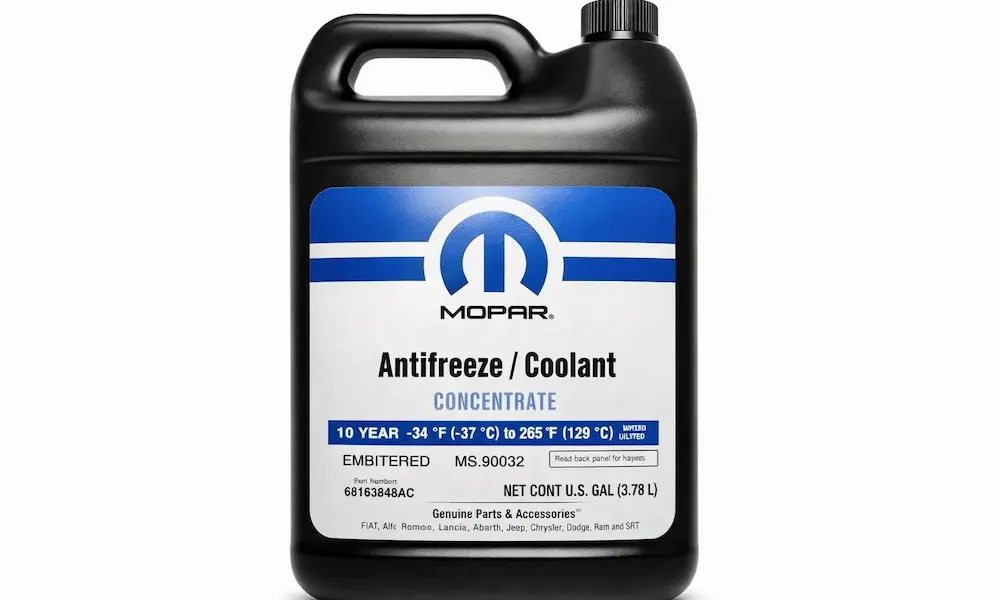
- Use the correct coolant type specified by RAM for your truck model. Mixing coolant types can cause chemical reactions that damage seals.
- Maintain proper coolant-to-water ratios (typically 50/50 for most applications).
- Use distilled water, not tap water, when mixing coolant to prevent mineral buildup.
- Replace coolant according to your owner’s manual (usually every 5 years or 100,000 miles).
- Inspect hoses regularly for cracks, swelling, or softness, especially near the clamps.
- Check for leaks after maintenance like timing belt service or water pump replacement.
- Don’t ignore the temperature gauge – address rising temperatures immediately.
- Consider a cooling system pressure test every couple of years to catch small leaks before they become major issues.
Diagnosing Your RAM 1500 Coolant Leak
If you suspect a coolant leak but can’t pinpoint the source, try these diagnostic approaches:
The Clean Engine Test
- Thoroughly clean your engine bay with degreaser (when cool)
- Dry everything completely
- Place clean cardboard under your truck overnight
- Start the engine and let it reach operating temperature
- Look for fresh coolant trails on the engine or spots on the cardboard
The UV Dye Method
Many auto parts stores sell UV dye kits specifically for cooling systems. Add the dye to your coolant, run the engine, then use the UV light to see exactly where coolant is escaping. This works well for pinpointing tiny leaks that might not be visible otherwise.
Pressure Testing
A cooling system pressure test is the most reliable way to find leaks. This professional test pressurizes your cooling system without running the engine, making it easy to spot leaks. According to discussions on Reddit, pressure testing often reveals leaks that aren’t visible during normal operation.
Emergency Measures for RAM 1500 Coolant Leaks
If you discover a coolant leak while far from home, these temporary measures might help you get to a repair shop:
- For small external leaks: Commercial coolant stop-leak products can temporarily seal minor leaks (use with caution as they can clog radiators)
- For a leaking radiator: If the leak is small, adding a commercial radiator sealer might get you home
- For a burst hose: Duct tape wrapped tightly around the leak point, followed by self-fusing silicone tape, can create a temporary seal
Remember these are emergency fixes only – proper repairs should be made as soon as possible.
The Cost of Ignoring a Coolant Leak
Procrastinating on coolant leak repairs often leads to much more expensive problems:
- A $16 reservoir cap replacement becomes a $3,000+ engine rebuild if overheating damages your engine
- A $50 radiator hose becomes a $1,500 head gasket job if ignored long enough
- A $400 water pump replacement becomes thousands in repairs if your engine seizes from overheating
Coolant leaks rank among the most common yet potentially destructive issues for RAM 1500 trucks. The cooling system is what keeps your engine from destroying itself, so treating any leak as urgent is always the smart move.
Finding the Right Parts for Your RAM 1500 Coolant System
When replacing cooling system components, quality matters. Here’s what to consider:
- OEM (Original Equipment Manufacturer) parts typically offer the best fit and reliability
- High-quality aftermarket brands like Gates, Dayco, and ACDelco provide good alternatives
- For radiators, all-aluminum models often outperform plastic/aluminum hybrids for longevity
- For water pumps, look for units with metal (not plastic) impellers for durability
RAM 1500 trucks from different years may have different cooling system designs, so always verify part compatibility with your specific model year and engine.
Remember, your RAM 1500’s cooling system is the lifeline that keeps your engine healthy. Addressing coolant leaks promptly not only saves money but can extend the life of your truck significantly. With proper maintenance and timely repairs, many RAM 1500s continue delivering reliable service well beyond 200,000 miles.