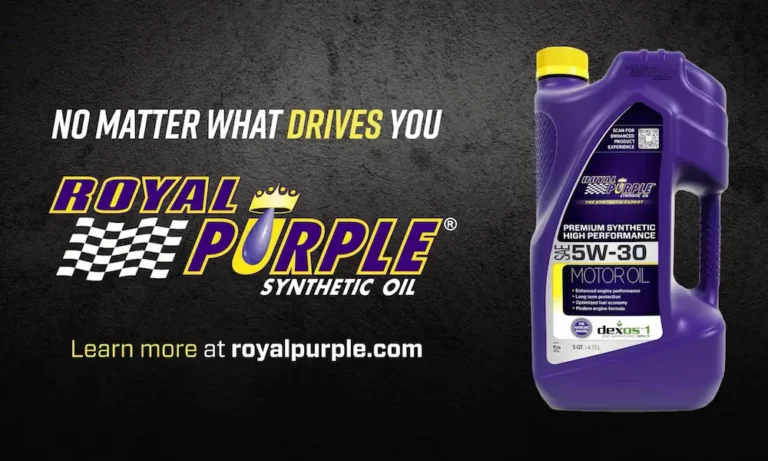
Wondering if Royal Purple oil is worth the premium price tag? You’re about to discover everything you need to know about this popular synthetic motor oil. I’ve analyzed test results, expert opinions, and real-world experiences to help you decide if Royal Purple deserves a spot in your engine.
What Makes Royal Purple Different from Other Oils?
Royal Purple stands out in the crowded oil market thanks to its proprietary Synerlec additive technology. This technology creates ionic bonds with metal surfaces in your engine, providing exceptional film strength that’s 3 to 4 times stronger than comparable lubricants. This significantly reduces metal-to-metal contact, especially under extreme conditions.
Laboratory testing backs up many of Royal Purple’s performance claims with impressive numbers:
- 53% better oxidation resistance than industry standards
- 43% enhanced wear protection beyond ILSAC GF-7 requirements
- 26% improved deposit control compared to conventional standards
- 5x increased protection against Low Speed Pre-Ignition (LSPI)
These aren’t just marketing claims – they’re verified through independent testing and laboratory analysis.
Royal Purple’s Performance in Real Engines
In real-world conditions, Royal Purple often demonstrates excellent cleaning capabilities. Some users report significant improvements in engine cleanliness, with the oil removing deposits and sludge within relatively few miles. One documented case showed an engine valve cover appearing remarkably clean after just 1,700 miles using Royal Purple, compared to years of conventional oil use.
However, not all test results are unequivocally positive. ASTM D-4172 Four-Ball Wear Tests show Royal Purple creating nearly 3 times larger wear scars compared to some premium competitors. Additionally, some Blackstone Labs analyses indicate Royal Purple can occasionally show higher iron wear rates (2.58 ppm per 1,000 miles) compared to certain competitors.
Many users report these noticeable improvements with Royal Purple:
- Smoother engine operation
- Reduced cold-start noise
- Better performance in high-mileage vehicles
- Improved engine cleanliness
When Royal Purple Truly Excels
Royal Purple isn’t necessarily the best choice for every vehicle, but it shines in specific applications:
High-Performance and Modified Engines
If you’ve upgraded your vehicle for performance, Royal Purple offers exceptional protection under high-stress conditions. The oil maintains stability at high temperatures and RPMs, making it ideal for modified engines that push beyond factory specifications.
Turbocharged Applications
Modern turbocharged engines face unique challenges, including higher operating temperatures and the risk of Low Speed Pre-Ignition (LSPI). Royal Purple’s 5x increased protection against LSPI makes it particularly valuable for these engines.
High-Mileage Vehicles
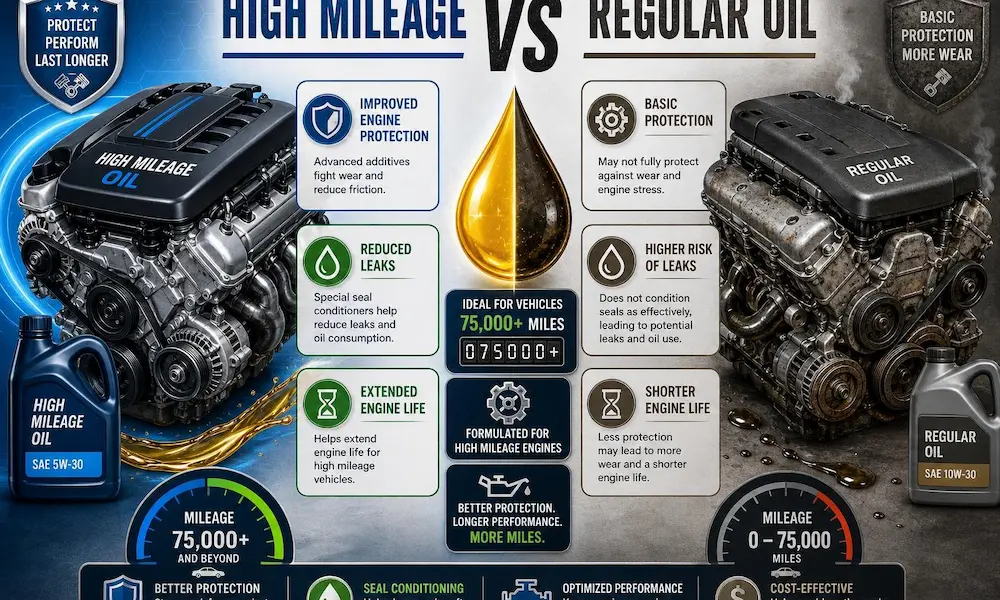
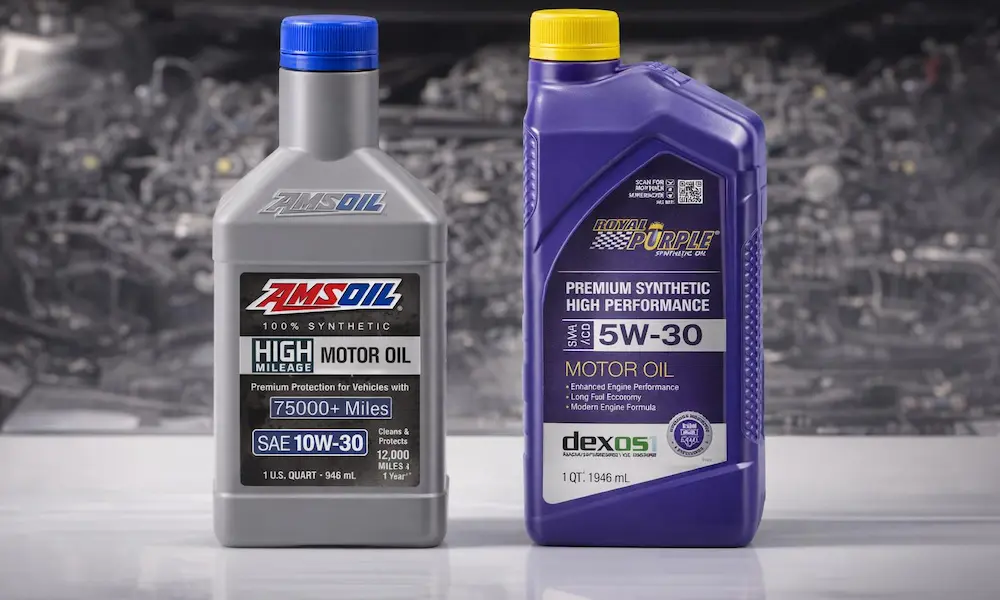
For vehicles with 75,000+ miles, Royal Purple offers an HMX formulation specifically designed for older engines. This special blend provides enhanced seal conditioning and wear protection while helping to remove accumulated deposits that build up over time.
Cost vs. Benefit Analysis: Is Royal Purple Worth It?
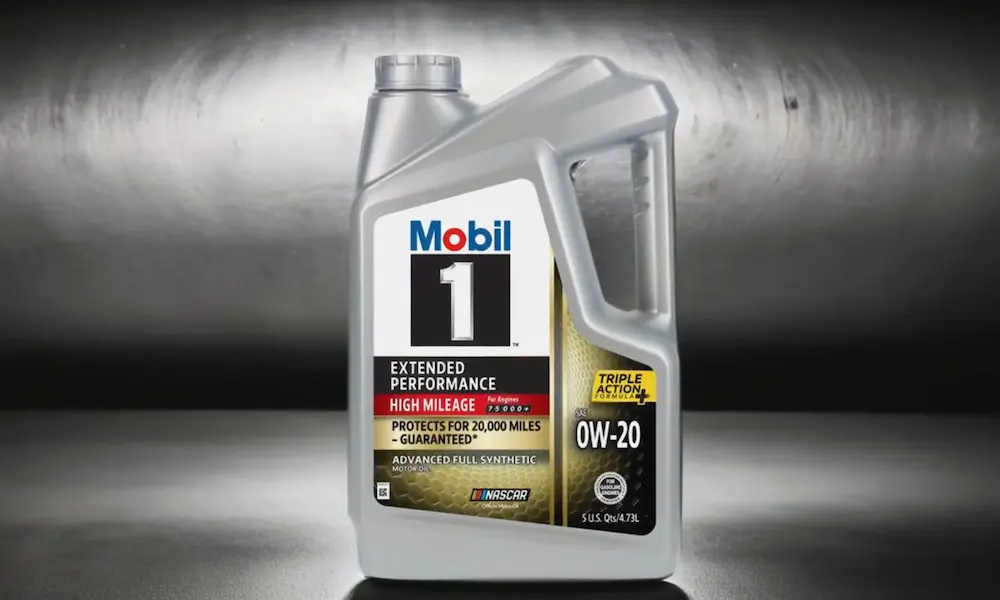
Here’s where the rubber meets the road: Royal Purple typically costs 50-100% more than mainstream synthetic oils like Mobil 1. At $7-10 per quart versus $4-6 for other quality synthetics, you’re looking at a significant price premium.
Let’s break down when this premium might be justified:
| Driving Condition | Is Royal Purple Worth It? | Why? |
|---|---|---|
| Normal daily driving | Probably not | Standard synthetics provide adequate protection at lower cost |
| High-performance/track use | Yes | Superior film strength and extreme temperature protection justify cost |
| Turbocharged engines | Often yes | Enhanced LSPI protection and deposit control benefit these engines |
| High-mileage vehicles | Possibly | The HMX formulation provides specific benefits for older engines |
| Severe conditions (towing, extreme temps) | Yes | Extra protection margins matter in these demanding conditions |
One factor that partially offsets the higher cost is Royal Purple’s extended drain interval capability. The manufacturer suggests up to 12,000-mile change intervals under normal driving conditions, compared to 7,500 miles for typical synthetics. However, this advantage diminishes when compared to other premium oils offering similar extended intervals.
Potential Drawbacks to Consider
Royal Purple isn’t without its controversies. Several potential issues have been reported:
Oil Consumption
Some users report increased oil consumption with Royal Purple, particularly in older or high-mileage engines. There are documented cases of engines consuming more than 2 quarts within 1,500 miles, though these appear to be relatively isolated incidents.
Possible Seal Issues
Royal Purple may occasionally cause seal swelling or leakage in certain applications, particularly when switching from conventional oils. The oil’s aggressive cleaning properties can sometimes mobilize deposits that subsequently clog oil passages or cause temporary increased consumption.
Value Question
For many drivers with modern vehicles under normal conditions, the performance benefits of Royal Purple rarely justify the premium cost. Automotive professionals emphasize that regular oil change intervals matter more than brand selection for engine longevity.
How Royal Purple Compares to Competitors
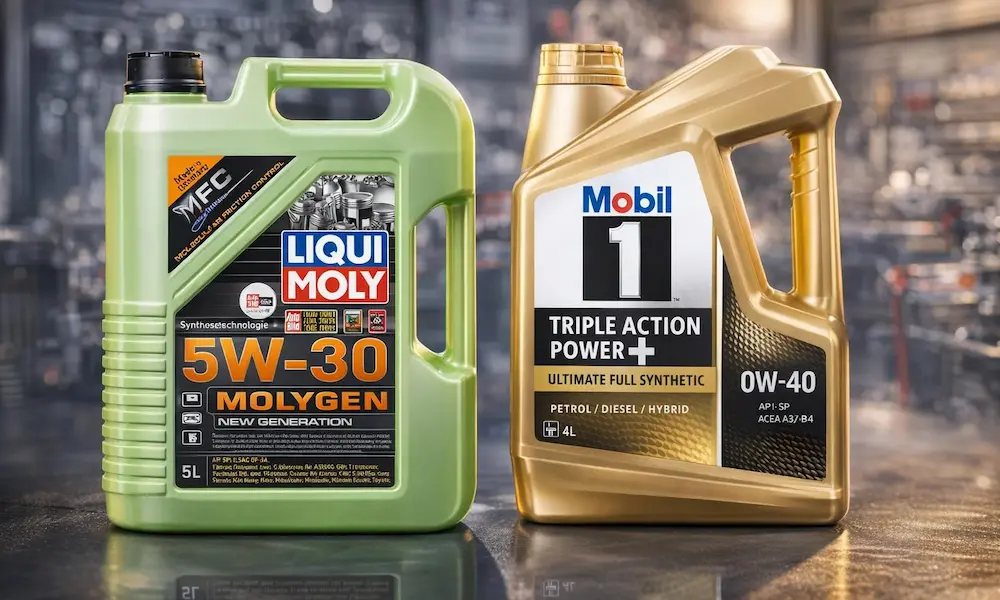
Royal Purple occupies an interesting position in the market. It’s more readily available than specialized brands like AMSOIL or Red Line while generally offering performance that exceeds mainstream options like Mobil 1.
Comparative testing shows mixed results against other premium brands:
| Performance Aspect | How Royal Purple Compares |
|---|---|
| Film strength | Excellent, among the best available |
| Wear protection | Good, but not always superior to all competitors |
| Cleaning ability | Excellent, often removes deposits effectively |
| High-temperature stability | Very good to excellent |
| Value for money | Below average (premium price) |
| Availability | Excellent (widely available at retail) |
For racing and extreme applications, Royal Purple offers an XPR (Extreme Performance Racing) formulation that competes favorably with dedicated racing oils, offering protection suitable for high-stress environments while remaining safe for street use.
What Experts Say About Royal Purple
Independent oil analysts generally acknowledge Royal Purple as a legitimate high-performance lubricant rather than a marketing gimmick. However, they consistently emphasize that the brand’s benefits must be weighed against its cost.
Blackstone Labs data indicates that engines using various oil brands, including Royal Purple, Mobil 1, and even mid-tier synthetics, show similar wear patterns when changed at appropriate intervals. This suggests that regular maintenance matters more than premium oil for most applications.
Making the Right Choice for Your Vehicle
Based on comprehensive analysis, Royal Purple is undeniably a high-quality synthetic oil that delivers excellent performance in many applications. However, whether it’s the right choice for you depends on several factors:
Royal Purple is likely worth it if:
- You own a high-performance or modified vehicle
- Your engine is turbocharged
- You regularly drive in severe conditions (extreme temperatures, towing, etc.)
- You have a high-mileage vehicle that would benefit from enhanced protection
- You’re willing to pay more for potential performance benefits
Standard synthetic oil is probably sufficient if:
- You drive a modern vehicle under normal conditions
- You follow recommended maintenance intervals
- You prioritize value for money
- You haven’t experienced issues with other quality synthetic oils
Remember that even the best oil can’t compensate for neglected maintenance. Changing your oil (whatever brand) at recommended intervals will always be more important than which premium brand you choose.
Royal Purple Product Recommendations
If you’ve decided Royal Purple is right for your vehicle, here are the most popular formulations:
- Royal Purple High Performance Oil: The standard formulation, available in various weights and suitable for most applications
- Royal Purple HMX: Specifically formulated for high-mileage vehicles (75,000+ miles)
- Royal Purple XPR: Designed for racing and extreme performance applications
- Royal Purple API-licensed Motor Oil: Meets or exceeds all manufacturer warranty requirements
Check your owner’s manual for the correct viscosity (weight) recommendation before purchasing.
The Bottom Line on Royal Purple Oil
Royal Purple is genuinely good oil with measurable performance advantages in specific applications. Its exceptional film strength, cleaning capabilities, and protection under extreme conditions make it an excellent choice for demanding situations.
However, for typical daily driving in modern vehicles under normal conditions, Royal Purple’s benefits may not justify its premium cost. Standard API-certified synthetic oils changed at proper intervals will provide adequate protection for most applications.
The decision to use Royal Purple should be based on your specific needs, driving conditions, and budget considerations rather than brand loyalty or marketing claims. While it’s undeniably good oil, whether it’s the right choice depends on your individual circumstances and performance requirements.