When your Ford dashboard lights up like a Christmas tree and your vehicle refuses to start, a U1900 code might be the culprit. This diagnostic trouble code is more than just an annoying alert—it signals a critical communication breakdown in your car’s nervous system. Let’s dive into what causes this common Ford issue, how to diagnose it, and most importantly, how to fix it without breaking the bank.
What Is the Ford U1900 Code?
The U1900 code is Ford’s way of telling you there’s a “CAN Communication Bus Fault – Receive Error.” In simpler terms, your vehicle’s brain (the Powertrain Control Module or PCM) can’t properly talk to other important systems like your instrument cluster, ABS, or trailer brake controller.
Your car isn’t just a collection of separate parts—it’s a network of computers constantly sharing information through a system called the Controller Area Network (CAN bus). When this digital conversation breaks down, your Ford throws the U1900 code.
The CAN bus uses two main circuits—CAN High (Circuit 1908) and CAN Low (Circuit 1909)—that maintain specific voltage differences for proper communication. When working correctly, these circuits should show about 2.5 volts difference when measured at the diagnostic connector.
Why the U1900 Code Appears in Ford Vehicles
Instrument Cluster: The Primary Culprit
In about 90% of cases, the instrument cluster is the main troublemaker. Here’s why:
- Cracked Solder Joints: The most common issue is failed solder connections on the instrument cluster’s circuit board. Every time your car heats up and cools down, these joints expand and contract until tiny cracks form.
- Lead-Free Solder Problems: Newer Fords use more environmentally friendly lead-free solder, which unfortunately tends to be more brittle and prone to cracking.
- Connector Pin Issues: The main connector on the back of your instrument cluster carries critical CAN bus signals. When these connections fail, the U1900 code appears.
Other Common Causes
While the instrument cluster is usually to blame, don’t overlook these potential culprits:
- Damaged Wiring: Physical damage or corrosion in the CAN bus wiring (circuits 1908 and 1909) can trigger communication errors.
- Module Failures: Sometimes other control modules like the Gateway Module or Body Control Module (BCM) are at fault.
- Power Problems: Low battery voltage, blown fuses (especially fuse F30), or poor ground connections can disrupt communication.
Ford Models Most Affected by U1900 Codes
The U1900 code doesn’t play favorites, but these Ford models seem particularly susceptible:
- Ford Focus (2004-2018)
- Ford Mondeo (2007-2014)
- Ford Kuga (2008-2017)
- Ford C-Max (2010-2019)
- Various F-Series trucks
The Ford Focus has earned a notorious reputation for instrument cluster-related U1900 codes, with repair specialists reporting that 90% of Focus U1900 cases involve instrument cluster failures.
How to Recognize U1900 Code Symptoms
The No-Start Nightmare
The most frustrating symptom is when your Ford refuses to start. The vehicle’s security system (immobilizer) may activate due to the communication failure, leaving you stranded.
The Intermittent Issue
Many U1900 cases come and go—your car starts fine on Monday but fails on Tuesday. These intermittent problems often relate to temperature changes or vibration, suggesting loose connections or cracked solder joints.
Warning Light Festival
Multiple warning lights illuminating simultaneously is a telltale sign of U1900 issues. You might see engine warnings, ABS lights, power steering faults, and airbag system warnings all at once.
The “Tap Test” Trick
Here’s a quirky diagnostic feature: if tapping on the top of your dashboard temporarily fixes the problem, you’ve likely got instrument cluster solder joint issues. This mechanical jarring temporarily reconnects the broken circuits.
Diagnosing the U1900 Code in Your Ford
Initial System Checks
Before diving into complex diagnostics:
- Check battery voltage (should be at least 12 volts)
- Inspect fuses, particularly F30 and F31
- Look for obvious wiring damage
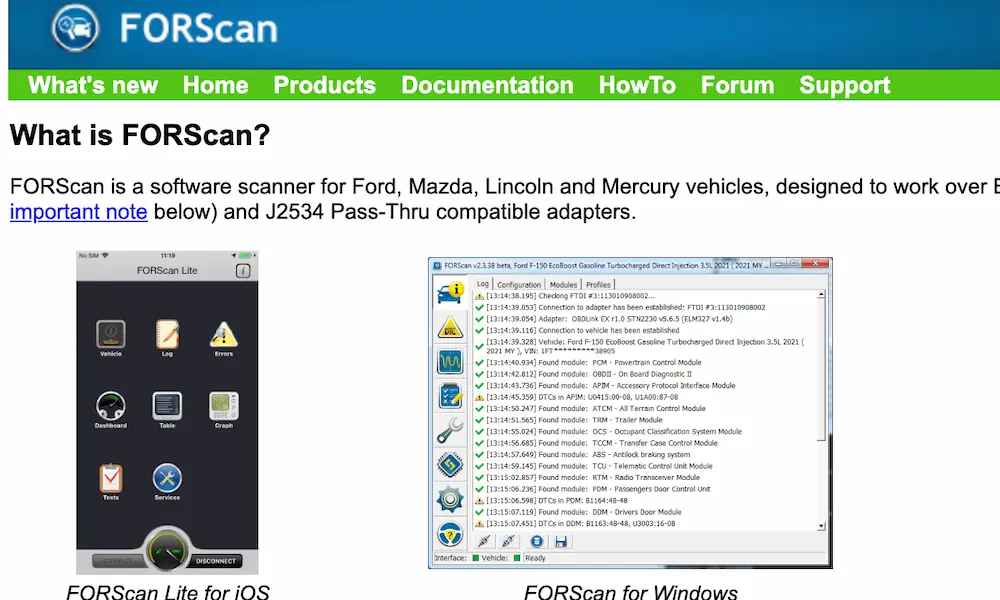
- Perform a global scan to see which modules are affected
Testing CAN Bus Signals
For more thorough diagnostics, you’ll need to test the CAN bus signals using:
- An oscilloscope or specialized CAN bus tester
- A multimeter to check resistance (should be about 60 ohms between CAN High and CAN Low at the diagnostic connector)
The Quick “Tap Test”
For suspected instrument cluster failures, try the tap test:
- With the ignition on, gently tap the top of the dashboard
- If warning lights temporarily go out or the car suddenly starts, you’ve likely identified cracked solder joints in the instrument cluster
How to Fix the Ford U1900 Code
DIY Instrument Cluster Repair
If you’re handy with electronics, repairing the instrument cluster is often the most cost-effective solution:
- Remove the Cluster: Usually requires removing two Torx screws (T20 or T25) after lowering the steering column and removing trim pieces
- Disassemble Carefully: Separate the housing and remove gauge faces to access the circuit board
- Find Bad Joints: Look for cracked or dull solder joints, particularly around connector pins
- Resolder Connections: Use proper flux and solder to rebuild the connections
- Test Before Reassembly: Verify the repair works before putting everything back together
Professional Cluster Rebuilding
For those less comfortable with soldering irons, professional remanufacturing services offer comprehensive repairs:
- Complete resoldering of all connections
- Replacement of stepper motors for gauges
- LED backlighting upgrades
- Full circuit board refurbishment
These services typically cost between $200-$500 and usually come with warranties.
Wiring and Module Repairs
If diagnostics point to other issues:
- Wiring Repairs: Trace circuits 1908 and 1909 to find and repair damaged sections
- Module Replacement: In some cases, replacing the Gateway Module, PCM, or other affected components may be necessary
Cost Comparison Table: U1900 Repair Options
| Repair Method | Average Cost | Pros | Cons |
|---|---|---|---|
| DIY Solder Repair | $50-$100 (materials) | Most affordable, quick turnaround | Requires technical skills, no warranty |
| Professional Cluster Rebuild | $150-$400 | Warranty provided, comprehensive repair | Vehicle downtime, moderate cost |
| Dealer Replacement | $600-$1,200 | OEM parts, full warranty | Most expensive option, often unnecessary |
| Mail-in Repair Service | $200-$350 | Specialized expertise, usually includes warranty | Vehicle downtime (typically 3-7 days) |
Preventing Future U1900 Issues
Maintenance Practices
- Regular Electrical System Checks: Keep your battery in good condition and connections clean
- Address Water Leaks Promptly: Moisture is the enemy of electronics, so fix windshield or HVAC leaks quickly
- Gentle Handling: Avoid excessive dashboard vibration or impacts that could stress solder joints
Advanced Troubleshooting for Persistent U1900 Codes
Complex Network Interactions
The interconnected nature of modern vehicle electronics means that one faulty module can trigger system-wide problems. For example, a bad trailer brake controller can affect communication with your ABS system and instrument cluster.
Programming Requirements
After repairing CAN bus issues, some modules may need reprogramming or initialization. This is particularly important when modules have been replaced or when the vehicle has been without power for extended periods.
Tracking Down Intermittent Faults
For those frustrating cases where the problem comes and goes:
- Temperature cycling tests (using a heat gun or freeze spray)
- Vibration testing
- Long-term monitoring
Specialized Repair Services for Ford U1900 Issues
Many automotive electronics specialists now offer mail-in repair services specifically for Ford instrument clusters, with:
- 24-48 hour turnaround times
- 1-3 year warranties
- Comprehensive testing before return
These services have become increasingly popular due to their cost-effectiveness compared to dealership replacement options.
The Evolution of Ford’s CAN Bus Systems
Newer Ford vehicles have implemented improved solder formulations and enhanced connector designs to address chronic U1900 issues. However, vehicles manufactured during the peak problem years (2004-2015) remain susceptible and require ongoing attention to these systems.
The good news is that aftermarket support for these issues has grown substantially, with many repair shops now specializing specifically in Ford CAN bus and instrument cluster repairs.
Is the U1900 Code Serious?
Absolutely. While not immediately dangerous, the U1900 code indicates a fundamental communication problem that will typically worsen over time. Left unaddressed, it can lead to:
- Complete vehicle immobilization
- Security system activation
- Multiple system failures
- Potential for leaving you stranded
The longer you wait to address a U1900 code, the more likely additional systems will be affected.
Real-World Repair Success Rates
Based on repair statistics and forum reports, properly diagnosed and repaired U1900 issues have excellent long-term outcomes:
- Instrument cluster repairs: 85-95% success rate with proper soldering
- Professional rebuilds: 95%+ success rate with 1-3 year warranties
- Dealer replacements: 98%+ success rate but at premium cost
The key to successful resolution lies in proper diagnosis rather than part-swapping, as misdiagnosed U1900 codes can lead to unnecessary repairs and continued problems.
The Ford U1900 code might seem daunting at first, but with proper diagnosis and repair, your vehicle can be back on the road quickly and reliably. Whether you choose the DIY approach or professional help, understanding the nature of CAN bus communication issues helps you make informed decisions about repairs and maintenance.
Remember that while instrument cluster issues are the most common cause, a systematic diagnostic approach ensures you’re addressing the root problem rather than just treating symptoms.