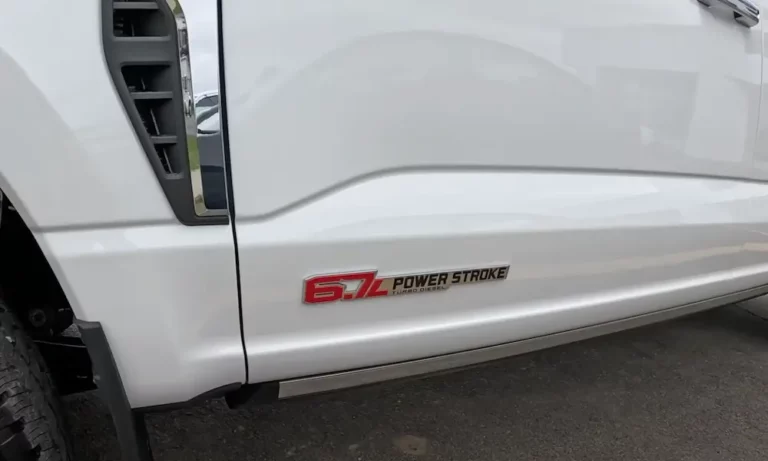
You’re eyeing a Super Duty with a 6.7 Powerstroke, but you’ve heard mixed things about Ford’s diesel track record. Here’s the straight answer: modern 6.7s are pretty darn solid, but there’s more to this story than a simple yes or no. Let’s dig into what really matters.
The Short Answer: It Depends on the Year
Not all 6.7 Powerstrokes are created equal. This engine has been around since 2011, and Ford’s learned some hard lessons along the way.
The 2015+ models are rock-solid. These are the sweet spot where Ford finally ironed out the early problems. You’re looking at an engine that’ll easily hit 200,000-300,000 miles with proper care, and many push well beyond that.
The 2011-2013 models? Skip them. These early years came with enough headaches to fill a mechanic’s handbook. We’re talking turbo failures, radiator leaks, and glow plugs that could literally break off inside your engine.
Here’s what makes this engine different from Ford’s earlier diesel disasters: they built it themselves. Unlike the troublesome 6.0L and 6.4L engines, Ford designed and manufactured the 6.7L in-house, giving them complete control over quality.
Why the 6.7 Powerstroke Earned Back Trust
Ford’s diesel reputation took a beating in the 2000s. The 6.0L and 6.4L engines were so problematic that “Powerstroke” became a punchline in diesel circles.
The 6.7L changed that conversation.
This engine represents Ford’s most reliable diesel in decades. Most experts and owners agree it’s dependable, with some enthusiasts calling it one of the best diesel engines ever built. That’s not marketing hype—it’s backed by real-world performance.
The engine delivers serious capability: up to 500 horsepower and 1,200 lb-ft of torque in High Output configuration. You can hook up to 40,000 lbs and actually feel confident doing it.
The Three Generations: What Changed and When
First Generation (2011-2014): The Rough Start
These early years were Ford’s learning curve, and unfortunately, early buyers paid the tuition.
2011, 2012, and 2013 are the years you’ll want to avoid. Here’s why:
The Honeywell DualBoost twin-turbo system used ceramic ball bearings that failed regularly. Radiators leaked, particularly on the driver’s side. EGT sensors would suddenly quit, throwing your truck into limp mode. Worst of all, glow plugs could break apart, with tips potentially causing catastrophic engine damage.
Even 2014 showed improvement, but it’s still grouped with the problematic first generation. Just steer clear of this whole era.
Second Generation (2015-2019): Ford Gets It Right
2015 is the turning point. This is when the 6.7 Powerstroke became the engine it should’ve been from day one.
Ford ditched the troublesome twin-turbo setup for a single Garrett GT37 turbocharger. They bumped power from 400 to 440 horsepower. The EGR cooler got redesigned with an additional sensor. The injection pump received updates to address fuel system concerns. Lower main bearings got IROX coating for better efficiency and durability.
Owners consistently report excellent reliability from these years. You’re getting a proven engine with sorted problems and strong long-term prospects. This generation hits the sweet spot of reliability, performance, and value.
Third Generation (2020-Present): Maximum Power
The latest generation pushes the envelope with class-leading power figures—up to 500 horses and 1,200 lb-ft in High Output trim.
It’s too new for comprehensive long-term data, but early reports suggest Ford maintained the reliability improvements while adding significantly more muscle. If you need maximum capability and can afford a newer truck, these are stellar engines.
The Problems You Should Know About
Even reliable engines have weak spots. Here’s what can go wrong with a 6.7 Powerstroke.
CP4 Fuel Pump: The $10,000 Nightmare
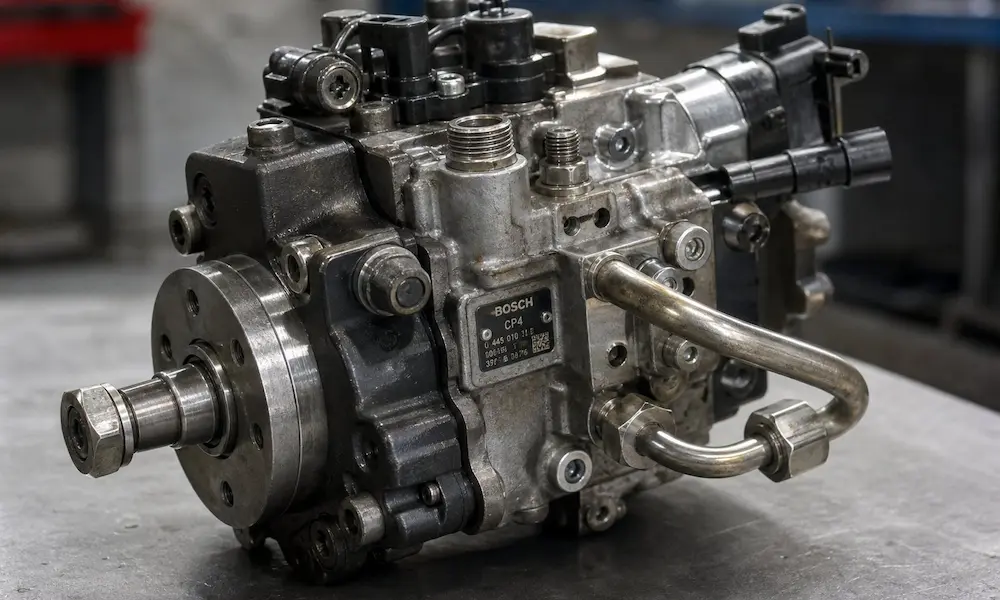
This is the big one. Pre-2020 engines use a Bosch CP4.2 high-pressure fuel pump that can fail catastrophically.
When this pump dies, it sends metal contamination throughout your entire fuel system. We’re talking destroyed injectors, pressure regulators, and fuel lines. Repair bills exceed $10,000.
Watch for sudden power loss, unexpected engine shutdown, metal shavings in fuel filters, or rough idling. These symptoms mean trouble’s brewing.
Many owners install aftermarket CP4 failure insurance or upgrade to more reliable fuel delivery systems. It’s worth considering if you’re buying a pre-2020 model.
Cold-Side Intercooler Pipe: Plastic Meets Boost Pressure
The stock plastic cold-side charge pipe is a ticking time bomb under high boost. It cracks or ruptures, causing immediate power loss and check engine lights.
This happens so often that many owners replace it with aftermarket metal versions before it fails. It’s cheap insurance against being stranded.
EGR System Clogging
The EGR cooler can clog with soot buildup, particularly triggering code P0401. It’s more reliable than previous Powerstroke EGR systems, but it’s not bulletproof.
Severe cases require complete cooler replacement. Regular maintenance helps, but it’s still a wear item you’ll eventually deal with.
Emissions System Complexity
Modern diesel emissions equipment is complicated. The DPF, SCR, and DEF systems work together through multiple sensors and components.
EGT sensors, NOx sensors, and DPF filters need periodic service and eventual replacement. It’s the price of meeting emissions standards, but it adds complexity and cost.
What Maintenance Really Costs
Diesel ownership isn’t cheap. The 6.7 Powerstroke requires consistent attention and quality parts.
Most trucks fall under the “severe duty” maintenance schedule, even if you think your driving is normal. Towing, stop-and-go traffic, or extreme temperatures all count as severe duty.
The Regular Stuff
Oil changes every 5,000-7,500 miles run $113 or more. Fuel filters need replacement every 15,000 miles at $30-50 each. The coolant system requires service every 45,000-60,000 miles. DPF cleaning happens every 30,000 miles. EGR system service falls between 15,000-30,000 mile intervals.
Use only high-quality Ford fuel filters. This isn’t the place to cheap out—contaminated fuel can destroy your entire system.
The Bottom Line
Expect to spend $1,000-$2,500 annually on basic maintenance, averaging around $1,440 per year. That’s before anything breaks or wears out unexpectedly.
Major service intervals spike these costs significantly. Budget accordingly, or diesel ownership will hurt your wallet.
| Maintenance Item | Interval | Typical Cost |
|---|---|---|
| Oil Change | 5,000-7,500 miles | $113+ |
| Fuel Filter | 15,000 miles | $30-50 |
| Coolant Service | 45,000-60,000 miles | Varies |
| DPF Cleaning | 30,000 miles | Varies |
| EGR Service | 15,000-30,000 miles | Varies |
How Long Will It Last?
Here’s the good news: a well-maintained 6.7 Powerstroke can rack up serious miles.
Most engines easily hit 200,000-300,000 miles. Many documented cases exceed 400,000-500,000 miles. Some extraordinary examples have surpassed 1 million miles, though that requires exceptional maintenance and often emissions system modifications.
What determines whether your engine reaches these numbers?
Consistent maintenance following severe-duty schedules matters most. Use quality fuel and oil—always. Your driving conditions and towing frequency play a role. Address known problem areas early, before they cascade into bigger issues. Replace wear items proactively, not reactively.
The expected lifespan puts the 6.7 Powerstroke competitively with other modern diesels, though slightly behind the legendary Cummins 6.7L in ultimate longevity.
How It Stacks Up Against the Competition
The diesel truck market has three main players: Ford’s 6.7 Powerstroke, Ram’s Cummins 6.7L, and Chevy’s Duramax 6.6L.
The Cummins 6.7L takes the reliability crown. Its simpler design and proven track record deliver 350,000-600,000+ mile expectancy. If pure longevity is your top priority, the Cummins wins.
The 6.7 Powerstroke holds strong in second place with 300,000-500,000+ mile expectancy in newer generations. It offers excellent reliability with significantly more power than the Cummins.
The Duramax 6.6L trails with good but not exceptional reliability, typically reaching 250,000-400,000 miles. Its more complex design introduces additional failure points.
Where the Powerstroke dominates: maximum power output (500 HP/1,200 lb-ft) and towing capacity (up to 40,000 lbs). If you need to pull heavy loads regularly, the Powerstroke delivers.
| Engine | Reliability Rating | Expected Mileage | Max Power |
|---|---|---|---|
| Cummins 6.7L | Highest | 350,000-600,000+ | 370 HP/850 lb-ft |
| Powerstroke 6.7L | Strong | 300,000-500,000+ | 500 HP/1,200 lb-ft |
| Duramax 6.6L | Good | 250,000-400,000 | 445 HP/910 lb-ft |
What to Buy (and What to Avoid)
Best overall choice: 2015-2019 models. These years offer the optimal balance of proven reliability and reasonable pricing. Ford had sorted the problems, but you’re not paying new-truck premiums.
Most powerful option: 2020+ models. If you need maximum capability and budget isn’t your primary concern, the latest generation delivers incredible performance with maintained reliability.
Models to avoid: 2011-2013. Too many unresolved issues make these years a gamble you shouldn’t take. The money you save upfront will get eaten by repairs.
Pre-Purchase Inspection Checklist
Before buying any used 6.7 Powerstroke, check these critical areas:
Look for upper oil pan leaks—it’s a common issue. Inspect the cold-side intercooler pipe for cracks or damage. Verify CP4 fuel pump operation and examine fuel filter condition closely. Review all maintenance records, particularly fuel filter change intervals. Test every emissions system component to ensure proper operation.
A thorough pre-purchase inspection costs a few hundred dollars but can save you thousands in unexpected repairs.
Ownership Reality Check
Budget $1,500-$2,500 annually for maintenance—and stick to it. Consider aftermarket insurance specifically for CP4 pump failure on pre-2020 models. Use only high-quality Ford fuel filters, no exceptions. Follow severe-duty maintenance schedules regardless of how you think you’re driving your truck.
These aren’t suggestions—they’re requirements for long-term reliability.
The Final Verdict: Is the 6.7 Powerstroke Reliable?
The 6.7 Powerstroke tells a comeback story. Ford stumbled badly with early diesel engines, but they’ve built something genuinely competitive with the 6.7L.
Yes, the 2015+ 6.7 Powerstroke is reliable. It’s not perfect—no engine is—but proper maintenance and avoiding early model years sets you up for hundreds of thousands of dependable miles.
You’re getting maximum power and towing capability with acceptable reliability, provided you understand what you’re signing up for. Diesel ownership requires commitment to maintenance and tolerance for higher operating costs.
If you need serious capability, want Ford’s truck ecosystem, and can handle the maintenance reality, the 2015+ 6.7 Powerstroke delivers. It’s earned its reputation as Ford’s best diesel in decades through real-world performance, not marketing promises.
Just remember: this engine rewards owners who take care of it and punishes those who don’t. Choose wisely, maintain religiously, and you’ll get the reliability everyone’s talking about.