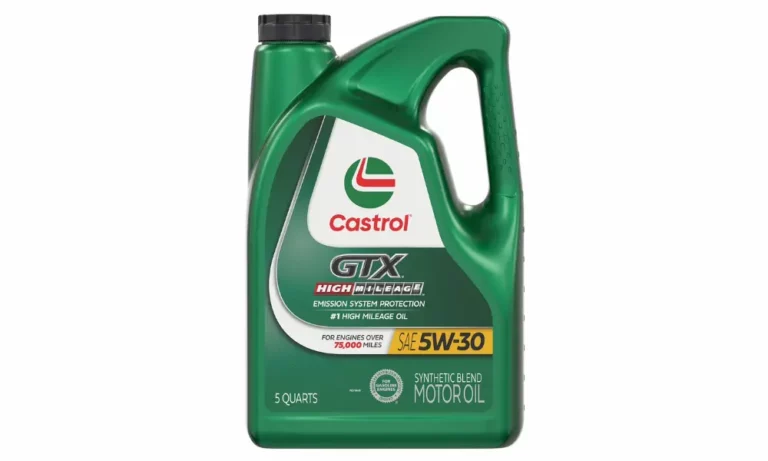
You’re staring at rows of motor oil bottles, and that familiar green Castrol container catches your eye. But with so many options and conflicting opinions online, you’re wondering if it’s actually worth the premium price. Let’s cut through the marketing hype and look at what independent testing and real-world use actually reveal about Castrol’s performance.
What Makes Castrol Different From Other Motor Oils?
Castrol isn’t just another motor oil brand slapping flashy labels on generic products. They’ve been around for over 120 years, and their partnerships with Formula 1 teams demonstrate serious engineering credibility.
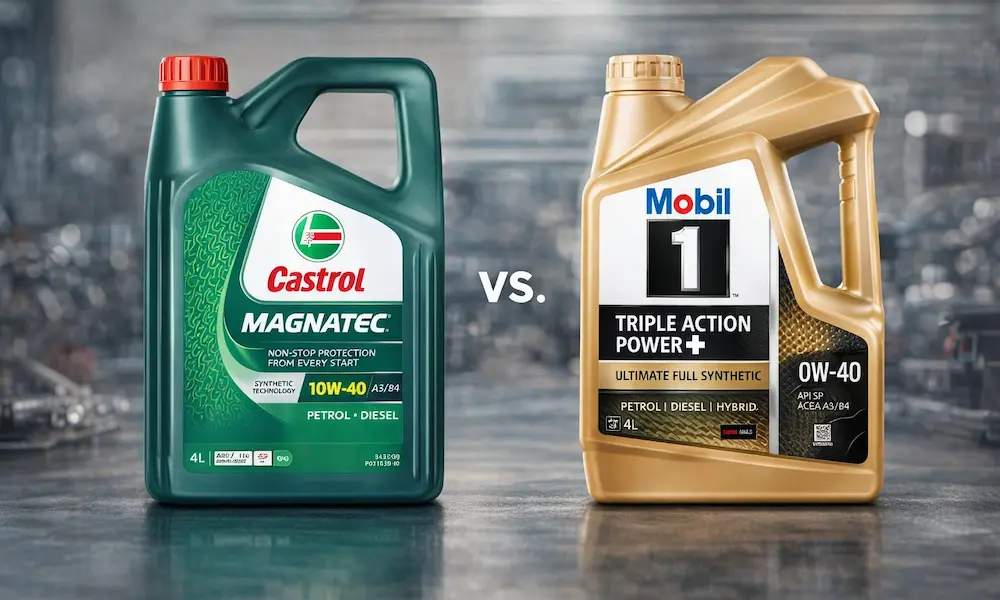
The brand’s standout feature? Proprietary technologies that aren’t just marketing speak. Their Titanium Fluid Strength Technology (FST) in Edge formulations creates stronger oil films under extreme pressure. Meanwhile, Magnatec’s intelligent molecules literally cling to your engine parts during shutdown, protecting against startup wear.
Here’s what separates their main product lines:
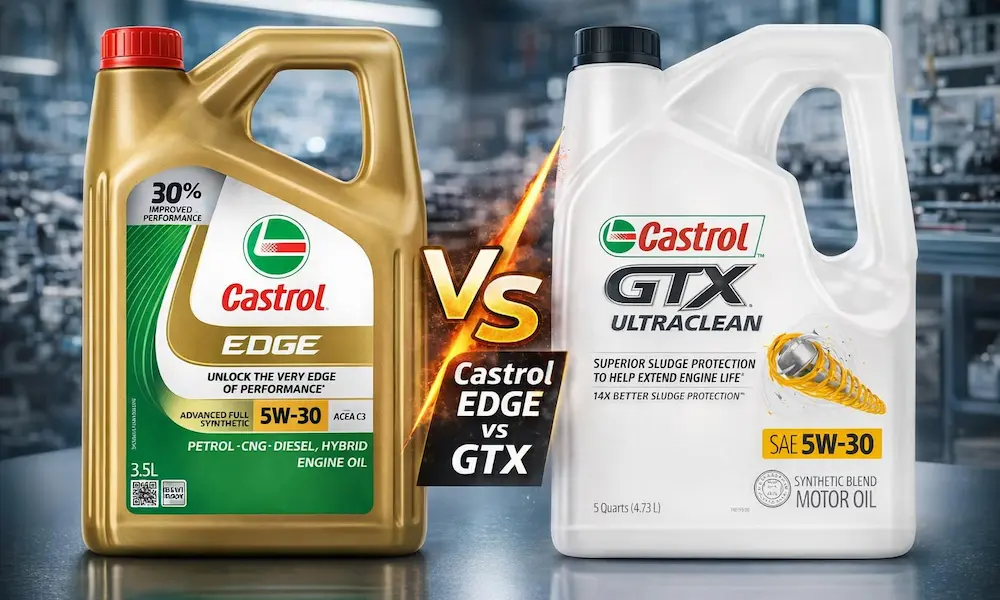
GTX Conventional: The budget-friendly workhorse that’s been around since 1968. It handles basic protection with decent sludge resistance.
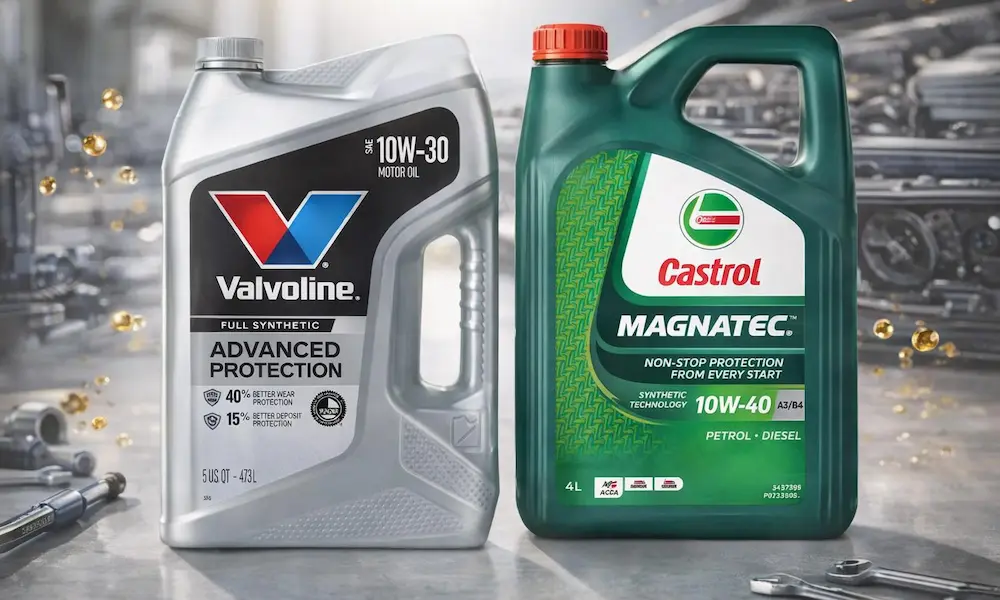
GTX Magnatec: Features molecules that stick to engine surfaces during cold starts. If you’re doing lots of short trips or city driving, this addresses your biggest wear concern.
Castrol Edge: The premium full synthetic with titanium technology. It’s designed for high-stress conditions and can handle extended drain intervals up to 15,000 miles.
Edge Extended Performance: Takes things further with 20,000-25,000 mile intervals for highway-focused drivers.
How Does Castrol Perform in Independent Testing?
Marketing claims are cheap. Laboratory results tell the real story.
Blackstone Laboratories analysis shows Castrol consistently meets or exceeds its performance claims. In real-world testing, iron wear levels typically range between 8-11 parts per million—well within safe parameters for most engines.
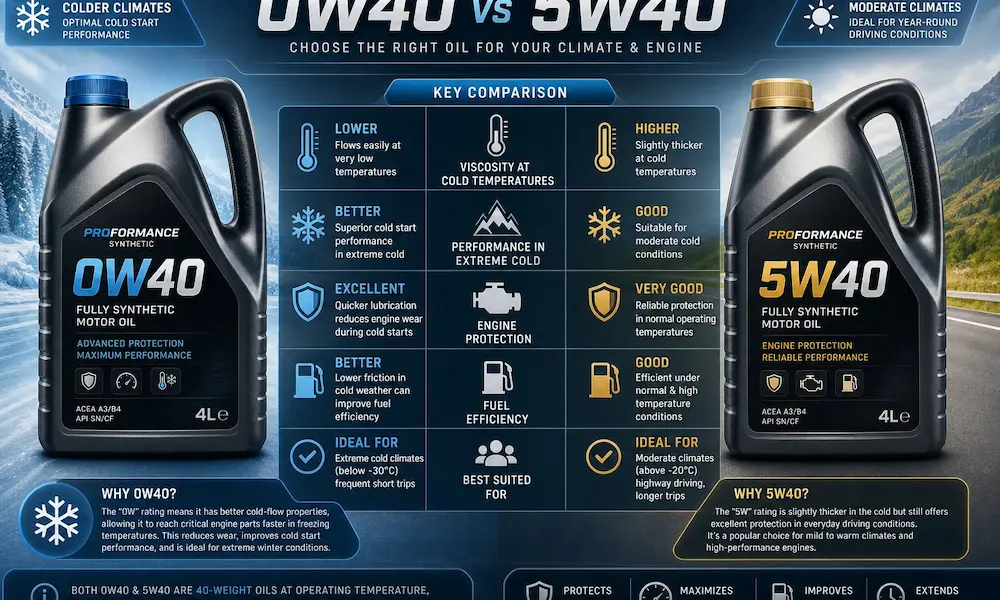
One documented test on a 2017 Mazda CX-5 using Castrol Edge 0W-20 ran for 10,000 miles with excellent wear protection. Analysts actually recommended extending to 12,000-mile intervals based on the results.
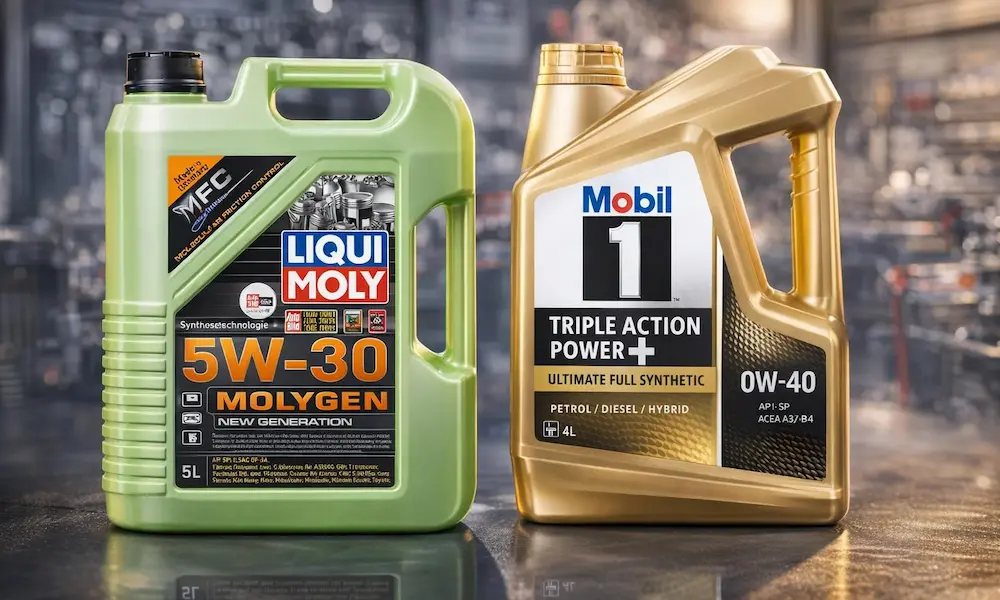
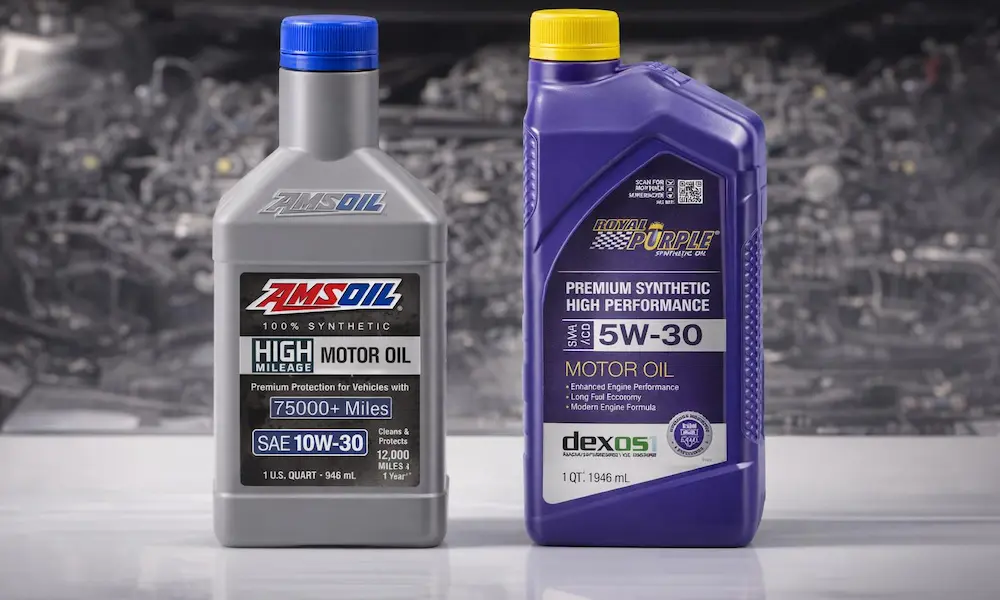
But is Castrol oil good compared to competitors like Mobil 1 and Amsoil? The answer’s nuanced. Castrol Edge performs competitively in critical areas like film strength and wear protection. However, some independent tests show higher volatility at extreme temperatures compared to boutique brands like Motul.
Real Numbers From the Lab
| Test Parameter | Castrol Performance | Industry Standard |
|---|---|---|
| Iron Wear (ppm) | 8-11 | <15 acceptable |
| Extended Drain Capability | 15,000-20,000 miles | Varies by brand |
| Film Strength | Superior with Titanium FST | Standard synthetic |
| Startup Protection (Magnatec) | 50% better vs conventional | N/A |
What Do Actual Users Say About Castrol?
Numbers matter, but so does real-world experience. Across forums, reviews, and professional mechanics, certain themes keep appearing.
The Good Stuff
Users consistently report smoother engine operation and reduced startup noise, especially with Magnatec formulations. Many automotive enthusiasts notice cleaner oil during changes, suggesting the detergent packages are doing their job.
Long-term loyalty runs deep. Some drivers report hundreds of thousands of miles using Castrol without engine failures. Professional mechanics often recommend it for consistent quality and wide availability—important when you need oil at 8 PM on a Sunday.
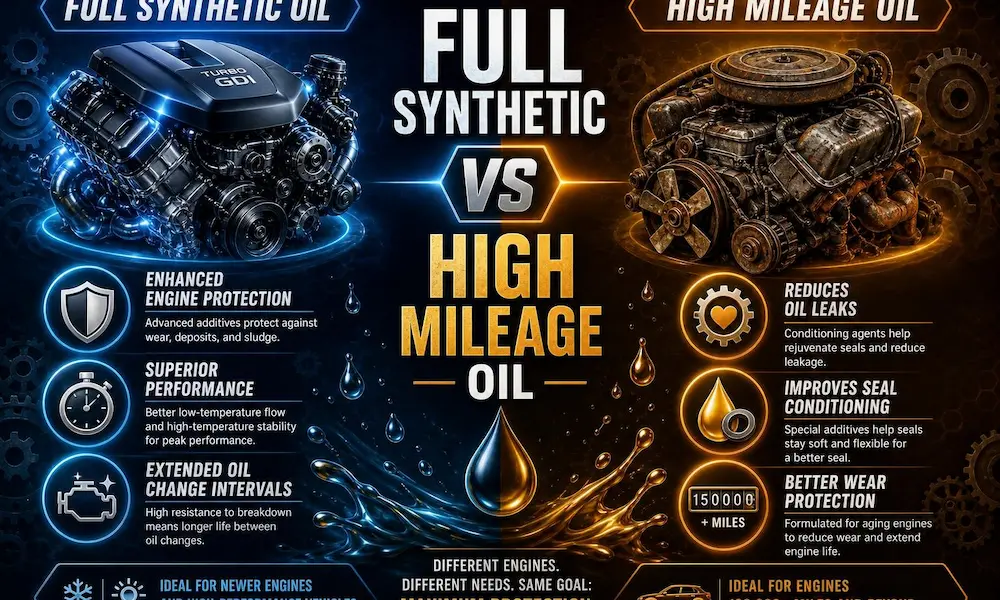
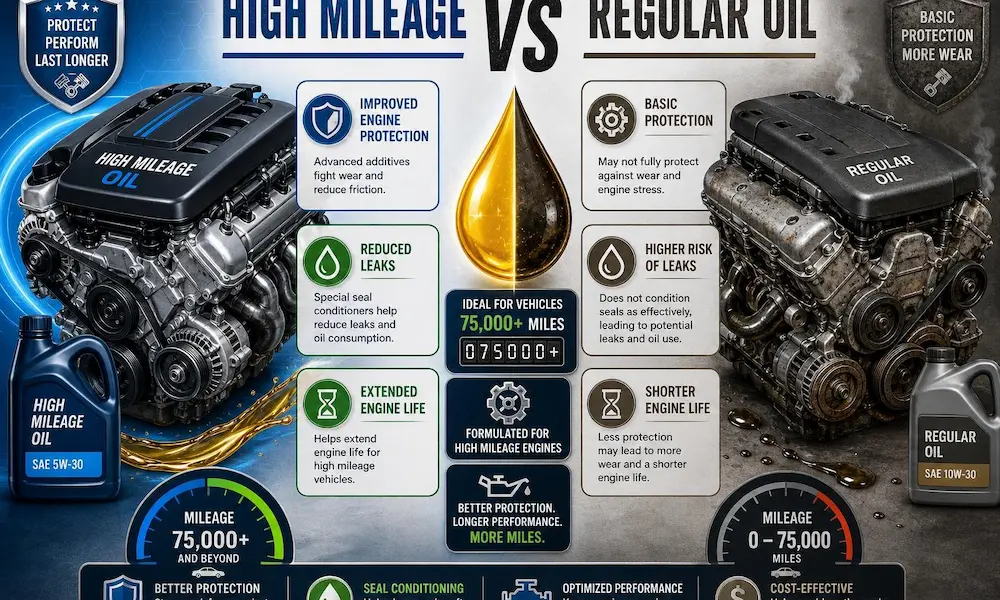
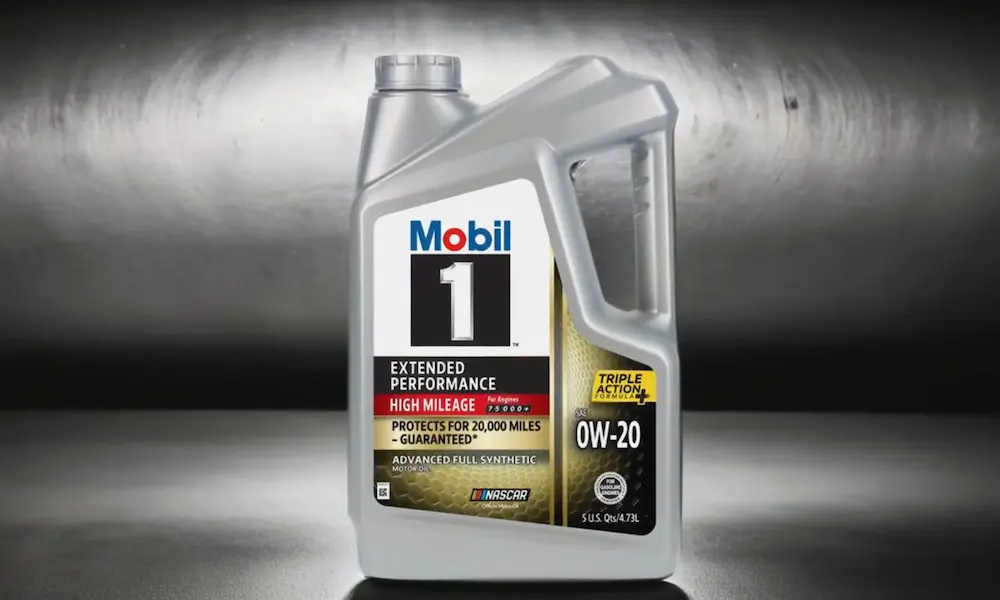
High-mileage vehicle owners particularly love the GTX High Mileage line. It’s effective at reducing oil consumption and maintaining seal integrity in engines past 75,000 miles.
The Not-So-Good
Some Reddit discussions reveal occasional sludge concerns with conventional GTX, though these usually correlate with extended drain intervals beyond recommendations.
The premium pricing bothers some users. You’re paying 15-25% more than store brands, and the performance difference doesn’t always justify that gap for average driving conditions.
Professional mechanics note that while Castrol provides solid protection, it might not match specialized racing oils or premium boutique brands for extreme applications.
Is Castrol Oil Good for Your Specific Vehicle?
The answer depends entirely on what you’re driving and how you’re driving it.
Modern Daily Drivers
If you’re commuting in a newer vehicle, Castrol GTX Magnatec offers excellent value. The intelligent molecule technology addresses the primary wear concern—cold startup protection—while maintaining competitive pricing.
For highway warriors, Edge products shine with their extended drain capabilities and superior thermal stability. Extended drain testing confirms you can safely push to manufacturer-recommended intervals without sacrificing protection.
High-Performance and Modified Engines
Castrol Edge demonstrates documented use in Formula 1, which tells you it can handle serious stress. The titanium-enhanced formulations excel in turbocharged or direct-injection engines operating under high pressures.
However, if you’re tracking your car regularly or running extreme modifications, purpose-built racing lubricants might offer superior protection. Castrol’s mainstream formulations handle street performance applications beautifully but aren’t necessarily the best choice for sustained high-RPM competition use.
Older Vehicles and High-Mileage Engines
Here’s where Castrol really shines. The GTX Classic formulation specifically addresses older engine requirements with elevated zinc and phosphorus levels essential for flat-tappet camshafts.
For vehicles exceeding 75,000 miles, the high-mileage synthetic blends provide optimal balance. The seal conditioning additives help prevent leaks while modern additive packages maintain cleanliness and wear protection.
Breaking Down Castrol’s Additive Technology
Let’s talk about what’s actually in the bottle, because this stuff matters.
Castrol’s proprietary technologies aren’t just marketing fluff. The Titanium FST in Edge formulations measurably improves film strength under pressure. Independent verification confirms these claims—the oil simply resists breakdown better when metal surfaces are grinding against each other under extreme loads.
The Magnatec technology functions as advertised too. Those molecules genuinely cling to engine surfaces during shutdown. This provides measurable protection during startup when conventional oils have drained into the pan.
The Additive Breakdown
Professional oil analysis reveals well-balanced additive packages across Castrol’s range:
- Calcium-based detergents effectively control deposits and sludge
- Zinc and phosphorus compounds provide anti-wear protection
- Boron additives contribute to seal conditioning
- Modern formulations meet API SP specifications
One caveat: modern Castrol formulations align with current API specifications, which means lower zinc and phosphorus levels. If you’re running a classic car with a flat-tappet camshaft, you’ll want the GTX Classic with higher ZDDP levels.
How Does Castrol’s Pricing Stack Up?
Let’s address the elephant in the room: Castrol isn’t cheap.
You’re looking at 15-25% higher costs compared to store brands. A five-quart jug of GTX typically runs $15-25, while Edge products command premium pricing that varies by retailer.
But here’s the thing—per-quart cost doesn’t tell the whole story. If you’re safely extending drain intervals to 10,000-15,000 miles with Edge formulations, you’re changing oil less frequently. That often offsets the higher initial cost through reduced maintenance frequency.
Online retailers frequently offer discounts that improve the value equation. You’re rarely paying full retail if you shop around.
When Castrol Makes Financial Sense
| Driving Profile | Best Castrol Option | Value Proposition |
|---|---|---|
| Short commutes, city driving | GTX Magnatec | Superior startup protection justifies premium |
| Highway miles, newer cars | Edge Extended Performance | 20,000-mile intervals offset higher cost |
| High-mileage vehicles (75k+) | GTX High Mileage | Reduces oil consumption, prevents leaks |
| Classic cars with flat-tappet cams | GTX Classic | Specialized formulation unavailable in budget brands |
| Budget-conscious, older vehicles | GTX Conventional | Decent protection at competitive pricing |
Common Concerns and Limitations You Should Know
Is Castrol oil good without any drawbacks? Not quite.
The Extended Drain Question
Castrol advertises impressive drain intervals, but you need to verify with oil analysis. Some users report successful 20,000-mile intervals, while others find that excessive for their driving conditions.
Severe service applications—frequent towing, dusty environments, extreme temperatures—demand more frequent changes regardless of oil brand. Don’t push extended intervals if your driving qualifies as severe service.
The Volatility Issue
Some independent testing reveals higher evaporation rates compared to competitors like Motul and Liqui Moly at extreme temperatures. The numbers still fall within acceptable industry standards, but boutique brands sometimes edge ahead here.
Availability and Consistency
The flip side of wide availability? You’re occasionally dealing with older stock sitting on shelves. Motor oil doesn’t go bad quickly, but fresher is generally better. Check manufacturing dates when possible.
Making the Right Choice for Your Engine
So, is Castrol oil good? For most drivers, absolutely.
Independent testing validates their performance claims. Real users report positive experiences across hundreds of thousands of miles. The diverse product portfolio effectively addresses various needs, from basic protection to extreme performance applications.
You’re getting a well-engineered product from a manufacturer with serious technical credentials. The Formula 1 partnerships and extensive real-world testing aren’t just for show—they inform product development in meaningful ways.
However, carefully match your product selection to your specific situation. A weekend car doing 2,000 miles annually doesn’t need Edge Extended Performance. Conversely, a turbocharged daily driver deserves better than conventional GTX.
Your Decision Framework
Choose Castrol if you:
- Value proven performance from a established manufacturer
- Need wide availability and manufacturer approvals
- Drive conditions that benefit from their specialized technologies
- Want extended drain capability with documented testing support
Consider alternatives if you:
- Operate on a tight budget where every dollar counts
- Need specialized racing formulations for competition use
- Prefer boutique brands with higher additive concentrations
- Have access to cheaper oils that meet your manufacturer’s specifications
The most reliable validation? Regular oil analysis through services like Blackstone Labs. It confirms whether your chosen oil and drain interval work for your specific engine and driving conditions. That $30 test provides more valuable information than any marketing claim or internet debate.
Castrol’s continued investment in advanced formulation technologies suggests they’ll remain competitive as engine designs become more demanding. For dependable engine protection that’s available when you need it, Castrol delivers solid value that justifies its market position.