If you’ve heard whispers about a Subaru Forester wheel bearing recall, you’re probably wondering whether your ride’s affected—and what it’ll cost you. Here’s the deal: there’s a brand-new recall for 2025 models, but older Foresters face a different beast entirely. Let’s cut through the noise.
Is There Actually a Subaru Forester Wheel Bearing Recall?
Yes and no. The 2025 Subaru Forester wheel bearing recall isn’t actually about bearings—it’s about the wheels themselves.
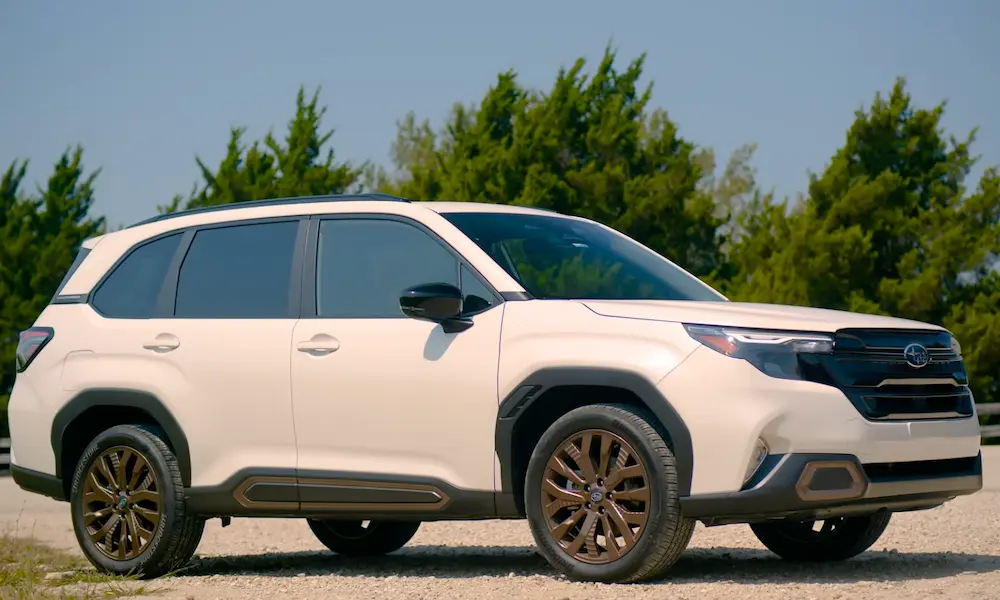
Subaru issued recall WRB-25 (federal designation 25V-033) covering roughly 20,366 brand-new 2025 Foresters. The problem? The 18-inch aluminum wheels were manufactured with incorrectly machined lug seats—the tapered surface where your lug nuts make contact.
When the lug seat geometry’s off, your lug nuts can’t properly clamp the wheel to the hub. The aluminum starts to deform under pressure, tension drops, and you’re looking at potential wheel wobble or complete detachment. That’s why this earned a federal safety recall instead of just a service bulletin.
Here’s what matters: If you own a 2025 Forester, check your VIN at the NHTSA recall lookup. Affected vehicles need new wheels, and it’s 100% free—no questions asked. The catch? Many dealers don’t have replacement wheels yet, so you might wait a bit for the fix.
The Real Wheel Bearing Problem: 2014–2024 Models
Now for the bad news. If you’ve got a 2014–2024 Forester, there’s no official wheel bearing recall—but you might wish there was.
These models suffer from chronic bearing failures that Subaru’s addressed through Technical Service Bulletins (TSBs), not recalls. The difference? TSBs don’t require free fixes, and coverage depends entirely on your warranty status.
Why Do These Bearings Fail So Often?
The 2014–2018 generation has a design flaw that’s almost comical in its simplicity: the rear backing plates aren’t flat.
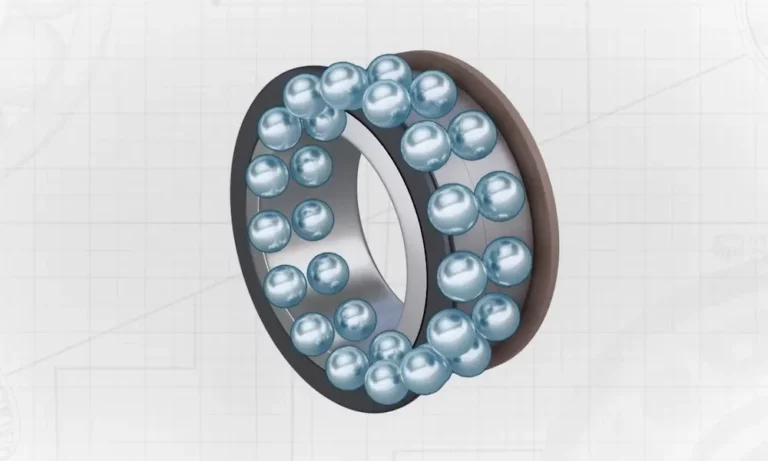
TSB 05-70-19 reveals that when you bolt the hub assembly to the suspension knuckle, the uneven backing plate warps the bearing housing slightly. This tiny distortion—we’re talking fractions of a millimeter—forces the bearing race out of round.
As the bearing rotates through this distorted path, the balls encounter high-pressure zones. Heat builds up. Metal starts flaking off. You hear that telltale howl above 30 MPH that doesn’t change when you turn the steering wheel.
Here’s the kicker: replacing just the bearing won’t fix it. You must replace the backing plate simultaneously, or the new bearing fails just as fast. Many owners report spending $800–$1,600 at dealers, only to have the noise return within 20,000 miles because the shop didn’t swap the backing plate.
What About Newer Models (2019–2024)?
The 2019+ Foresters switched to the Subaru Global Platform, which solved the backing plate issue. Victory, right?
Not exactly. TSB 03-96-25 from April 2025 shows that these models now fail due to water intrusion. The bearing seals aren’t keeping moisture out, leading to rust on the bearing surfaces.
If you live in the rust belt or anywhere that salts roads, you’re especially vulnerable. The fix requires upgraded hub assemblies (part number 28473VA012) with better seals and corrosion-resistant grease.
How Much Does This Cost If You’re Not Covered?
Let’s talk money, because this ain’t cheap.
| Repair Location | Parts Cost | Labor Cost | Total |
|---|---|---|---|
| Dealership (both rear bearings) | $834 | $540–$720 | $1,374–$1,554 |
| Independent shop | $560 | $300–$360 | $860–$920 |
| DIY (if you’re handy) | $560 | $0 | $560 |
Why so expensive? You’re not just replacing bearings. The backing plate swap requires dismantling the entire parking brake assembly. In rust-prone areas, those anchor pins seize, turning a 3-hour job into a 5-hour nightmare involving drills and torches.
The Warranty Coverage Trap
Wheel bearings fall under Subaru’s 5-year/60,000-mile Powertrain Warranty. Sounds great—until you realize the average Forester owner hits bearing failure around 70,000–90,000 miles.
Many dealers play games with coverage. They’ll agree to replace the bearing under warranty but refuse to cover the backing plate, calling it a “brake component.” You end up paying $650 out-of-pocket for parts the TSB explicitly requires.
Extended warranty holders (Subaru Added Security Gold Plus) get coverage up to 100,000 miles, which actually makes sense for these vehicles.
Can You Get Reimbursed for Past Repairs?
Yes, but it’s complicated. Subaru maintains a reimbursement portal for TSB-related repairs you’ve already paid for. You’ll need:
- Original repair invoices showing the complaint and remedy
- Proof the repair matches a specific TSB
- Documentation that you owned the vehicle when repaired
Success rates vary wildly. Some owners report full reimbursement; others get denied for technicalities.
Front Wheel Bearings: A Different Animal
Don’t forget the front axle. TSB 05-76-20 addresses 2014–2019 models where front bearings fail from pothole impacts.
The original front hubs couldn’t handle shock loads. Hit a nasty pothole, and the bearing balls indent the race surface—a phenomenon called brinelling. You’ll hear a growling noise that changes with vehicle speed and might feel vibration through the steering wheel.
The fix? Updated hub assemblies with hardened bearing surfaces (part number 28373FL010). Look for a stamped “7” on the back of the hub flange to verify you’re getting the upgraded part.
How to Tell If Your Bearing’s Actually Bad
Don’t trust the “wiggle test.” Unlike most vehicles, Subaru bearings often show zero play even when they’re toast internally.
Here’s the diagnostic sequence:
- Speed test: Drive 40 MPH on smooth pavement. Listen for a constant drone from the rear that doesn’t change much when you swerve gently.
- Lift inspection: If possible, run the vehicle on a lift (traction control off). Use a mechanic’s stethoscope on the knuckle. A grinding or rumbling sound confirms internal damage.
- Visual check: For 2014–2018 models with rear noise, assume the backing plate’s the root cause. Don’t let anyone replace just the bearing.
The noise typically shows up between 60,000–90,000 miles, though some owners report failures as early as 40,000 miles—especially in harsh climates.
Why Hasn’t Subaru Done a Full Recall?
Good question. The NHTSA reserves safety recalls for defects creating “unreasonable risk.” The 2025 wheel issue qualifies because wheel detachment is catastrophic and sudden.
Bearing failures, however, are progressive. That howling noise gives you thousands of miles of warning before catastrophic seizure. This “grace period” lets Subaru argue it’s a durability issue, not a safety defect.
It’s the same strategy they’ve used for other problems. Engine failures, oil consumption, and battery drain all eventually resulted in class action settlements rather than recalls. Subaru extends warranties quietly rather than admitting design defects publicly.
Could there be a future recall or warranty extension specifically for wheel bearings? Maybe—if enough owners complain to NHTSA or file complaints. But don’t hold your breath.
The Parts Evolution Shows Ongoing Problems
Here’s something interesting: Subaru keeps changing part numbers, which tells you they’re still trying to solve this.
Rear hub evolution:
- 28473FJ000/28473FJ020 (original, prone to backing plate issues)
- 28473FL040 (current countermeasure for 2014–2018)
- 28473VA012 (2019+ models with improved seals)
Front hub evolution:
- 28373FL000 (original, shock-sensitive)
- 28373FL010 (hardened version)
Each supersession represents an engineering change—better materials, tighter tolerances, improved seals. But the fact that they’re on generation 3+ for some components suggests the fundamental design has issues.
What Should You Actually Do?
If you own a 2025 Forester: Check your VIN for the recall. Don’t drive aggressively until the wheels are replaced. This one’s serious and completely free.
If you own a 2014–2024 Forester:
- Start listening for that characteristic howl around 50,000 miles
- If you hear noise, get it diagnosed quickly—bearing damage accelerates once it starts
- Insist on backing plate replacement if you have a 2014–2018 model. Don’t accept “just the bearing”
- If you’re approaching 60,000 miles and still under warranty, consider getting bearings checked preemptively
- Keep all repair records for potential reimbursement claims
If you’re buying a used Forester: Factor in $1,000–$1,500 for eventual bearing replacement unless the seller has documentation proving the TSB fix was done correctly.
The Subaru Forester’s a solid vehicle with genuine off-road chops and excellent safety ratings. But these wheel bearing issues? They’re real, they’re expensive, and they’re not going away anytime soon. Your best defense is knowing what to listen for and making sure any repairs follow the TSB procedures exactly—backing plates and all.
Stay vigilant, keep your ears open, and don’t let a dealer talk you into a half-measure repair that’ll fail in 15,000 miles.