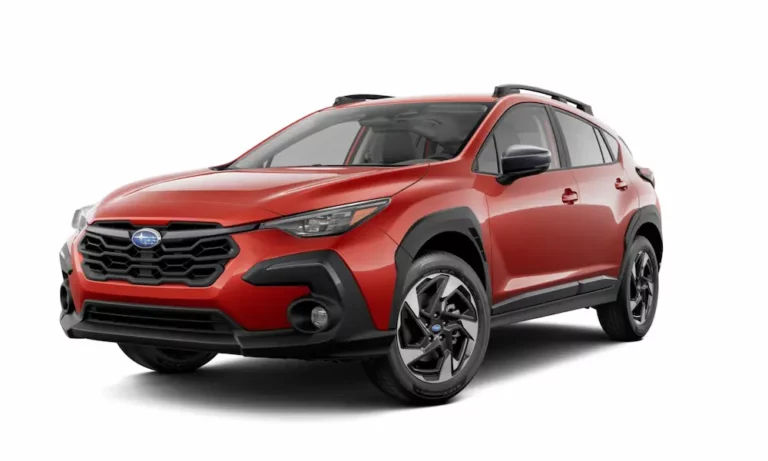
Your Subaru door lock stopped working, and now you’re standing in a parking lot wondering what broke. It could be a dead fob battery — or something far more interesting. This guide walks you through every real cause, from blown fuses to a finicky control module, so you can stop guessing and start fixing. Stick around — the answer might surprise you.
Start Here: The Two Big Categories of Failure
When your Subaru door lock isn’t working, the problem falls into one of two buckets:
- Mechanical failure — physical parts worn out or jammed
- Electrical failure — signals not reaching the right place
According to automotive reliability data, roughly 40% of all power lock issues in modern vehicles trace back to electrical faults — not broken hardware. So don’t automatically assume the actuator is dead before you check the wiring.
Check the Fuse First (Seriously)
This is the fastest, cheapest fix you can try. Subaru uses a tiered protection system, and the door locks run through a dedicated fuse in the interior junction block — that’s the panel near your left knee under the dash.
Here’s a quick reference by model:
| Model Family | Fuse Box Location | Common Lock Fuse(s) | Amperage |
|---|---|---|---|
| Forester (SJ/SK) | Driver’s side dash / Engine bay | #21, #23 (Cabin) | 20A – 25A |
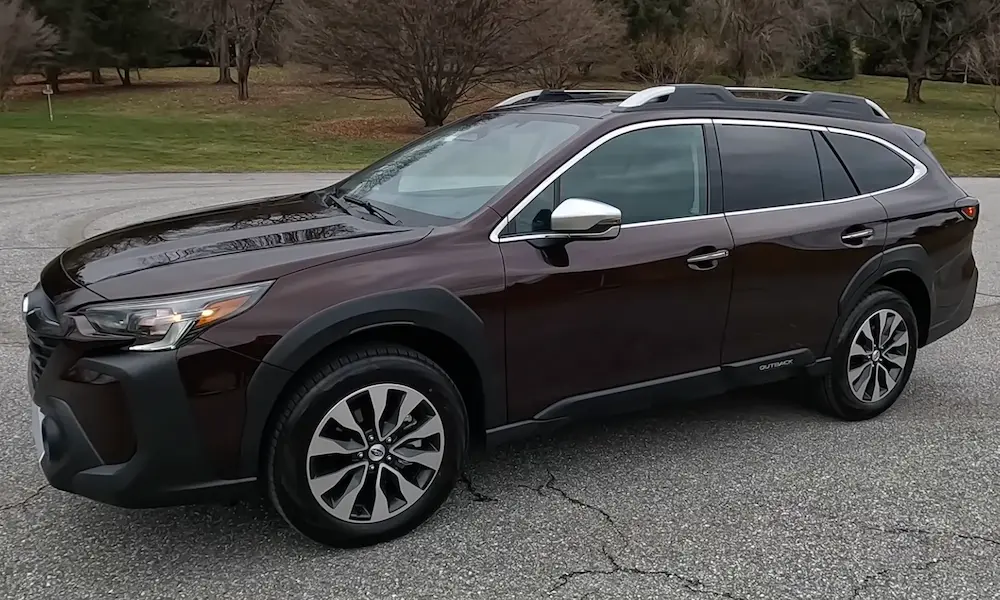
| Outback (BS/BT) | Driver’s side dash / Engine bay | #21, #23 (Cabin) | 20A – 25A |
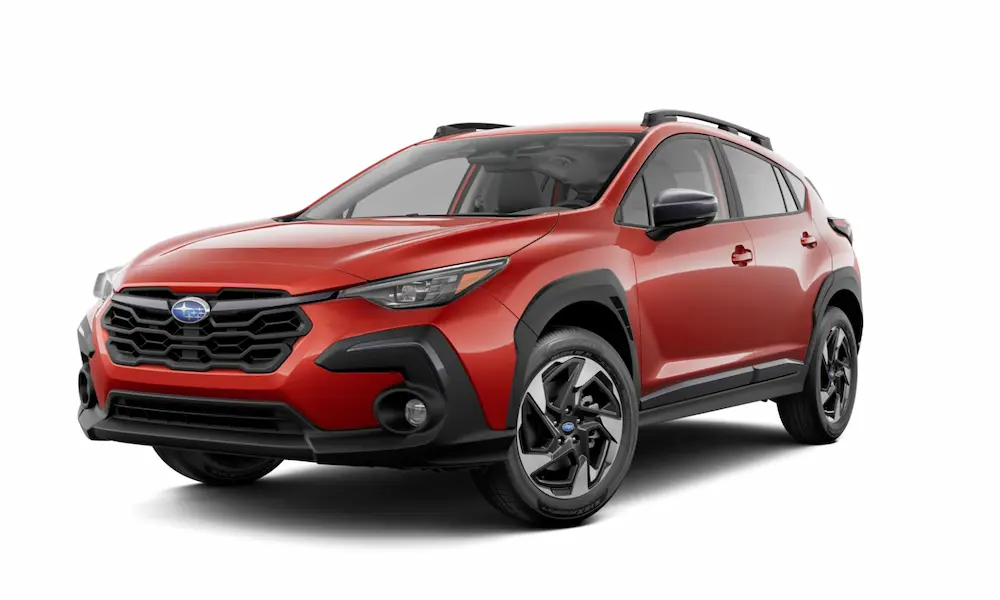
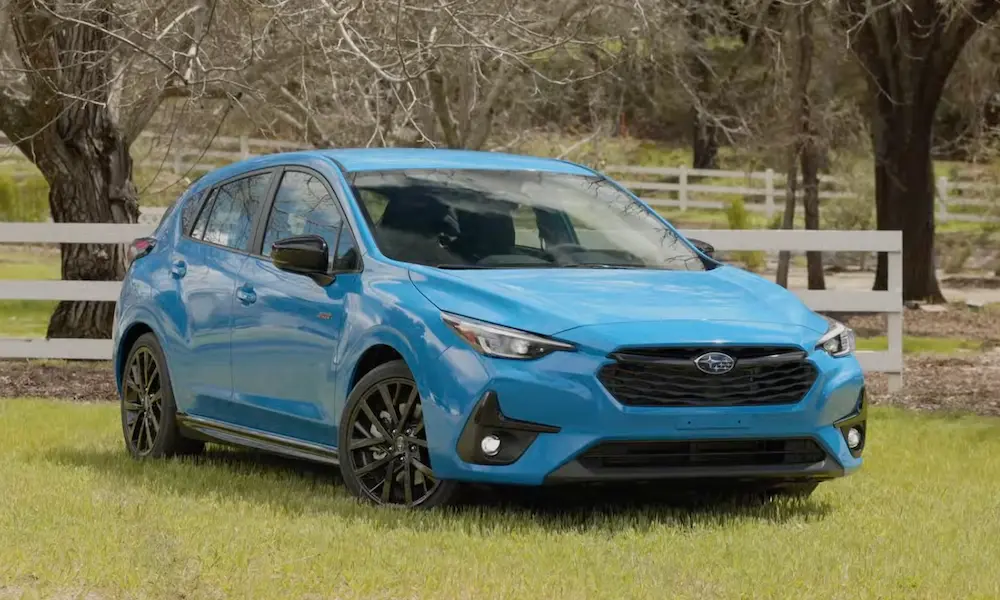
| Impreza/Crosstrek | Driver’s side dash / Apron | #21 (Cabin) / 30A (Engine) | 15A – 30A |
| Legacy (BN/BW) | Driver’s side dash | #23 (Cabin) | 20A – 25A |
Pull the fuse and look at the filament. If it’s blown, replacing it resolves around 18% of intermittent lock issues caused by voltage spikes. Easy win.
Important: If the new fuse blows immediately, stop. That confirms a hard short — likely in the wiring at the door hinge. Keep reading.
Is Your Key Fob Actually the Problem?
Before you tear apart the door panel, check the fob. A weak battery causes more “Subaru door lock not working” complaints than most people realize.
Here’s what actually happens as the CR2032 battery dies:
- The keyless proximity range shrinks — you might need to be inches from the door
- The fob needs multiple button presses to respond
- Touch-to-unlock stops working entirely
Also check for accidental Sleep Mode. Subaru fobs have a built-in anti-theft sleep feature. You can accidentally activate it by holding the lock button and double-clicking the Subaru logo. When the fob’s asleep, it won’t respond to the car’s proximity pings at all — making it look like the whole keyless system failed. Pressing any button instantly wakes it back up.
If you’ve got a newer model with touch-sensitive handles, check the small connector plug directly behind the handle assembly. It vibrates loose inside the door cavity more often than you’d think.
The Door Lock Actuator: What It Does and When It Dies
The actuator is the small motor inside your door that physically moves the lock. It runs on a 12V DC pulse and uses a tiny gear train to push or pull the locking rod. When it wears out, you’ll notice a clear pattern of symptoms:
| Symptom | What It Means |
|---|---|
| Sluggish response (slow to lock/unlock) | Worn motor brushes or thickened grease |
| Grinding or rapid clicking (“machine gun” noise) | Stripped gear teeth skipping under load |
| Intermittent failure — works sometimes, not others | Brush degradation or thermal expansion |
| Completely dead — no sound, no movement | Seized gears or burned-out motor |
Why does the driver’s door fail first? Because it works harder. Driver-side actuators fail roughly 60% more often than the other doors. Subaru programs the first remote press to unlock only the driver’s door — so it cycles thousands more times over the car’s life than any other door.
Cold weather makes this worse. Low temperatures thicken the grease inside the latch assembly, which increases the mechanical drag on an already tired motor. If your locks act up mostly in winter, that’s your first clue.
The Hidden Culprit: Your Door Hinge Wiring
Here’s the failure most people never find on the first pass. Every time you open your door, a rubber boot at the hinge flexes. Inside that boot sits a wiring harness running to your door lock actuator. Over time, the 18-22 AWG copper wires fatigue, crack, and eventually break.
This single spot causes 35% of all electrical lock failures. Moisture sneaks in through the door seal, travels down the wires, and corrodes the connector pins. Corroded pins create high resistance, which cuts the effective voltage reaching the actuator — mimicking a dead motor perfectly.
Watch for these secondary signs:
- A “door open” warning light that stays on even when the door is closed
- Locks that work fine when the door is fully open but fail when it’s slightly ajar
- Intermittent failures that seem random
Grab a multimeter. With the door panel off, probe the two main wires at the actuator connector while you press the lock button. You should see a momentary 12V pulse — and the polarity actually flips between lock and unlock commands. If there’s no pulse, the fault is upstream in the wiring or control module, not in the actuator itself.
The Body Integrated Unit (BIU): When It Gets Complicated
Subaru’s door lock system runs through a central control module called the Body Integrated Unit, or BIU. It sits behind the driver’s side dashboard near the interior fuse box and talks to everything — the keyless receiver, the instrument cluster, the engine computer.
When the BIU has a problem, the symptoms get weird:
- Locks that work from one button but not another
- Remote works but interior switches don’t (or vice versa)
- Random lock/unlock cycles with no input
- A “door open” warning light stuck on
The BIU is sensitive to voltage fluctuations. A car battery that’s dropping below 12.2V at rest can cause ghost failures in the locking system — doors that refuse to unlock in cold weather or keyless sensors that randomly ignore touch inputs. Before assuming the BIU is faulty, test your main battery.
A simple soft reset sometimes clears BIU logic errors. Disconnect the negative battery terminal and leave it off for 15 to 30 minutes. This lets the capacitors in the system fully discharge and resets the processor’s logic state. After reconnecting, you may need to reinitialize your windows by holding the switch in the “up” position for two seconds after they’re fully closed.
Known Recalls and Service Bulletins You Should Know About
Subaru has acknowledged some door lock-related problems officially. These are worth checking before you spend money on parts:
- Inner Handle Cable Deformation (TSB MC-10235291-0001): If you press the lock button on your fob while someone is pulling the inner door handle, the cable can permanently deform. The door then won’t open even though the electrical system works fine. This gets misdiagnosed as an actuator failure constantly. Check this before ordering parts.
- WRL-23 Recall — 2024 Crosstrek and Impreza: A potential short circuit in the instrument panel harness from contact with the steering beam bracket. A short here can kill power to the BIU entirely, taking all central locking functions offline.
- WRQ-23 Recall — 2021-2023 Legacy and Outback: Water intrusion through an insufficient weld affecting the inhibitor switch. While this primarily hits the transmission, it can also prevent the BIU from authorizing certain lock commands based on “Park” status.
Check the NHTSA database with your VIN to see if any open recalls apply to your car.
What Repairs Actually Cost
Here’s a realistic breakdown of what you’re looking at if you need professional work done:
| Repair Component | Part Cost (Est.) | Labor Time | Total Cost (Est.) |
|---|---|---|---|
| Driver Front Actuator | $220 – $260 | 1.5 – 2.0 hrs | $450 – $550 |
| Rear Hatch Actuator | $130 – $180 | 1.0 – 1.5 hrs | $300 – $400 |
| BIU Control Module | $430 – $650 | 2.5 – 3.5 hrs | $850 – $1,100 |
| Key Fob Reprogramming | $0 (DIY) – $150 | 0.5 hrs | $75 – $150 |
A single door lock actuator replacement typically runs $365 to $463 at a certified shop. That covers $136 to $199 in labor and $229 to $263 for the part.
Can you DIY it? Yes, but it’s an intermediate job. The tricky parts are removing the door panel without snapping the plastic clips and finding the hidden screws — usually tucked behind the interior handle trim and inside the armrest pull pocket. Once the panel’s off, you’re working in a tight cavity with window regulator tracks in the way. If you’re comfortable with basic tools and patient, it’s doable on a Saturday afternoon.
Keep It Running: Simple Maintenance That Prevents This
Two habits will dramatically extend your lock system’s life:
- Lube the latch every 12 to 24 months. The mechanical friction inside the latch is the #1 cause of actuator motor burnout. A quick spray of silicone-based lubricant takes 30 seconds and saves the motor from working against drag it shouldn’t have to fight.
- Keep your main battery healthy. The BIU works within a narrow voltage window. A weak battery causes more weird, unexplained lock behavior than most owners ever connect to the actual cause. If your battery is more than four years old, test it.
A Subaru door lock not working usually starts as one small failure — a corroded pin, a tired actuator, a worn fob battery — and escalates because the system keeps compensating until it can’t. Catching it early is always cheaper than chasing it later.