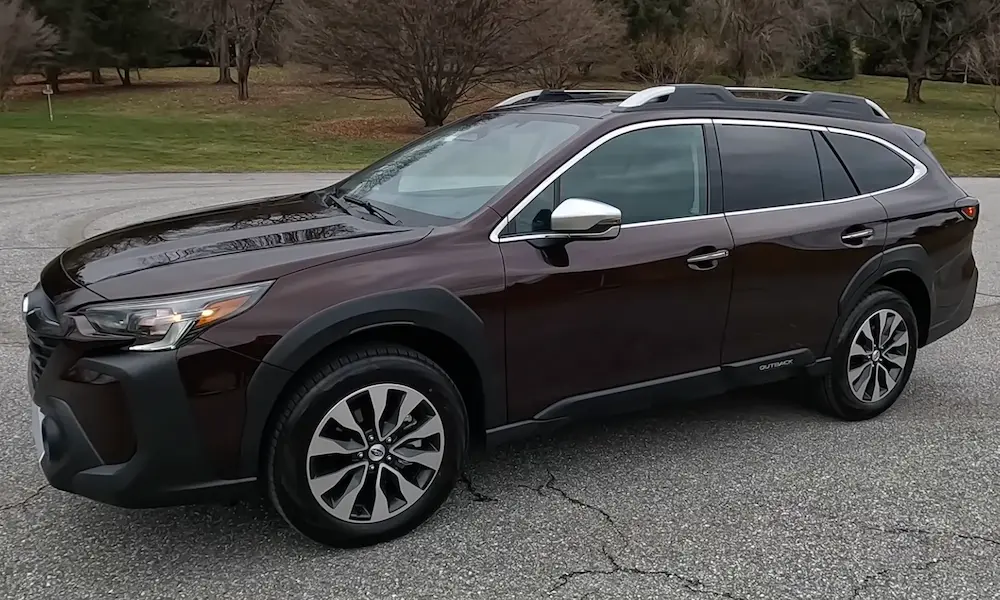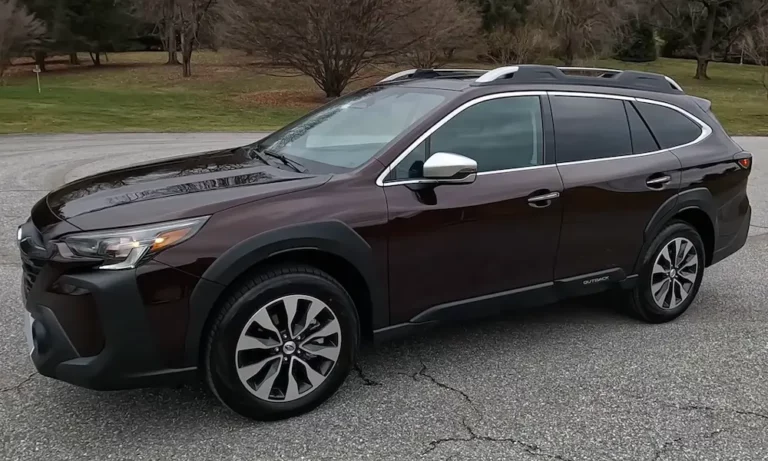
So you’ve got a Subaru Outback and you want to do more than grocery runs. Smart move — the Outback’s platform is genuinely capable, but a few smart Subaru Outback modifications can turn it into a proper backcountry machine. This guide covers everything from lift kits to ECU tuning, with the trade-offs you actually need to know before you spend a dime.
Lift Kits: How Much Is Too Much?
The Outback uses a MacPherson strut front and multi-link rear suspension — and both are sensitive to ride height changes. Go too high and you stress the CV axles, throw off your geometry, and invite premature wear.
The factory 2022+ Outback sits at 8.7 inches of ground clearance. The Wilderness trim pushes that to 9.5 inches through factory-tuned long-travel shocks. Aftermarket kits typically add 1–3 inches, but most experienced builders treat 2 inches as the practical ceiling before mechanical strain starts outweighing the benefits.
Here’s how the main lift methods stack up:
| Lift Type | Component Changed | Damping Impact | Geometry Correction | Example Brands |
|---|---|---|---|---|
| Spacer Lift | Top-hat spacers | None (keeps OEM) | Subframe spacers needed >1.5″ | LP Aventure, ADF |
| Lift Springs | Taller/stiffer springs | Higher rebound stress | Often missing subframe drop | RalliTEK, King Springs |
| Full Suspension Kit | Struts and springs | Upgraded damping | Built into design | Ironman 4×4, Flatout |
| Coilovers | Adjustable assembly | Custom valving | Highly modular | Flatout Suspension |
Don’t Forget Subframe Drop Spacers
Lifting the Outback increases the angle of your CV axles. More angle means more heat, more wear, and eventually joint failure. For any lift over 1.5 inches, subframe drop spacers are non-negotiable — they restore a neutral axle angle and keep your rear wheels centered in the arch under compression.
Sway Bar Trade-Offs
The factory sway bars keep body roll in check on pavement. Off-road, they fight you — limiting the suspension’s ability to articulate over uneven terrain. Quick-disconnect end links or rear sway bar removal improve trail traction, but compromise highway stability and electronic stability control effectiveness. It’s a genuine trade-off, not a free upgrade.
Tires: Sizing It Right Without Breaking the Powertrain
Swapping to all-terrain tires is the single biggest grip upgrade for Subaru Outback modifications. But picking the wrong size creates real problems — rubbing, speedometer error, and a sluggish powertrain.
Tire Size by Generation
Each Outback generation has different wheel well clearances. Here’s the practical breakdown from RalliTEK’s lifted tire size chart:
| Generation | Wheel Size | Max Diameter (Standard) | Aggressive Size | Required Offset |
|---|---|---|---|---|
| 1995–2009 | 15″ or 16″ | 27.9″ (215/70R16) | 29.0″ (235/65R17) | +15mm to +35mm |
| 2010–2014 | 17″ | 28.5″ (225/65R17) | 29.0″ (235/65R17) | +35mm |
| 2015–2026 | 17″ | 29.5″ (245/65R17) | 30.5″ (245/70R17) | +35mm |
Smaller wheels (15-inch) give you more sidewall. More sidewall means better cushioning on rough terrain and the ability to air down for improved traction in sand or mud. Just check your brake caliper size first — some Outback trims with larger calipers need a minimum 17-inch wheel.
The Rotational Mass Problem
Bigger AT tires are heavier than your OEM rubber. That extra rotational mass forces the engine to work harder at every speed. On the naturally aspirated 2.5L, this often shows up as sluggish response and more frequent CVT ratio hunting on highway grades. A tire that’s 5% larger in diameter also causes your speedometer to under-report by 5%. Factor this in before you finalize your tire choice.
Underbody Armor: Protect the Vulnerable Bits
Unibody vehicles don’t have heavy frame rails shielding critical components. The Outback’s oil pan, transmission, and fuel tank all sit exposed to rocks and obstacles. Underbody protection is essential for any serious trail use.
Skid Plate Priority Order
Most quality plates use 3/16-inch 6061-T6 aluminum — strong, light, and less likely to front-weight an already nose-heavy car.
- Engine/front skid plate — guards the oil pan and front differential. An oil pan puncture in the backcountry ends your trip (and possibly your engine).
- Transmission skid plate — the Lineartronic CVT is expensive to replace. High-centering on an unprotected trans pan is a costly mistake.
- Rear differential guard — small but important when backing over obstacles or navigating deep ruts.
Rock Sliders vs. Side Steps
Don’t confuse these. Side steps are decorative and collapse under vehicle weight. True rock sliders from brands like Crawford Performance use heavy-wall steel tubing, support the full vehicle weight, and actually add structural rigidity to the unibody midsection. They protect the rocker panels from trail rash and double as a step for accessing roof gear.
Performance Mods: Tuning the Engine You Have
The Outback runs one of two engines — the 2.5L naturally aspirated FB25 or the 2.4L turbocharged FA24F. Your options depend on which one sits under your hood.
Turbocharged FA24F (XT and Wilderness Trims)
This engine has serious headroom for gains. COBB Tuning’s Accessport platform lets you remap boost curves, fuel delivery, and ignition timing.
- Stage 1: Software-only recalibration. Smoother power delivery across the RPM range with no hardware changes.
- Stage 2: Adds high-flow intake tubes, charge pipes, and a larger top-mount intercooler. The intercooler matters most off-road — at low trail speeds, less air flows through the hood scoop, causing heat soak that kills performance.
Naturally Aspirated FB25 (Base and Premium Trims)
You can’t just bolt on a turbo kit and call it done — but you can sharpen up mid-range response. The main move here is the Billet Power Block from Crawford Performance. These intake manifold spacers lengthen the runners, improving cylinder filling at low-to-mid RPMs through basic air velocity physics. Independent dyno testing shows gains up to 15 hp and 22 lb-ft of torque — right in the torque dip where the 2.5L feels laziest on climbs and passing maneuvers.
| Engine | Best Mod | Expected Gain | Tuning Required | Brand |
|---|---|---|---|---|
| 2.4L Turbo | Stage 2 Power Package | Significant HP/TQ | COBB Accessport | COBB, Nameless |
| 2.5L NA | Billet Power Blocks | ~15 HP / 22 TQ | None (recommended) | Crawford Performance |
| All Models | High-flow air filter | Improved efficiency | None | K&N, AEM, aFe |
| All Models | Axle-back exhaust | Minor flow/acoustics | None | Nameless, Borla |
EyeSight Calibration: The Modification Everyone Ignores
This is the part most build guides skip over. It’s also the part that can get someone hurt.
What Goes Wrong After a Lift
Subaru’s EyeSight stereo cameras are calibrated to a precise relationship between the lens, the ground, and the vehicle’s centerline. Lift the vehicle 2 inches and the cameras see obstacles from a different angle. The system can miscalculate distances or fail to recognize objects in the road entirely.
The I-CAR collision repair industry standard mandates recalibration after any suspension modification, alignment change, or windshield replacement. Recalibration costs between $400 and $500 and requires specialized equipment. Some owners claim mild lifts don’t trigger error codes — but skipping recalibration is a real safety and liability risk.
Accessories That Interfere With EyeSight
- Dash cams: Mount behind the rearview mirror, outside the camera field of view. Proper mounting keeps wiper clearance intact and avoids lens obstruction.
- Light bars: Roof-mounted aux lights need enough setback so they don’t create hood glare that confuses the cameras.
- Hood decals: The Wilderness trim’s matte black hood decal isn’t just aesthetic — it reduces low-angle sun glare that can blind the EyeSight system.
Roof Racks and Cargo Systems
The Outback’s roof rail system varies by trim. Standard trims use retractable crossbars. The Wilderness and Onyx use fixed high-capacity rails rated to 700 lbs static load — enough for a rooftop tent and two adults.
| Rack Type | Static Load | Dynamic Load | Aero Impact | Best Use |
|---|---|---|---|---|
| Factory Retractable | ~450 lbs | ~150 lbs | Minimal | Skis, light cargo boxes |
| Wilderness Fixed Rails | ~700 lbs | ~220 lbs | Moderate | Small RTTs, gear pods |
| Platform Rack (Prinsu, Front Runner) | 700–1,000 lbs | 300–800 lbs | High | Full overlanding setups |
Platform racks distribute rooftop tent static weight across the full roof structure — critical for anything heavier than a cargo box. Crossbars work fine for bikes, kayaks, and lighter loads.
Interior and Electrical Upgrades
Sleeping and Organization
Luno Life makes inflatable mattresses contoured for the Outback’s wheel wells — a meaningful detail if you’ve tried fitting a generic inflatable into this car. Canvasback cargo liners use hook-and-loop fasteners that grip factory carpeting and extend behind the second row for full coverage.
Useful add-ons:
- Seatback organizers — convert the rear of front seats into storage for tablets, gear, and trail maps
- MOLLE window grids — attach fire extinguishers and recovery gear without eating floor space
- Auto start-stop eliminator — plug-and-play module that kills the frustrating auto stop-start during off-road crawling
Lighting and Power
Hood hinge ditch light brackets from CAtuned mount small LED pods without interfering with hood movement. Baja Designs offers fog light replacement kits with amber lenses for improved visibility in dust and snow.
On the electrical side, the factory battery is a known weak point in recent Subaru models. AGM battery upgrades handle deeper discharge cycles and resist vibration better than standard lead-acid units. Some overlanders add flexible solar panels on the hood for continuous trickle charging at camp — particularly useful on longer trips where shore power isn’t an option.
Build Smart, Not Just Big
Every Subaru Outback modification has a ripple effect. Bigger tires add rotational mass. A lift changes your EyeSight camera angles. A rear sway bar delete improves articulation but softens your emergency handling. The builds that work best respect the platform’s engineering while pushing it in focused, deliberate directions. Prioritize protection and traction first, tune the electronics second, and add comfort and utility last. That order saves money and prevents headaches.