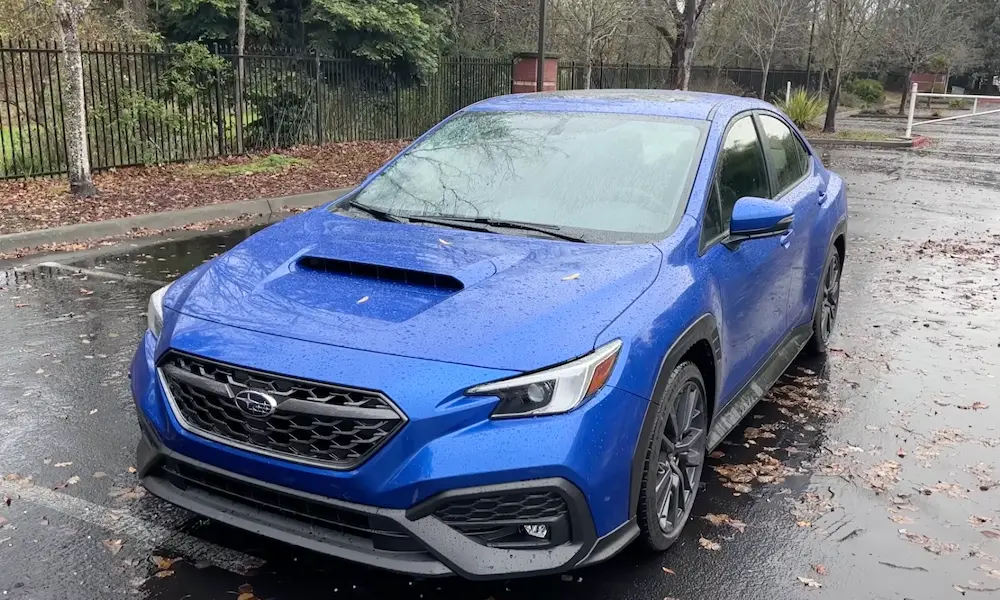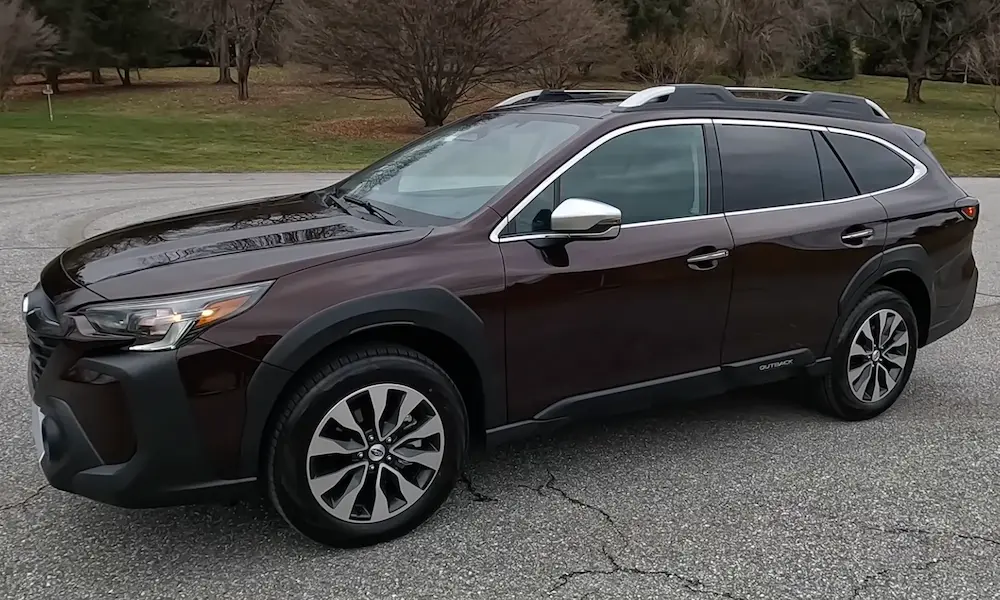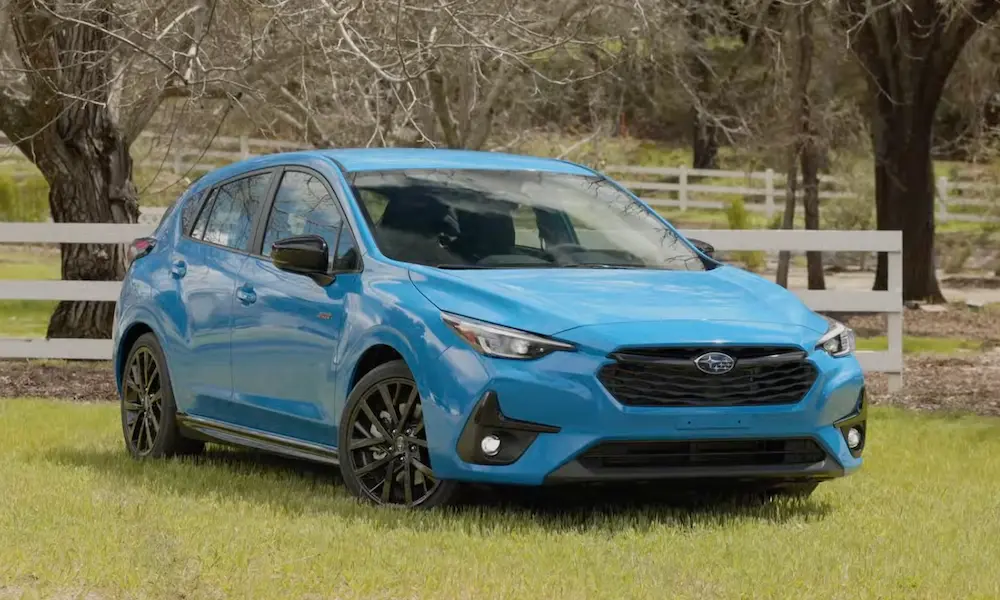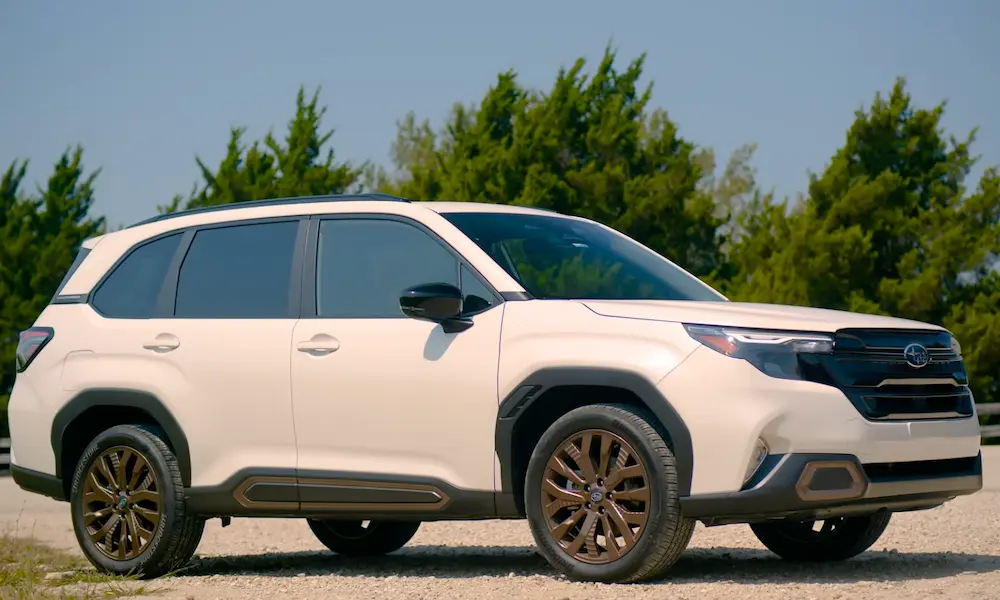
Subaru’s CVT has a reputation — and not always a good one. If your Outback shudders, your Forester hesitates, or your Crosstrek sounds like a dying vacuum cleaner, this post might explain why. We’ll cover the real failure modes, what Subaru’s done about them legally, and what you can do right now to protect your transmission.
What Makes the Subaru CVT Different (And Why It Still Fails)
Subaru’s CVT — called the Lineartronic — uses a steel chain instead of the rubber belt most competitors use. That’s actually a genuine advantage. The chain handles more torque and lasts longer under stress. It also had to work with Subaru’s symmetrical AWD system, which adds complexity from day one.
But here’s the thing: a better design doesn’t mean a problem-free one. Subaru CVT transmission problems have triggered massive warranty extensions, multiple class-action lawsuits, and dozens of Technical Service Bulletins. The engineering is clever. The execution? Spotty, especially for 2010–2018 models.
There are two main Lineartronic variants you’ll encounter:
- TR690 — bigger, designed for higher torque (turbocharged engines, 3.6L six-cylinder)
- TR580 — lighter, used in most naturally aspirated four-cylinder models
The table below shows which unit your car uses:
| Model | Year Range | Engine | Transmission |
|---|---|---|---|
| Legacy / Outback | 2010–2012 | 2.5L NA | TR690 |
| Legacy / Outback | 2013–2018 | 2.5L NA | TR580 |
| Impreza | 2012–2018 | 2.0L NA | TR580 |
| Crosstrek | 2013–2018 | 2.0L NA | TR580 |
| Forester | 2014–2018 | 2.5L NA | TR580 |
| Forester | 2014–2018 | 2.0L Turbo (XT) | TR690 |
| WRX | 2015–2018 | 2.0L Turbo | TR690 |
| Ascent | 2019+ | 2.4L Turbo | TR690 |
One structural quirk worth knowing: in the TR580, the chain reverses direction when you switch between Drive and Reverse. That’s why you sometimes feel a pause during slow garage maneuvers. It’s not always a sign of failure — it’s just how the unit works. But it can become a problem as the transmission ages.
The Warning Signs You Shouldn’t Ignore
Subaru CVT transmission problems rarely appear out of nowhere. They build gradually, and if you catch them early, you can avoid a catastrophic (and expensive) failure.
Whining or Droning Noises
A high-pitched whine that changes with vehicle speed — not engine RPM — often points to fluid aeration or bearing wear. When CVT fluid degrades, it foams. The oil pump then cavitates trying to move that aerated fluid, which creates the whine. Left alone, that leads to insufficient clamping pressure on the pulleys — and then chain slip.
Shuddering During Low-Speed Acceleration
That “rumble strip” feeling at 10–25 mph? It’s usually the torque converter lock-up clutch struggling to engage cleanly, or early-stage micro-slippage in the variator. This is one of the earliest and most common Subaru CVT symptoms and it’s absolutely worth investigating before it gets worse.
The “Rubber Band” Effect
You press the gas, the RPMs climb, but the car doesn’t accelerate proportionally. It feels like the engine is revving into nothing. That lag usually means the variable pulleys aren’t adjusting ratios fast enough — often because of a valve body issue or internal hydraulic pressure leak. According to technical service documentation, this kind of hesitation can precede complete transmission failure.
RPM Spikes Without Speed Increase
This is chain slip — the most serious symptom on this list. The chain is literally sliding across the pulley faces instead of gripping them. Every second it slips, it grinds microscopic metal into your fluid and scores your pulleys. Once the pulleys are scored, the unit can’t be repaired. You’re looking at a full replacement.
When slip gets bad enough, the transmission enters Limp Mode — a protective software state that locks you into a single gear ratio and caps your power output. If your AT warning light comes on and your car suddenly drives like it has no power, that’s likely what happened.
The Three Main Failure Modes Explained
1. Torque Converter Stalling (TR690, 2010–2012)
Early TR690 units had a nasty habit of stalling at a complete stop — exactly like a manual transmission would if you forgot to press the clutch. The culprit was a worn thrust washer inside the torque converter. As it wore down, debris blocked the oil passage that releases the lock-up clutch. The converter stayed locked, the car rolled to a stop, and the engine stalled.
Subaru addressed this through TSB 16-90-13 by replacing the solid thrust washer with a needle-bearing assembly. If you own a 2010–2012 Legacy or Outback with the 2.5L or 3.6L and you haven’t had this checked, ask your dealer.
2. Valve Body and Solenoid Failure
The valve body is the hydraulic brain of the transmission. It uses solenoids to control the clamping pressure that keeps the chain from slipping. When a solenoid fails — either electrically or mechanically — you lose precise pressure control.
The most common failure here is the Torque Converter Clutch lock-up solenoid, which triggers DTC P2763. Subaru’s official repair is a full valve body replacement at $1,200–$2,500. Aftermarket solenoid kits exist, but they require precision soldering — not a weekend DIY job for most people.
3. Chain Slip and Scored Pulleys
This is the end-stage failure. When clamping pressure drops too low — from degraded fluid, a failing valve body, or software errors — the chain slides instead of grips. The TCM monitors primary and secondary pulley speeds and can detect when they don’t match. Codes like P0841 or P0741 often show up at this stage.
Once the polished pulley faces are scored, there’s no machining them smooth again. The entire unit needs replacement.
The “Lifetime Fluid” Myth That’s Killing Transmissions
This is probably the single biggest contributor to Subaru CVT transmission problems — and it’s largely self-inflicted.
For years, Subaru of America told owners the CVT fluid never needed changing under normal conditions. Independent transmission specialists and even Subaru dealers in Canada and Japan strongly disagreed. CVT fluid isn’t just a lubricant — it’s a hydraulic medium that needs a precise friction coefficient to function. Heat shears it, time oxidizes it, and metal particles contaminate it.
Here’s what the data actually supports:
| Driving Condition | Recommended Change Interval | Why It Matters |
|---|---|---|
| Standard commuting | Every 60,000 miles | Prevents oxidation and sludge buildup |
| Mountain driving / short trips | Every 25,000–30,000 miles | Reduces thermal shearing |
| Towing or off-road use | Every 25,000 miles | Protects clamping pressure and cooling |
Also critical: use the right fluid. Subaru uses three different CVT fluids, and they’re not interchangeable:
- CVTF II (Green) — standard for most TR580 and TR690 naturally aspirated models
- High Torque CVTF (Orange/Amber) — for WRX, Forester XT, and Ascent
- CVTF III (Low Viscosity Green) — newer models focused on fuel efficiency
Using the wrong fluid, or mixing types, causes increased noise, shuddering, and accelerated bearing wear. Your dealer or a transmission specialist can confirm which fluid your car needs.
What Subaru Did About It Legally
The failure rate was bad enough that Subaru faced serious legal consequences.
The 10-Year/100,000-Mile Warranty Extension
Subaru extended the CVT warranty on most 2010–2018 models from 5 years/60,000 miles to 10 years/100,000 miles. This extension applied automatically. If you previously paid out-of-pocket for a covered CVT repair, you were eligible for reimbursement.
The Subaru Ascent Class Action Settlement
The 2019–2020 Ascent had CVT trouble linked to the demands of its 2.4L turbo engine. The class-action settlement (Hickman v. Subaru, resolved 2024) provided:
- A 100,000-mile warranty extension for affected Ascent owners
- Vouchers worth up to $750 for owners who had two or more documented CVT repair visits
If you own a 2019–2020 Ascent and haven’t checked your eligibility, it’s worth a look at Top Class Actions.
The Transmission Relearn: Don’t Skip This Step
Here’s something most people don’t know: after any significant CVT work — fluid change, valve body swap, full replacement — the transmission needs an electronic calibration called a Learning Control Procedure.
Using the Subaru Select Monitor 4 (SSM4) or a compatible professional scan tool, a technician cycles through the gear selector in a specific sequence while the transmission fluid sits at a precise temperature. The TCM then monitors clutch engagement time. If engagement takes longer than 1.5 seconds, it adjusts internal hydraulic pressure until the engagement is both fast and smooth.
Skip this step, and harsh shifting and premature wear follow — even on a brand-new transmission.
What a CVT Repair Actually Costs
Outside of warranty coverage, these are the numbers you’re facing:
- Full transmission replacement: $4,000–$7,000 for parts, up to $9,000 with labor
- Valve body replacement: $1,300–$2,500
- Used/salvage unit: $1,500–$3,000 — but with zero guarantee the previous owner maintained the fluid
The cheapest path is always prevention. A $150–$200 fluid service every 30,000–60,000 miles is infinitely better than a $7,000 transmission replacement.
The Bottom Line on Subaru CVT Transmission Problems
The Lineartronic CVT isn’t a bad transmission when it’s maintained correctly. The chain-driven design genuinely is more robust than belt-driven competitors. But “more robust” isn’t the same as “indestructible,” and the “lifetime fluid” guidance has led thousands of owners straight into expensive failures.
If you own a 2010–2018 Subaru, check your warranty status first. Then get your CVT fluid on a regular service schedule — 30,000 miles for most drivers, 25,000 if you tow, haul, or live somewhere hilly. Know the early warning signs: whining, shuddering, hesitation, and RPM spikes. Catch them early, and your Lineartronic has a genuine shot at lasting well past 150,000 miles. Ignore them, and you’ll be facing one of the most expensive repair bills in the Subaru ownership experience.