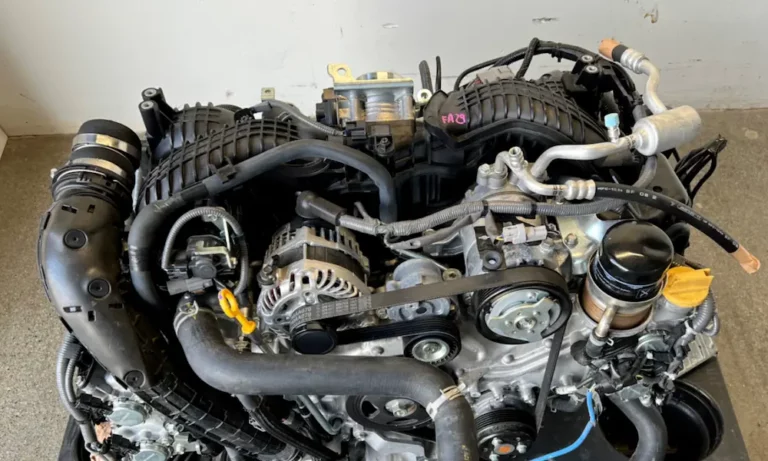
Shopping for a Subaru with the 2.4 turbo engine? You’re probably wondering if it’ll leave you stranded or drain your wallet. Let’s cut through the marketing hype and get real about what this engine can (and can’t) handle.
What Makes the FA24 Turbo Different
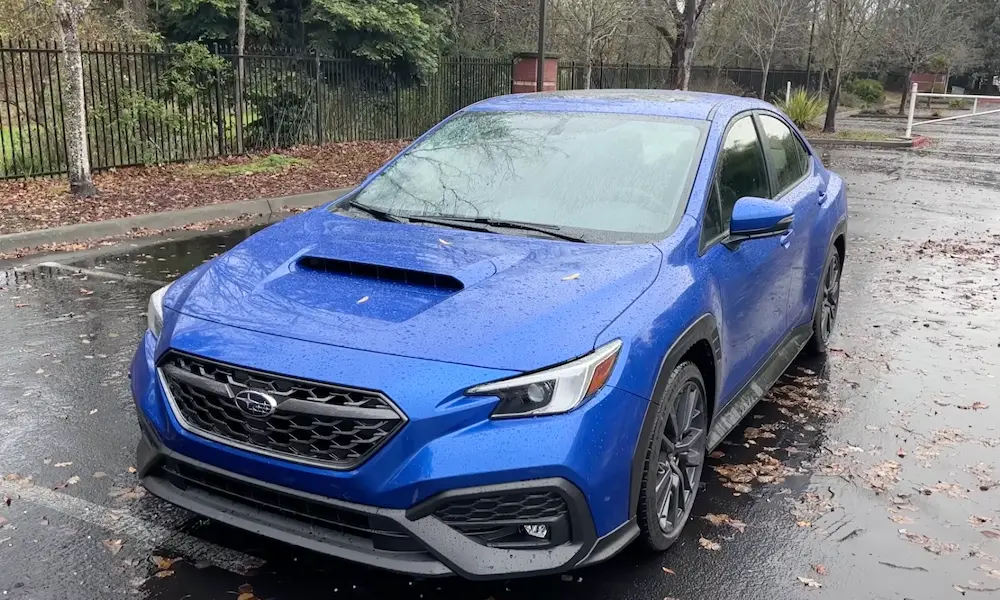
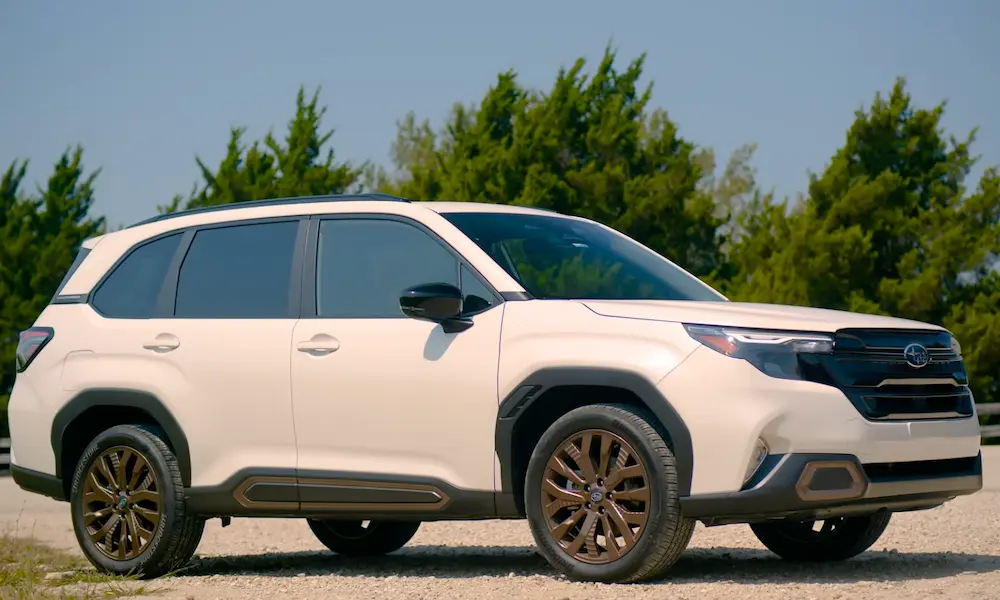
Subaru’s 2.4-liter turbocharged engine—officially called the FA24—showed up in 2019 and quickly spread across their lineup. You’ll find it in the Ascent, WRX, Outback XT, and Legacy XT. It’s a big deal because Subaru finally addressed the major headaches from their older turbocharged engines.
The FA24 pumps out 260 horsepower and 277 lb-ft of torque while sipping fuel more efficiently than you’d expect. It hits 23/30 mpg city/highway, which isn’t bad for a turbocharged boxer engine hauling all-wheel drive.
Here’s what sets it apart: Subaru beefed up the internals with connecting rods twice as thick as the old WRX STI engine. They also ditched the troublesome port injection for direct injection, which helps prevent pre-ignition knock. Plus, there’s a factory oil cooler—something the previous FA20DIT desperately needed.
The cylinder walls are thicker too. This matters because it gives the engine better structural integrity when you’re pushing boost through it.
The Problems You Should Actually Worry About
No engine’s perfect, and the FA24 has its quirks. The good news? These issues pop up way less often than with older Subaru turbo engines.
Oil Pan Leaks Strike Early
This one’s frustrating. Oil pan gasket leaks can show up before you hit 10,000 miles. Subaru knows about it—they’ve issued service bulletins and typically cover repairs under warranty.
If you’re out of warranty, expect to pay $400-500. The repair’s a pain because mechanics need to drop the skid plate and exhaust components just to reach the oil pan.
Rod Bearing Failures Still Happen
Subaru’s boxer engines have always been touchy about rod bearings, and the FA24 hasn’t completely escaped this problem. The issue comes down to surface area—Subaru’s bearings are relatively small and hate contaminated oil.
When things go wrong, you’ll hear knocking from the engine. Repair costs run $2,000-3,000 for bearing replacement. Worst case? You’re looking at a complete engine rebuild or replacement.
The fix is simple though: change your oil religiously and use quality filters. Seriously, don’t skimp here.
Carbon Buildup Is Guaranteed
Direct injection engines have a dirty secret—literally. Without fuel washing over the intake valves, carbon gunk builds up and chokes performance.
You’ll notice rough idling, crappy fuel economy, misfires, and power loss. Walnut blasting (yeah, that’s a real thing) is the professional fix, costing $800-1,200.
Most FA24 engines need this service between 40,000-60,000 miles. Factor this into your ownership costs from day one.
The RTV Sealant Mess
Early FA24 engines, especially in the BRZ and GR86, had assembly line workers getting a bit too generous with RTV sealant. Chunks would break off and clog the oil pickup screen.
Subaru fixed this by redesigning the oil pickup screen and tightening assembly procedures. Newer models don’t see this issue much. Still, if you’re buying used, check whether the previous owner experienced this problem.
Track Day Warriors: You’ve Got Issues
Planning to flog your Subaru at the track? The FA24 has a weakness you need to know about.
Oil starvation during hard cornering is real, especially in right-hand turns. The boxer engine design lets oil get trapped in the cylinder heads during high-g cornering. It struggles to flow back to the oil pan where the pump can grab it.
The problem gets worse because the FA24 flows oil at a ridiculous rate—48.9 quarts per minute at 6,000 RPM. That’ll drain the pan quick during sustained cornering.
Aftermarket baffles help a little. For serious track use, you’re looking at dry sump conversions or AccuSump systems. Both are expensive and complicated.
If you’re just hitting autocross occasionally, you’ll probably be fine. But dedicated track junkies should consider this a dealbreaker unless you’re ready to throw money at oil system upgrades.
What Maintenance Actually Costs
The FA24 isn’t a set-it-and-forget-it engine. Subaru recommends oil changes every 6,000 miles using full synthetic. Most mechanics and owners say 3,000-5,000 miles is smarter, especially if you drive hard.
You’ll need 0W-20 synthetic oil (some 2025 models switched to 0W-16). That’s not expensive, but the frequency adds up.
Here’s what else you’re signing up for:
| Service | Interval | Cost Range |
|---|---|---|
| Oil changes | 3,000-5,000 miles | $60-90 |
| CVT fluid change | 30,000-60,000 miles | $150-300 |
| Spark plugs | 60,000 miles | $200-400 |
| Carbon cleaning | 40,000-60,000 miles | $800-1,200 |
Over 100,000 miles, budget $4,500-5,500 for routine maintenance alone. That doesn’t include brakes, tires, or surprise repairs.
Compare that to a Honda or Toyota engine, and yeah, Subaru ownership costs more.
How Long Will It Actually Last?
Consumer Reports gave Subaru their “Best Overall Brand” title in 2025, with a reliability score of 68/100. Not bad, but not Toyota-level either.
The FA24 is still relatively new, so we’re just starting to see high-mileage examples. The early reports are encouraging though. Ascent owners report trouble-free operation past 100,000 miles when they stick to maintenance schedules.
Tuners are impressed too. Professional tuning shops say they’re seeing way fewer engine failures compared to older Subaru platforms. The beefed-up internals handle extra boost surprisingly well with proper supporting mods.
How It Stacks Up Against Older Subaru Engines
Remember the notorious EJ25 head gasket failures? Or the FA20DIT’s litany of problems? The FA24 is lightyears better.
Subaru eliminated the head gasket issues with improved sealing technology. The strengthened bottom end addresses two major weak points from earlier turbocharged engines.
Is it perfect? Nope. But it’s the most reliable turbocharged engine Subaru’s ever built. That’s not a high bar, but it’s real progress.
Different Models, Different Reliability
Not all FA24 engines live the same life. A WRX getting thrashed by an enthusiast faces different stresses than an Ascent hauling kids to soccer practice.
WRX applications tend to see issues sooner because of aggressive driving and modifications. Family haulers like the Ascent and Outback generally rack up miles with fewer problems when properly maintained.
Subaru keeps refining the engine too. 2025 models got updated engine control modules and better transmission integration. Newer examples will likely prove more reliable than early production units.
Should You Buy One?
Here’s the honest truth: the FA24 turbo represents real improvement in Subaru 2.4 turbo reliability compared to what came before. It’s a solid choice if you want all-wheel drive, turbocharged performance, and the unique character of a boxer engine.
But you’re trading convenience for capability. The FA24 demands more attention than a Honda K-series or Toyota’s D4S engines. Oil changes can’t slide. Carbon cleaning isn’t optional. And if you ignore warning signs, repairs get expensive fast.
You should buy a vehicle with the FA24 if:
- You value Subaru’s AWD system and outdoor capability
- You’re willing to stay on top of maintenance
- You can budget for higher ownership costs
- You don’t need absolute maximum reliability
Skip it if:
- You want minimal maintenance hassles
- You’re on a tight budget
- You plan serious track use without major mods
- Reliability trumps everything else
The FA24 won’t pamper you, but it’ll deliver if you hold up your end of the deal. Treat it right, and you’ll likely see six figures on the odometer without major drama. Neglect it, and you’ll get acquainted with your mechanic real quick.
For Subaru fans who understand what they’re getting into, it’s their best turbocharged option yet. Just don’t expect Toyota reliability with Subaru maintenance habits.