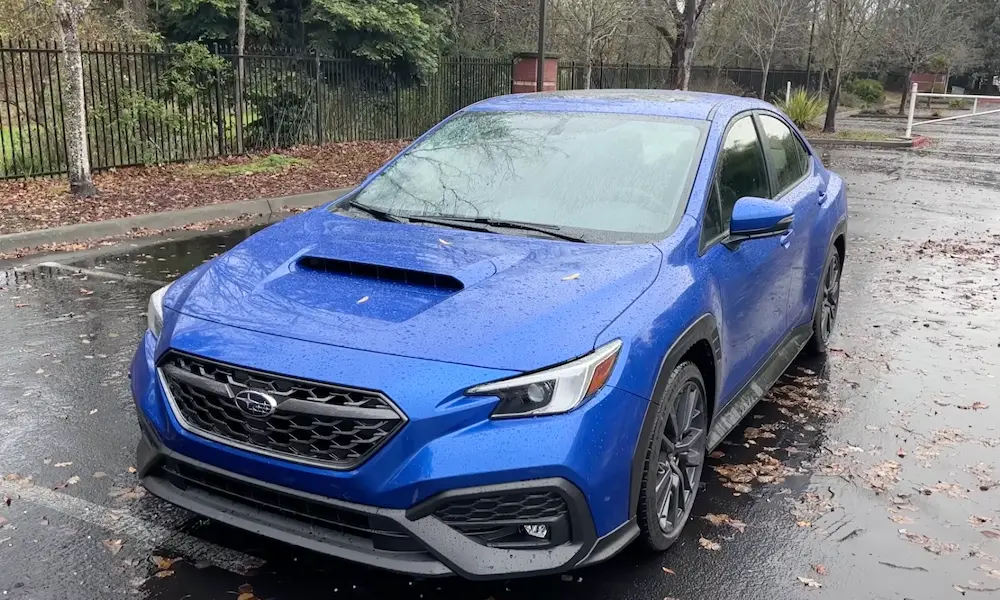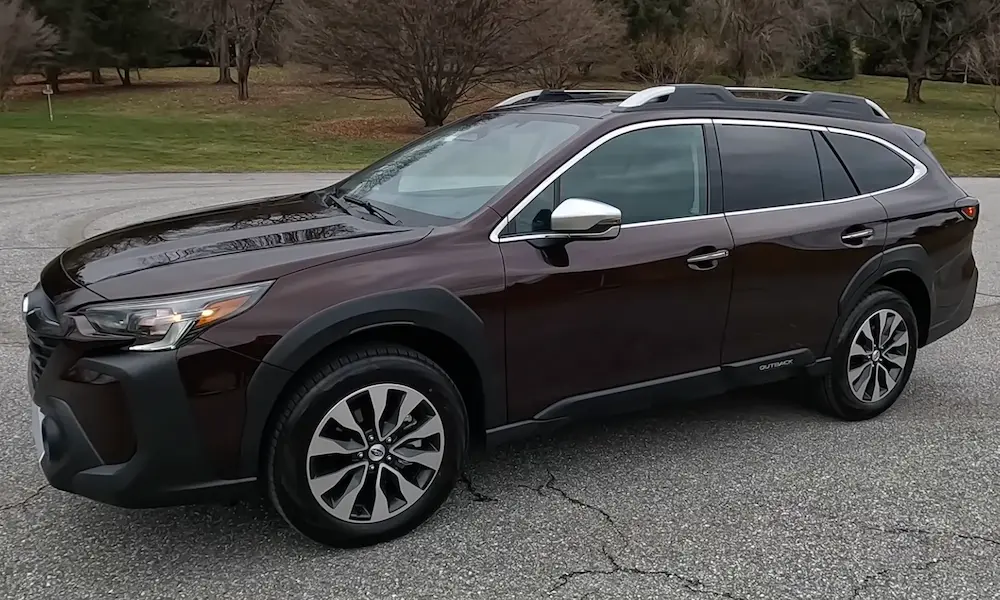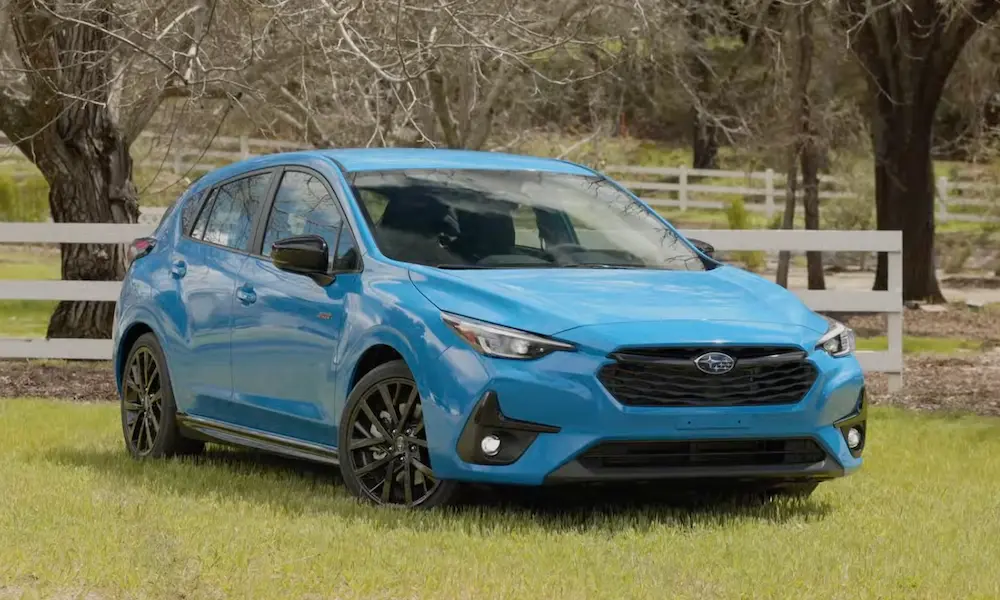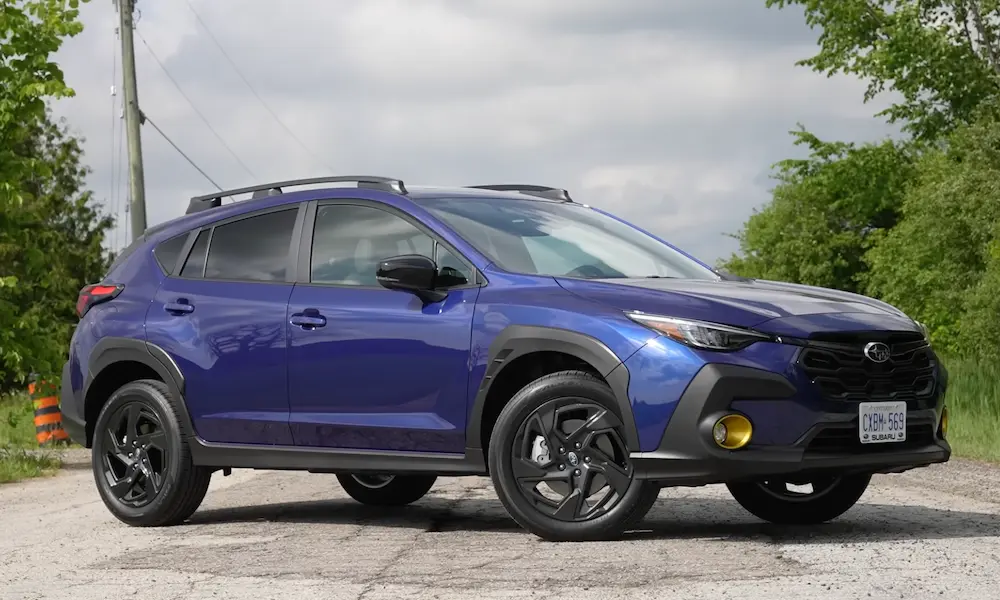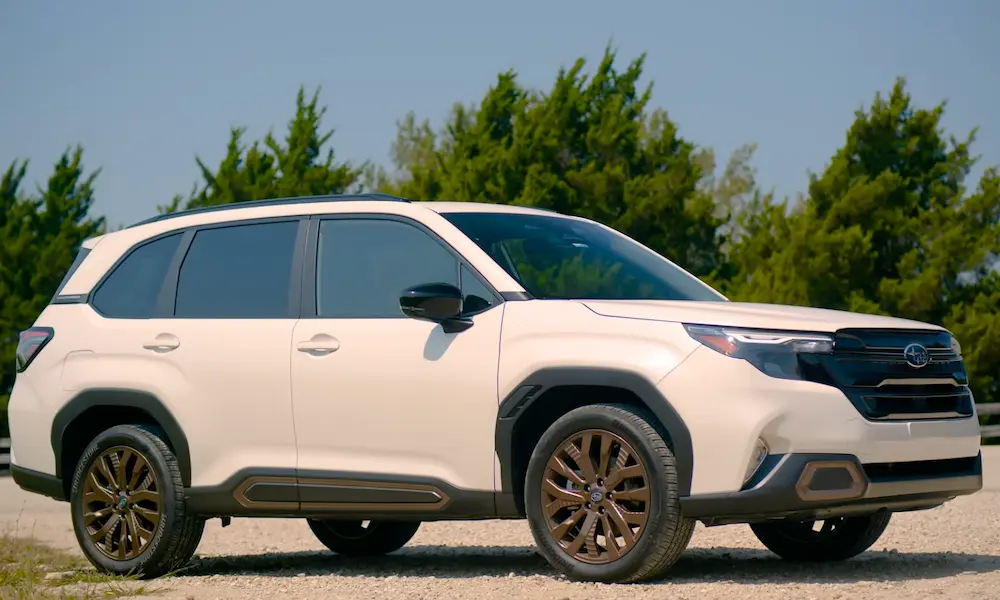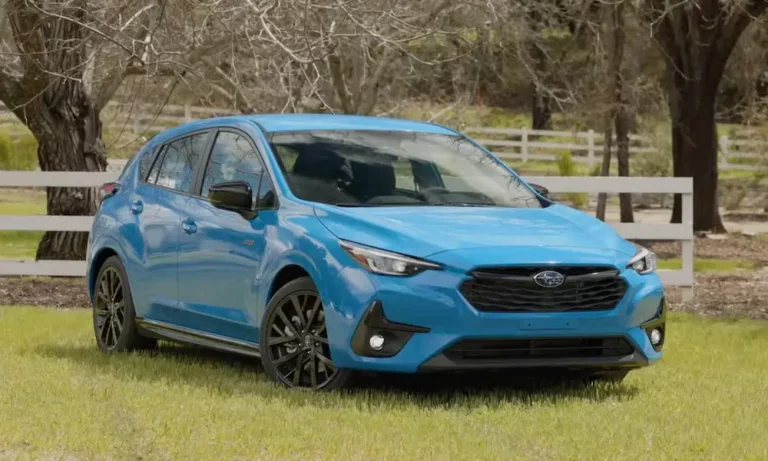
Hearing a mysterious rattle when you press the gas pedal in your Subaru can be both annoying and concerning. Is it just a loose heat shield or something more serious? If you’ve been trying to identify that unsettling sound coming from your Outback, Forester, WRX, or Crosstrek, you’re in the right place. Let’s dive into what’s causing that racket and how to fix it before it becomes a bigger headache.
Heat Shield Rattle: The Most Common Culprit
If your Subaru makes a metallic rattling noise during acceleration, there’s a good chance it’s a heat shield issue. These thin metal sheets protect your exhaust components from heat damage, but they’re notorious for getting loose over time.
Why Heat Shields Come Loose
Heat shields develop rattles for several simple reasons:
- Rust corroding the mounting hardware
- Normal vibration loosening fasteners over time
- Metal expansion and contraction from heating cycles
You’ll typically hear this high-pitched metallic sound that gets louder when you accelerate and often disappears when you let off the gas. Many Subaru owners joke that the heat shield rattle is practically a “signature feature” of their vehicles.
How to Confirm It’s a Heat Shield
Try this quick test: When your car is safely parked (and cool!), crawl underneath and tap the heat shields around your exhaust system with a screwdriver handle. If you hear the same rattle, you’ve found your culprit. Heat shields are typically located around the catalytic converter, downpipes, and exhaust resonators.
DIY Heat Shield Fixes
You don’t need to spend a fortune fixing heat shield rattles:
- Hose clamp method: Wrap stainless steel hose clamps around the heat shield and exhaust pipe to secure them together
- Sheet metal screws: Add screws to tighten loose sections (be careful not to puncture the exhaust)
- Heat-resistant zip ties: For a quick temporary fix
These DIY solutions typically cost $5-50 and can be done in under an hour with basic tools. Many Subaru owners have successfully eliminated their heat shield rattles using these methods.
Engine Knock: When the Rattle Spells Trouble
If you’re hearing a deeper, more rhythmic knocking sound rather than a high-pitched rattle, you might be dealing with engine knock. This is a more serious issue that needs immediate attention.
What Causes Engine Knock in Subarus
Engine knock (also called detonation) happens when fuel ignites prematurely in the combustion chamber. In Subarus, it’s commonly caused by:
- Using the wrong fuel grade: Particularly in turbocharged models like the WRX and STI that require premium fuel
- Carbon buildup: Especially problematic in direct-injection engines where deposits form on intake valves
- Malfunctioning knock sensors: These components detect knock and adjust timing, but when they fail, knock gets worse
- Failing ignition components: Worn spark plugs or ignition coils can cause misfires that sound like knocking
How to Identify Engine Knock
Engine knock typically:
- Sounds like a metallic pinging or knocking
- Occurs between 2,000-3,000 RPM under load
- Gets worse when climbing hills or accelerating hard
- May trigger a check engine light with codes P0325-P0328
If your Subaru has these symptoms, don’t ignore them. Engine knock can quickly lead to serious damage to pistons, bearings, and cylinder heads if left unchecked.
Addressing Engine Knock
Start with these steps:
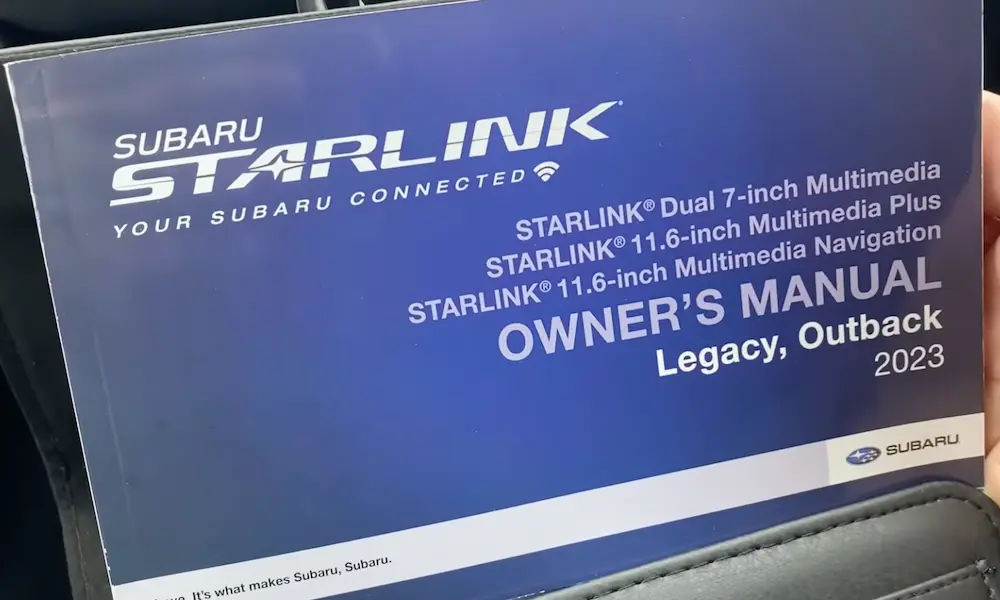
- Switch to the correct octane fuel recommended in your owner’s manual
- Get a diagnostic scan for knock sensor codes
- Consider a carbon cleaning service if you’ve driven over 30,000 miles
- Have compression and leak-down tests performed if the problem persists
Proper diagnosis is crucial, as knock sensor issues can sometimes mimic other problems.
CVT Transmission Rattles: Chain Noise Concerns
Newer Subaru models equipped with Continuously Variable Transmissions (CVT) can develop their own unique rattling sounds, which many owners describe as a “chain noise.”
Common CVT Rattle Symptoms
The typical CVT rattle in Subarus:
- Sounds like a metallic chain noise
- Usually occurs during light acceleration
- Is most noticeable around 1,400-1,500 RPM
- May be accompanied by slight vibrations
Many Subaru owners have reported this issue, particularly in models manufactured after 2010.
What’s Happening Inside Your CVT
Unlike traditional automatic transmissions, CVTs use a steel belt or chain running between pulleys to provide infinite gear ratios. When components wear or fluid degrades, these moving parts can create noise during transitions between ratios.
| CVT Noise Type | When It Occurs | Likely Cause |
|---|---|---|
| Chain rattle | Light acceleration | Belt/chain wear or tension issues |
| Whining | Constant speed | Low fluid or pump problems |
| Clunking | Shifting from P to D | Torque converter or valve body issues |
CVT Maintenance and Solutions
If your Subaru’s CVT is making noise:
- Check the transmission fluid level and condition first
- Make sure you’re using genuine Subaru CVT fluid
- Consider a fluid change if you’re approaching 60,000 miles
- Have the transmission mounts inspected for wear
Good news: Subaru extended warranties on many CVT transmissions to 10 years/100,000 miles due to known issues. If your vehicle is covered, the repair could be free.
Motor Mount Problems: The Clunking Culprit
Worn or broken motor mounts can cause alarming rattles and clunks when accelerating, especially in Subarus with their unique boxer engine layout.
How to Spot Bad Motor Mounts
Failing engine mounts typically cause:
- Clunking sounds during acceleration or when shifting gears
- Excessive engine movement visible when revving
- Increased vibration felt inside the cabin
- Rattling that changes when engine load changes
Subaru’s horizontal boxer engine design places unique stresses on motor mounts. Many owners report that these mounts can fail earlier than expected, especially in higher-mileage vehicles.
Checking Your Motor Mounts
Here’s a simple test: With the car in park and someone watching the engine bay, gently rev the engine. If the engine moves excessively or rocks back and forth dramatically, your motor mounts are likely worn.
Focus on these mounts:
- Front engine mounts (2)
- Rear transmission mount
- Pitch stop mount (particularly important in turbocharged models)
Replacing motor mounts typically costs between $200-600 per mount with professional installation, depending on which mounts need replacement and whether you choose OEM or aftermarket parts.
Exhaust System Rattles: Beyond Heat Shields
While heat shields are the most common source of exhaust rattles, other exhaust components can also create noise during acceleration.
Exhaust Bracket Failures
Exhaust hangers and brackets are designed to support your exhaust while allowing for thermal expansion. These components frequently fail in Subarus due to:
- Road salt corrosion in winter regions
- Metal fatigue from constant heating/cooling cycles
- Impact damage from road debris or bottoming out
When brackets fail, sections of your exhaust can move and contact the vehicle’s undercarriage during acceleration, creating distinctive rattling or scraping sounds.
Muffler and Resonator Issues
Internal components inside mufflers and resonators can break loose over time. When this happens, you’ll hear rattling that seems to come from inside the exhaust itself rather than from contact with other parts.
Signs of internal muffler problems include:
- Rattling that changes pitch with engine RPM
- Noise that’s loudest near the rear of the vehicle
- Rattling that persists even when the car is stationary
Replacing damaged exhaust components costs between $150-800 depending on which parts need attention and whether you choose OEM or aftermarket options.
Diagnosing Your Specific Rattle
Use this diagnostic approach to narrow down your Subaru’s rattle:
Step 1: When and Where Is the Noise Occurring?
Document these details:
- At what RPM range do you hear the noise?
- Does it happen only during acceleration or also at steady speeds?
- Does the noise change with engine temperature?
- Can you pinpoint which area of the car it’s coming from?
Step 2: Visual Inspection
With the engine off and cool:
- Check all heat shields for looseness
- Inspect exhaust hangers and brackets for damage
- Look for signs of exhaust leaks (black soot around connections)
- Check engine and transmission mounts for cracks or deterioration
Step 3: Eliminate Possibilities
Try these tests to narrow it down:
- If you suspect heat shields, tap them with a tool to see if you can reproduce the sound
- For potential engine knock, try a higher octane fuel for a tank or two
- For possible CVT noise, notice if the sound changes when transmission fluid is cold vs. warm
This systematic approach helps identify the true source before spending money on unnecessary repairs.
Prevention: Keeping Your Subaru Rattle-Free
Preventing rattles is easier and cheaper than fixing them. Here’s how to keep your Subaru running smoothly:
Maintenance Practices That Prevent Rattles
- Use the correct fuel grade for your specific Subaru model
- Change oil regularly to prevent carbon buildup and engine deposits
- Have heat shields inspected during routine service visits
- Check and tighten exhaust components annually, especially if you drive on rough roads
- Address check engine lights promptly rather than ignoring them
When to Consider Carbon Cleaning
Direct-injection engines (common in newer Subarus) are prone to carbon buildup on intake valves. Consider a professional carbon cleaning service:
- Every 30,000-50,000 miles for turbocharged models
- If you notice performance issues like hesitation or rough idle
- If you’ve experienced knocking or pinging sounds
This preventive service costs $300-600 but can prevent more expensive repairs later.
Repair Costs: What to Expect
Repair costs for Subaru rattles vary widely depending on the cause:
| Issue | DIY Cost | Professional Repair |
|---|---|---|
| Heat shield rattle | $5-50 | $100-200 |
| Engine knock (sensor) | $50-150 | $200-400 |
| Engine knock (internal) | Not DIY-friendly | $2,000-4,500+ |
| CVT chain noise | Not DIY-friendly | $2,000-4,000 |
| Motor mount replacement | $80-150 per mount | $200-600 per mount |
| Exhaust bracket repair | $20-80 | $150-300 |
Many Subaru owners have successfully addressed heat shield rattles themselves using the DIY methods mentioned earlier. For more serious issues like engine knock or CVT problems, professional diagnosis is worth the investment to avoid costlier repairs down the road.
The Bottom Line on Subaru Rattles
That annoying rattle in your Subaru is trying to tell you something. While heat shields are the most common and benign cause, don’t assume that’s always the case. Taking time to properly diagnose the sound can save you thousands in potential repairs and keep your Subaru running smoothly for miles to come.
Listen carefully to when and where the noise occurs, use the diagnostic steps outlined above, and don’t hesitate to get professional help for more complex issues like engine knock or transmission problems. Your Subaru will thank you with many more quiet, rattle-free miles.