When your Kia’s check engine light starts flashing and your car suddenly loses power, panic sets in. If your diagnostic tool shows code P1326, you’re facing one of the most significant warning signals in Kia vehicles. But what exactly does this code mean, and what should you do about it? Let’s break down everything you need to know about the Kia P1326 code.
What is the Kia P1326 Code?
The P1326 code is a manufacturer-specific diagnostic trouble code used exclusively by Kia and Hyundai vehicles. It’s not just any ordinary engine code – it’s a critical warning from your vehicle’s Knock Sensor Detection System (KSDS) that has detected vibration patterns consistent with connecting rod bearing wear.
Think of P1326 as your engine’s desperate cry for help. When your car’s computer triggers this code, it’s saying, “I’ve detected abnormal vibrations that suggest your engine bearings are failing.” This isn’t a minor issue – it’s a potential catastrophe in the making.
When the KSDS detects these problematic vibrations, it immediately puts your engine into protection mode, limiting RPMs to around 1800-2000 to prevent further damage. That’s why your car suddenly feels like it’s lost all its power.
Which Kia Models Are Affected by P1326?
The P1326 code affects numerous Kia models across multiple model years. If you own any of these vehicles, you should be particularly aware of this potential issue:
- Kia Optima: 2011-2020 (including hybrid versions)
- Kia Sorento: 2011-2013 and 2012-2018
- Kia Sportage: 2011-2019
- Kia Forte: 2010-2018
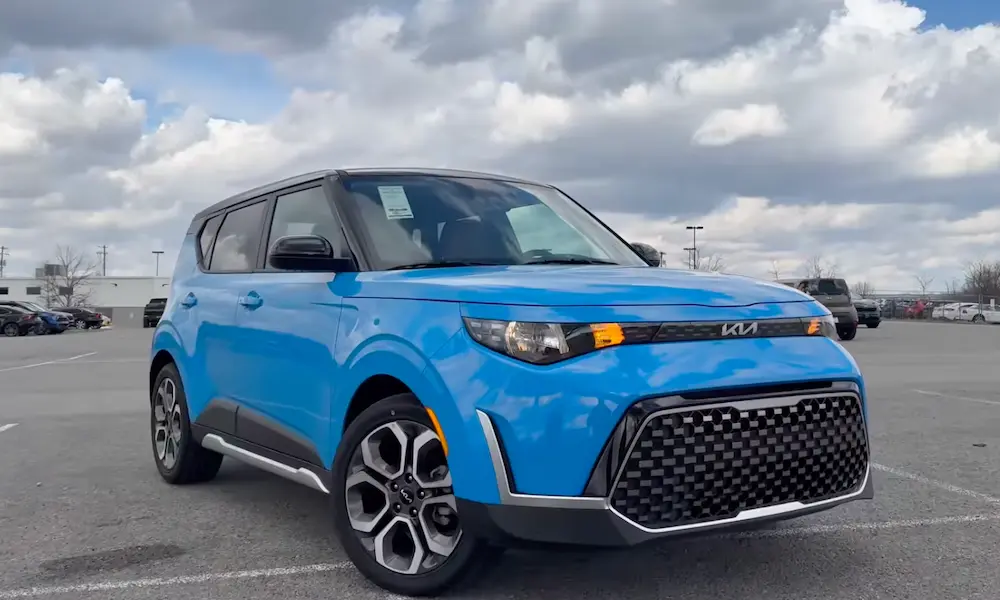
- Kia Soul: 2012-2019
These vehicles typically come with 2.0L GDI, 2.4L GDI, or turbo engine variants that are susceptible to connecting rod bearing issues.
Common Symptoms of the P1326 Code
When your Kia triggers the P1326 code, you’ll likely notice several symptoms immediately:
- Flashing check engine light (this indicates a serious problem requiring immediate attention)
- Severely reduced engine power (limp mode)
- Engine RPM limited to around 1800-2000
- Rough idle or engine stalling
- Metallic knocking sounds from the engine
- Poor acceleration and fuel economy
If you’re experiencing these symptoms alongside a P1326 code, don’t ignore them. Your vehicle is actively protecting itself from potentially catastrophic damage.
What Causes the Kia P1326 Code?
Several issues can trigger the P1326 code, but the most common causes include:
1. Connecting Rod Bearing Wear
This is the primary cause of P1326 codes in Kia vehicles. When the bearings that support your engine’s connecting rods begin to wear excessively, they create distinctive vibration patterns that the knock sensors can detect.
2. Poor Oil Maintenance
Insufficient oil levels or extended oil change intervals can accelerate bearing wear. Always follow Kia’s recommended oil change schedule and check your oil level regularly.
3. Contaminated Engine Oil
Metal particles or other debris in your engine oil can cause premature component wear. Regular oil changes help prevent this issue.
4. Previous Engine Damage
Overheating events or other types of engine damage can weaken internal components, leading to bearing wear and the P1326 code.
5. Faulty Knock Sensor or Wiring
Though less common, sometimes the knock sensor itself or its wiring may be faulty, producing false positive readings. However, don’t assume this is the case without proper diagnosis.
The Kia Knock Sensor Detection System (KSDS)
The KSDS is a sophisticated monitoring system designed to detect engine vibrations through knock sensor technology. It serves as an early warning system for potentially catastrophic engine failures.
When the KSDS detects vibration patterns consistent with bearing wear, it triggers the P1326 code and puts the engine into protection mode. This is essentially a limp mode that allows you to safely drive to a service center while preventing further damage.
Professional Diagnosis of P1326
When you bring your Kia to a dealership with a P1326 code, they’ll perform a specific series of tests to determine the actual condition of your engine bearings.
Bearing Clearance Testing
The most critical diagnostic procedure for P1326 is the bearing clearance test. This specialized test measures the clearance between your engine’s connecting rod bearings and crankshaft. The process involves:
- Setting up proprietary diagnostic equipment
- Removing spark plugs and inserting specialized probe rods
- Positioning the crankshaft to top dead center for each cylinder
- Applying controlled air pressure to measure bearing clearance
- Analyzing measurements against manufacturer specifications
This test follows your engine’s firing order sequence and requires multiple measurements per cylinder to ensure accuracy. If clearances exceed specifications, engine replacement is typically necessary.
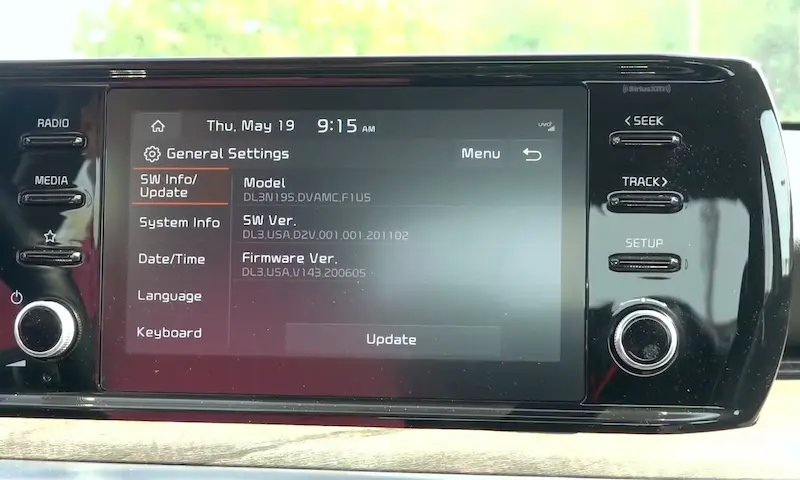
Software Updates and Campaigns
Kia has implemented several service campaigns to address P1326 issues:
- KSDS Software Update (Campaign PI2002B) for Soul models and other affected vehicles
- Engine Replacement Authorization protocols for qualifying vehicles
Making sure your vehicle has all the latest software updates is crucial for proper KSDS function.
Warranty Coverage for P1326 Issues
Here’s some good news if you’re facing a P1326 code – Kia provides extensive warranty coverage for these issues through their engine settlement program.
Lifetime Warranty Provisions
The Kia engine settlement program offers lifetime warranty coverage for P1326-related issues:
- Coverage includes: Engine block, crankshaft, main bearings, connecting rods, and pistons
- No mileage limit for vehicles with completed KSDS software updates
- Extends to all owners, not just the original purchaser
- Covers all repair costs including parts, labor, and diagnosis
Requirements for Warranty Coverage
To qualify for lifetime warranty benefits, your vehicle must:
- Have the KSDS software update installed by an authorized Kia dealer
- Have documentation of regular maintenance, especially oil changes
- Not show signs of exceptional neglect or abuse
- Present with an active P1326 diagnostic trouble code
If you’re denied warranty coverage despite meeting these criteria, consider contacting Kia customer support directly or filing a complaint with the NHTSA.
Repair Costs Without Warranty
If your vehicle isn’t covered under warranty, repair costs can be substantial.
Knock Sensor Replacement
If the issue is determined to be a faulty knock sensor rather than actual bearing wear (which is less common), replacement costs vary:
- 2011-2015 Kia Optima: $179-$233 average cost
- 2016-2020 Kia Optima: $337-$465 average cost
- Labor typically requires 2-4 hours depending on engine configuration
Engine Replacement
When bearing clearance tests confirm excessive wear, engine replacement becomes necessary. Without warranty coverage, this can cost:
- $3,000-$6,000 for a remanufactured engine
- $5,000-$8,000+ for a new engine
- Additional labor costs of $1,500-$3,000
These figures underscore the importance of ensuring your vehicle qualifies for warranty coverage if possible.
Technical Service Procedures
Knock Sensor Location and Access
If a knock sensor replacement is needed, be aware that these sensors are often difficult to access:
- They’re typically located under the intake manifold
- Replacement may require removing fuel system components
- Proper installation requires careful torque specifications
- Wiring harnesses must be correctly routed to prevent interference
This is not typically a DIY job and requires specialized tools and knowledge.
What to Do If Your Kia Shows Code P1326
If your Kia displays the P1326 code, follow these steps:
1. Reduce Driving Immediately
When the P1326 code appears, your engine is already in protection mode, but continued driving can still cause damage. Drive only as necessary to reach service.
2. Check Your Oil
While oil issues aren’t always the cause, low oil level can contribute to bearing wear. Check your oil level and condition.
3. Contact an Authorized Kia Dealer
Schedule service at an authorized Kia dealer as soon as possible. Explain that you have a P1326 code and describe any symptoms you’re experiencing.
4. Gather Documentation
Collect all maintenance records, especially oil change receipts. These may be important for warranty coverage.
5. Request a Bearing Clearance Test
Ask specifically for a bearing clearance test. This is the definitive test to determine if your engine bearings are worn beyond specifications.
6. Understand Your Warranty Rights
If you’re denied warranty coverage despite having a confirmed P1326 code, be prepared to escalate your case. The lifetime warranty for these issues is part of a legal settlement.
Real-World P1326 Experiences
Many Kia owners have shared their experiences with P1326 codes on forums and social media. While experiences vary, several common themes emerge:
- Most owners with confirmed bearing wear receive engine replacements under warranty
- The process typically takes 1-2 weeks, with loaner vehicles provided
- Documentation of regular maintenance significantly improves warranty approval odds
- Second owners often receive the same warranty coverage as original owners
- Some dealers may initially try to attribute the issue to maintenance rather than manufacturing defects
Technical Data: Common P1326 Error Patterns
| Engine Type | Common Failure Point | Average Mileage at Failure | Typical Repair Approach |
|---|---|---|---|
| 2.4L GDI | #3 Connecting Rod | 60,000-90,000 miles | Complete engine replacement |
| 2.0L Turbo | #2 or #4 Rod Bearing | 45,000-75,000 miles | Complete engine replacement |
| 1.6L GDI | Main Bearings | 80,000-120,000 miles | Complete engine replacement |
| Warranty Status | Engine Replacement Approval Rate | Average Repair Time | Typical Customer Costs |
|---|---|---|---|
| In Warranty | 85-95% with P1326 code | 7-14 days | $0 (with loaner provided) |
| Out of Warranty | Case-by-case evaluation | 10-21 days | $4,000-$7,000+ |
| Settlement Coverage | 90%+ with maintenance records | 7-14 days | $0 (with loaner provided) |
Remember, the P1326 code isn’t just an inconvenience – it’s your vehicle’s last line of defense against catastrophic engine failure. By understanding what this code means and how to respond appropriately, you can navigate this challenging situation with confidence and potentially save yourself thousands in repair costs.