Thinking about buying a Kia Soul but worried it won’t go the distance? You’re smart to check. With proper care, these boxy little vehicles routinely hit 150,000 to 200,000 miles—and some owners have pushed past 500,000 miles. We’ll break down what actually affects Soul lifespan, which years to avoid, and how to squeeze every mile from yours.
What’s the Average Lifespan of a Kia Soul?
How long do Kia Souls last? Most well-maintained Souls reach between 150,000 and 200,000 miles before major mechanical issues crop up. That translates to roughly 10 to 13 years of solid service.
Data shows the average Soul hits about 132,350 miles (9.7 years), but don’t let that number fool you. Plenty of owners report cruising past 200,000 miles, with exceptional cases reaching 250,000 to 270,000 miles. One remarkable example clocked 522,000 miles with minimal problems.
The key word here is “well-maintained.” Skip oil changes and you’ll dramatically cut that lifespan. Keep up with routine service, and you’re likely to see your Soul outlast your expectations.
What makes these numbers impressive? The Soul beats many competitors in its class. It’s not quite Honda HR-V territory for longevity, but it holds its own against the Mazda CX-3 and absolutely crushes options like the Jeep Renegade or Chevrolet Trax.
How Reliable Is the Kia Soul Compared to Other Subcompact SUVs?
The Soul earned a 4.5 out of 5.0 reliability rating from RepairPal, placing it third among seven subcompact SUVs. That’s not just industry chatter—it’s based on real repair costs, frequency, and severity data from thousands of vehicles.
J.D. Power gave the 2022 Soul an 81/100 for Quality & Reliability, bumping up to 82/100 for the 2023 model. Consumer Reports awarded the 2019 Soul a perfect 5/5 reliability score—one of the highest marks ever given to a subcompact crossover.
Here’s where it gets interesting. What Car?’s 2023 used car reliability survey gave the Soul a 100% reliability score. Not one single Soul in their survey developed a fault. That’s not marketing fluff—that’s real-world performance.
Real owners back this up. Forum discussions reveal multiple Soul owners cruising past 200,000 miles trouble-free. One owner documented 328,000 miles on a 2011 Soul 1.6L. Another hit an astounding 522,000 miles on a 2015 model with only routine maintenance until 400,000 miles, when an alternator replacement became necessary.
Competitor Comparison:
| Vehicle | Reliability Rating | Average Annual Maintenance Cost |
|---|---|---|
| Kia Soul | 4.5/5.0 | $437 |
| Honda HR-V | 5.0/5.0 | $428 (brand average) |
| Mazda CX-3 | 4.5/5.0 | Data varies |
| Jeep Renegade | 4.0/5.0 | Higher than average |
| Chevrolet Trax | 4.0/5.0 | $775 (brand average) |
The Soul sits comfortably near the top of its segment. Only the Honda HR-V manages to edge it out with a perfect 5.0 rating.
Which Kia Soul Model Years Should You Avoid?
Here’s the brutal truth: avoid 2012-2016 model years entirely. These second-generation Souls suffered catastrophic engine failures that generated hundreds of complaints and multiple recalls.
The 2015 model year stands out as particularly troublesome. Car Complaints documented 77 total complaints, with 53 engine-related issues—26 involving complete engine failure averaging $4,620 in repair costs. The NHTSA issued seven recalls for the 2015 Soul, the highest recall count for any Soul model year.
What went wrong? Defective catalytic converters damaged by high exhaust gas temperatures resulted in abnormal engine combustion and damage to pistons and connecting rods. Kia recalled approximately 378,967 model-year 2012-2016 Soul vehicles equipped with 1.6-liter Gasoline Direct Injection (GDI) engines.
The 2014 model experienced similar nightmares. Engine knocking was the primary complaint—a warning sign before catastrophic failure. One owner reported their Soul caught fire during a road trip less than 90 days after purchase. The 2013 model generated complaints about engine ticking sounds, another symptom connected to the engine failure issue.
Many affected owners experienced failures around 70,000-80,000 miles and faced repair costs exceeding $3,800. That’s well before you’d expect major engine work.
The 2020 model year also had issues. Approximately 150,000 vehicles were recalled for improper heat treatment of piston oil rings, potentially causing excessive oil consumption and engine damage.
Years to Avoid:
- 2012 (clicking noises, cruise control surge)
- 2013 (engine ticking sounds)
- 2014 (engine fires, knocking)
- 2015 (highest recall count, catastrophic failures)
- 2016 (ongoing engine issues)
- 2020 (piston oil ring problems)
What Are the Most Reliable Kia Soul Model Years?
The 2011 model year stands out as particularly dependable within the first generation. Multiple owners report 200,000+ miles with minimal issues. One 2010 Soul owner documented 244,000 miles on the original clutch—that’s exceptional drivetrain durability.
Third-generation Souls (2020-2025) show significantly better reliability once you get past the 2020 piston ring issue. The 2018, 2019, 2022, and 2023 model years receive the strongest recommendations from both Consumer Reports and J.D. Power.
One certified auto mechanic owned a third-generation Soul for over three years and 80,000 kilometers, reporting only a single warranty issue—a door seal replacement for torn rubber. That’s a dramatic improvement over the nightmare years.
The 2024 and 2025 models continue this positive trend, though their long-term reliability remains less documented since they haven’t been on the road as long.
Best Model Years to Buy:
- 2011 (first-generation standout)
- 2018 (strong third-generation start)
- 2019 (perfect Consumer Reports score)
- 2022 (improved engineering)
- 2023 (consistent performance)
- 2024-2025 (latest improvements)
If you’re shopping used, prioritize these years. If considering 2012-2016 despite the warnings, only buy if the engine has already been replaced under recall or warranty—replacement engines typically incorporate design improvements.
How Much Does It Cost to Maintain a Kia Soul?
The Soul demonstrates competitive economics with an average annual maintenance cost of $437—significantly below the $466 average for subcompact SUVs and well under the $652 average for all vehicles.
Over the first decade of ownership, total maintenance and repair costs average approximately $7,403. During the first five years, maintenance expenses average $2,304, which is $916 less than the industry average for station wagons.
The probability of requiring major repairs remains relatively low at 10.20% by year five, increasing to 21.81% by year ten. Repair frequency averages approximately 0.2 times per year—that’s less than other vehicle models.
When specific repairs become necessary, costs remain manageable compared to luxury brands:
Common Repair Costs:
| Repair Type | Cost Range |
|---|---|
| Transmission Replacement | $2,000-$2,500 |
| Valve Cover Gasket | $163-$212 |
| Purge Valve Replacement | $165-$193 |
| Alternator Replacement | $300-$500 |
| Annual Insurance | $2,412 average |
Insurance costs average $2,412 annually, totaling approximately $12,060 over five years. Shop around for competitive quotes to reduce these expenses.
Kia brand vehicles average $474 annually for repairs and maintenance—substantially less than the $652 average across all brands. Compare that to BMW at $968 annually or Ford at $775 annually, and the Soul looks downright cheap to own.
What Warranty Coverage Does the Kia Soul Offer?
Kia’s warranty coverage dramatically exceeds competitors. The standard package includes:
- 5-year/60,000-mile limited basic warranty
- 10-year/100,000-mile limited powertrain warranty
- 5-year/100,000-mile limited anti-perforation warranty
- 5-year/60,000-mile roadside assistance plan
Compare that to Toyota, Honda, Nissan, Chevrolet, and Ford, which typically offer only 3-year/36,000-mile basic warranties and 5-year/60,000-mile powertrain warranties. Kia doubles the powertrain protection timeframe.
Here’s the kicker: Kia’s warranty is transferable to subsequent owners. That means buying a used Soul might still give you several years of coverage—though mileage is capped at 100,000 miles and coverage levels may decrease in later years.
This warranty advantage adds real value. If you’re buying a three-year-old Soul with 40,000 miles, you’ve still got seven years or 60,000 miles of powertrain coverage remaining. That’s massive peace of mind.
Only Hyundai matches Kia’s warranty terms, since both brands share corporate ownership. Everyone else falls short.
What Engines Power the Kia Soul and How Durable Are They?
The standard engine across most Soul generations is a 2.0-liter inline four-cylinder producing 147 horsepower and 132 lb-ft of torque. It’s paired with either a six-speed manual transmission, CVT automatic, or conventional automatic depending on model year.
This powertrain delivers adequate power for daily driving while maintaining fuel economy ratings of 27-29 mpg city and 33-35 mpg highway. Real-world owners confirm achieving 30 mpg in city driving and upwards of 35 mpg on highways.
Engine durability—outside the problematic 2012-2016 window—proves exceptional when you follow proper maintenance. The timing chain design eliminates the periodic replacement requirements of timing belt systems.
However, catastrophic failures can occur if you neglect oil levels. One diagnostic case documented a 2011 Soul with a timing chain that skipped a tooth due to running completely empty on oil. This caused drivability problems and diagnostic codes P0014 and P0017 indicating camshaft position sensor issues.
Transmission reliability varies by type. Automatic transmissions generally perform well under normal driving conditions. Manual transmissions demonstrate impressive durability—remember that 244,000-mile original clutch mentioned earlier?
The Soul’s solid construction and high-quality components contribute to extended lifespan potential. The box-on-wheels design benefits interior capacity, providing 24.2/62.1 cubic feet of cargo capacity depending on configuration.
What Maintenance Schedule Should You Follow?
Regular oil changes represent the single most critical maintenance task. Kia’s maintenance schedule recommends oil and filter changes every 7,500 miles, though some owners adopt more conservative 3,000-mile intervals for maximum engine protection.
The timing chain’s vulnerability to oil starvation makes consistent oil level monitoring equally important. Don’t wait until the oil change light comes on—check your oil regularly.
Comprehensive Maintenance Schedule:
| Service | Interval |
|---|---|
| Oil and Filter Change | Every 7,500 miles |
| Tire Rotation | Every 7,500 miles |
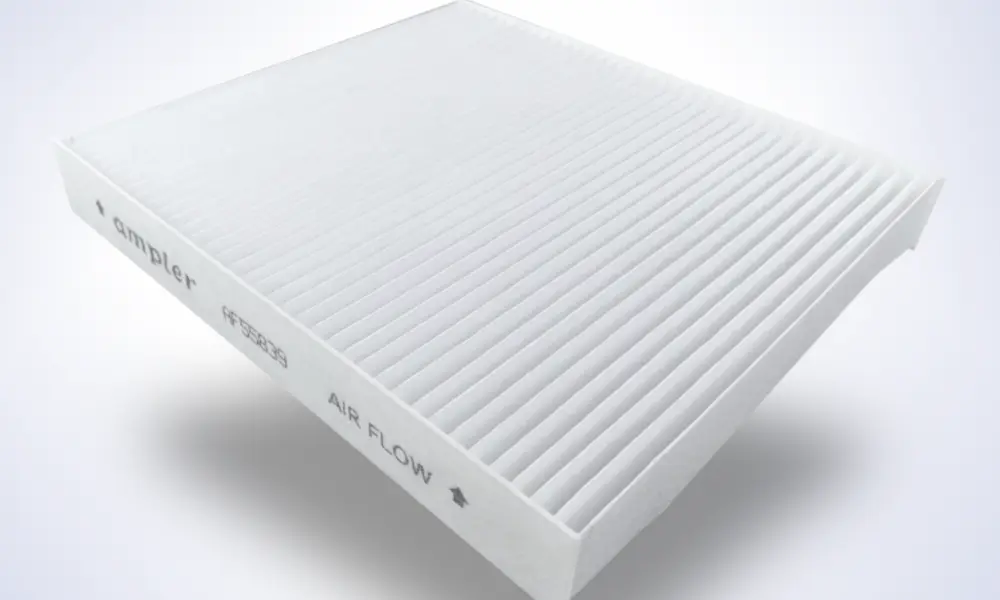
| Cabin Air Filter | Every 15,000 miles |
| Engine Air Filter | Every 30,000 miles |
| Spark Plugs | Every 30,000 miles |
| Valve Clearance Adjustment | 60,000 miles |
| Battery and Cable Service | Every 15,000 miles |
| Hood Hinge Lubrication | Every 15,000 miles |
One 2011 Soul owner with 170,000+ miles emphasized getting oil changes every three months and consistently asking mechanics to identify any emerging issues before they become serious problems. This proactive approach prevents costly major repairs down the road.
Monitor for early warning signs. Engine knocking or ticking noises should never be ignored—these often precede serious internal damage. Excessive oil consumption may indicate piston ring problems, particularly in 2020 models affected by the heat treatment recall.
Rough idling, loss of power, or check engine lights related to camshaft position sensors (codes P0014/P0017) may indicate timing chain issues potentially caused by inadequate lubrication. Address these symptoms immediately rather than deferring repairs.
How Safe Is the Kia Soul?
The 2024 Kia Soul received a four-star overall score from the National Highway Traffic Safety Administration, missing the highest five-star rating by a narrow margin. However, the Insurance Institute for Highway Safety (IIHS) awarded the top Good score in every crash test conducted on the Soul.
This mixed performance suggests adequate but not exceptional safety—a consideration if you’re prioritizing crash protection for your family.
Standard driver assistance features have expanded significantly in recent model years. Every 2025 Soul includes:
- Forward-collision warning with automated emergency braking
- Automatic high-beams
- Lane-departure warning
- Lane-keeping assist
Higher-end S models and above gain blind-spot monitoring, lane change assist, and rear cross-traffic alert with automatic braking. The GT-Line Technology package adds adaptive cruise control and intersection collision avoidance.
The 2019 Soul experienced one significant recall affecting 410,619 vehicles related to Air Bag Control Unit covers potentially contacting memory chips and damaging electrical circuits. This could result in deactivated airbags failing to deploy during crashes.
Overall, the Soul has accumulated 18 known recalls across all model years. The most common recall involved hydraulic electronic control unit shorts causing fire hazards.
What Should You Look for When Buying a Used Kia Soul?
Verification of maintenance history takes paramount importance. Request complete service records documenting regular oil changes at appropriate intervals—ideally every 3,000-7,500 miles.
Inspect the engine for signs of oil leaks, particularly around gaskets and seals. Oil system component failures represent common Soul issues across multiple model years.
Check for recall completion through the NHTSA website using the vehicle identification number (VIN). Make sure all safety and reliability recalls have been properly addressed, especially the engine-related recalls for 2012-2016 models.
Consider purchasing from certified pre-owned (CPO) programs when available. These vehicles undergo comprehensive inspections and carry extended warranty coverage. Kia’s CPO program extends the 10-year/100,000-mile powertrain warranty to subsequent owners.
Used Soul Buying Checklist:
- ✓ Verify complete maintenance records
- ✓ Check oil change frequency (should be every 3,000-7,500 miles)
- ✓ Inspect for oil leaks around gaskets
- ✓ Run VIN through NHTSA recall database
- ✓ Confirm engine recall completion for 2012-2016 models
- ✓ Test drive for engine knocking or ticking sounds
- ✓ Check for excessive oil consumption
- ✓ Verify warranty transferability and remaining coverage
- ✓ Consider CPO options for extended warranty
If you’re looking at a 2012-2016 model despite the warnings, verify whether the engine has been replaced. Replacement engines incorporate design improvements addressing the original catalytic converter defects.
For 2020 models specifically, verify whether the piston oil ring heat treatment recall has been completed. This addresses potential oil consumption issues that could lead to engine damage.
Is the Kia Soul Right for You?
How long do Kia Souls last? With proper maintenance and strategic model year selection, you’re looking at 150,000-200,000 miles of reliable service—potentially much more.
The Soul delivers impressive longevity, competitive maintenance costs, and industry-leading warranty coverage. It’s an excellent value proposition in the subcompact SUV segment, but model year selection is absolutely critical.
Avoid the 2012-2016 period entirely unless the engine has been replaced. Prioritize first-generation 2011 models or third-generation 2018-2025 models for maximum reliability.
The combination of low operating costs, transferable warranty protection, and documented cases of vehicles exceeding 500,000 miles demonstrates that the Soul can deliver exceptional long-term value when properly cared for.
If you’re looking for quirky styling paired with proven mechanical durability and you’re willing to do your homework on model years, the Kia Soul deserves serious consideration. Just don’t skip those oil changes.