Your Volvo’s cooling system isn’t something you think about—until it fails. Choosing the right Volvo coolant type prevents expensive engine damage and keeps your vehicle running smoothly. This guide breaks down everything you need to know about G48, G64, and which one belongs in your car.
What Type of Coolant Does Volvo Use?
Volvo primarily uses two coolant specifications: G48 (blue) and G64 (dark green). Your vehicle’s year and engine determine which one you need.
G48 represents Volvo’s legacy HOAT (Hybrid Organic Acid Technology) coolant. It’s blue and was factory-filled in most Volvos built before 2015. Think of it as the reliable workhorse that served Volvo well for decades.
G64 is the modern PSi-OAT formulation. It came along with Volvo’s Drive-E engine platform around 2015. This dark green coolant combines phosphate, silicate, and organic acid inhibitors for superior protection in turbocharged engines.
Here’s the thing: color doesn’t tell the whole story. While G48 is blue and G64 is green, some aftermarket brands use different colors for the same specifications. Always check the label, not just the bottle’s appearance.
Commercial Volvo equipment uses a separate yellow VCS coolant, but that’s strictly for construction machinery—not your daily driver.
Understanding Volvo’s Coolant Evolution
From Green to Blue to Green Again
Volvo’s coolant journey mirrors the automotive industry’s technological progress. Pre-1990s Volvos ran conventional green IAT (Inorganic Acid Technology) coolants. These old-school formulations worked, but they demanded replacement every 24,000-36,000 miles. The protective additives depleted quickly, leaving engines vulnerable to corrosion.
The shift to OAT (Organic Acid Technology) changed everything. Instead of inorganic compounds, carboxylic acids provided corrosion protection. These acids formed carboxylates that lasted far longer—up to 5 years or 100,000 miles in some cases. The technology also prevented mineral buildup that clogged radiators and reduced cooling efficiency.
Volvo didn’t stop there. They adopted HOAT coolants, blending organic acids with small amounts of silicates and other inorganic inhibitors. This hybrid approach addressed a specific problem: turbocharged engines generate extreme heat, cavitation, and localized boiling. Pure OAT couldn’t handle these stresses as effectively as HOAT’s blended protection system.
The Modern G64 Standard
When Volvo introduced their 4-cylinder VEA (Vehicle Energy Architecture) engines in 2015, G64 PSi-OAT coolant became standard. This advanced formula combines phosphate, silicate, and OAT inhibitors—a sophisticated mix that protects aluminum, ferrous metals, and yellow metals simultaneously without causing galvanic corrosion.
The coolant maintains seal integrity while handling the thermal demands of modern turbocharged powertrains. It’s available as concentrate (requiring 1:1 dilution with distilled water) or premixed ready-to-use formats.
G48 vs G64: Breaking Down the Differences
G48 Blue Coolant Specifications
G48 isn’t unique to Volvo. BMW, Mercedes-Benz, and other European manufacturers also use this GLYSANTIN specification. The blue dye distinguishes it visually, but the real value lies in its HOAT formulation.
The coolant protects to -40°C when properly mixed—essential for cold-climate operation. Its boiling point exceeds 100°C, preventing vaporization during normal operation. The pH stays slightly alkaline to minimize metal corrosion.
Zerex G-48 has become a popular aftermarket alternative. It’s fully compatible with Volvo’s OEM blue coolant and often costs less.
G64 Dark Green Coolant Performance
G64’s PSi-OAT technology delivers better thermal performance than G48. It’s specifically engineered for turbocharged gasoline and diesel engines in XC90, S90, V90, XC60, S60, and V60 models.
Volvo states G64 is backward compatible with G48, meaning you can use G64 in systems previously filled with blue coolant. However, they recommend a complete distilled water flush when switching types. Old coolant loses corrosion resistance, pH balance, and anti-microbial properties over time. Flushing prevents chemical interactions between different inhibitor systems.
Quick Comparison Table
| Feature | G48 (Blue) | G64 (Dark Green) |
|---|---|---|
| Technology | HOAT | PSi-OAT |
| Primary Use | Pre-2015 Volvos | 2015+ Drive-E engines |
| Freeze Point | -40°C | -40°C |
| Service Life | 3-5 years | 5 years |
| Best For | Turbocharged engines | Modern turbo engines |
| Color | Blue | Dark green |
How Coolant Technology Actually Works
OAT: The Modern Standard
Pure OAT coolants rely on carboxylic acids for corrosion protection. No silicates, no phosphates—just organic acids that deplete slowly. This enables extended service intervals and prevents the mineral deposits that plague older coolants.
The carboxylic acids form carboxylates during heating. These compounds provide corrosion protection while lasting significantly longer than inorganic inhibitors. However, pure OAT sometimes lacks the aggressive protection turbocharged engines demand.
HOAT: The Hybrid Solution
HOAT combines organic acid longevity with inorganic inhibitor protection. Small amounts of silicates and phosphates create additional protective barriers on metal surfaces. This proves especially valuable for aluminum and ferrous components.
The technology offers several advantages: extended service life compared to traditional IAT coolants, superior corrosion protection for turbocharged engines, compatibility with older systems retaining residual green coolant, and improved heat transfer versus some pure OAT formulations.
Si-OAT: The Advanced Option
Si-OAT specifically combines silicates with organic acids. The silicates create a protective barrier on metal surfaces, preventing rust and erosion in radiators and water pumps. This formulation excels in vehicles transitioning from legacy systems to modern technology, offering excellent compatibility with older cooling system components.
The improved heat transfer properties ensure engines maintain optimal temperatures, preventing overheating damage even under severe conditions.
What’s Actually in Your Coolant?
Ethylene Glycol Base
Nearly all Volvo coolants use ethylene glycol as the base fluid. It delivers superior heat transfer capability—better thermal conductivity than alternatives. The boiling point is higher than propylene glycol, and viscosity stays low even in extreme cold.
These characteristics make ethylene glycol ideal for closed-loop automotive cooling systems. The drawback? It’s toxic if ingested and harmful to marine life if spilled into the environment.
Why Not Propylene Glycol?
Volvo doesn’t recommend propylene glycol antifreeze. While it’s less toxic and functions across wide temperature ranges, it lacks ethylene glycol’s heat transfer efficiency.
Propylene glycol works well for open-loop systems where human or environmental contact is possible. But for closed automotive cooling systems where maximum heat transfer is essential, ethylene glycol remains superior.
Mixing Coolants: Don’t Do It
The Compatibility Problem
Mixing different coolant types creates serious risks. Different formulations use incompatible corrosion inhibitor systems. When mixed, these inhibitors interact unpredictably—sometimes preventing proper corrosion protection entirely.
Seal and gasket materials also respond differently to various coolant types. Improper mixing damages seals—in extreme cases requiring complete system replacement. Ducati once recalled motorcycles because incorrect antifreeze destroyed head gaskets.
Switching from G48 to G64
While Volvo says G64 is backward compatible with G48, complete transitions require proper procedures. When switching from blue to green, perform a thorough distilled water flush before adding new coolant.
The flush removes degraded old coolant, preventing interactions between different inhibitor systems. Volvo recommends complete system flushes every 5 years regardless of mileage. Old coolant gradually loses effectiveness—corrosion resistance drops, pH shifts, and anti-microbial properties fade.
Color Doesn’t Mean Compatibility
Color is meaningless for determining compatibility. OAT coolants appear orange, yellow, red, or purple. HOAT coolants often look orange or yellow. But overlap exists everywhere.
Some manufacturers produce IAT coolants in blue, despite blue being associated with Volvo’s HOAT G48 specification. The dye is just for visual distinction—check the product label specifications, not the color.
Premixed or Concentrate: Which Should You Buy?
Premixed Coolant Advantages
Premixed coolant arrives ready to use—no mixing required. You get guaranteed 50:50 blend ratios every time and demineralized water that prevents scaling from hard water minerals.
This format eliminates the risk of incorrect mixing ratios that compromise freeze protection or corrosion inhibition. It’s perfect for DIYers who want hassle-free maintenance without technical knowledge.
When to Choose Concentrate
Concentrated coolant costs significantly less than premixed equivalents. You can adjust concentration ratios for your climate—higher antifreeze percentages for extreme cold regions. Storage and transportation are easier too.
Professional workshops prefer concentrate because trained mechanics handle dilution properly. However, concentrate carries higher error risk. Mixing with tap water instead of distilled water introduces minerals. Incorrect ratios compromise performance.
For a 9.5-quart system, flush with water until clear, then add 4.75 quarts of concentrate and top off with distilled water for the proper 50:50 ratio.
How Often Should You Change Volvo Coolant?
Factory Maintenance Schedules
Current Volvo maintenance schedules recommend checking antifreeze rating and anti-corrosion agent levels every 10,000 miles. Factory-recommended flush intervals range from 30,000 miles to every two years, with some extended-life coolants lasting longer.
Industry consensus suggests changing coolant every 3-4 years or 40,000-60,000 miles as conservative practice. Even premium long-life coolants maintain effectiveness for only 5 years maximum.
Coolant degrades over time. Corrosion resistance fades, pH balance shifts, and anti-microbial protection weakens. Regular replacement is relatively inexpensive insurance against costly corrosion and component failures.
Proper Flushing Technique
Complete system flushing is essential when changing coolant types or performing scheduled maintenance. The process involves three steps:
First, add a specialized cleaner to dislodge sediment, corrosion particles, and rust. Second, flush the entire cooling circuit with clean fluid until discharge runs clear. Third, refill with fresh coolant at the proper concentration.
When using concentrate, calculate the correct ratio based on total system capacity. For example, a system holding 9.5 quarts requires 4.75 quarts of concentrate mixed with 4.75 quarts of distilled water.
Coolant Requirements by Volvo Model
Drive-E Engine Vehicles (2015+)
Volvo’s Drive-E 4-cylinder engines require G64 PSi-OAT dark green coolant. This includes most models from 2015 forward, such as the S60 T5 and newer XC60 variants.
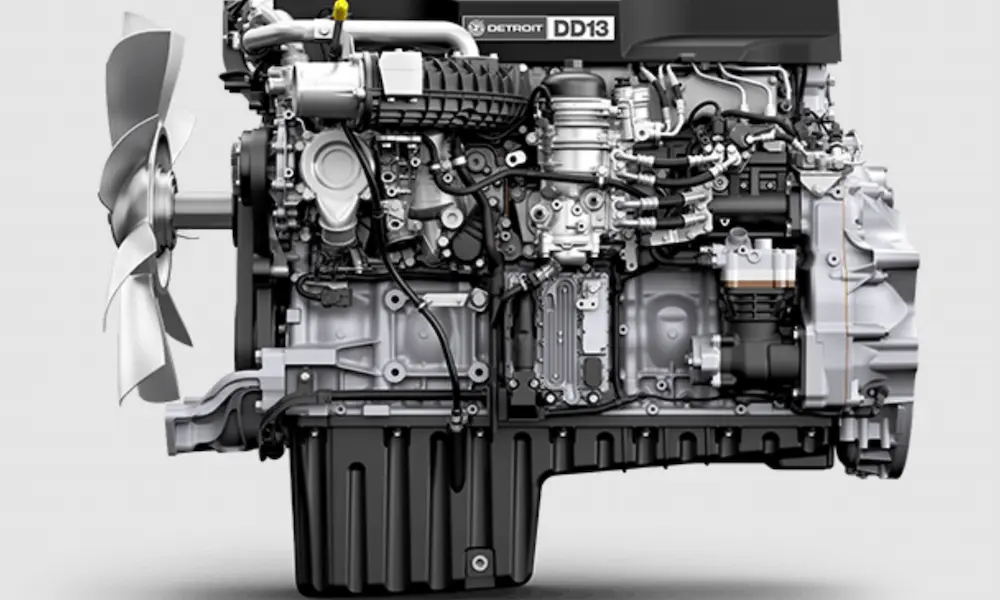
The Drive-E platform represents Volvo’s commitment to advanced thermal management integrated with downsized turbocharged engines. These powertrains demand superior cooling performance and seal compatibility that G64 provides.
Flush and refill the system every 5 years or according to your model’s maintenance documentation.
Turbocharged Models (T5, T6)
Turbocharged Volvos—T5 and T6 variants—specifically benefit from HOAT rather than pure OAT coolants. Forced-induction engines generate extreme heat, cavitation, and localized boiling that HOAT’s blended inhibitor package handles better than pure OAT.
Modern turbocharged models use G64 PSi-OAT. Older T5 models may have originally contained G48 blue coolant. Check your owner’s manual to confirm the specification.
Diesel Engines (D4, D5)
Volvo diesel powerplants—D4 and D5 specifications—handle high thermal loads characteristic of compression-ignition engines. Recent diesel models typically employ G64 green coolant specifications.
Earlier diesel vehicles may have used G48 blue or alternative HOAT formulations. Always consult your specific vehicle’s maintenance schedule to confirm the appropriate coolant specification.
Premium Models (XC90, S90, V90)
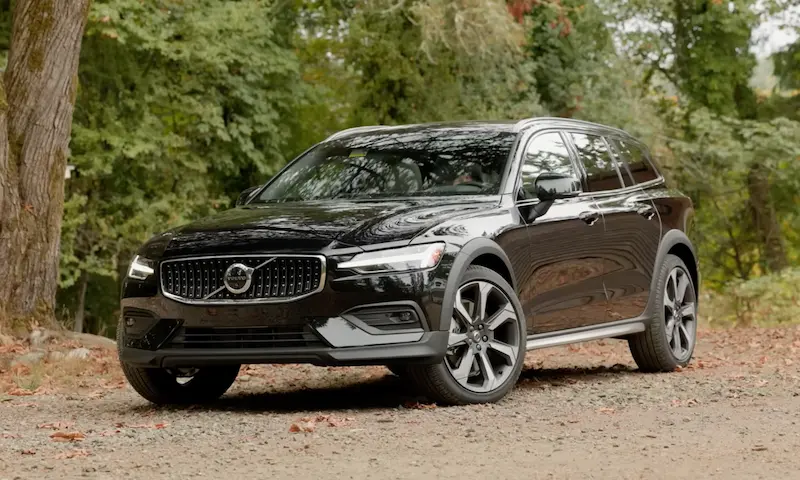
Volvo’s flagship lineup uses advanced G64 PSi-OAT green coolant. The XC90, available in turbocharged gasoline and diesel variants, incorporates sophisticated cooling system designs optimized for advanced powertrains.
Using the correct OEM-specified coolant is essential for maintaining warranty coverage and ensuring long-term reliability. These premium models check antifreeze rating and anti-corrosion agent levels every 10,000 miles per factory schedules.
Pre-2015 Models
Volvos built before 2015 typically use G48 blue HOAT coolant. This includes popular models like the V70, S60 (pre-Drive-E), and earlier XC90 generations.
The G48 specification provided excellent corrosion protection and suited the turbocharged engines Volvo favored during this era. While G64 can replace G48, performing a complete flush during the transition is smart practice.
Finding the Right Coolant for Your Volvo
Check Your Owner’s Manual
Your owner’s manual specifies the exact coolant type your vehicle needs. Don’t guess based on color or model year alone—verify the specification before purchasing coolant.
The manual also details system capacity, proper mixing ratios for concentrate, and recommended service intervals. This information prevents costly mistakes.
Aftermarket Alternatives
You don’t need expensive dealer-only coolant. Quality aftermarket alternatives meeting Volvo specifications work perfectly fine.
For G48 systems, Zerex G-48 is a proven compatible option. For G64 systems, several manufacturers produce PSi-OAT coolants meeting Volvo’s specification. Just verify the product explicitly states compatibility with your Volvo coolant type.
What to Avoid
Skip universal coolants claiming compatibility with everything. These products often compromise protection to achieve broad compatibility. Also avoid mixing coolant brands or types without flushing completely first.
Don’t use coolant past its expiration date—yes, unopened coolant expires. The inhibitor package degrades over time even in sealed containers.
Never add tap water to your cooling system. Hard water minerals cause scaling and reduce heat transfer efficiency. Use only distilled or demineralized water.