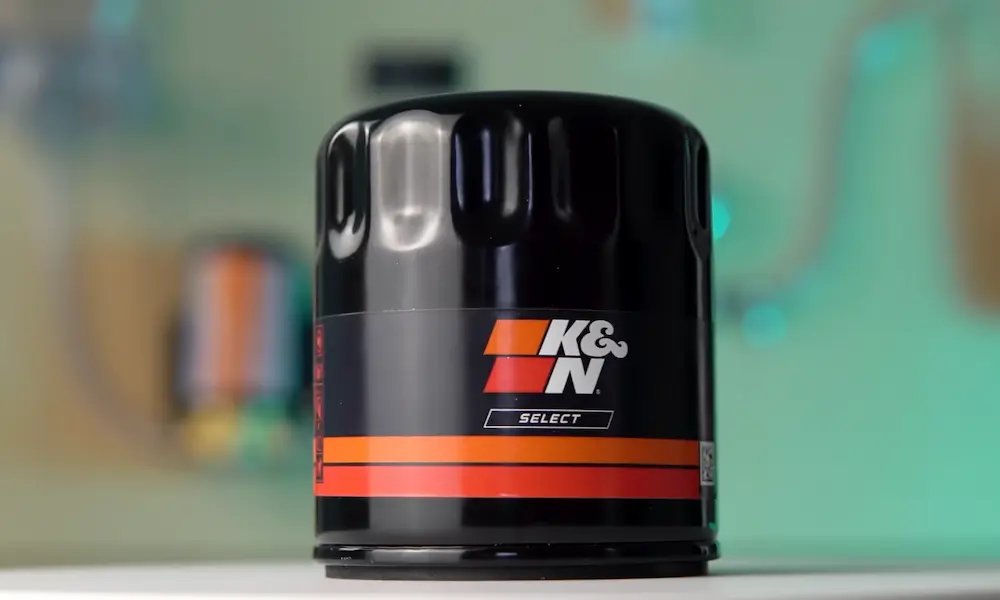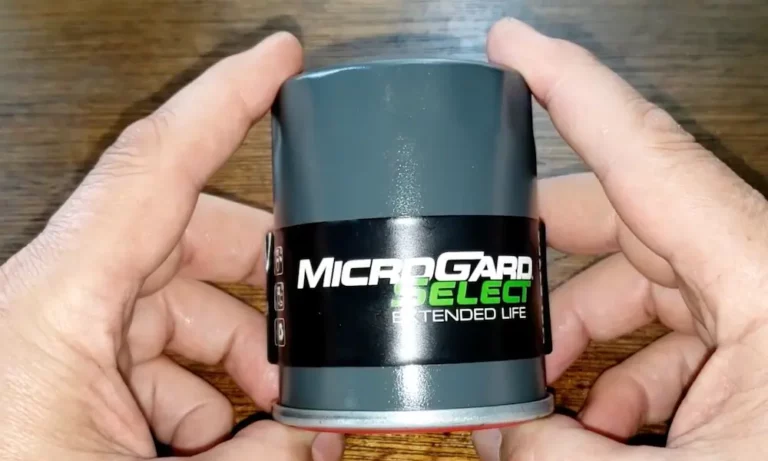
Ever grabbed a Microgard oil filter at O’Reilly and wondered who actually makes it? You’re not buying some sketchy no-name product. These filters come from major manufacturers, and knowing who’s behind them might change how you shop for your next oil change.
Who Actually Manufactures Microgard Oil Filters?
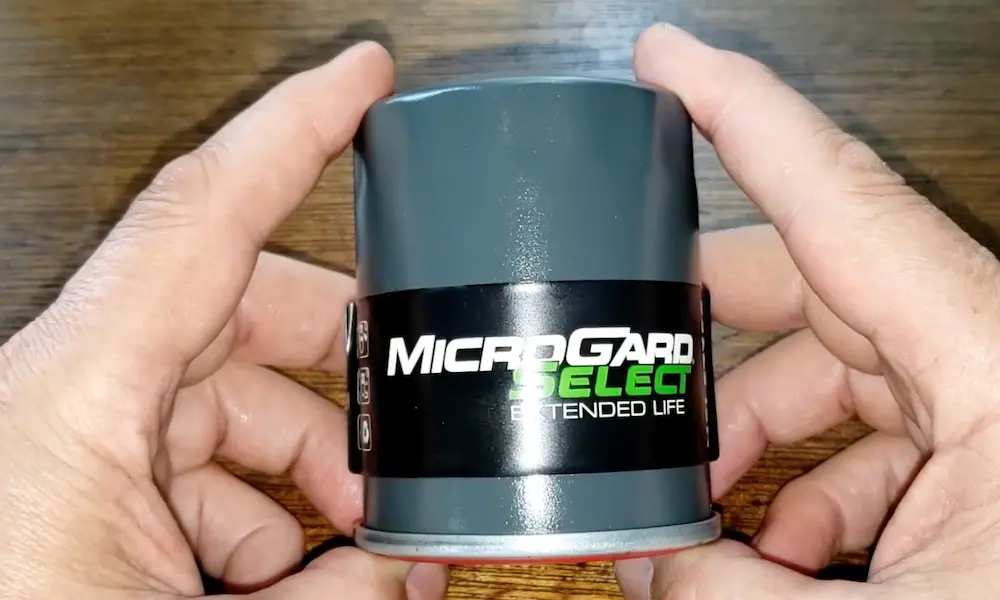
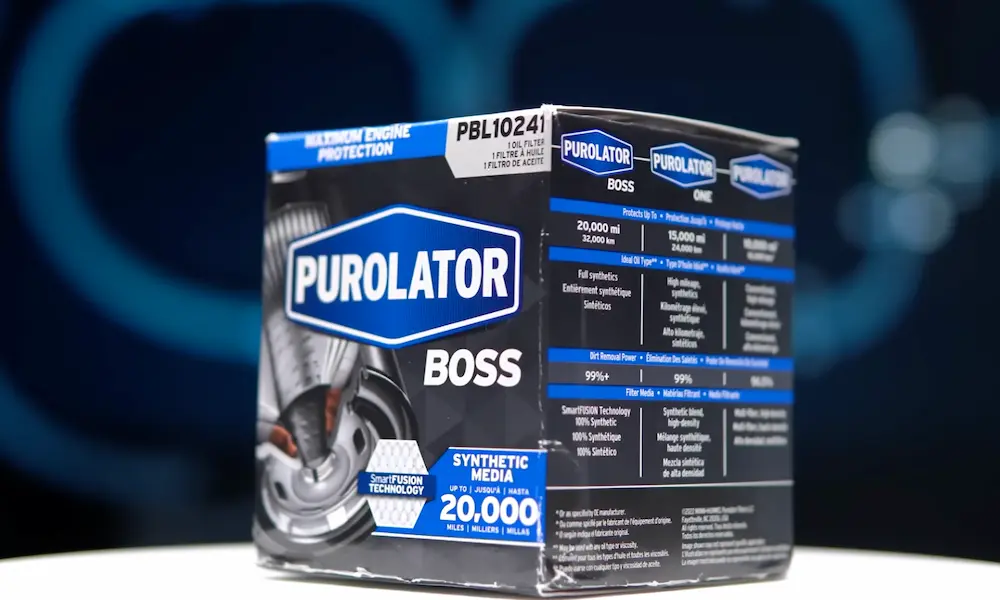
Here’s the straight answer: Microgard oil filters are made by Wix and Purolator (both owned by Mann+Hummel) for the standard line, while Premium Guard Industries (PGI) manufactures the Microgard Select filters. These aren’t mystery factories – they’re established filter companies that also make products under their own brand names.
O’Reilly Auto Parts doesn’t own filter factories. They partner with proven manufacturers to produce filters meeting their specifications. It’s the same business model as grocery store brands – big companies make the products, retailers slap their label on them.
The standard Microgard filters roll off production lines in Mexico for spin-on models and Korea for drop-in filters. Microgard Select filters come from Vietnam. Some specialized filters are even manufactured in Germany, depending on the application.
This multi-country production strategy isn’t about cutting corners. Different facilities specialize in different filter types, and Mann+Hummel operates manufacturing plants worldwide with consistent quality standards.
The Manufacturing Shift That Changed Everything
Microgard filters weren’t always made by these companies. The brand originally belonged to Walmart before O’Reilly scooped it up. Back then, the filters were almost identical to Fram filters and manufactured in the United States.
Everything changed around 2020 when Mann+Hummel redesigned the entire product line. They moved production to Mexico and Korea, switching from the original coil spring design to a leaf spring setup with a Purolator-style base plate.
Why does this matter? Because if you’re reading old forum posts from 2015 about Microgard filters, you’re getting outdated information. The filters sold today are completely different products from different factories.
The redesign wasn’t just about cost savings. Modern manufacturing allows tighter tolerances and more consistent quality control. Plus, the new facilities produce filters that meet current ISO 4548-12 laboratory testing standards.
Standard Microgard vs. Microgard Select: What’s the Difference?
Walk into O’Reilly and you’ll see two Microgard options sitting on the shelf. They’re not the same filter in different packaging.
Standard Microgard filters use cellulose media and target conventional oil users. They’re built for oil change intervals up to 5,000 miles and deliver 95% filtration efficiency at 29 microns. You get a one-year limited warranty and a budget-friendly price point.
Microgard Select filters step up the game with synthetic-blend filtering media. These filters support oil change intervals up to 10,000 miles when you’re running synthetic oil, achieving 99% filtration efficiency at 25 microns. Same one-year warranty, but better specs across the board.
Here’s what those numbers actually mean: The Select version catches more microscopic particles (25 microns vs. 29 microns) and catches a higher percentage of them (99% vs. 95%). Microns measure particle size – for reference, a human hair is about 70 microns wide.
| Feature | Standard Microgard | Microgard Select |
|---|---|---|
| Filter Media | Cellulose | Synthetic-blend |
| Filtration Efficiency | 95% at 29 microns | 99% at 25 microns |
| Recommended Oil Type | Conventional | Semi-synthetic/Synthetic |
| Oil Change Interval | Up to 5,000 miles | Up to 10,000 miles |
| Manufacturing Location | Mexico/Korea | Vietnam |
| Manufacturer | Wix/Purolator (Mann+Hummel) | Premium Guard Industries |
The Select filters are rebranded versions of Premium Guard Extended Life Oil Filters with O’Reilly-specific specs. That’s not a secret – cut one open and compare it to a Premium Guard filter, and you’ll see the family resemblance.
What Real Users and Experts Say About Build Quality
Online automotive forums love tearing filters apart to see what’s inside. Microgard Select filters consistently impress when people cut them open.
One dedicated filter enthusiast on a popular automotive forum noted the Select version shows “solidly constructed” quality with “even pleats, little to no glue residue.” He questioned why these filters don’t get more attention in online discussions given their build quality.
YouTube automotive channels that specialize in comparative filter analyses have put Microgard through the wringer. When they slice filters in half and measure components, Microgard Select consistently beats the standard version in construction quality. Reviewers specifically call out the silicone anti-drain-back valve and thicker steel canister as superior to the standard model’s nitrile rubber gasket and thinner construction.
In one comprehensive ten-filter comparison, Microgard earned recognition as “excellent at its $10 price point” thanks to having the highest total filter area among competitors tested. The reviewer acknowledged the lower mileage guarantee compared to premium options but emphasized the outstanding value for cost.
The anti-drain-back valve gets specific praise. This component prevents oil from draining out of the filter when your engine’s off, ensuring immediate oil pressure when you start up. Cheap filters skimp here, but Microgard Select uses quality materials that actually seal properly.
Users on automotive discussion boards frequently mention switching to Microgard Select after disappointments with other brands. One user specifically said, “I switched to Hi-Flo for bikes and use mostly Microgard Select for my cars” after encountering defective filters from supposedly premium manufacturers.
How Microgard Stacks Up Against Big-Name Competitors
Let’s talk about the elephant in the room: Are these filters as good as Wix, Mobil 1, or other recognized brands?
For cartridge-style filters, automotive teardown channels found that Wix and Microgard showed essentially identical construction when comparing identical platform models. That’s not surprising since Mann+Hummel owns Wix and manufactures standard Microgard filters.
But here’s where it gets interesting: Recent assessments indicate quality consistency issues with Wix filters following Mann+Hummel’s acquisition. Multiple users report switching away from Wix after encountering quality control problems.
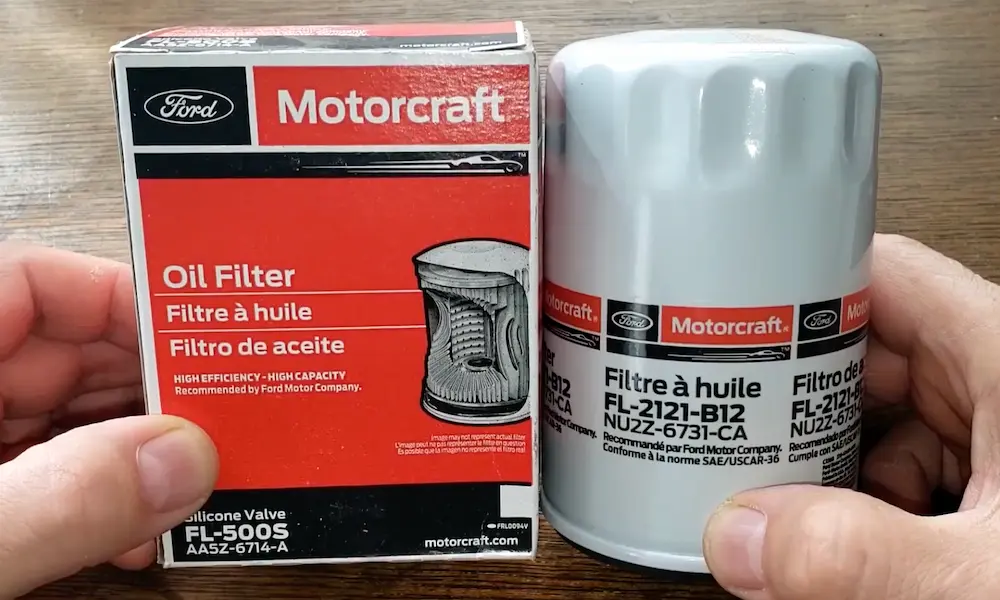
Compared to Fram filters – America’s most recognized oil filter brand – Microgard Select offers better construction at a similar price point. The thicker gaskets, proper anti-drain-back valves, and even pleat spacing give Microgard Select an edge in side-by-side comparisons.
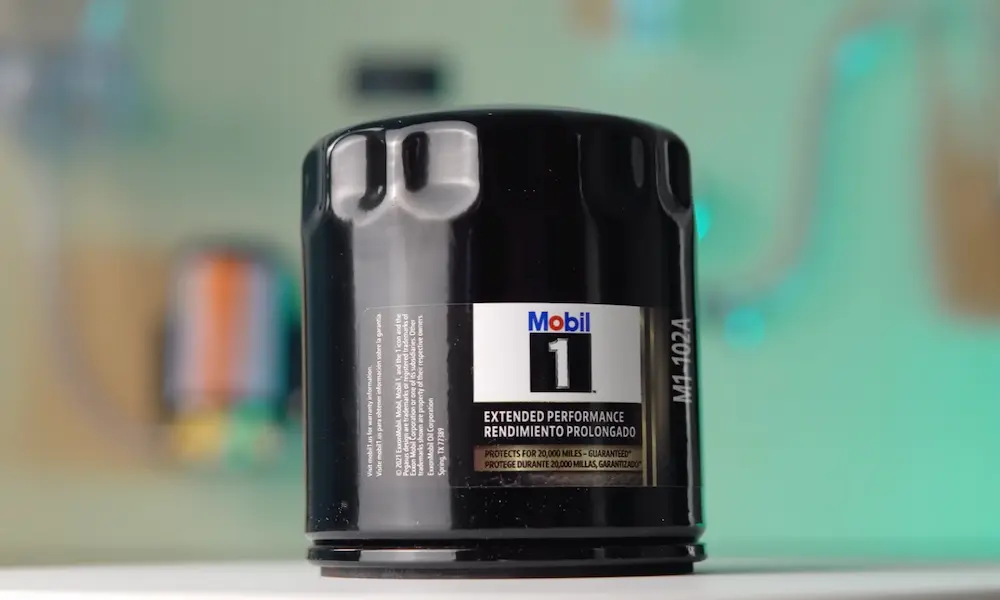
Against premium options like Mobil 1 Extended Performance or Royal Purple filters, Microgard Select can’t match the absolute highest specifications. Those filters cost two to three times more, though. For most drivers running standard oil change intervals, that extra performance doesn’t translate to noticeable benefits.
| Filter Brand | Typical Price | Filtration Efficiency | Best For |
|---|---|---|---|
| Standard Microgard | $4-6 | 95% at 29 microns | Budget conventional oil users |
| Microgard Select | $8-12 | 99% at 25 microns | Synthetic oil users seeking value |
| Wix | $8-15 | 95% at 20 microns | Brand loyalists (quality varies) |
| Mobil 1 Extended Performance | $15-20 | 99% at 20 microns | Maximum protection seekers |
| Fram Extra Guard | $5-8 | 95% at 25-30 microns | Conventional oil, frequent changes |
The real-world difference? If you’re changing oil every 5,000-7,500 miles with quality synthetic oil, Microgard Select will protect your engine just fine. Spending double on a premium filter won’t give you double the protection.
Which Microgard Filter Should You Actually Buy?
If you’re running conventional oil and changing it every 3,000-5,000 miles, the standard Microgard delivers adequate protection at a wallet-friendly price. The 95% efficiency handles conventional oil’s needs without issues.
But here’s my take: Even for conventional oil users, the Select version’s worth considering. That extra $3-4 buys you better filtration, stronger construction, and peace of mind. It’s cheap insurance for your engine.
For synthetic or semi-synthetic oil users, skip the standard version entirely. Go straight to Microgard Select. The 99% filtration efficiency and synthetic-blend media match your oil’s capabilities. You’re wasting synthetic oil’s benefits by pairing it with a filter designed for conventional oil.
Running extended oil change intervals? Microgard Select’s 10,000-mile rating aligns with most synthetic oil recommendations. Just make sure you’re actually using quality synthetic oil – don’t pair a 10,000-mile filter with bargain-brand oil and expect good results.
The exclusive O’Reilly availability might seem limiting, but it’s actually convenient. O’Reilly stores are everywhere, and their staff can look up the right filter for your vehicle in seconds. Plus, you’re not paying the “convenience store markup” you’d get at quick-lube shops.
Expert reviewers consistently note that Microgard Select offers comparable quality to filters costing significantly more without providing proportional performance benefits. Translation: You’re getting 90% of premium filter performance at 50% of the price.
The Bottom Line on Microgard Manufacturing
So who makes Microgard oil filters? Mann+Hummel subsidiaries Wix and Purolator handle the standard line, while Premium Guard Industries manufactures the Select version. These aren’t fly-by-night operations – they’re established manufacturers with decades of filter-making experience.
The filters’ availability exclusively at O’Reilly Auto Parts, combined with competitive pricing and strong build quality documentation from expert teardowns, make them a practical choice for budget-conscious vehicle owners who prioritize reliability.
Don’t overthink oil filters. Microgard Select gives you proven manufacturing, solid specifications, and construction quality that holds up under scrutiny. For most drivers, that’s exactly what you need – nothing more, nothing less.
Just remember: The best oil filter is the one you actually change on schedule. A premium filter that sits in your engine for 15,000 miles does more harm than a budget filter changed every 5,000 miles. Keep up with maintenance, use the right filter for your oil type, and your engine will thank you.