You’re standing in Walmart’s auto aisle, staring at a $3 Supertech oil filter next to a $12 Mobil 1. The price difference is tempting, but there’s that nagging question: will the cheap filter wreck your engine? Let’s cut through the noise and figure out if Supertech filters are actually worth using in your vehicle.
Who Makes Supertech Oil Filters?
Here’s the surprise—Supertech filters come from Champion Laboratories, not some sketchy overseas factory you’ve never heard of.
Champion Labs has been making filters since the 1930s from their facilities in Illinois, South Carolina, and Mexico. What’s really interesting? They’re an OEM supplier for Ford, GM, Porsche, and Volkswagen. That means the same company making your $3 Walmart filter also produces factory filters for major automakers.
This manufacturing relationship matters because Champion Labs uses similar quality control systems across their production lines. You’re not getting some completely different product—you’re essentially getting their expertise at Walmart pricing.
What’s Actually Inside These Filters?
Cut one open (or watch the dozens of YouTube videos where mechanics do), and you’ll find surprisingly decent construction:
Filter media: A synthetic and natural fiber blend rated for 99% filtration efficiency at 30 microns. That’s the industry standard for conventional filters.
Construction details:
- 62-65 pleats of filter media
- Metal end caps (not cheap plastic)
- Double-rolled steel canister with proper welding
- Silicone anti-drainback valve
- Media thickness around 0.39-0.42mm
The specs look good on paper. But specs don’t tell the whole story.
How They Perform in Real Testing
Brand Ranks ran comprehensive tests comparing Supertech against premium competitors. The results surprised a lot of skeptics.
Flow restriction: Supertech measured 22 PSI resistance, basically matching Mobil 1 at 21 PSI and beating FRAM Ultra Synthetic at 24 PSI. Your engine won’t notice any performance difference.
Contaminant capacity: Here’s where things get interesting. Supertech captured 25 grams of aluminum powder contamination before flow degradation. That matched K&N but fell short of FRAM Ultra (50 grams) and Mobil 1 (48 grams).
Wear metal control: Lab analysis showed Supertech reduced wear particles to 40 parts per million—identical to Mobil 1’s performance.
What does this mean for your car? For normal driving with regular oil changes, Supertech filters protect your engine just fine. They’re not engineered for 20,000-mile intervals or racing applications, but they’ll handle daily driving without issues.
The Two Product Lines You’ll Find
Standard Series (ST Models)
These are the basic Supertech filters priced between $2.97 and $3.84. They’re rated for 10,000 miles but work best with 5,000-7,500 mile oil change intervals.
You’ll find them everywhere Walmart sells auto parts. They’re compatible with conventional and synthetic blend oils, making them suitable for most passenger vehicles.
Maximum Performance Series (MP Models)
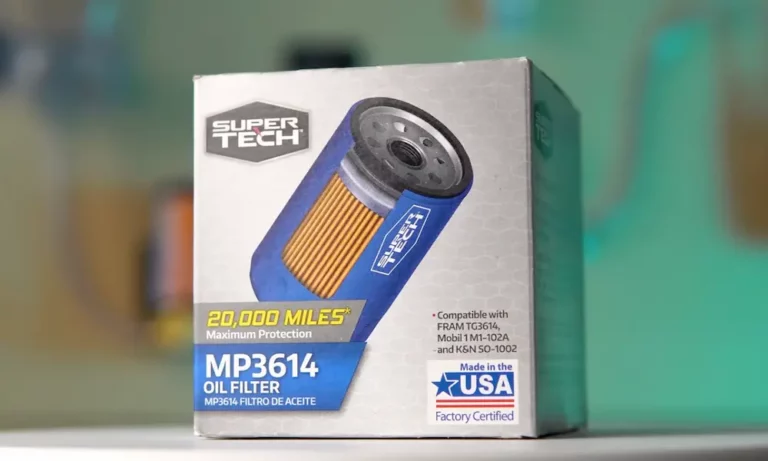
The MP line was designed for 20,000-mile intervals with prices around $5.97 to $9.17. Good luck finding them, though—availability has become spotty, with some suggesting Walmart’s phasing them out.
Honestly? The MP series sits in an awkward price zone. It’s too expensive compared to standard Supertech but lacks the consistent quality control of name brands at similar prices. That’s probably why they’re disappearing from shelves.
The Quality Control Problem Nobody Talks About
Here’s where things get messy. Supertech filters have consistency issues that you won’t find with premium brands.
The anti-drainback valve saga: Early production runs used blue plastic valves that failed frequently enough that mechanics recommended returning affected filters. Current production uses orange silicone valves that work better, but this highlights the QC problems.
Gasket sensitivity: Multiple users report leaks even with proper installation torque. Some filters seal perfectly. Others leak regardless of technique. This inconsistency suggests quality variations between production batches.
Manufacturing differences: Cut-open analyses reveal construction variations within the same part number. Sometimes the bypass valve is there, sometimes it isn’t. Media distribution varies. “Made in USA” filters differ from “Made in Mexico” versions.
Professional mechanics notice this stuff. Some report gasket blowouts after extended use on specific production batches. The failure rate isn’t astronomically high, but it’s higher than you’d see with Wix or Mobil 1.
How Supertech Stacks Up Against Premium Brands
Let’s compare apples to apples across key factors:
| Feature | Supertech ST | Mobil 1 Extended | Wix Premium |
|---|---|---|---|
| Price | $2.97-$3.84 | $11.44-$12.00 | $6.00-$9.00 |
| Filtration Efficiency | 99% @ 30 microns | 99% @ 30 microns | 99% @ 23 microns |
| Quality Consistency | Variable | Excellent | Excellent |
| Flow Restriction | 22 PSI | 21 PSI | Similar to Mobil 1 |
| Contaminant Capacity | 25g | 48g | ~45g |
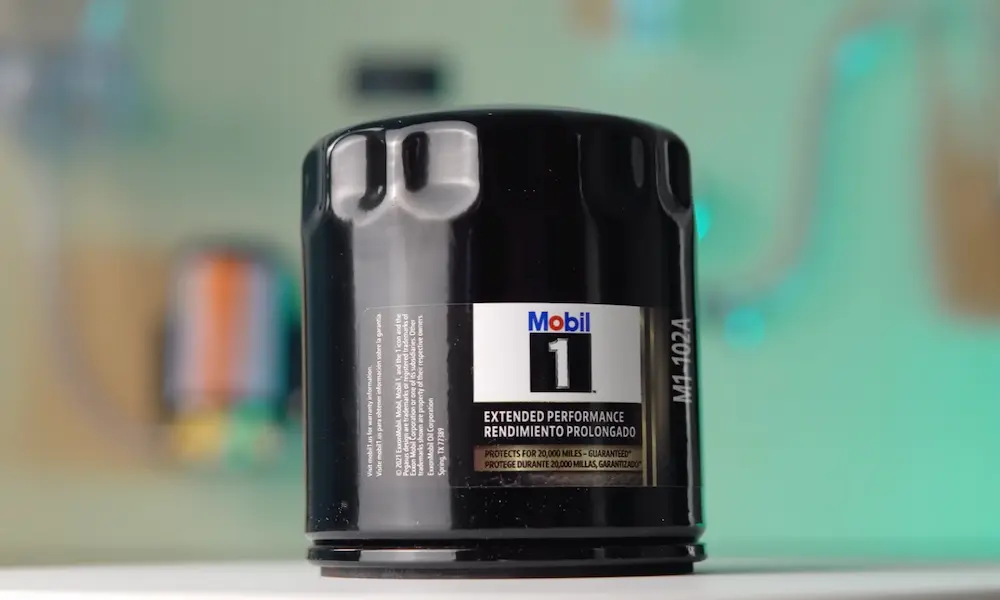
Versus Mobil 1: Performance is statistically equivalent for normal use, but Mobil 1’s construction consistency is noticeably better. You’re paying 65% more for that consistency and peace of mind.
Versus Wix: Wix offers slightly better filtration (23 microns vs. 30) and established quality reputation. The 60-150% price premium might not justify the performance gain for most applications.
Versus OEM filters: Since Champion Labs makes OEM filters for several manufacturers, Supertech construction quality often matches factory filters. You’re sometimes getting nearly identical products at different price points.
What Professional Mechanics Actually Think
I’ve spent time digging through professional forums where mechanics discuss what they actually use (not what they sell).
The supporters: Fleet mechanics using high volumes report successful long-term use with significant cost savings. One mechanic mentioned the savings let him recommend more frequent oil changes to customers, which arguably provides better protection than expensive filters with extended intervals.
Several professionals prefer Supertech over FRAM based on construction quality observations. That’s saying something, considering FRAM’s market position.
The skeptics: Other mechanics emphasize increased vigilance during installation due to gasket sensitivity. They use Supertech for appropriate applications but reserve premium filters for high-performance or critical vehicles.
The consensus? Supertech works fine when properly installed in suitable applications, but requires more attention than premium brands.
Real-World Oil Analysis Results
Blackstone Labs reports from actual Supertech users provide objective data beyond marketing claims.
Multiple independent analyses show effective contamination control through normal service intervals. Wear metal levels stay within acceptable ranges for conventional automotive applications.
Users running 7,500-12,000 mile intervals report acceptable results, though oil degradation patterns suggest avoiding the maximum manufacturer-recommended intervals. The filters work, but pushing them to extremes isn’t smart.
One Nissan Frontier owner shared detailed lab results showing stable wear patterns across multiple oil changes with Supertech filters. Another user posted Blackstone analysis confirming adequate engine protection.
When Supertech Makes Perfect Sense
Daily driver vehicles: If you’re commuting to work and running errands, Supertech filters deliver adequate protection at unbeatable prices. Your 2015 Honda Accord doesn’t need $12 filters.
Budget-conscious maintenance: The $7-$25 annual savings per vehicle adds up, especially if you maintain multiple cars. That money could go toward more frequent oil changes or other maintenance.
Fleet operations: Companies maintaining multiple vehicles see substantial savings without meaningful reliability impacts when following appropriate service intervals.
Older high-mileage vehicles: Your 200,000-mile beater benefits more from frequent oil changes with cheap filters than expensive filters with extended intervals.
Here’s the annual cost breakdown based on 15,000 miles with 5,000-mile change intervals:
| Filter Brand | Cost Per Filter | Annual Cost (3 filters) | Annual Savings vs. Premium |
|---|---|---|---|
| Supertech ST | $3.40 avg | $10.20 | $17-$26 |
| Wix Premium | $7.50 avg | $22.50 | $5-$14 |
| Mobil 1 Extended | $11.72 avg | $35.16 | — |
When You Should Skip Supertech
Turbocharged engines: The quality control inconsistencies aren’t worth risking expensive turbo repairs. Spend the extra $8 on a Mobil 1 or Wix.
High-performance applications: Racing, track days, or aggressive driving? You need consistent quality control and maximum contaminant capacity. Supertech doesn’t fit here.
Extended oil change intervals: Despite 20,000-mile ratings on discontinued MP models, the quality variations suggest 10,000 miles maximum. If you’re running 10,000+ mile intervals, premium filters make more sense.
Critical reliability vehicles: Emergency response vehicles, commercial trucks, or situations where breakdowns create serious problems warrant premium filter investment.
Severe service conditions: Dusty environments, extreme temperatures, or heavy towing stress filters beyond normal specs. Don’t cheap out here.
Installation Tips That Actually Matter
If you decide to run Supertech filters, installation technique becomes more important due to gasket sensitivity:
Inspect before installing: Check gasket condition and proper seating. Look for manufacturing defects or damage. A 30-second inspection prevents frustrating leaks.
Follow torque specs precisely: The gasket sensitivity means you can’t just crank it tight by feel. Use the manufacturer’s specs—usually 3/4 turn after gasket contact.
Check immediately after starting: Run the engine and visually inspect for leaks before driving away. Catch problems while the car’s still in your driveway.
Consider shorter intervals: The cost savings enable 5,000-mile changes instead of 7,500-mile intervals. More frequent changes with cheaper filters arguably beats extended intervals with expensive filters.
The Bottom Line on Supertech Filters
Are Supertech oil filters good? Yes, for appropriate applications with proper installation.
They’re manufactured by a legitimate OEM supplier using similar processes and materials as factory filters. Independent testing shows comparable performance to premium brands in standard automotive applications. The 40-70% cost savings is real and substantial.
But—and this is important—they’re not premium filter replacements. Quality control variations require careful inspection and proper installation. They’re unsuitable for severe service, high-performance applications, or maximum interval use.
Think of Supertech as a strategic budget choice rather than a compromise. For daily drivers with regular maintenance schedules, they deliver genuine value. The money you save can fund more frequent oil changes, which provides better engine protection than expensive filters with extended intervals.
Just don’t expect premium brand consistency. Inspect before installing, follow torque specs, and stick to reasonable service intervals. Do that, and Supertech filters protect your engine while keeping money in your wallet.
For most drivers changing oil every 5,000-7,500 miles, Supertech filters are genuinely good enough. Sometimes good enough actually is good enough.