Shopping for oil filters shouldn’t feel like gambling with your engine’s life. You need straight facts about whether Purolator oil filters actually protect your engine or just drain your wallet. We’ve dug through independent lab tests, cut open used filters, and analyzed real-world performance data to give you the complete picture.
What Makes Purolator Stand Out in Oil Filter Testing
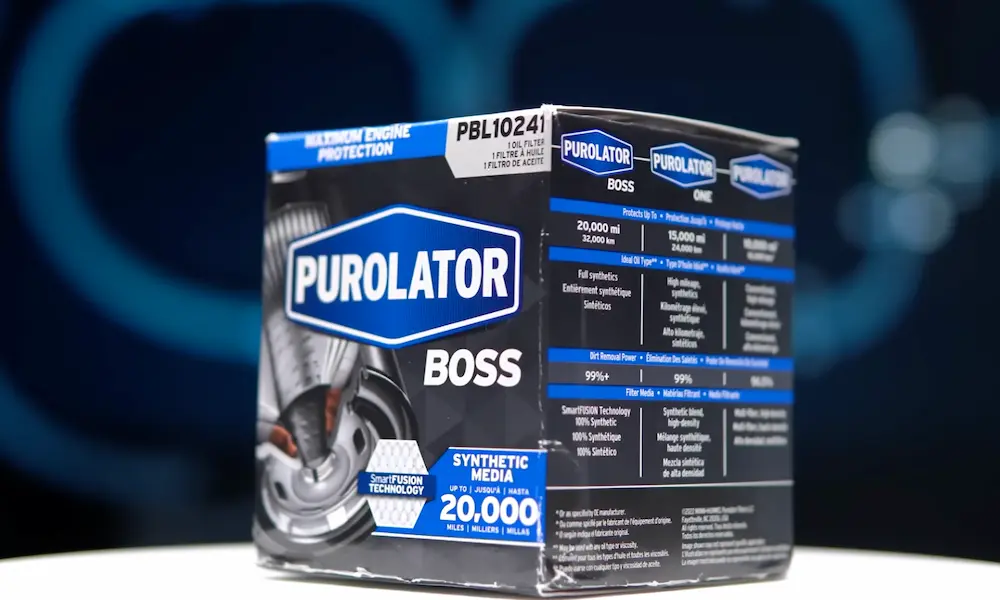
Purolator doesn’t mess around when it comes to filtration technology. Their premium BOSS model captured 96% fewer particles in critical size ranges compared to popular competitors like Wix XP during independent laboratory testing.
Here’s the hard data: the BOSS filter recorded only 31.6 particles per milliliter in the 21-38 micron range. Compare that to Wix XP’s 807.1 particles/mL, and you’re looking at dramatically cleaner oil circulating through your engine. That’s not marketing fluff—it’s measured performance using ISO-standard testing methodology.
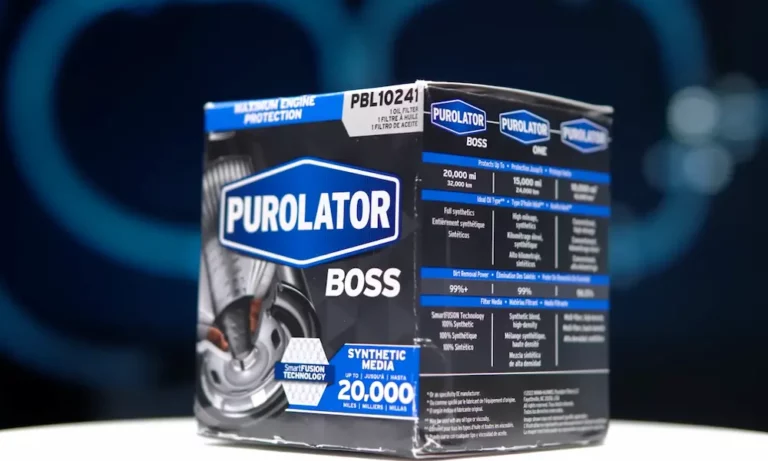
The secret? SmartFUSION Technology with 100% synthetic media. Unlike cheaper cellulose filters that break down over time, the wire-backed synthetic construction maintains its shape and filtering ability even under extreme pressure and temperature swings.
The Purolator Filter Lineup: Which One Actually Fits Your Needs
Purolator BOSS: The Heavy Hitter
This flagship filter isn’t just rebranded marketing. The BOSS features full synthetic media that delivers protection for 15,000 to 20,000 miles—perfect if you’re running quality synthetic oil and don’t want to crawl under your car every few months.
The dirt holding capacity speaks volumes: 9.02 grams compared to Royal Purple’s 4.6 grams. More capacity means longer intervals between changes without sacrificing protection. One user ran a BOSS filter 18,000 miles past installation (3,000 miles beyond its rating) and found zero media collapse or bypass valve failure.
Purolator ONE: The Sweet Spot for Most Drivers
Don’t sleep on the mid-tier ONE filter. It uses a synthetic blend media combining cellulose, synthetic fibers, and glass for 99% efficiency at 20-25 microns. That’s actually finer filtration than some premium options.
The kicker? Testing revealed the ONE might provide better filtration efficiency than the BOSS in certain applications—99% at 25 microns versus the BOSS’s efficiency rating above 46 microns for specific models. If you’re changing oil every 10,000-15,000 miles, this filter delivers premium performance without the premium price tag.
You’ll also get a silicone anti-drainback valve instead of cheap rubber. Silicone stays flexible in freezing temps and doesn’t degrade from oil additives, meaning better cold-start protection.
Purolator Classic and TECH: Budget-Friendly Basics
The Classic line uses multi-fiber high-density cellulose media with 97.5% efficiency at 20 microns. It’s designed for conventional oil and shorter intervals around 10,000 miles. You’re not getting fancy synthetic media, but you are getting reliable filtration at economy prices.
The TECH line targets professional installers with 96.5% dirt removal efficiency and OEM-spec construction. Think of it as the Classic’s twin brother with slightly different packaging for shops and fleets.
Real-World Performance: What Happens Inside Your Engine
Laboratory Testing Reveals the Truth
Independent engineering evaluations don’t lie. Brand Ranks testing used standardized dust, controlled flow rates, and precision particle counting to compare filters objectively.
Performance Comparison Table:
| Filter Model | Particles/mL (21-38μ) | Dirt Capacity | Price Point |
|---|---|---|---|
| Purolator BOSS | 31.6 | 9.02g | $12.76 |
| Wix XP | 807.1 | 8.58g | Similar |
| Royal Purple | 57.8 | 4.6g | $26.40 |
The BOSS dominated filtration efficiency while costing half what Royal Purple charges. That’s genuine value—better performance for less money.
Long-Term Durability Testing Shows Resilience
Extended mileage tests prove these filters don’t just perform well fresh out of the box. A Purolator ONE tested after 12,000 miles (2,000 over its rating) showed intact media, functional anti-drainback valve, and no structural degradation.
The metal end caps and center tube construction prevent the media collapse that kills cheaper filters. The silicone valve maintained its flexibility and sealing properties even after thousands of heat cycles.
Construction Quality: What’s Actually Inside These Filters
Advanced Media Technology That Actually Works
Purolator’s commitment to synthetic media pays dividends. The SmartFUSION Technology isn’t just a catchy name—it’s precision pleating that maximizes surface area while maintaining consistent oil flow.
Here’s why this matters: synthetic media offers superior mechanical strength and chemical resistance compared to traditional cellulose. Laboratory tests demonstrate it maintains performance when exposed to water contamination, temperature extremes, and extended service intervals that would destroy conventional filters.
Anti-Drainback Valve Performance
Higher-tier Purolator filters use silicone anti-drainback valves instead of standard nitrile rubber. Silicone maintains flexibility across wider temperature ranges and resists degradation from additives in modern oils.
There’s a catch though. Some users report concerns about bypass valve settings, with certain models having relatively high cracking pressures (28-30 PSI). This could mean unfiltered oil circulates during cold starts until pressure builds. It’s worth noting, but not a dealbreaker for most applications.
The Quality Control Question: Should You Worry?
Past Issues That Needed Addressing
Let’s address the elephant in the room. Research revealed quality control problems primarily from 2013-2014, when multiple users reported filter media tears and manufacturing defects.
These failures involved media separating from metal end caps—a serious problem that could starve your engine of oil. The issues appeared concentrated in specific production batches rather than systemic design flaws.
Current Manufacturing Standards
Good news: recent production shows significant improvement. Purolator manufactures filters in Fayetteville, North Carolina with comprehensive testing protocols. Each production line submits samples for collapse impulse and flow restriction testing, with BOSS filters regularly exceeding 500 PSI burst pressure ratings.
Isolated incidents of defective louver openings and gasket compression issues still surface occasionally. Smart move? Visually inspect your filter before installation. Check for proper louver opening and gasket condition—takes 30 seconds and could save your engine.
How Purolator Stacks Up Against Competition
Premium Segment Showdown
The BOSS model outperformed Royal Purple in filtration efficiency while costing significantly less. Royal Purple showed similar particle capture in larger size ranges, but the BOSS dominated where it counts—those critical smaller particles that cause the most wear.
For turbocharged engines, severe duty cycles, and maximum protection scenarios, the BOSS delivers measurable advantages. Pair it with premium full synthetic oil for 15,000-20,000 mile intervals without worry.
Standard Segment Value
The ONE model provides synthetic blend technology at prices competitive with conventional cellulose filters from other manufacturers. You’re getting enhanced protection for high-mileage applications without breaking the bank.
Filter Selection Guide:
| Your Situation | Recommended Filter | Change Interval |
|---|---|---|
| Performance/turbo engines | BOSS | 15,000-20,000 mi |
| High-mileage with synthetic oil | ONE | 10,000-15,000 mi |
| Budget-conscious, conventional oil | Classic | Up to 10,000 mi |
| Fleet/commercial applications | TECH | Per OEM schedule |
Installation Tips That Prevent Problems
Before you spin that filter on, verify proper louver opening. Quality control occasionally results in restricted flow paths that’ll cause pressure problems. The silicone gaskets on premium models need standard installation torque but they’re easier to remove than conventional rubber gaskets when change time rolls around.
Pay attention to anti-drainback valve orientation. The valve should face the engine block with the spring mechanism properly seated against the filter baseplate. Get this wrong and you’ll hear dry starts that make you cringe.
The Bottom Line on Purolator Oil Filters
So, is Purolator oil filter good? The data says yes—particularly the BOSS and ONE models. Independent laboratory testing confirms these filters deliver exceptional filtration performance that justifies their positioning in the market.
The BOSS model’s dominance in particle capture efficiency isn’t marketing hype. It’s measured, repeatable performance that translates to cleaner oil and better engine protection. For premium applications, it’s hard to beat.
The ONE model offers the sweet spot for most drivers—synthetic blend media technology with 99% efficiency ratings at prices that won’t make your wallet cry. It’s ideal for high-mileage vehicles and synthetic oil users who want solid protection without overpaying.
Even the budget Classic line provides reliable economy-tier protection for conventional oil applications. You’re getting a century of filtration technology experience backed by American manufacturing and comprehensive testing protocols.
Past quality control issues from 2013-2014 seem largely resolved based on recent production quality. The brand’s commitment to rigorous testing standards shows in their current output.
For automotive professionals and enthusiasts seeking proven filtration performance backed by actual test data, Purolator filters merit serious consideration. The BOSS delivers premium protection that competes with filters costing twice as much, while the ONE provides balanced performance and value that’s tough to match in its price range.