If you’re standing in the auto parts aisle wondering whether to grab that Wix oil filter, you’re asking the right question. Your engine deserves decent protection, and not all filters are created equal. Let’s cut through the marketing fluff and look at what Wix filters actually deliver.
What Makes Wix Oil Filters Stand Out (Or Not)
Wix oil filters sit comfortably in the middle of the pack—they’re not premium, but they’re not bottom-tier either. Think of them as the reliable sedan of oil filters: they’ll get the job done without turning heads.
The regular Wix filter delivers 99% efficiency at 23 microns, which means it catches most harmful particles before they circulate through your engine. That’s decent performance for everyday driving. The construction includes enhanced cellulose media with metal end caps and silicone anti-drainback valves—all the stuff you’d expect from a respectable filter.
Here’s the thing though: professional engineering tests consistently show Wix filters performing adequately but not exceptionally. They’re competent, just not outstanding.
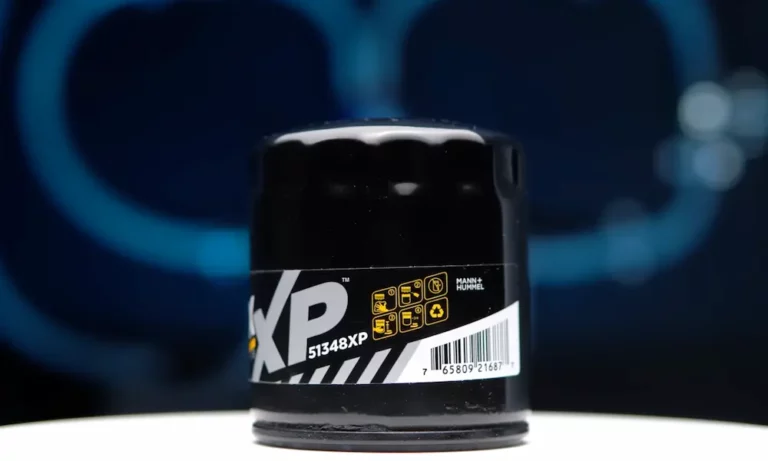
The Wix XP Series: Premium Price, Mixed Results
You’d think spending more on the Wix XP Performance Series would get you better filtration. Surprisingly, it doesn’t work that way.
The XP variant uses synthetic blend media designed for extended service intervals up to 20,000 miles. Sounds great, right? But here’s the catch—the XP filters at 99% efficiency at 35 microns, which is actually worse than the regular Wix filter’s 23-micron rating.
Wix made a deliberate trade-off here. The XP prioritizes holding more contaminants over catching smaller particles. In capacity testing, the XP held 8.58 grams of contaminants before the bypass valve kicked in—middle of the road compared to competitors.
For flow restriction, the XP performed well with just 9.0 PSI differential pressure at high flow rates, making it one of the least restrictive filters tested. Your engine won’t struggle pushing oil through it.
How Wix Stacks Up Against the Competition
Let’s be real: other brands are doing better work at similar prices.
| Filter Brand | Micron Rating | Efficiency | Price Range |
|---|---|---|---|
| Wix (Regular) | 23 microns | 99% | $7-10 |
| Wix XP | 35 microns | 99% | $10-13 |
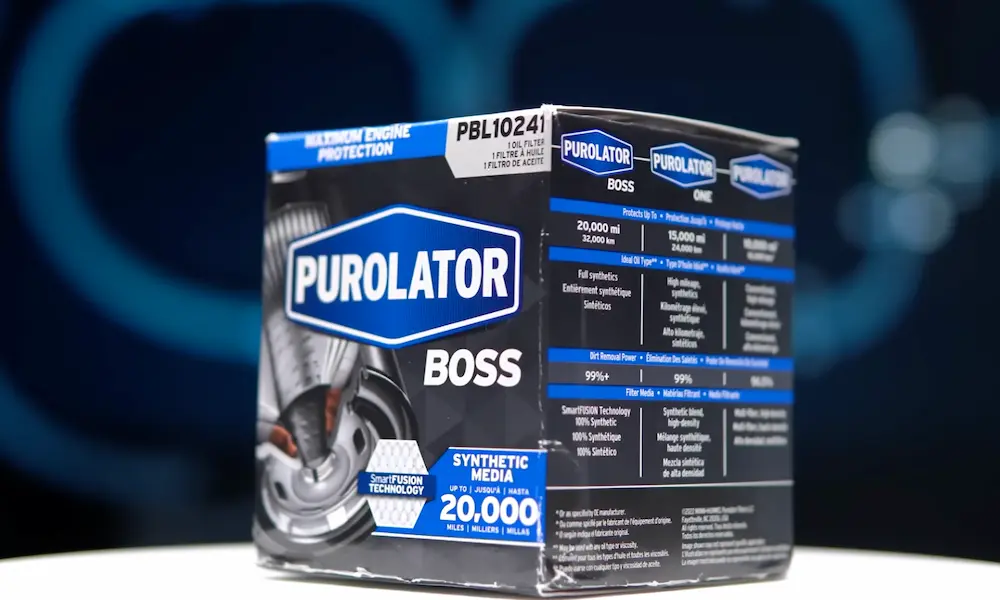
| Purolator Boss | 20 microns | 99% | $8-12 |
| Fram Ultra Synthetic | 20 microns | 99% | $9-13 |
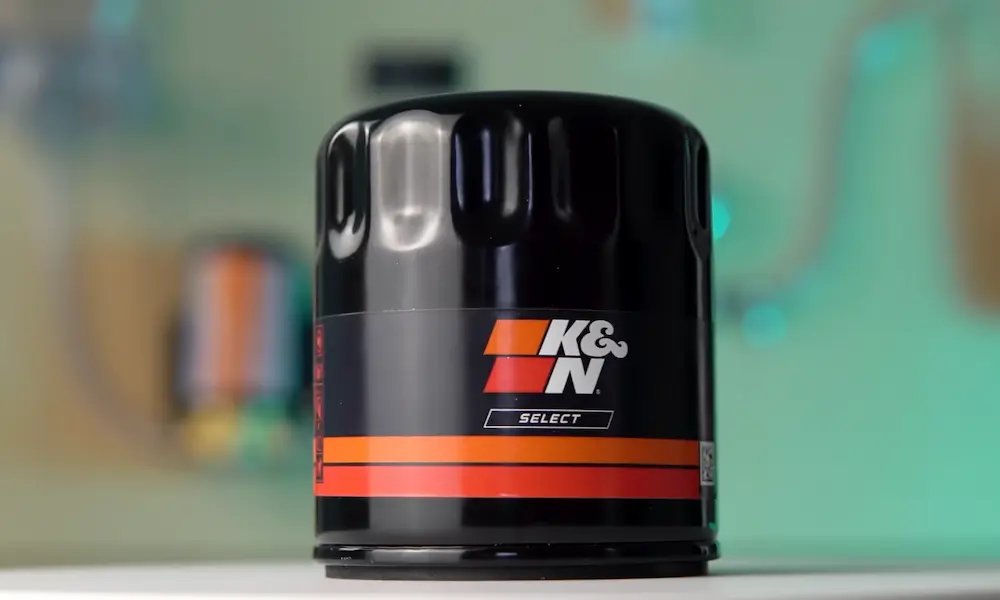
| K&N Performance | Variable | 99% | $12-15 |
Filtration testing showed the Wix XP passing 807.1 particles per milliliter in the 21-38 micron range. Compare that to Purolator Boss at 31.6 particles or K&N at 25 particles—Wix isn’t winning any medals here.
If you’re paying mid-premium prices, you might as well get premium filtration. Purolator Boss and Fram Ultra Synthetic both deliver 20-micron ratings at comparable prices.
The Mann+Hummel Acquisition Changed Everything
Here’s where things get interesting—and not in a good way.
When Mann+Hummel acquired Wix, longtime users noticed changes. Quality control issues started popping up more frequently. Users report manufacturing defects including mislabeled filters, incorrect threading, and inconsistent construction quality.
Some production moved from traditional US facilities to international locations. Professional teardown analysis occasionally reveals problems like blocked center tube louvers and excessive glue application—issues that weren’t common in older Wix filters.
The biggest change? NAPA Gold filters are no longer made by Wix. For years, people bought NAPA Gold knowing they were getting rebranded Wix filters at a better price. That relationship ended, and current NAPA Gold filters have different internal construction.
Build Quality: What’s Inside the Canister
Wix filters feature thick steel canisters with proper construction—when quality control doesn’t slip up.
The regular Wix uses enhanced cellulose media that handles conventional and synthetic oil blends effectively. You’ll find uniform pleating and proper glue application in most filters. The silicone anti-drainback valve prevents dry starts by keeping oil in the filter when your engine’s off.
The bypass valve design is traditional spring-loaded with ratings between 8-11 PSI. Nothing fancy, but it works. If the filter gets clogged, the bypass opens to keep oil flowing—even if it’s unfiltered. That’s better than starving your engine of oil.
Professional shop analysis shows that current Wix filters maintain acceptable construction standards, though consistency isn’t what it used to be.
When Wix Filters Make Sense
Despite the mixed reviews, Wix filters work well for specific situations.
Standard passenger vehicles with 5,000-7,500 mile service intervals don’t need ultra-premium filtration. If you’re changing your oil regularly with conventional or synthetic blend oil, regular Wix filters provide adequate protection. The 23-micron rating catches harmful contaminants that cause engine wear.
Budget-conscious drivers who want something better than economy brands but can’t justify premium prices find Wix a reasonable middle ground. At $7-10 per filter, they’re affordable without being suspiciously cheap.
Heavy-duty applications can benefit from Wix’s application-specific variants designed for demanding conditions. These feature stronger construction for vibration resistance and higher burst pressure ratings for off-road equipment and commercial vehicles.
When You Should Choose Something Else
Certain situations call for better filtration than Wix provides.
Extended oil change intervals with synthetic oil work better with filters that catch smaller particles. If you’re running 10,000+ mile intervals, consider Purolator Boss or Fram Ultra Synthetic instead. Their 20-micron ratings provide better protection when oil stays in your engine longer.
Performance and modified engines generate more contaminants and need maximum filtration efficiency. The Wix XP’s 35-micron rating won’t cut it. Premium filters with better micron ratings and higher capacity make more sense.
Brand-specific requirements sometimes matter. Some manufacturers specify filtration standards that Wix doesn’t meet. Check your owner’s manual before assuming any filter works.
Real-World Performance and User Experiences
Professional mechanics report mixed experiences with current Wix products. Many shops continue using them because they’re reliable and widely available. Others switched to different brands citing quality control concerns and pricing pressures.
Consumer reviews generally indicate satisfactory performance for standard applications. Users appreciate proper fit, no leakage issues, and adequate filtration for normal driving. The negative reports focus on occasional manufacturing defects and performance inconsistencies compared to older production runs.
One persistent complaint: filters that don’t match the specifications listed online. Some users received filters with different thread sizes or gasket dimensions than advertised. That’s frustrating when you’re ready to change your oil.
The Regular Wix vs. XP Decision
Here’s something counterintuitive: the cheaper regular Wix filter outperforms the premium XP in filtration capability.
The regular Wix costs less and filters at 23 microns compared to the XP’s 35 microns. Unless you’re absolutely committed to extended service intervals beyond 10,000 miles, the regular Wix makes more sense.
The XP’s advantages are capacity and slightly better flow characteristics. It holds more contaminants before bypass activation and restricts oil flow less. But for most drivers changing oil every 5,000-7,500 miles, these benefits don’t matter much.
Save your money. Buy the regular Wix filter and change it more frequently rather than stretching intervals with the XP.
Understanding Bypass Valve Technology
Every oil filter needs a bypass valve—it’s your engine’s safety net.
When a filter gets clogged with contaminants, oil pressure builds up behind it. Without a bypass valve, that pressure could burst the filter or starve your engine of oil. The bypass valve opens to let unfiltered oil through when pressure reaches 8-11 PSI in Wix filters.
Is unfiltered oil ideal? No. Is it better than no oil? Absolutely.
Wix uses traditional spring-loaded bypass valves that work reliably. Some premium competitors use advanced base-end bypass technology, but the traditional approach in Wix filters remains effective for most applications while keeping costs down.
The Filtration Efficiency Reality Check
Marketing departments love throwing around impressive-sounding numbers. Let’s decode what Wix’s filtration specs actually mean.
A 99% efficiency rating sounds great until you realize it’s measured at different micron sizes. Wix regular filters achieve 99% at 23 microns, meaning they catch 99% of particles that size and larger. The remaining 1% circulates through your engine.
Here’s the catch: plenty of harmful particles are smaller than 23 microns. Those sail right through. Premium filters that achieve 99% efficiency at 20 microns catch more of the stuff that causes engine wear.
The Wix XP’s 35-micron rating is even more concerning. Particles between 20-35 microns absolutely cause engine wear, and the XP lets more of them through in exchange for holding more total contaminants.
What Professional Testing Actually Reveals
Independent testing provides the most honest assessment of filter performance.
Engineering evaluations use standardized testing to measure filtration efficiency, flow restriction, and capacity. Wix filters consistently land in the middle of the pack—never the worst, but rarely the best.
The tests measure particle counts in specific size ranges after oil passes through the filter. Lower counts mean better filtration. Wix XP’s 807.1 particles per milliliter in the 21-38 micron range compares poorly to competitors achieving particle counts below 50.
Flow testing measures how much the filter restricts oil movement. Wix XP excels here with minimal restriction, but that comes at the cost of filtration efficiency. It’s easier for oil to flow through when the filter media is less dense—which also means it catches fewer particles.
Pricing and Value Considerations
Spending $7-13 on an oil filter might seem reasonable, but are you getting your money’s worth?
Wix filters fall into the mid-premium price range. You can find economy filters for $3-5 and premium options for $12-18. The question is whether Wix’s middle-tier performance justifies middle-tier pricing.
Here’s my take: if Wix filters cost $5, they’d be an excellent value. At $7-13, you’re paying nearly premium prices for decidedly middle-of-the-road performance. Spending an extra $2-3 gets you genuinely better filters from Purolator or Fram Ultra Synthetic.
The math changes if you find Wix filters on sale. At $5-6, they’re a solid choice. At full retail price, better options exist.
Application-Specific Recommendations
Different vehicles and driving conditions need different approaches.
Daily commuters with regular maintenance schedules don’t need ultra-premium filtration. Regular Wix filters at 23 microns provide adequate protection when you’re changing oil every 5,000-7,500 miles. You won’t see engine damage from using Wix filters with proper maintenance intervals.
Synthetic oil users running extended intervals should look elsewhere. The Wix XP’s 35-micron rating doesn’t provide enough protection when oil sits in your engine for 12,000+ miles. Spend the extra money on filters designed for extended service.
High-mileage engines already have some wear and generate more contaminants. Better filtration helps extend engine life. Consider stepping up to filters with 20-micron ratings that catch more harmful particles.
Trucks and SUVs doing heavy towing or off-road work benefit from Wix’s heavy-duty variants with stronger construction and vibration resistance. These specialized filters address the demands of commercial and recreational use.
The Bottom Line on Wix Oil Filters
So, are Wix oil filters good? They’re adequate—and that’s not necessarily a bad thing.
Wix filters provide competent protection for standard applications with regular maintenance schedules. They won’t damage your engine, they fit properly, and they’re widely available. The regular Wix filter’s 23-micron rating catches most harmful contaminants that cause engine wear.
But “adequate” doesn’t mean “optimal.” Quality control inconsistencies since the Mann+Hummel acquisition are concerning. The XP variant’s inferior micron rating despite premium pricing doesn’t make sense. And competitors deliver better filtration at similar prices.
If you’re already using Wix filters and happy with them, there’s no urgent reason to switch. But if you’re choosing a filter for the first time or reconsidering your options, Purolator Boss and Fram Ultra Synthetic offer better value with superior 20-micron ratings at comparable prices.
Your engine deserves protection that matches your investment in quality oil and regular maintenance. Wix filters provide baseline protection, but you can do better without spending significantly more.