You’ve probably heard horror stories about Fram filters. But you’ve also seen them on every auto parts store shelf. So what’s the real deal? Let’s cut through the noise and figure out if Fram deserves a spot in your engine – or if it’s just living off past glory.
The Fram Reputation Problem: Where It All Started
Fram didn’t earn its “orange can of death” nickname by accident. For years, mechanics and DIY enthusiasts have roasted this brand harder than any other filter on the market.
The controversy centers on one specific product: the Extra Guard. This budget filter features cardboard-like end caps that look flimsy compared to metal alternatives. Photos of collapsed Fram filters circulated online, and the brand’s reputation tanked.
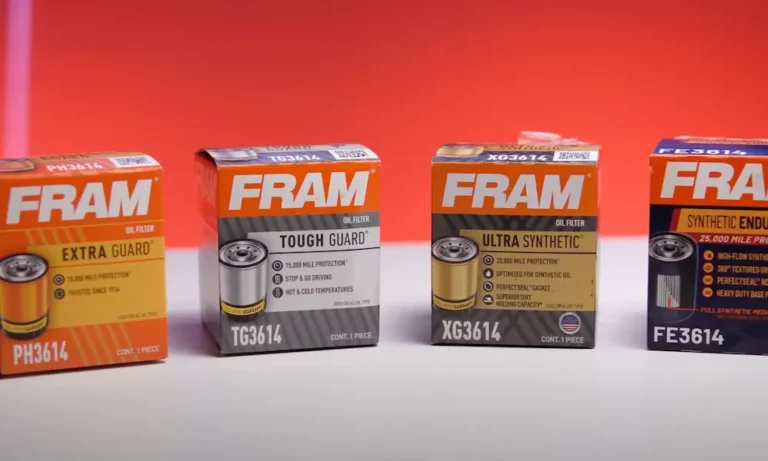
Here’s the twist: Fram makes way more than just that orange can. They’ve got four distinct product lines, and lumping them together is like saying all cars are the same because you drove a base model Kia.
The real question isn’t “are Fram oil filters good” – it’s “which Fram filter are we talking about?”
Breaking Down Fram’s Four Product Lines
Fram operates on a tier system. Understanding these differences is critical because performance varies wildly between models.
Extra Guard: The Filter Everyone Loves to Hate
The orange Extra Guard sits at the bottom of Fram’s lineup. It’s the filter that spawned all those internet rants.
Construction details:
- Synthetic end caps (yes, they’re cardboard-esque)
- 95% filtration efficiency
- Silicone anti-drainback valve (upgraded from older nitrile versions)
- 3,000-5,000 mile service interval
Independent testing shows these filters can handle over 340 PSI before failure. That’s impressive considering most engines operate between 0-125 PSI.
But mechanics aren’t buying it. “I’ve had one oil filter collapse, a Fram, and it twisted like an empty soda can,” one technician reported.
Bottom line: The Extra Guard works, but it’s not inspiring confidence among pros. For just a few bucks more, you can do better.
Tough Guard: The Middle Child
The Tough Guard targets drivers who want better protection without premium pricing.
Key specs:
- 99% filtration efficiency
- 15,000-mile rating with synthetic oil
- Improved media construction
- Better bypass valve design
Professional testing revealed the Tough Guard “was actually outperforming and out-filtering some far more expensive filters from Fram’s competitors.”
This model represents solid value for daily drivers using synthetic oil. It’s not flashy, but it gets the job done without cutting corners.
Ultra Synthetic: Where Fram Gets Serious
The Ultra Synthetic is Fram’s answer to critics. This filter competes directly with premium brands like Mobil 1 and Wix.
Performance highlights:
- 99%+ filtration efficiency for particles above 20 microns
- 20,000-mile service interval capability
- Dual-layer synthetic blend media
- Premium silicone anti-drainback valve
Here’s where things get interesting. Lab testing showed the Fram Ultra Synthetic held 50 grams of aluminum powder contamination versus Mobil 1’s 48 grams.
One comprehensive analysis concluded that “Fram Ultra Synthetic is one of the best, if not the best filter on the market right now,” according to professional testing results.
Endurance: The Extended Service King
The Endurance line extends drain intervals even further, though it’s less common in retail stores. Think of it as the Ultra Synthetic’s overachieving sibling.
How Fram Stacks Up Against Top Competitors
Let’s get practical. How does Fram compare to filters you’re actually considering?
| Filter Brand | Filtration Efficiency | Typical Price | Service Interval | Construction Quality |
|---|---|---|---|---|
| Fram Extra Guard | 95% | $3-5 | 5,000 miles | Budget (synthetic end caps) |
| Fram Ultra Synthetic | 99%+ | $8-12 | 20,000 miles | Premium (dual-layer media) |
| Mobil 1 Extended | 99%+ | $10-15 | 20,000 miles | Excellent (metal construction) |
| Wix XP | 99%+ | $12-18 | 25,000 miles | Excellent (steel end caps) |
| SuperTech Synthetic | 99% | $5-7 | 10,000 miles | Good (metal end caps) |
Fram vs. Mobil 1
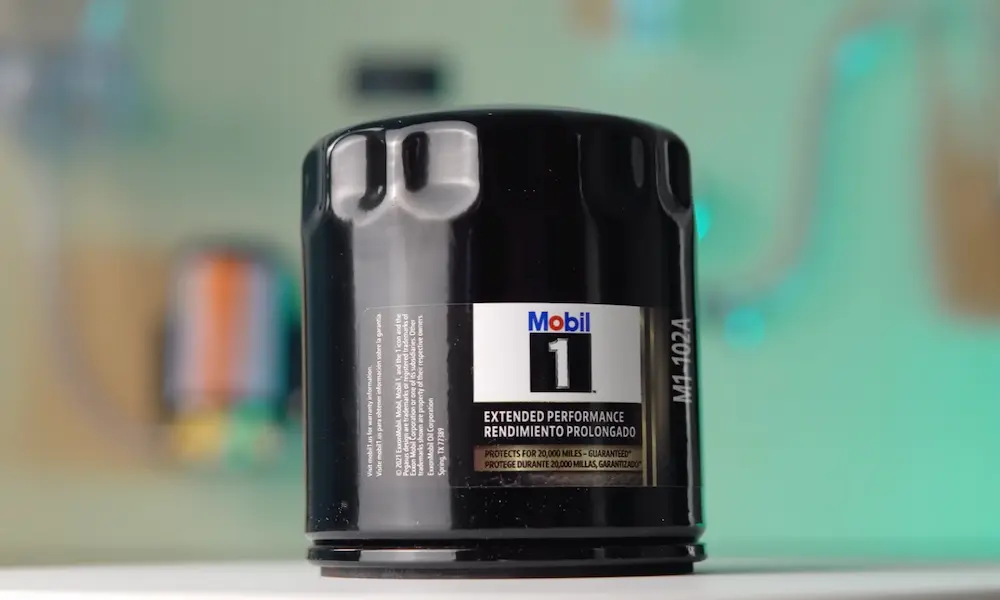
Mobil 1 filters feature integrated bypass valve designs that generally offer superior flow characteristics. Their all-metal construction feels more robust.
But here’s the kicker: the Fram Ultra Synthetic matches Mobil 1’s filtration capacity at a lower price point. If you’re changing your own oil, that $3-5 savings per change adds up.
Fram vs. Wix
Wix filters (and their NAPA Gold twins) are mechanic favorites. They offer excellent build quality with steel end caps and reliable performance.
Direct comparisons show the Fram Ultra Synthetic keeping pace with Wix in filtration efficiency. The Wix typically edges out Fram in longevity and construction feel, but you’ll pay for it.
Fram vs. SuperTech
Walmart’s SuperTech line is the dark horse. These filters offer metal construction and surprisingly good performance at budget pricing.
For drivers considering the Fram Extra Guard, SuperTech represents a better value. Similar price, better construction, solid filtration.
What Laboratory Testing Actually Reveals
Let’s talk science. Independent labs don’t care about brand loyalty – they measure what matters.
Pressure Resistance Testing
Controlled testing subjected Fram filters to pressure cycling from 0-300+ PSI over one million cycles. The filters maintained structural integrity throughout.
Even the controversial Extra Guard survived over 340 PSI before failure. Your engine’s oil pump? It’s pushing 60-80 PSI max under normal conditions.
Filtration Efficiency Measurements
Testers use precise amounts of laboratory-grade contaminants to measure actual filtration performance. The results consistently show Fram’s premium lines meeting or exceeding advertised specs.
The Ultra Synthetic’s dual-layer media construction proves particularly effective. It captures fine particles while maintaining adequate oil flow – the balance that matters most.
Flow Restriction Analysis
Here’s where differences emerge. The Extra Guard showed higher restriction compared to premium alternatives. More restriction means your oil pump works harder.
The Ultra Synthetic performed comparably to top competitors in flow characteristics. Professional analysis confirmed that flow rates stayed within optimal ranges throughout extended service intervals.
Recent Quality Concerns You Should Know About
Not everything’s rosy in Fram-land. Recent changes have raised some eyebrows.
Cost-Cutting Measures
Current ownership has made modifications to the Ultra Synthetic line. Users report removal of wire backing that previously prevented pleat collapse.
Some Brazil-manufactured units show what enthusiasts describe as “fuzzy hairs” on filter media, raising questions about media integrity.
Manufacturing Consistency Issues
Quality control appears less consistent than before. Some batches test great, while others show variations in construction details.
That said, laboratory testing continues to show strong performance from current production units. The functionality remains solid even if the construction feels less premium.
What Mechanics Actually Think (And Why It Matters)
Professional opinions on Fram split along predictable lines.
The Anti-Fram Camp
Mechanics who avoid Fram cite real-world failures. Collapsed filters, oil pressure drops, and general distrust of the brand run deep.
“Fram makes three levels of filter… The orange one is the one to avoid,” one professional noted. “The tough guards are decent. The ultras are really high quality.”
Most negative experiences trace back to the Extra Guard. Once you’ve seen a failed filter, brand loyalty dies hard.
The Pro-Fram Minority
Professionals familiar with Fram’s premium offerings often recommend them. These techs distinguish between product lines rather than writing off the entire brand.
Engineers who toured Fram’s R&D facility came away impressed. They noted that “the pleated filtration material, which is flexible, is glued to the caps and that the added flex of the end caps prevents the pleated filtration material from pulling loose.”
The takeaway? Professional opinion correlates directly with which product line they’ve experienced.
Making the Smart Choice for Your Vehicle
So are Fram oil filters good? It depends entirely on which one you’re buying.
When to Choose Fram Extra Guard (Or Not)
Skip it if:
- You’re using synthetic oil
- You drive a turbocharged vehicle
- You extend drain intervals beyond 5,000 miles
- You want peace of mind
Consider it if:
- You’re changing oil every 3,000 miles religiously
- You’re on an extremely tight budget
- You’re maintaining an older, high-mileage vehicle
Honestly? SuperTech offers better value at this price point. Same cost, better construction.
When Fram Tough Guard Makes Sense
This filter hits a sweet spot for daily drivers.
Best for:
- Synthetic oil users on moderate budgets
- 7,500-10,000 mile drain intervals
- Standard passenger vehicles
- Drivers wanting better than budget without premium costs
The 99% filtration efficiency and proven performance make this a solid middle-ground option.
Why Ultra Synthetic Deserves Your Attention
The Ultra Synthetic represents Fram at its best.
Ideal for:
- Full synthetic oil users
- Extended drain intervals (15,000-20,000 miles)
- Performance vehicles
- Drivers wanting premium protection without premium pricing
Testing consistently shows this filter competing with brands costing $5-8 more. That’s real value.
The Price-to-Performance Reality Check
Let’s talk money. Oil changes add up over a vehicle’s lifetime.
Budget scenario (Extra Guard or SuperTech):
- $4 per filter
- 5,000-mile intervals
- Cost per 100,000 miles: $80 in filters
Premium scenario (Ultra Synthetic):
- $10 per filter
- 15,000-mile intervals
- Cost per 100,000 miles: $67 in filters
Yeah, you read that right. The premium filter actually costs less over time because you’re buying fewer of them.
Add in fewer oil changes (labor and oil costs), and the Ultra Synthetic becomes the budget option for synthetic oil users.
Special Considerations for Different Vehicles
Not all vehicles treat filters the same way.
High-Performance Engines
Turbocharged and supercharged engines are brutal on filters. Higher pressures, more heat, and tighter tolerances demand premium protection.
Stick with Ultra Synthetic or jump to Wix/Mobil 1. The Extra Guard isn’t built for this environment.
Older High-Mileage Vehicles
If you’re nursing a 200,000-mile daily driver, your priorities shift. Frequent oil changes with budget filters might make more sense than extended intervals.
The Tough Guard offers decent protection without overthinking it.
Daily Commuters
Standard passenger vehicles driven normally represent Fram’s sweet spot. The Tough Guard or Ultra Synthetic (depending on budget) handle these applications perfectly.
Match your filter to your oil change interval and move on with life.
The Verdict on Fram Filters
Here’s the straight truth: Fram’s reputation problems stem from one product line that dominates their shelf space.
The Extra Guard earned every bit of criticism thrown at it. Cardboard end caps on an engine component feel wrong, even if testing shows they technically work.
But condemning all Fram filters based on the Extra Guard ignores reality. The Ultra Synthetic and Tough Guard consistently deliver excellent performance at competitive prices.
The bottom line: Skip the orange can. Consider the Tough Guard for value. Trust the Ultra Synthetic for premium protection without premium pricing.
Your engine doesn’t care about brand reputation. It cares about filtration efficiency, flow rates, and construction quality. Fram’s premium lines deliver on all three counts.
Just don’t buy the cheapest option and expect premium results. In oil filters, you really do get what you pay for – but Fram’s top-tier products punch above their price point.